
Have you ever wondered if every car on the road has tire pressure sensors? You might think this feature is standard, but the truth could surprise you.
Knowing whether your vehicle has these sensors can keep you safer and save you money. You’ll discover how tire pressure sensors work, which cars have them, and why it matters for you. Keep reading—understanding this simple detail could make a big difference the next time you hit the road.
Credit: www.greasepro.com
Tire Pressure Sensors Explained
Tire pressure sensors help keep your car safe and efficient. They check the air pressure inside each tire. Proper tire pressure improves fuel economy and prevents tire wear. These sensors alert you if the pressure is too low or too high.
Most modern cars have tire pressure sensors. They send signals to the dashboard to warn you about pressure problems. Understanding how these sensors work can help you maintain your vehicle better.
What Are Tire Pressure Sensors?
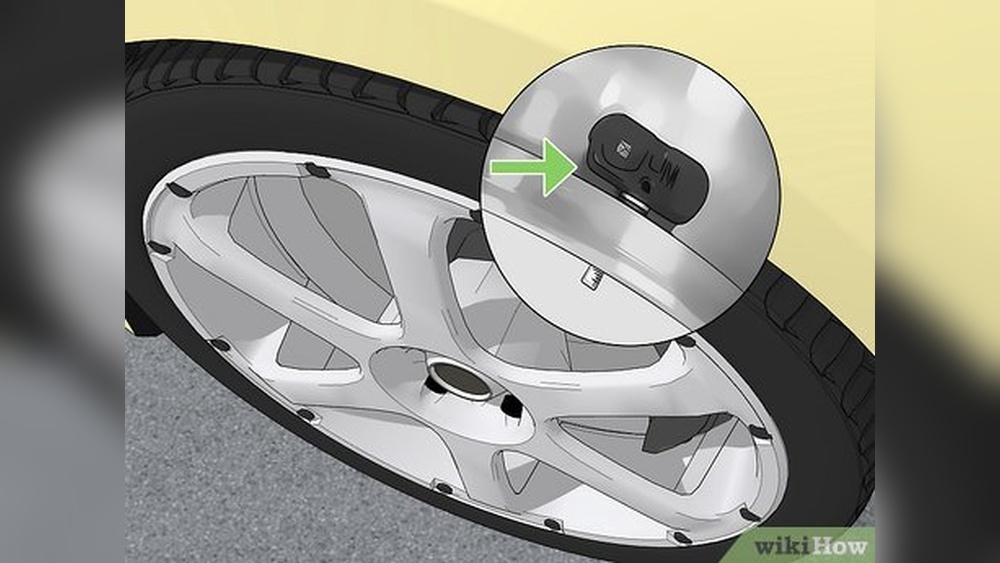
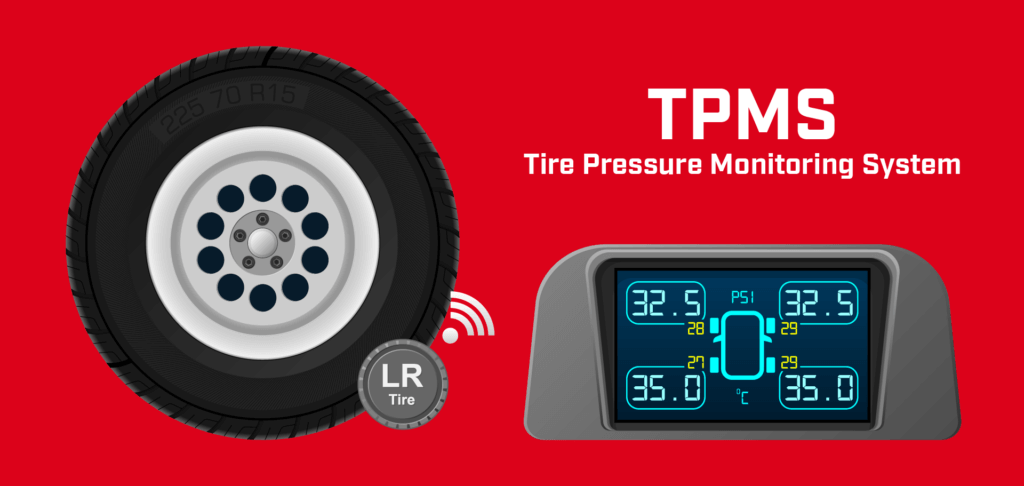
Tire pressure sensors are small devices inside each tire. They measure air pressure constantly. The sensor sends data to the car’s computer system. This system alerts the driver if pressure falls outside safe limits.
How Tire Pressure Sensors Work
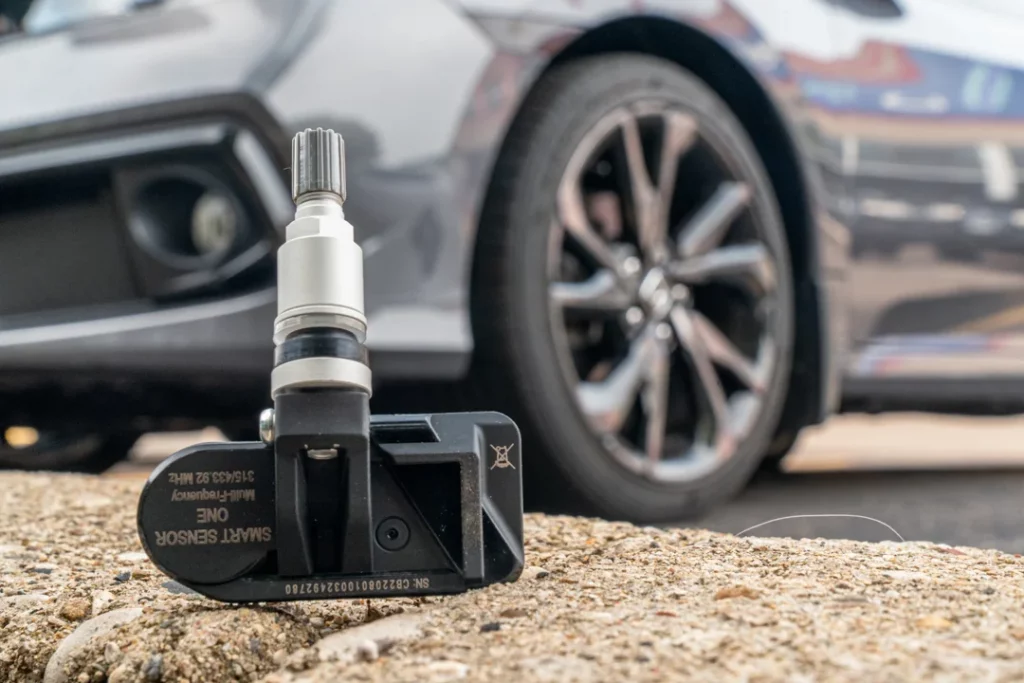
Each sensor uses a tiny battery and pressure gauge. It detects the pressure level and converts it into a signal. This signal reaches the car’s dashboard display. You see a warning light or message if pressure is low.
Types Of Tire Pressure Sensors
There are two main types: direct and indirect. Direct sensors measure air pressure inside each tire. Indirect sensors use the car’s ABS system to estimate pressure. Direct sensors are more accurate but cost more.
They improve safety by preventing accidents caused by low pressure. Sensors also save money by reducing tire wear. Good tire pressure helps your car use less fuel. Sensors make it easier to spot problems early.
Prevalence In Modern Cars
Tire pressure sensors have become common in many modern cars. These sensors help drivers keep track of tire pressure easily. Maintaining correct tire pressure improves safety and fuel efficiency.
Most new cars come with tire pressure monitoring systems (TPMS). This system alerts drivers if tire pressure is too low or too high. Automakers include TPMS to meet safety rules and customer demand.
Standard Feature In New Vehicles
Since 2007, many countries require new cars to have tire pressure sensors. This rule helps reduce accidents caused by underinflated tires. Car makers add TPMS to comply with these laws.
Technology In Different Car Types
Small cars, SUVs, and trucks often have TPMS. Luxury cars use advanced sensors with more features. Even some electric cars include tire pressure sensors for safety.
Aftermarket And Older Cars
Older cars may not have built-in tire pressure sensors. Drivers can add aftermarket TPMS kits. These kits provide similar alerts and improve tire care.
Types Of Tire Pressure Monitoring Systems
Tire pressure sensors help keep cars safe by checking tire air levels. There are two main types of tire pressure monitoring systems (TPMS). Each type works in a different way. Understanding these types can help you know how your car tracks tire pressure.
Direct Tpms
Direct TPMS uses sensors inside each tire. These sensors measure the exact air pressure. They send this data to the car’s computer. Drivers see the tire pressure on the dashboard. This system gives accurate and real-time readings. It can alert you immediately if pressure drops.
Indirect Tpms
Indirect TPMS does not use physical sensors in tires. It works by using the car’s ABS or wheel speed sensors. It compares the speed of each tire to find pressure differences. If a tire has low pressure, it spins faster. The system then warns the driver. This method is less precise but costs less to maintain.
Benefits Of Tire Pressure Sensors
Tire pressure sensors bring many benefits to drivers. They help keep tires in good shape and improve overall vehicle performance. These sensors alert drivers when tire pressure is too low or too high. This early warning helps avoid problems on the road.
Many modern cars now include tire pressure sensors as a standard feature. Their benefits cover safety, fuel savings, and longer tire life. Understanding these advantages shows why these sensors are important for every driver.
Safety Advantages
Proper tire pressure is key to safe driving. Sensors warn about low or high pressure quickly. This reduces the risk of tire blowouts or accidents. Drivers can react faster to avoid dangerous situations. Tires with the right pressure improve handling and braking. This makes driving safer in all conditions.
Fuel Efficiency
Correct tire pressure helps save fuel. Under-inflated tires increase rolling resistance. This makes the engine work harder and use more fuel. Sensors keep tires at the right pressure. This reduces fuel consumption and lowers running costs. Better fuel efficiency also means fewer emissions.
Tire Longevity
Tire sensors protect your investment. Properly inflated tires wear evenly and last longer. Low pressure causes uneven wear and damage. Sensors alert drivers before serious tire damage occurs. This extends tire life and saves money on replacements. Well-maintained tires improve vehicle performance overall.
Exceptions And Older Vehicles
Not all cars come with tire pressure sensors. Some older models and certain exceptions still lack this feature. Understanding these cases helps car owners know what to expect and how to manage tire safety.
Older Vehicles Without Tire Pressure Sensors
Cars made before 2007 often do not have built-in tire pressure sensors. This technology became common around that year. Older cars rely on manual checks to keep tires safe. Drivers must use pressure gauges regularly to avoid problems.
Exceptions Among Modern Cars
Some new cars may not include tire pressure sensors. Budget models or special editions sometimes skip this feature. Manufacturers may omit sensors to reduce costs. Owners should check tire pressure more often in these vehicles.
Aftermarket Solutions For Cars Without Sensors
Cars without built-in sensors can still use aftermarket systems. These products attach to valve stems or fit inside tires. They provide real-time pressure readings on a phone or dashboard. Installing these sensors improves safety and convenience.

Credit: networks.imdea.org
How To Check Sensor Functionality
Knowing how to check your tire pressure sensor is important. These sensors help keep your driving safe by alerting you to low tire pressure. Sometimes sensors stop working or give wrong readings. Checking them regularly keeps your car in good shape.
Here are simple steps to check if your tire pressure sensors work well. You do not need special skills. Just follow these easy tips and keep your sensors healthy.
Using The Car’s Dashboard Warning Light
Most cars have a warning light for tire pressure. It looks like an exclamation mark inside a flat tire. When the light stays on or flashes, the sensor may have a problem. If the light does not come on at all, the system might be off or broken.
Inspecting The Tire Pressure Sensor With A Tool
You can use a tire pressure gauge to check sensor readings. Compare the gauge reading with what your car shows. If the numbers do not match, the sensor might be faulty. Some auto shops have special tools to scan sensors and find errors.
Visually Checking The Sensor On The Valve Stem
Many sensors attach to the valve stem inside the tire. Look for damage, cracks, or dirt on the valve stem. Dirt can block signals and cause errors. Clean the valve stem gently and check again. Damage means you should replace the sensor.
Resetting The Sensor System
Some cars let you reset the tire pressure system manually. Check your car manual to find reset instructions. Resetting can fix sensor errors after you inflate tires. If the light returns, the sensor might need repair or replacement.
Costs And Maintenance
Tire pressure sensors help keep your car safe and efficient. They need some care and can cost money over time. Understanding these costs helps you plan better for your car’s maintenance.
Knowing about replacement and repair costs can save you from surprises. Regular checks keep the sensors working well and your tires in good shape.
Replacement Expenses
Tire pressure sensors can fail and need replacing. The cost varies by car model and sensor type. On average, replacement parts cost between $50 and $100 each. Labor charges at a garage can add $50 to $100 more. Some cars have sensors built into the valve stem, which may be pricier. Replacing all four sensors can add up quickly. Buying sensors online might lower costs, but installation still requires a professional.
Calibration And Repairs
After replacing sensors, calibration is essential. Calibration ensures accurate pressure readings. This service usually costs between $50 and $75. Repairs might include fixing broken sensors or damaged wiring. Sensors are sensitive to weather and road conditions. Regular tire maintenance can prevent sensor problems. Calibration often needs special tools and expertise. Ignoring sensor issues can lead to poor fuel economy and tire damage.
Future Trends In Tire Pressure Monitoring
Tire pressure monitoring systems (TPMS) are changing fast. New technology makes cars safer and smarter. The future of tire pressure sensors shows many exciting improvements. These changes help drivers keep their tires in great shape and avoid accidents.
Advances in sensors and data sharing will improve how tire pressure is tracked. Cars will get better at warning drivers early about low pressure. This will save fuel and extend tire life. The future holds more accurate and user-friendly systems for everyone.
Wireless And Smart Sensor Technology
Wireless sensors are becoming smaller and more reliable. They send real-time tire data to the car’s computer system. Smart sensors can learn from driving habits and road conditions. This helps give better alerts and advice to drivers.
Integration With Vehicle Safety Systems
Future TPMS will work closely with other safety features. Systems like automatic braking and stability control will use tire data. This allows cars to react faster to dangerous situations. It keeps passengers safer on all types of roads.
Cloud Connectivity And Mobile Apps
Many cars will connect tire sensors to the cloud. Drivers can check tire pressure anytime from their smartphones. Mobile apps will offer tips and maintenance reminders. This makes tire care easier and more convenient.
Energy-efficient And Long-lasting Sensors
New sensors use less power and last longer. They reduce the need for battery replacements. This lowers maintenance costs and improves reliability. Drivers benefit from consistent, long-term tire monitoring.
Credit: www.utires.com
Frequently Asked Questions
Do All Modern Cars Have Tire Pressure Sensors?
Most modern cars come equipped with tire pressure monitoring systems (TPMS). However, some older or budget models may not have this feature installed.
How Do Tire Pressure Sensors Improve Driving Safety?
Tire pressure sensors alert drivers to underinflated tires. Proper tire pressure reduces accidents caused by tire blowouts and improves vehicle handling.
Can I Install Tire Pressure Sensors On Any Car?
Yes, aftermarket tire pressure sensors can be installed on most vehicles. Professional installation ensures accurate readings and system compatibility.
What Types Of Tire Pressure Sensors Exist In Cars?
There are direct and indirect TPMS types. Direct sensors measure pressure inside tires, while indirect systems use wheel speed data to estimate pressure.
Conclusion
Not all cars come with tire pressure sensors. Older models may lack this feature. Many newer cars include sensors for safety and efficiency. These sensors alert drivers to low tire pressure. Keeping tires properly inflated helps save fuel and improves handling.
You can also add aftermarket sensors if your car doesn’t have them. Understanding your car’s features helps maintain safety on the road. Tire pressure sensors are useful but not yet universal. Check your vehicle’s manual to know for sure. Stay safe by regularly checking your tire pressure yourself.