

Choosing the right engine oil for your car might seem simple, but it can make a big difference in how your engine runs and how long it lasts. You want to protect your investment and avoid costly repairs, right?
Using the wrong oil can cause problems you don’t even see until it’s too late. You’ll discover exactly what engine oil to use for your car, why it matters, and how to pick the best one easily. Keep reading, and you’ll feel confident the next time you open that oil cap.
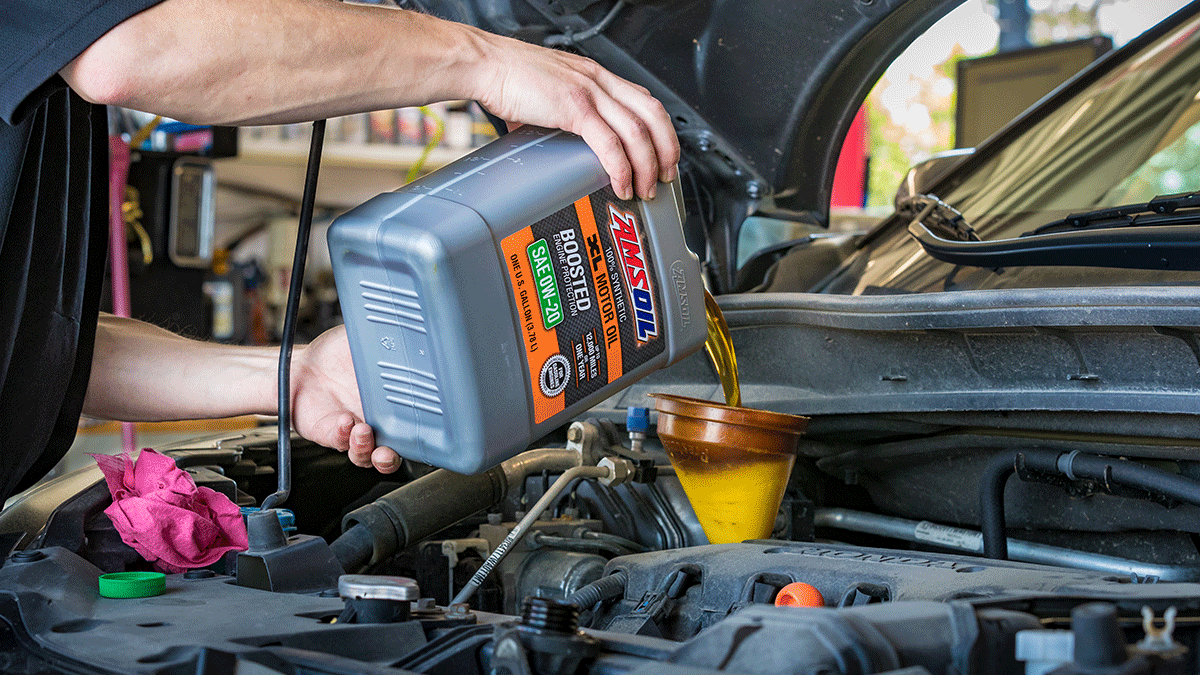
Credit: blog.amsoil.com
Choosing The Right Oil Type
Choosing the right engine oil is important for your car’s health. The oil protects the engine and keeps it running smoothly. Different oils have different features. Picking the correct one can improve performance and extend engine life.
Conventional Vs Synthetic Oils
Conventional oil comes from crude oil and is less processed. It works well for older cars and normal driving. Synthetic oil is made in labs with extra refining. It lasts longer and handles heat better. Synthetic oils reduce engine wear and improve fuel economy. Choose synthetic if your car needs high performance or drives in tough conditions.
High Mileage Oil Benefits
High mileage oil is for cars with over 75,000 miles. It has special additives to protect older engines. This oil helps reduce leaks and oil burn. It can also clean engine deposits. Using high mileage oil keeps aging engines running well and prevents costly repairs.
Viscosity And Its Importance
Viscosity means oil thickness. It affects how oil flows in the engine. Oil with low viscosity flows easily in cold weather. High viscosity oil works better in hot weather. Check your car manual for the right viscosity grade. Using correct viscosity ensures proper engine lubrication and protection.

Credit: www.jdpower.com
Checking Manufacturer Recommendations
Checking the manufacturer recommendations is the best way to find the right engine oil for your car. Each car model has specific needs based on its engine design and materials. Using the recommended oil protects your engine and keeps it running smoothly.
These recommendations come from tests and research done by the car maker. They tell you the right oil type, weight, and quality to use. Following these guidelines can help avoid engine damage and improve fuel efficiency.
Reading The Owner’s Manual
The owner’s manual is the first place to check for oil advice. It gives clear information on the oil grade suitable for your vehicle. The manual also explains how often to change the oil and what kind to use under different temperatures.
It is easy to find the oil section in the manual. Look for chapters named “Maintenance” or “Engine.” This helps you pick oil that matches your car’s needs exactly.
Understanding Oil Specifications
Oil specifications show the quality and type of oil. Look for labels like API, ACEA, or ILSAC on oil containers. These codes match the standards set by industry groups and car makers.
The right specification ensures the oil protects the engine well. It also means the oil will work well with your car’s parts and environment. Ignoring these specs can cause engine problems or shorten its life.
When To Follow Dealer Advice
Dealers often have extra knowledge about your car model. They can suggest oil types based on local climate and driving habits. This advice can be very helpful if you drive in extreme weather.
Sometimes, dealers recommend oil brands tested by the manufacturer. Using their advice can add a layer of safety for your engine. Always ask your dealer during regular service visits for updates on oil recommendations.
Factors Affecting Oil Choice
Choosing the right engine oil is not just about picking any bottle on the shelf. Several factors influence which oil suits your car best. Understanding these factors helps keep your engine healthy and running smoothly. Below are key elements that affect your oil choice.
Climate And Driving Conditions
Temperature plays a big role in oil choice. Thick oil works better in hot climates. Thin oil flows easier in cold weather. Driving on rough roads or in stop-and-go traffic needs oil that protects well. Long highway drives require oil with strong heat resistance.
Engine Age And Condition
Older engines may need thicker oil to reduce leaks. New engines often need thinner oil for better flow. Engines with wear might benefit from oils with extra additives. Checking your car’s manual helps match oil to engine needs.
Performance And Fuel Economy
High-performance cars need oils that reduce friction. Low-viscosity oils can improve fuel economy. Some oils contain additives that clean engine parts. Choosing the right oil can boost your car’s power and save fuel.
How To Read Oil Labels
Reading engine oil labels helps pick the right oil for your car. Labels show key information about oil quality and type. Understanding these details prevents engine damage and keeps your car running well.
Api Service Categories
API stands for American Petroleum Institute. The API service category shows oil’s quality and use type. Look for letters like “SN,” “SP,” or “CK-4.” Letters starting with “S” mean oil for gasoline engines. Letters starting with “C” mean oil for diesel engines. The higher the letter, the newer the standard.
Sae Viscosity Grades
SAE means Society of Automotive Engineers. Viscosity grade tells how thick the oil is at different temperatures. Labels show numbers like “5W-30” or “10W-40.” The “W” means winter rating and how oil flows in cold. The number after “W” shows oil thickness at engine heat. Choose the grade that fits your car’s manual.
Certifications And Approvals
Check for certifications from car makers or industry groups. These prove the oil meets certain standards. Common ones include ACEA, ILSAC, or manufacturer marks. Certifications ensure oil protects your engine and lasts longer. Always pick oils with the right approvals for your car model.
Signs You Need To Change Oil
Engine oil keeps your car running smoothly. Over time, oil breaks down and loses its power. Dirty or low oil can cause engine damage. Knowing the signs to change oil helps avoid costly repairs. Watch for changes in oil level, color, engine sounds, and your car’s performance. Also, keep track of mileage and time since the last oil change.
Oil Level And Color Checks
Check your oil regularly using the dipstick. Low oil means the engine is not properly lubricated. Fresh oil is amber or light brown. Dark, dirty oil shows it needs to be changed. Thick or sludgy oil cannot protect engine parts well.
Engine Noises And Performance
Listen for unusual noises like knocking or ticking. These sounds may mean oil is too old or low. Your car may feel less smooth or slower. Rough idling or stalling can also signal oil issues. Clean oil helps the engine run quietly and efficiently.
Mileage And Time Intervals
Most cars need an oil change every 3,000 to 7,500 miles. Check your owner’s manual for exact recommendations. Even if you don’t drive much, change oil every 6 to 12 months. Old oil loses its ability to protect the engine over time.
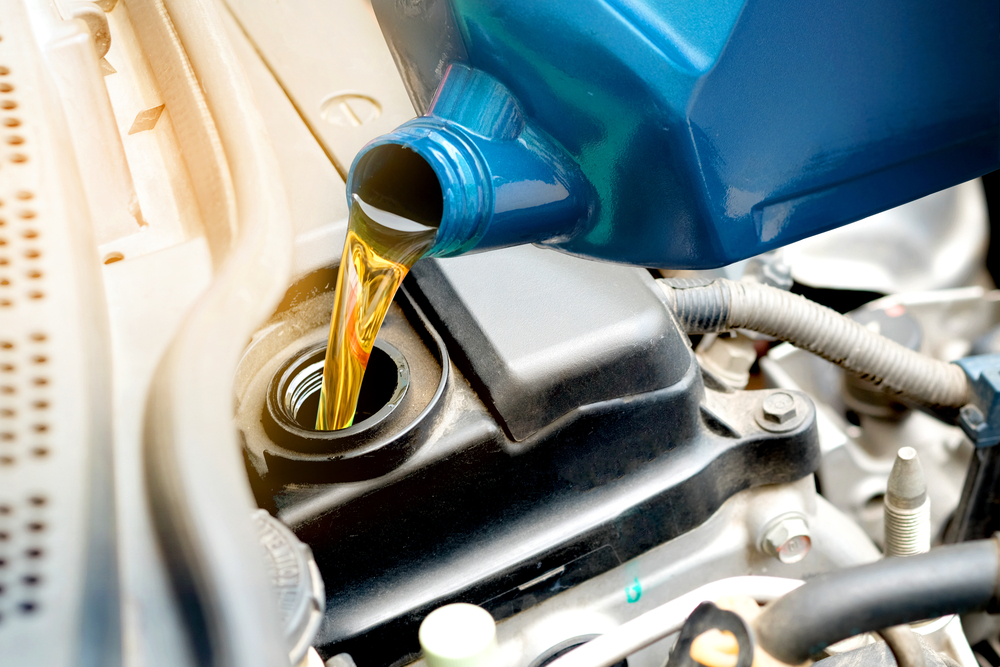
Credit: schulzgarage.com
Tips For Oil Maintenance
Maintaining your car’s engine oil is key to keeping the engine healthy. Good oil care helps your car run smoothly and last longer. Small steps in oil maintenance make a big difference.
Regular Oil Checks
Check your oil level often, at least once a month. Use the dipstick to see if the oil is at the right level. Look for dark or dirty oil; it means you need a change. Regular checks prevent engine damage and save money on repairs.
Choosing Quality Oil Filters
Pick a high-quality oil filter for your car. A good filter traps dirt and metal particles well. It protects the engine from wear and tear. Change the filter with every oil change to keep the engine clean and efficient.
Proper Oil Disposal Methods
Dispose of used oil safely to protect the environment. Never pour oil down drains or on the ground. Take old oil to recycling centers or auto shops. Proper disposal helps keep water and soil clean.
Frequently Asked Questions
What Type Of Engine Oil Suits My Car Best?
Choose engine oil based on your car’s make, model, and year. Check the owner’s manual for recommended viscosity and oil type. Using the right oil ensures optimal engine performance and longevity.
How Often Should I Change My Car’s Engine Oil?
Change engine oil every 5,000 to 7,500 miles or as per the manufacturer’s recommendation. Regular oil changes keep your engine clean and prevent wear.
Can Synthetic Oil Improve My Car’s Performance?
Yes, synthetic oil provides better protection and lasts longer. It performs well under extreme temperatures and reduces engine wear, improving overall efficiency.
What Does Oil Viscosity Mean For My Car?
Oil viscosity indicates how thick or thin the oil is. The right viscosity ensures proper lubrication, especially in different temperatures. Use oil grades recommended by your car manufacturer.
Conclusion
Choosing the right engine oil keeps your car running smooth. Check your owner’s manual first for the best oil type. Using the correct oil helps protect the engine and improve fuel efficiency. Change oil regularly to avoid damage and costly repairs.
Remember, clean oil means a healthy engine. Taking these simple steps saves money and stress. Keep your car happy and on the road longer. Easy care makes a big difference.