

Are you wondering if your AWD car needs the same tires on all four wheels? Choosing the right tires is crucial for your vehicle’s performance and safety.
Using mismatched tires can affect how your car handles, especially in tricky weather or on rough roads. You’ll discover why tire consistency matters for AWD vehicles and how to pick the best tires to keep your drive smooth and secure.
Keep reading to make the smartest choice for your car and your peace of mind.
Awd Tire Basics
All-wheel drive (AWD) cars need special care with their tires. The tires play a big role in how the AWD system works. Using the right tires helps keep the car safe and running smoothly. Understanding the basics of AWD tires can help you make better choices for your vehicle.
Not all tires are the same, and AWD cars are different from other cars. This difference affects the type of tires you should use. Let’s explore what makes AWD unique and why tire choice is very important.
What Makes Awd Different
AWD cars send power to all four wheels at once. This helps with grip on wet or slippery roads. The system changes how power flows to the wheels to keep the car stable.
Because all wheels work together, the tires must have similar wear and size. Different tire sizes can confuse the AWD system. This can cause damage to the drivetrain and reduce control on the road.
Why Tire Choice Matters
Choosing the right tires helps the AWD system work well. Tires with good grip improve safety in rain, snow, and dry conditions. Matching tires in size and type avoids extra strain on the car parts.
Using wrong or worn tires can cause uneven wear and tear. It can lead to costly repairs and poor performance. Good tires also make driving more comfortable and fuel-efficient.

Credit: www.lesschwab.com
Matching Tires On Awd
Matching tires on an all-wheel-drive (AWD) vehicle is very important. AWD systems send power to all four wheels. Unequal tires can cause damage to this system. Many drivers overlook tire matching and face costly repairs later.
Proper tire matching keeps your vehicle safe and working well. It also helps maintain good handling and traction. Tire size, tread pattern, and brand all play key roles. These factors affect how your AWD car drives and wears tires.
Importance Of Same Size Tires
Tires on an AWD car must be the same size. Different sizes cause uneven wheel speeds. This forces the AWD system to work harder. It can lead to mechanical problems and expensive repairs. Using the same size tires protects your car’s drivetrain.
Tread Pattern Consistency
Tires with the same tread pattern perform better together. Different patterns create uneven grip on the road. This affects vehicle stability and control. Consistent tread helps maintain balanced traction in all conditions. It improves safety and tire life.
Tire Brand And Model Impact
Using tires from the same brand and model is best. Different brands have variations in rubber and design. These differences can cause uneven wear and handling. Matching brands and models ensure uniform performance. This keeps your AWD car running smoothly and safely.
Effects Of Mismatched Tires
Mismatched tires on an AWD car cause serious problems. These tires differ in size, tread depth, or brand. The car’s all-wheel-drive system relies on equal traction from all tires. Unequal tires disrupt the balance. This imbalance affects how the car drives and how safe it is. It also damages parts of the car’s drivetrain. Repair costs can quickly add up. Understanding these effects helps keep your car in good shape.
Handling And Safety Risks
Mismatched tires change how the car handles. The car may pull to one side or feel unstable. Braking distances can increase. This makes accidents more likely. Traction control systems may not work properly. Slippery roads become more dangerous. Drivers lose confidence behind the wheel. Proper tire matching is key to safe driving.
Wear And Tear On Drivetrain
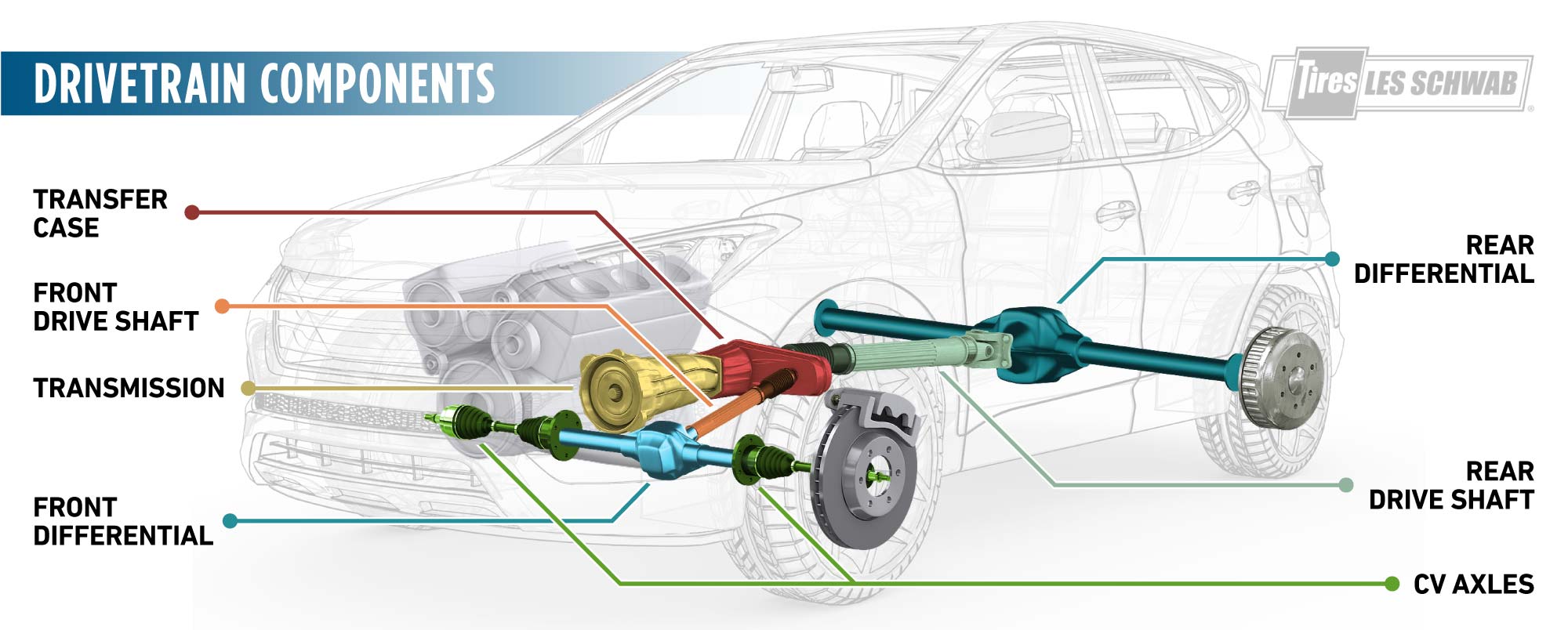
The AWD system works hard to keep tires moving at the same speed. Different tires spin at different rates. This causes strain on the drivetrain. Components like the differential and transfer case wear out faster. Over time, this leads to failure. Expensive repairs or replacements become necessary. Using the same tires reduces stress on these parts.
Potential Repair Costs
Ignoring tire mismatches leads to costly repairs. Drivetrain damage is not cheap to fix. You may need new differentials or axles. Tires that wear unevenly must be replaced sooner. Extra trips to the mechanic drain your wallet. Keeping all tires matched saves money in the long run. It protects your investment and prevents headaches.

Credit: www.reddit.com
Tire Maintenance Tips For Awd
Proper tire care is key for all-wheel-drive (AWD) vehicles. Tires affect how your car handles and stays safe on roads. AWD systems rely on balanced tires to work well. Uneven tires can cause damage to the drivetrain and reduce performance. Follow these tire maintenance tips to keep your AWD car running smoothly and safely.
Regular Tire Rotation
Rotating tires means moving them from one position to another. This helps wear tires evenly on all wheels. AWD cars need regular tire rotation every 5,000 to 7,000 miles. Uneven wear can cause problems in the AWD system. Rotating tires extends their life and improves grip on the road.
Proper Inflation Levels
Check your tire pressure often. Use a tire gauge to measure the air pressure. Each car has recommended pressure levels found in the owner’s manual. Proper inflation keeps tires stable and helps fuel efficiency. Low or high pressure can cause uneven tire wear and harm AWD performance.
Checking Tread Depth
Tread depth shows how much life a tire has left. Use a tread depth gauge or a coin to check it. Tires need at least 2/32 inch of tread for safety. Worn tires reduce traction and can damage the AWD system. Replace tires before the tread gets too low to stay safe.
When To Replace All Four Tires
Knowing when to replace all four tires on an AWD car is very important. AWD systems rely on all tires to work evenly. Uneven tires can cause damage to the drivetrain. This can lead to expensive repairs. Replacing all tires at the right time keeps your car safe and running smoothly.
Signs Tires Are Uneven
Uneven tire wear shows you need new tires. Look for different tread depths on each tire. One tire may have more wear on one side. Your car might pull to one side while driving. You may also hear unusual noises from the tires. These signs mean your tires are not matching well.
Manufacturer Recommendations
Car makers often suggest replacing all four tires together. They do this to keep the AWD system balanced. Check your car’s manual for specific advice. Some brands require tires to be within a certain tread depth difference. Following these rules helps avoid damage and keeps your warranty valid.
Cost Vs. Safety Considerations
Replacing all four tires costs more than just one or two. But safety is the top priority. Uneven tires can cause poor handling and reduce control. This increases the risk of accidents. Spending more on tires now can save money on repairs later. It also protects you and your passengers on the road.
Credit: www.lesschwab.com
Choosing The Right Tires For Awd
Choosing the right tires for an all-wheel-drive (AWD) vehicle is very important. AWD systems rely on all four tires to work together. Mismatched tires can cause uneven wear and damage the drivetrain. Picking tires that match your driving needs keeps your car safe and efficient.
Seasonal Tire Options
Different seasons need different tires. Summer tires give better grip on dry roads. Winter tires have special tread for snow and ice. All-season tires work okay in many conditions but are not the best in extreme weather. Choose tires based on the climate where you drive most.
Performance Vs. Durability
Performance tires offer better handling and traction. They feel sharper on curves and wet roads. Durability tires last longer and resist wear better. They are good for daily driving and rough roads. Decide if you want speed and control or long-lasting tires.
Consulting With Experts
Tire experts can help find the best fit for your AWD. They know which tires suit your car and driving style. Get advice on tire size, type, and brand. Proper guidance saves money and keeps your vehicle running smoothly.
Frequently Asked Questions
Do Awd Cars Require Special Tires?
AWD cars often benefit from using the same tires on all wheels. This ensures even traction and prevents drivetrain damage. Using matched tires maintains vehicle stability, handling, and safety, especially in varying road conditions. It’s recommended to replace tires in sets or pairs for AWD systems.
Can I Mix Tire Brands On An Awd Vehicle?
Mixing tire brands on an AWD car is not ideal. Different brands may have varying tread patterns and rubber compounds. This mismatch can affect traction balance and strain the AWD system. For optimal performance, it’s best to use the same brand and model on all wheels.
How Often Should Awd Tires Be Rotated?
Tire rotation for AWD vehicles is recommended every 5,000 to 7,500 miles. Regular rotation promotes even tire wear and extends tire life. It also helps maintain balanced traction across all wheels, which is crucial for AWD performance and safety during driving.
What Happens If Awd Tires Wear Unevenly?
Uneven tire wear on AWD cars can cause handling issues and drivetrain strain. It may lead to reduced traction, increased wear on AWD components, and costly repairs. Maintaining equal tread depth on all tires is important to preserve AWD system health and vehicle safety.
Conclusion
All-wheel-drive cars need tires that match in size and type. Using different tires can cause uneven wear and damage. Proper tires help maintain good traction and control. Regular tire checks keep your AWD car safe on the road. Choosing the right tires saves money and improves driving comfort.
Trust your car’s manual for tire recommendations. Keep all four tires balanced and rotated equally. This care helps your AWD system work well and last longer. Safe driving starts with the right tires on your AWD vehicle.