
Have you ever wondered if putting nitrogen in your car tires makes a difference? You might have heard it’s better than regular air, but is that really true for your vehicle?
Understanding what goes into your tires can save you money, improve safety, and even boost your car’s performance. Keep reading to discover the facts about nitrogen in tires and find out if it’s the right choice for you.
Credit: www.springfieldacura.com
Why Nitrogen For Tires
Many drivers ask why some choose nitrogen for tires instead of regular air. Nitrogen offers specific benefits that improve tire performance and safety. Using nitrogen can help maintain tire pressure longer and reduce tire wear. It also limits moisture inside tires, which can prevent rust and corrosion. These factors make nitrogen a popular choice for certain vehicles and driving conditions.
Difference Between Nitrogen And Air
Regular air contains about 78% nitrogen and 21% oxygen, plus small amounts of other gases. Oxygen causes more pressure changes and moisture buildup inside tires. Nitrogen is dry and does not contain oxygen or water vapor. This dryness helps keep tires at a stable pressure. Nitrogen molecules are larger and leak out slower than oxygen molecules. This means tires filled with nitrogen lose pressure less quickly.
How Nitrogen Affects Tire Pressure
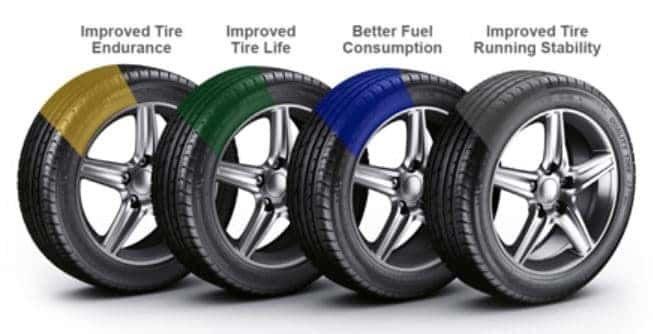
Tire pressure stays more consistent with nitrogen. Stable pressure improves fuel efficiency and tire life. Nitrogen reduces pressure loss caused by temperature changes. Less pressure variation means safer handling and better grip. Tires filled with nitrogen need less frequent inflation checks. This can save time and improve driving safety.
Advantages Of Nitrogen Tires
Using nitrogen in car tires offers several clear benefits. It helps maintain tire pressure longer and improves overall driving performance. Many drivers notice smoother rides and better control. Below are some important advantages of nitrogen tires.
Improved Tire Pressure Retention
Nitrogen molecules are larger than oxygen molecules. This size difference means nitrogen escapes from tires more slowly. Tires filled with nitrogen keep their pressure for a longer time. Proper tire pressure improves safety and comfort on the road.
Enhanced Fuel Efficiency
Correct tire pressure reduces rolling resistance. Lower resistance means the car uses less fuel. Maintaining tire pressure with nitrogen helps save money on gas. It also reduces harmful emissions from the vehicle.
Better Tire Longevity
Tires with stable pressure wear out more evenly. This extends the life of the tires. Nitrogen reduces the need for frequent refills and pressure checks. Drivers can enjoy longer-lasting tires and fewer replacements.
Reduced Oxidation And Moisture
Nitrogen is dry and does not contain moisture. Moisture inside tires can cause rust on rims and weaken tire material. Using nitrogen limits oxidation and corrosion inside the tire. This keeps tires safer and more durable over time.
Potential Drawbacks
Using nitrogen in car tires has some potential drawbacks. It is important to know these before choosing nitrogen over regular air. Understanding the limits helps make a better decision.
Cost Considerations
Nitrogen fills usually cost more than regular air. Many service centers charge extra for nitrogen. Over time, this cost can add up. Some drivers find it hard to justify the higher price.
Availability And Convenience
Not all gas stations offer nitrogen. Finding a place to refill nitrogen can be difficult. Regular air is available almost everywhere. This makes air more convenient for many drivers.
Realistic Expectations
Nitrogen does not solve all tire problems. It slows pressure loss but does not stop it completely. It does not fix leaks or tire damage. Regular tire care is still necessary for safety.
How To Fill Tires With Nitrogen
Filling tires with nitrogen is a simple process that can improve tire life and performance. Nitrogen helps maintain stable pressure longer than regular air. This section explains the tools needed and steps to fill your tires safely with nitrogen.
Required Equipment
You need a nitrogen tank or generator to provide nitrogen gas. A tire pressure gauge is essential to check tire pressure accurately. Also, use a valve core remover to release air from the tires before filling them with nitrogen. An air compressor may be needed to remove air fully. Protective gloves and safety glasses help during the process.
Step-by-step Process
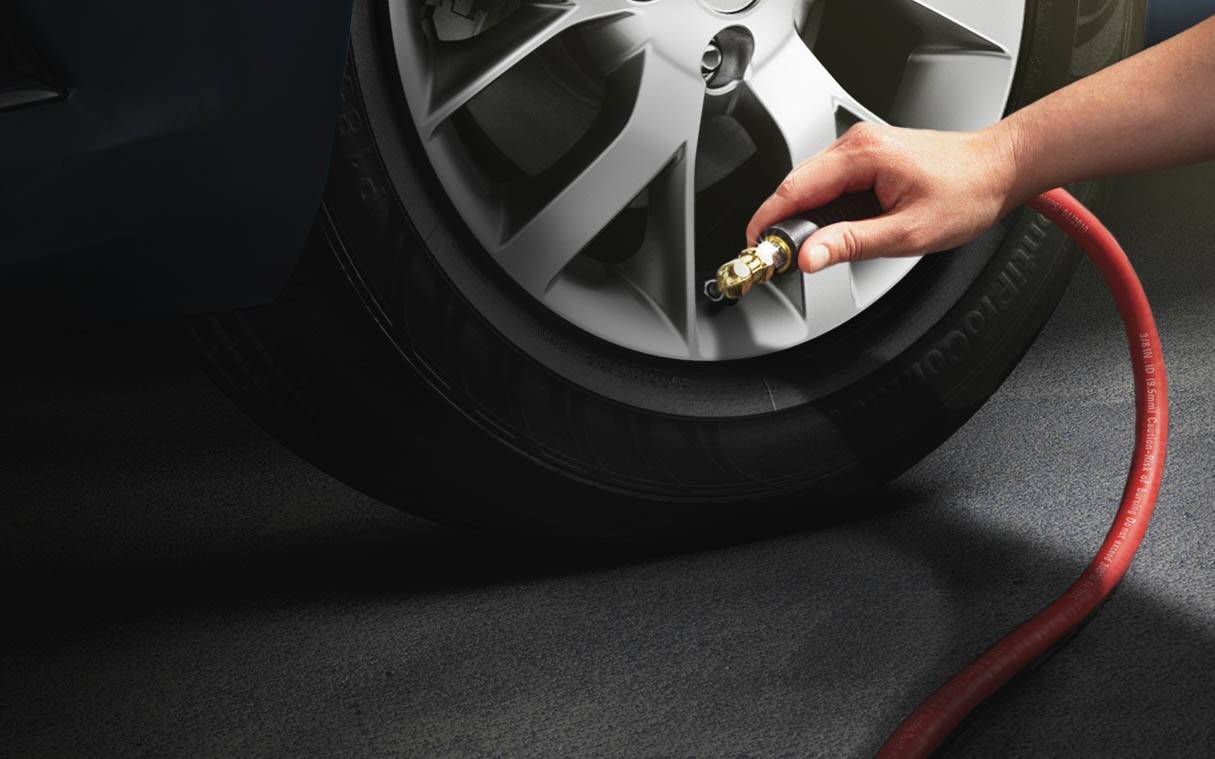
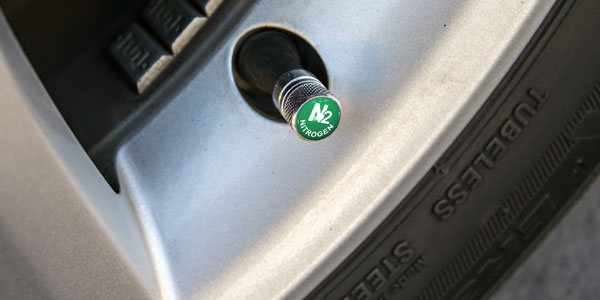
First, remove the valve cap from the tire. Use the valve core remover to let all air out. Check the tire pressure to confirm it is empty. Attach the nitrogen hose to the tire valve. Slowly fill the tire with nitrogen, watching the pressure gauge closely. Fill until the tire reaches the recommended pressure. Remove the hose and replace the valve cap securely.
Maintenance Tips
Check tire pressure regularly to keep it at the right level. Nitrogen leaks slowly, but some pressure loss can occur. Inspect tires for damage or punctures often. Refill nitrogen when pressure drops below recommended levels. Use a good tire pressure gauge for accurate readings. Keep valve caps on to prevent dirt from entering.
When To Choose Nitrogen Over Air
Choosing nitrogen over regular air for car tires depends on specific needs and conditions. Nitrogen offers benefits that air cannot always match. Understanding when to use nitrogen helps maintain tire health and improve performance. This section explains the best situations for nitrogen use.
Ideal Conditions And Uses
Nitrogen works best in stable environments. It keeps tire pressure steady in hot or cold weather. Racing cars often use nitrogen because it reduces pressure changes during fast driving. Long trips and heavy loads also benefit from nitrogen’s stability. It slows down tire wear and reduces moisture inside tires. This helps prevent rust on the wheel rims.
Vehicles That Benefit Most
High-performance and commercial vehicles gain the most from nitrogen. Sports cars need consistent tire pressure for better handling. Trucks and buses carry heavy loads that can cause air pressure to change. Nitrogen helps these vehicles keep safe tire pressure longer. Classic cars, stored for months, avoid tire damage with nitrogen. Everyday cars may not see as much difference but can still benefit in extreme weather.
Credit: www.guideautoweb.com
Credit: www.lesschwab.com
Frequently Asked Questions
Can You Put Nitrogen In Car Tires?
Yes, you can put nitrogen in car tires. It helps maintain tire pressure longer than regular air. Nitrogen reduces moisture and oxidation inside the tire, improving tire life and fuel efficiency.
What Are The Benefits Of Nitrogen In Tires?
Nitrogen keeps tire pressure more stable, improving safety and fuel economy. It reduces moisture, preventing tire corrosion. This leads to longer tire life and better performance in different weather conditions.
Is Nitrogen Better Than Regular Air For Tires?
Nitrogen is better for maintaining tire pressure over time. It contains less moisture, reducing tire wear and oxidation. However, regular air works fine for everyday driving with proper tire maintenance.
How Often Should You Refill Tires With Nitrogen?
Tires filled with nitrogen need refilling less often than those with air. Check tire pressure monthly and refill nitrogen if it drops below recommended levels to ensure optimal performance.
Conclusion
Nitrogen can be used in car tires, but it is not required. It helps keep tire pressure more stable over time. Regular air also works well if checked often. Filling tires with nitrogen may last longer between fills. Still, good tire care matters most for safety and fuel.
Check your tire pressure monthly to avoid problems. Choose what fits your needs and budget best. Simple habits keep your tires in good shape.