

Have you ever felt your car start to shake while driving and wondered what’s causing it? One common suspect might be your tires.
But do bad tires really make your car shake? If you’ve noticed that unsettling wobble or vibration, it’s important to understand how your tires affect your ride. You’ll discover the key reasons why worn or damaged tires can lead to shaking—and what you can do to fix it before it becomes a bigger problem.
Keep reading to find out how to keep your drive smooth and safe.
Credit: www.autotechiq.com
How Tires Affect Car Stability
Tires play a big role in how stable your car feels on the road. They are the only parts that touch the ground. Good tires keep your car steady and smooth. Bad tires can cause shaking and wobbling. Understanding how tires affect stability helps you drive safer.
Each part of the tire matters. From the tread to the pressure inside. Even small issues can make your car shake. Learn about the key tire factors that impact stability.
Tire Tread And Grip
The tire tread is the pattern on the surface. It helps the tire grip the road. Deep tread gives better traction on wet or slippery roads. Worn-out tread loses grip and causes slipping. Poor grip makes the car harder to control and can cause shaking.
Tire Wear And Damage
Uneven tire wear or damage leads to instability. Worn tires have less contact with the road. This weakens control and balance. Bulges or cuts in tires can cause vibrations. Damaged tires often cause the car to shake at high speeds.
Inflation And Pressure Issues
Proper tire pressure is crucial. Underinflated tires cause extra friction and heat. Overinflated tires reduce grip and comfort. Wrong pressure can make the car pull or shake. Check tire pressure regularly to keep the car steady.
Common Causes Of Car Shaking
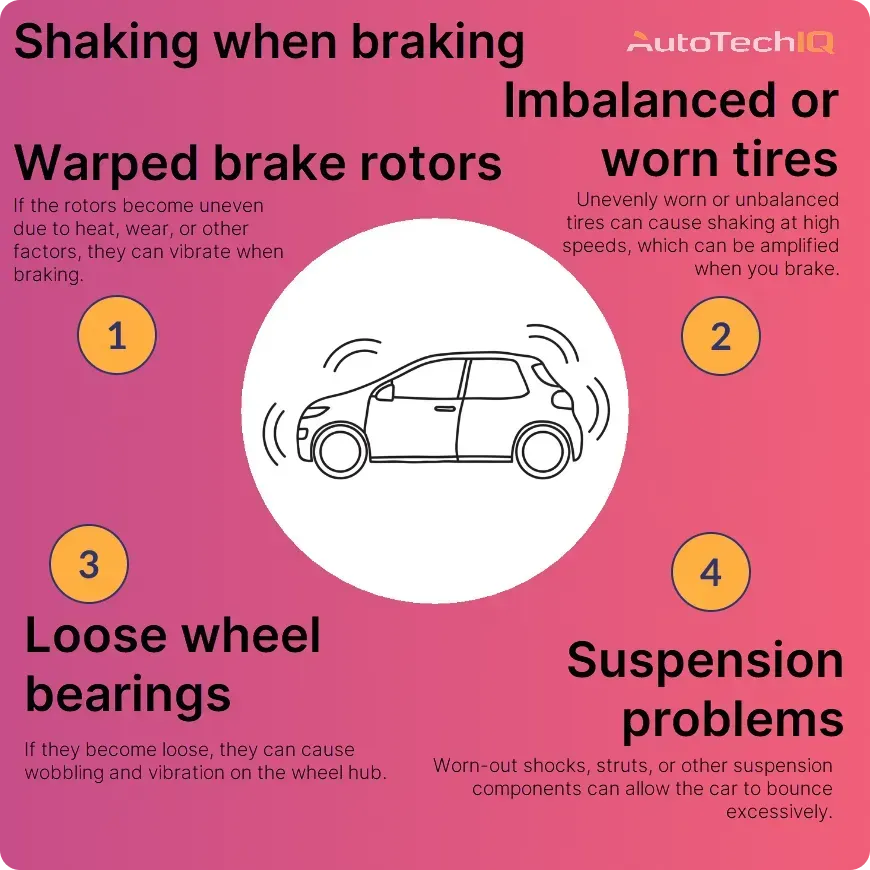
Car shaking is a common issue that many drivers face. It can feel uncomfortable and even unsafe. Understanding the causes helps you fix the problem quickly. Several reasons might make your car shake. Some relate directly to the tires and wheels. Others come from parts of the suspension system.
Imbalanced Tires
Tires need to be balanced for a smooth ride. Imbalanced tires spin unevenly. This causes vibration in the steering wheel or seat. It often happens after installing new tires. Balancing adds small weights to tires. This evens out the weight distribution. Without balance, shaking becomes noticeable at higher speeds.
Misaligned Wheels
Wheel alignment means adjusting the angles of the wheels. Poor alignment causes uneven tire wear. It also makes the car pull to one side. Misaligned wheels lead to shaking, especially at fast speeds. Driving over potholes or curbs can misalign wheels. Regular alignment checks prevent shaking and extend tire life.
Suspension Problems
The suspension system keeps the car stable. Worn or broken parts in the suspension cause shaking. Common issues include damaged shocks or struts. These parts absorb bumps and keep tires on the road. Faulty suspension parts make the car bounce or shake. Suspension repairs improve safety and comfort while driving.
Signs Of Bad Tires
Bad tires often cause your car to shake. Knowing the signs helps you act fast. Spotting tire issues keeps you safe on the road.
Uneven Tread Wear
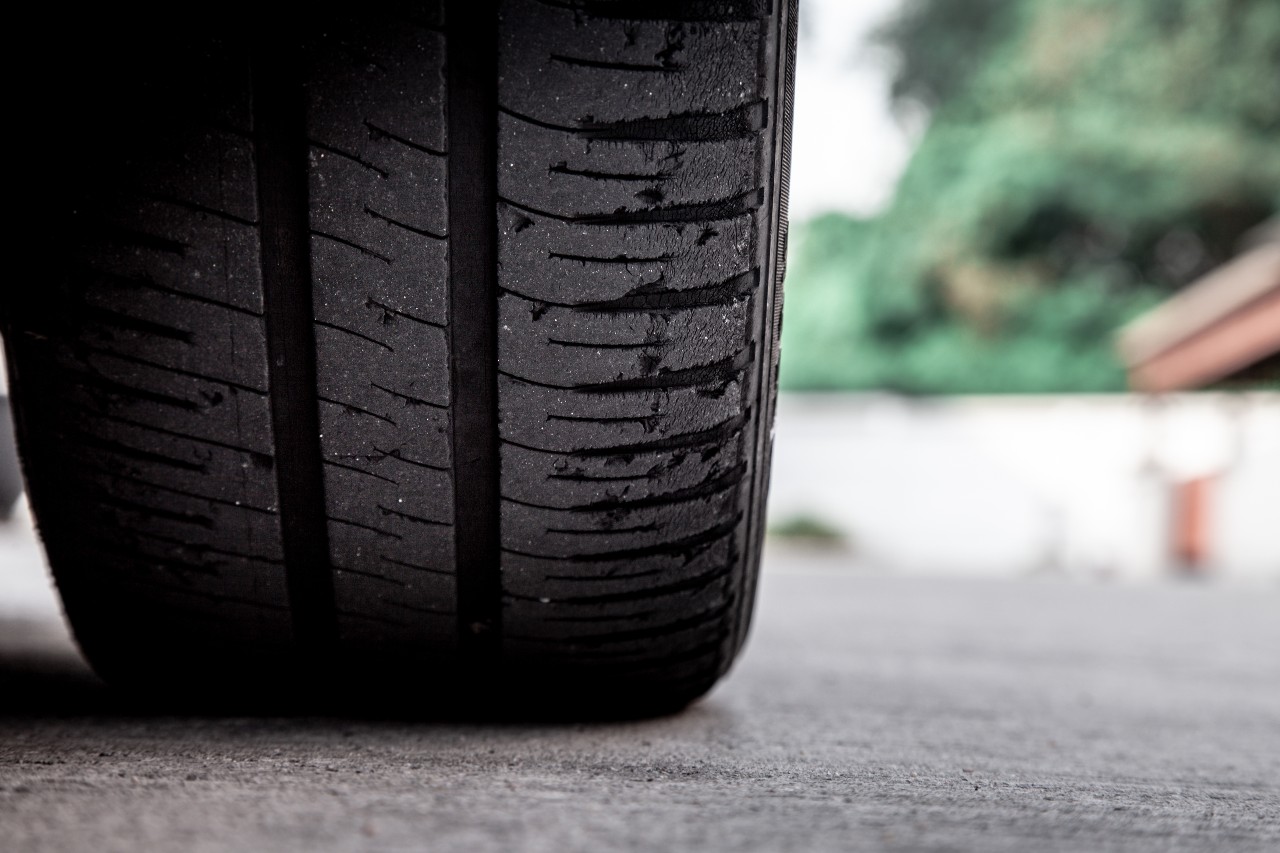
Tires wear down over time, but uneven wear is a warning. It shows parts of the tire wear faster than others. This can cause shaking and poor handling. Uneven tread wear may result from bad alignment or low tire pressure. Check your tires regularly for uneven spots.
Cracks And Bulges
Cracks in the tire sidewall are a danger sign. They happen from age, heat, or damage. Bulges also mean weak spots in the tire. These can cause sudden tire failure and shaking. Always inspect your tires for cracks or bulges before driving.
Frequent Air Pressure Loss
Tires losing air often is a big red flag. It can mean small punctures or valve problems. Low air pressure makes tires unstable and causes vibrations. Keep an eye on tire pressure and refill as needed. Frequent loss means it’s time to check the tire closely.

Credit: www.youtube.com
Impact Of Bad Tires On Driving
Bad tires affect your car’s driving in many serious ways. Worn or damaged tires cause the vehicle to shake and feel unstable. This shaking is more than just annoying; it signals bigger problems that impact safety and performance. Understanding how bad tires affect your car helps you make safer choices on the road.
Reduced Handling And Control
Bad tires reduce your car’s grip on the road. This makes steering less responsive and harder to manage. Slippery or uneven tires cause your car to slide, especially on wet or icy roads. You lose confidence in turns and quick stops become risky. Poor tire condition directly lowers your control over the vehicle.
Increased Risk Of Accidents
Tires in bad shape increase the chance of accidents. Shaking wheels can lead to loss of vehicle stability. This makes it harder to avoid obstacles or react fast to danger. Worn tires also raise the risk of blowouts, which can cause sudden crashes. Safe driving depends on having good tires with proper tread and pressure.
Decreased Fuel Efficiency
Bad tires make your car work harder and use more fuel. Uneven or underinflated tires increase rolling resistance. This means the engine needs more power to move the car forward. Over time, poor tires raise your fuel costs and harm the environment. Keeping tires in good shape helps save money and energy.
How To Check Your Tires
Checking your tires is important to keep your car safe and smooth. Bad tires can cause shaking, so you should inspect them often. Simple checks can help find problems early. Here are easy ways to check your tires.
Visual Inspection Tips
Look at your tires closely for any damage. Check for cracks, cuts, or bubbles on the sidewalls. Uneven wear or bald spots show the tire is worn out. Look for nails or sharp objects stuck in the tire. These signs mean the tire may need repair or replacement.
Using A Tread Depth Gauge
A tread depth gauge measures how deep the tire grooves are. Insert the gauge into the tread and read the number. Low tread depth means less grip and more risk of slipping. Replace tires if the tread is below 2/32 of an inch. Good tread helps your car drive smoothly and safely.
Monitoring Tire Pressure
Check your tire pressure with a gauge regularly. Proper pressure keeps the car stable and prevents shaking. Look for the recommended pressure on your car’s door frame or manual. Low or high pressure can cause uneven tire wear. Adjust the pressure to the correct level before driving.
Credit: www.matthewstire.com
When To Replace Tires
Knowing when to replace your tires is key to a smooth and safe drive. Tires wear down over time and can cause your car to shake. This shaking often signals it’s time to check your tires. Replacing tires at the right time keeps your car steady and safe on the road.
Tread Depth Limits
Tread depth shows how much life your tire has left. The legal limit is usually 2/32 of an inch. Use a tread depth gauge or a coin to check. Tires with shallow tread lose grip and can cause shaking.
Visible Damage Thresholds
Look for cuts, cracks, or bulges on your tires. Any visible damage can weaken the tire’s structure. Damaged tires can cause vibrations or shaking while driving. Replace tires immediately if you spot serious damage.
Manufacturer Recommendations
Tire makers suggest replacing tires after certain mileage or years. Usually, tires last between 6 to 10 years. Check your car’s manual or tire sidewall for specific advice. Following these tips keeps your ride smooth and safe.
Preventing Car Shakes From Tires
Car shakes can feel scary and unsafe. Tires often cause these shakes. Preventing shaking starts with good tire care. Simple steps keep your ride smooth and safe. Follow these easy tips to stop your car from shaking.
Regular Maintenance
Check your tires often for wear and damage. Look for cracks, bulges, or uneven tread. Keep tires inflated to the right pressure. Proper air pressure helps tires last longer. Replace tires before they become too worn. Regular checks prevent many tire problems that cause shaking.
Proper Tire Rotation
Tires wear differently depending on their position. Rotating tires moves them to new spots. This balances out the wear across all tires. Rotate tires every 5,000 to 7,000 miles. This helps tires wear evenly and last longer. Even wear reduces vibrations and shaking.
Balancing And Alignment
Unbalanced tires cause your car to shake. Balancing adds weights to fix uneven tire weight. Alignment adjusts the angle of your tires. Poor alignment wears tires unevenly and causes shakes. Check balance and alignment yearly or after hitting bumps. Proper balance and alignment keep your car smooth on the road.
Frequently Asked Questions
Can Bad Tires Cause Car Vibrations Or Shaking?
Yes, worn or damaged tires can cause your car to shake. Uneven tire wear or tire defects disrupt smooth rotation, leading to vibrations felt in the steering wheel or seat, especially at higher speeds.
How Do Bad Tires Affect Car Handling And Safety?
Bad tires reduce traction and stability, making handling unpredictable. This increases the risk of skidding or losing control, especially on wet or slippery roads, compromising overall driving safety.
What Tire Problems Commonly Cause A Car To Shake?
Common issues include uneven tire wear, tire imbalance, bulges, or punctures. These defects cause uneven rotation, leading to shaking or vibrations during driving.
Can Tire Pressure Impact Car Shaking?
Yes, incorrect tire pressure—either too high or too low—can cause uneven tire wear and imbalance. This leads to shaking and affects driving comfort and safety.
Conclusion
Bad tires can cause your car to shake while driving. Worn or damaged tires lose balance and grip. This leads to vibrations felt through the steering wheel or seat. Regular tire checks help spot problems early. Replacing old tires improves safety and comfort.
Keep your car steady by maintaining good tires. Don’t ignore shaking—it signals tire issues or other problems. Drive smooth and safe with proper tire care.