
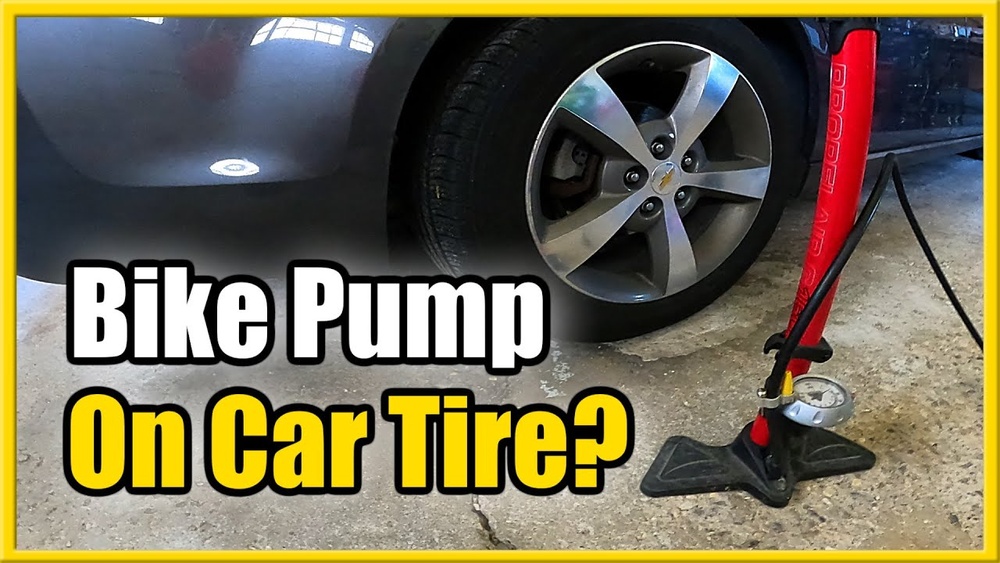
Have you ever found yourself with a flat car tire but no air compressor nearby? You might wonder, “Can you pump a car tire with a bike pump?” The answer isn’t as simple as yes or no.
Using a bike pump on your car tire could save you time and money, but there are some important things you need to know first. Keep reading, and you’ll discover exactly how to do it right—and when it’s better to look for other options.
Your next tire emergency might just become a little less stressful.

Credit: www.youtube.com
Bike Pump Basics
A bike pump is a simple tool used to fill tires with air. It pushes air inside the tire, making it firm and ready to roll. Understanding bike pump basics helps decide if it can fill a car tire too.
Bike pumps come in different types. Each type works a bit differently but aims to do the same job. Knowing these types helps choose the right pump for your needs.
Types Of Bike Pumps
There are three common types of bike pumps: floor pumps, hand pumps, and mini pumps. Floor pumps are large and stable, making pumping easier. Hand pumps are small and fit in a bag. Mini pumps are very small and light but need more effort.
Each pump type suits different situations. Floor pumps are best for home use. Hand and mini pumps are good for quick fixes on the go. The pump type affects how much air it can push and how fast.
How Bike Pumps Work
A bike pump uses a piston inside a cylinder to push air. Pulling the handle draws air into the cylinder. Pushing the handle forces air into the tire. This repeats until the tire reaches the right pressure.
The pump’s nozzle fits on the tire valve to prevent air leaks. Proper fitting is important for good air flow. Some pumps have gauges to show air pressure. This helps avoid over or under inflation.
Car Tire Air Requirements
Car tires need the right amount of air pressure to work well and stay safe. Too little air makes driving risky and can damage tires. Too much air makes the ride rough and can cause tire wear. Knowing the air requirements helps keep your car safe and saves money on repairs.
Checking tire pressure often is important. It keeps tires in good shape and helps your car use fuel better. Each car tire has a recommended pressure level and a specific valve type. Both affect how you pump air into the tire.
Recommended Pressure Levels
Car tires usually need air pressure between 30 and 35 PSI (pounds per square inch). The exact number depends on the car model and tire size. You can find this information on a sticker inside the driver’s door or in the owner’s manual. Keeping tires at the right pressure improves control and fuel efficiency.
Check pressure when tires are cold for the most accurate reading. Tires heat up while driving, which changes air pressure. Use a reliable pressure gauge to get the right measurement. Avoid guessing or inflating by feel alone.
Valve Types On Car Tires
Car tires mostly use Schrader valves. These valves are wider and have a pin in the center. They are easy to spot and work with most air pumps. Some cars or bikes use Presta valves, which are thinner and have a screw top. Presta valves are rare on car tires.
Knowing your valve type helps you choose the right pump or adapter. A bike pump may need an adapter to fit Schrader valves properly. Using the correct valve connection ensures no air leaks and makes pumping easier.
Using A Bike Pump For Car Tires
Using a bike pump for car tires is possible but needs care. Bike pumps are smaller and made for lower pressure tires. Car tires need higher pressure and more air volume. This difference matters when using a bike pump on a car tire.
The process can take longer and require more effort. Still, a bike pump can help in emergencies or when no other option exists. Knowing how to use it correctly keeps safety and tire health in check.
Compatibility Check
Check the valve type on your car tire first. Most cars use Schrader valves, like many bikes, but some bikes use Presta valves. Using the wrong pump head won’t fit well.
Look at the tire’s recommended pressure, usually on the sidewall. Car tires often need 30-35 PSI or more. Bike pumps may take longer to reach this pressure.
Ensure the pump can handle the pressure required. Some bike pumps show max PSI on their gauge. If the max pressure is less than car tire needs, pumping may not be effective.
Step-by-step Pumping Guide
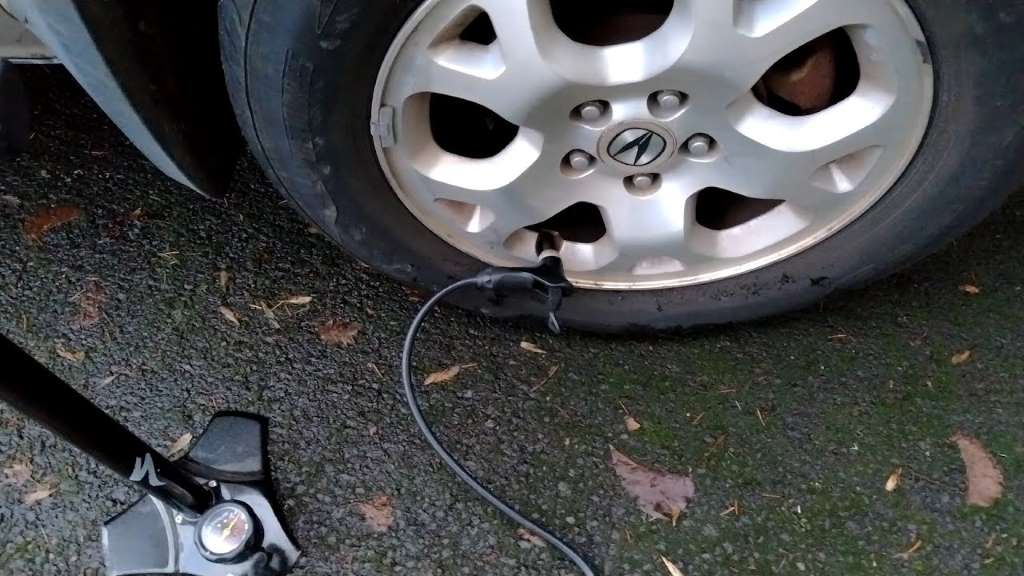
Remove the valve cap from the car tire valve. Attach the bike pump head firmly to the valve. Make sure it fits tight to avoid air leaks.
Start pumping slowly and steadily. Count your pumps and check the pressure gauge often. Stop to check pressure to avoid overinflating.
If the pump handle is hard to press, take breaks. Pumping car tires with a bike pump needs patience and effort.
Once the tire reaches the recommended pressure, remove the pump head carefully. Replace the valve cap tightly to keep air inside.

Credit: www.wikihow.com
Tips For Effective Pumping
Pumping a car tire with a bike pump can be tricky without the right approach. Small details make a big difference in how well the pump works. Simple tips help you pump faster and with less effort. Follow these steps to get better results.
Maintaining Proper Seal
A tight seal between the pump and valve is key. Check the valve type on your car tire first. Use the correct adapter if needed. Press the pump head firmly onto the valve stem. Avoid air leaks by holding the connection steady. A loose seal wastes effort and slows down pumping.
Pumping Techniques To Save Effort
Use smooth and steady strokes with the pump handle. Avoid fast, jerky movements that tire your arms quickly. Pump from the full extension to the bottom each time. Rest your hands briefly between strokes to avoid fatigue. Let the pump do the work instead of forcing it hard.
Limitations And Challenges
Pumping a car tire with a bike pump sounds simple but has clear limits. Bike pumps work best for smaller tires. Car tires need much more air and pressure. This difference creates several challenges. Understanding these limits helps avoid frustration and wasted effort.
Time And Effort Considerations
Using a bike pump for a car tire takes a long time. Bike pumps have smaller barrels. This means they push less air with each pump. You must pump many times to reach the right pressure.
The physical effort grows as tire pressure rises. Pumping becomes harder with every push. This makes the task tiring and slow. Many people find it uncomfortable to keep pumping for so long.
When A Bike Pump Isn’t Enough
Some car tires require pressures beyond what a bike pump can handle. Bike pumps may not fit car tire valves easily. This can cause leaks or poor air flow. In such cases, the pump will not fill the tire correctly.
For bigger tires or very low pressure, a bike pump may fail. Using an electric or air compressor is a better choice. These tools deliver higher pressure faster and with less effort.
Alternative Pump Options
Finding the right tool to inflate your car tire can be tricky. A bike pump might work, but it is slow and tiring. Alternative pump options are easier and faster. These tools fit better for car tires and save energy.
Portable Air Compressors
Portable air compressors are small and easy to carry. They plug into your car’s power outlet. This lets you pump up your tire quickly. Many models have automatic shut-off to avoid overinflation. They work well for regular car tires. You can also use them for other inflatables.
Foot Pumps And Their Use
Foot pumps use your leg strength to push air. They are simple and do not need power. Foot pumps have a larger chamber than bike pumps. This means faster inflation for car tires. They are light and easy to store in a car. Great for emergencies and places without electricity.
Credit: carfromjapan.com
Frequently Asked Questions
Can You Inflate A Car Tire With A Bike Pump?
Yes, you can inflate a car tire using a bike pump. However, it takes longer due to the larger tire volume. Ensure the pump’s pressure rating matches your car tire’s needs for safety and effectiveness.
What Type Of Bike Pump Suits Car Tires?
A high-pressure floor pump with a sturdy build suits car tires best. It provides better leverage and faster inflation than hand pumps. Check if the pump has a compatible valve adapter for car tires.
How Long Does It Take To Pump A Car Tire By Bike Pump?
Inflating a car tire with a bike pump can take 10 to 30 minutes. The time varies based on tire size, pump type, and user strength. Be patient and check pressure regularly for accurate inflation.
Is Using A Bike Pump Safe For Car Tires?
Using a bike pump is safe if done carefully and correctly. Avoid overinflating by monitoring the pressure gauge. Using an appropriate valve adapter ensures a secure connection and prevents damage.
Conclusion
A bike pump can fill a car tire but it takes time. Car tires need more air pressure than bike tires. Pumping slowly and steadily works best. Check the tire pressure often to avoid overfilling. A bike pump is handy for small emergencies.
For regular use, a proper car tire pump is better. Always keep your tires at the right pressure for safe driving. Simple tools can help, but use them carefully.