

Are you wondering if you can use EV tires on your regular car? It’s a question many drivers have but few know the answer to.
Choosing the right tires affects your safety, fuel efficiency, and driving comfort. Using the wrong ones could cost you more than you think. You’ll discover what makes EV tires different, whether they fit your everyday vehicle, and what you should consider before making a switch.
Keep reading to make sure your car gets the best tires for the road ahead.

Credit: www.youtube.com
Differences Between Ev Tires And Regular Tires
EV tires differ from regular tires in many important ways. These differences affect safety, performance, and tire life. Understanding these can help decide if EV tires suit a regular car.
Design And Material Variations
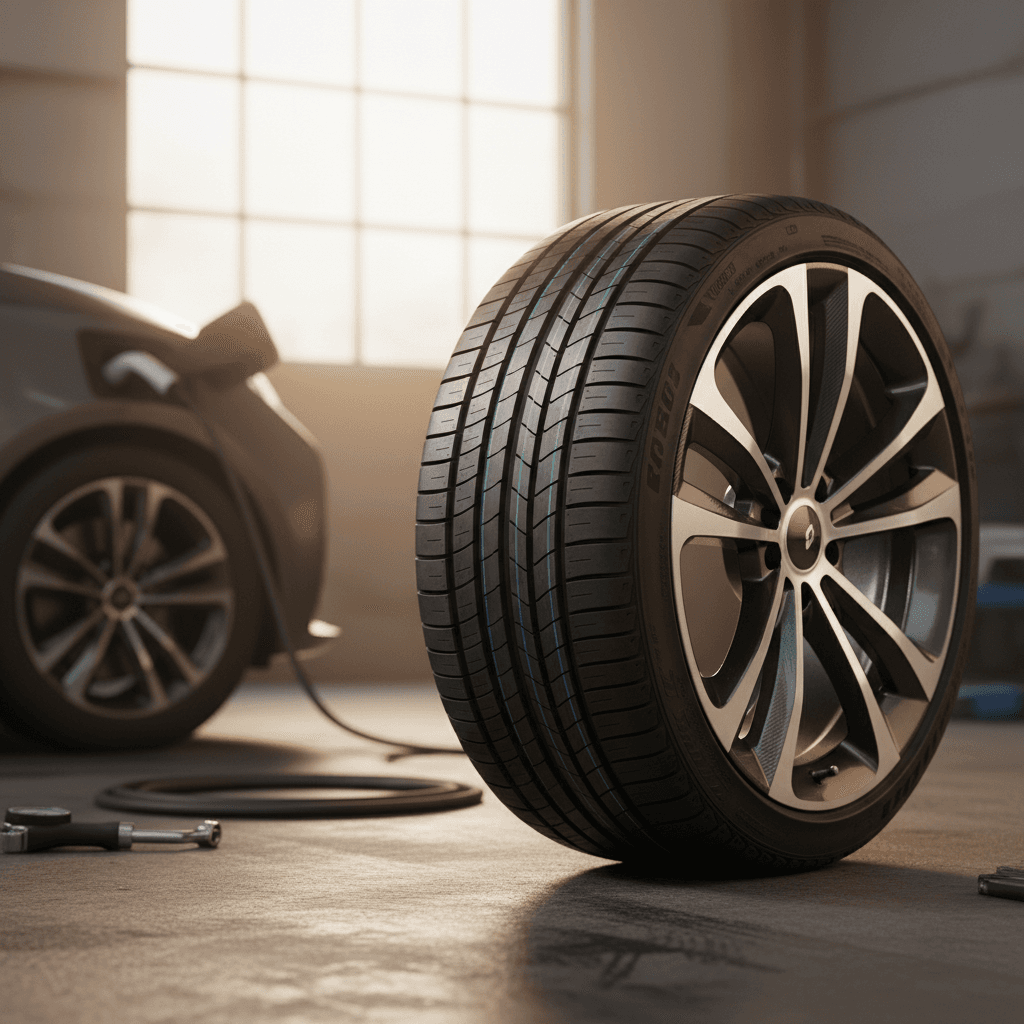
EV tires use special materials to handle extra weight from batteries. They often have stronger sidewalls for better support. Regular tires use materials that focus more on flexibility and comfort. This changes how each tire reacts on the road.
Performance And Durability
EV tires are built to reduce rolling resistance. This helps improve battery range and efficiency. They also wear slower under heavy loads. Regular tires focus on balanced wear and good grip. They may wear out faster under the same conditions.
Tread Patterns And Noise Levels
EV tires have unique tread patterns to lower road noise. Quiet rides are important since EVs lack engine sound. Regular tires have deeper tread for all-road grip. They can produce more noise, especially at high speeds.
Advantages Of Using Ev Tires On Regular Cars
EV tires are designed for electric vehicles but can also benefit regular cars. These tires focus on efficiency, safety, and performance. Using EV tires on regular cars offers several advantages that improve driving experience and save money. Below are key benefits to consider.
Improved Rolling Resistance
EV tires have low rolling resistance to help electric cars save battery power. This feature reduces the energy needed to move the car. Regular cars with EV tires use less fuel or energy. It means less wear on the engine and better mileage.
Enhanced Traction And Grip
EV tires provide better traction on wet and dry roads. Their special rubber compounds and tread patterns increase grip. This improves safety by reducing slipping risks. Regular cars get more control and stable handling with EV tires.
Potential Fuel Efficiency Benefits
EV tires can help regular cars use less fuel. Lower rolling resistance means the engine works easier. This leads to better fuel economy and fewer emissions. Drivers can save money on fuel and reduce their environmental impact.
Drawbacks Of Using Ev Tires On Regular Cars
Using EV tires on regular cars seems like a good idea. These tires are designed for electric vehicles with special features. But there are some drawbacks you should know before switching. EV tires may not fit well or work properly on regular cars. This can cause problems with safety and performance.
Compatibility Issues
EV tires are made for heavy electric cars with high torque. Regular cars are lighter and have different power needs. This difference can cause poor tire fit or handling issues. The tire pressure and size may not match the car’s design. This mismatch can lead to unsafe driving and uneven tire wear.
Wear And Tear Concerns
EV tires use special rubber compounds for quiet rides and long life. Regular cars may wear these tires faster because of different driving styles. The tires may also lose grip quicker on regular roads. Using EV tires on regular cars can lead to early tire damage and higher risks of punctures.
Cost Implications
EV tires usually cost more than regular tires. Buying them for a regular car might not be cost-effective. You may spend more on repairs and replacements. Regular tires fit better and last longer for non-electric cars. Choosing the right tire saves money and keeps driving safe.
Credit: recharged.com
Expert Tips For Choosing Tires For Regular Cars
Choosing the right tires for a regular car is important. It affects safety, comfort, and fuel efficiency. Tires designed for electric vehicles (EVs) may not always suit regular cars. Experts suggest focusing on specific needs of your car and driving habits.
Understanding these tips helps you pick tires that match your vehicle well. This guide breaks down key points to consider before buying new tires.
Assessing Vehicle Requirements
Check your car’s manual for tire size and load capacity. Use tires that fit the manufacturer’s recommendations. The wrong size can harm handling and safety. Weight limits matter too. Tires must support your car’s weight without stress.
Considering Driving Conditions
Think about roads you drive on daily. Are they smooth highways or rough streets? Choose tires with tread patterns that suit these surfaces. Weather is important. Select tires that perform well in rain, snow, or heat. This keeps your drive safe and smooth.
Consulting Tire Professionals
Experts have experience with many tire types and brands. Visit a tire shop for advice tailored to your car. Professionals can recommend tires that balance cost and performance. They also help with installation and maintenance tips.
Maintenance Tips For Ev And Regular Tires
Maintaining tires for both electric vehicles (EVs) and regular cars requires simple care steps. Proper tire care ensures safety, better performance, and longer tire life. The tips below help keep your tires in good shape.
Proper Inflation Practices
Check tire pressure often. Both EV and regular tires need the right air pressure. Too low or too high pressure causes uneven wear. Use a reliable gauge to measure pressure. Follow the vehicle’s recommended pressure levels. Proper inflation improves fuel efficiency and tire grip.
Regular Rotation And Alignment
Rotate tires every 5,000 to 7,000 miles. Rotating tires helps even out wear. Different positions wear tires differently. Alignment keeps tires straight and prevents uneven wear. Misaligned wheels affect handling and safety. Regular checks save money on early tire replacement.
Monitoring Tire Wear
Look for tread depth changes. Worn-out tires reduce traction and increase accident risk. Use a tread depth gauge or the penny test. Check for cracks, bulges, or cuts on tires. Uneven wear may signal suspension or alignment issues. Replace tires before they become unsafe.

Credit: www.discountedwheelwarehouse.com
Frequently Asked Questions
Can Ev Tires Be Used On Regular Cars Safely?
EV tires are designed for electric vehicles’ weight and torque. Using them on regular cars is possible but may affect performance and wear patterns. Always check tire specifications and compatibility before switching.
What Makes Ev Tires Different From Regular Tires?
EV tires have reinforced sidewalls, lower rolling resistance, and special tread patterns. They support heavier weight and improve efficiency. These features differ from regular tires, impacting durability and ride comfort.
Will Ev Tires Improve Fuel Efficiency In Regular Cars?
EV tires can enhance fuel efficiency due to low rolling resistance. However, gains may be minimal on regular cars. Proper tire matching and maintenance remain crucial for optimal fuel economy.
Are Ev Tires More Expensive Than Regular Tires?
Yes, EV tires generally cost more because of advanced materials and technology. Their durability and energy-saving features justify the price for electric vehicle owners.
Conclusion
Using EV tires on a regular car is not always the best choice. EV tires have special features made for electric cars. They focus on low rolling resistance and quiet rides. Regular cars may not get the same benefits from these tires.
Also, the wear and performance could differ. It is smart to check your car’s needs before changing tires. Choose tires designed for your vehicle type. This keeps your drive safe and smooth. Always think about tire type and car compatibility.
That helps you avoid problems on the road.