
Are you thinking about buying a used car but wondering if it will come with a spare tire? This is a question many buyers ask but don’t always get a clear answer to.
Having a spare tire can save you from a lot of trouble on the road. Imagine facing a flat tire and not having a backup ready. Wouldn’t you want to know exactly what to expect before making your purchase? You’ll discover the truth about spare tires in used cars and learn how to avoid surprises after you buy.
Keep reading to protect yourself and your journey ahead.
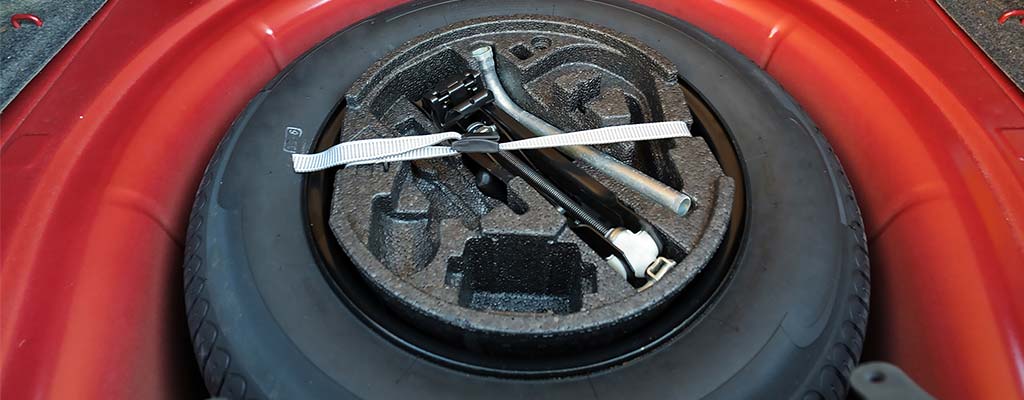
Credit: www.lesschwab.com
Spare Tires In New Vs. Used Cars
Spare tires can vary greatly between new and used cars. Knowing the differences helps you prepare for emergencies on the road. Car manufacturers have changed spare tire policies over the years. These changes affect what you find in new versus used vehicles.
Standard Spare Tire Types
Most cars come with one of three types of spare tires. Full-size spares match the regular tires in size and performance. Space-saver spares are smaller and lighter, designed for short-term use. Temporary or donut spares are very small and meant only for emergency drives. Used cars might have any of these spares or none at all. Sometimes the spare is missing or replaced by a repair kit.
Changes Over Model Years
Older cars often include a full-size spare tire as standard. Newer models sometimes skip the spare to save weight and space. Instead, manufacturers add tire repair kits or run-flat tires. Run-flat tires can keep going after a puncture for a limited distance. Some used cars may have these newer features instead of a spare. Always check what type of spare or repair option your used car offers.
What To Expect With Used Cars
Buying a used car means knowing what to expect about spare tires. Not all used cars come with a spare tire. It depends on who sells the car and how they prepare it. Some cars have a full-size spare, some have a smaller temporary one, and some have none at all. This part is important to check before you buy. It can save you from trouble later on the road.
Spare tires are a safety feature. They help if you get a flat tire. Knowing the usual practices of dealers and private sellers helps you plan better. You will understand what kind of spare tire, if any, comes with the used car.
Dealer Practices On Spare Tires
Dealers often follow set rules about spare tires. Many dealers include a spare tire with the used car. Some use smaller, space-saving spares instead of full-size tires. Dealers may also replace old or worn spare tires before selling. They want to make the car look ready for the buyer. Some dealers even sell cars without spare tires if the model has run-flat tires or a tire repair kit.
Private Seller Trends
Private sellers vary more in spare tire offerings. Some include a spare tire if they still have it. Others may have lost or sold the spare tire separately. Many private sellers do not replace old or damaged spares. Often, private sellers do not mention the spare tire in the sale. Buyers must ask directly to know if a spare tire is included.
Types Of Spare Tires Found In Used Cars
Used cars may come with different types of spare tires. Knowing these types helps you understand what to expect. Some cars have full-size spares, while others carry smaller or special tires. Some used cars do not have any spare tire at all. Each type has its own features and benefits.
Full-size Spares
Full-size spares are the same size as regular tires. They offer the best safety and performance. You can drive on them for long distances without worry. These spares are heavier and take more space in the trunk. Many older and larger used cars come with full-size spares.
Compact Spares
Compact spares, also called “donuts,” are smaller than regular tires. They save space and weight in the car. These spares are meant for short distances only. They limit your speed and should be replaced quickly. Compact spares are common in modern used cars to save fuel and space.
Run-flat Tires
Run-flat tires let you drive even after a puncture. They have reinforced sidewalls to support the car’s weight. Some used cars come with these tires instead of a spare. You can drive about 50 miles at low speed after a puncture. Run-flat tires remove the need for a spare tire.
No Spare Options
Some used cars come without any spare tire. These vehicles rely on tire repair kits or sealants. This option saves space and reduces car weight. It may cause inconvenience if a tire fails far from help. Check the car’s equipment before buying if a spare is important to you.

Credit: www.drivelineca.com
Checking Spare Tire Condition
Checking the condition of a spare tire is crucial for safety. Many used cars come with a spare, but its state can vary. A worn or damaged spare tire can fail when needed most. Always inspect the spare before buying or using it. Focus on key areas like tread, air pressure, and signs of damage.
Tread And Air Pressure
Check the tread depth on the spare tire. Tread wears down over time, reducing grip on the road. A shallow tread increases the risk of slipping, especially on wet surfaces. Use a tread depth gauge or a coin for a quick check.
Next, measure the air pressure. Spare tires often lose air when unused. Low pressure can cause poor handling or blowouts. Inflate the tire to the manufacturer’s recommended pressure. Keep a portable air pump handy for regular checks.
Expiration And Damage Signs
Tires have an expiration date, usually around six years from manufacture. Rubber degrades over time, even if the tire looks fine. Look for the date code on the tire sidewall to find the age.
Inspect for cracks, bulges, or cuts. These signs mean the tire is unsafe. Also, check the valve stem for leaks or damage. Replace the spare if you find any serious issues to avoid risks on the road.
Alternatives To Spare Tires
Many used cars do not come with spare tires. This can be a concern for drivers who worry about getting a flat tire. Fortunately, there are simple alternatives to carrying a full spare tire. These options help you manage tire problems quickly and safely.
Tire Repair Kits
Tire repair kits are small and easy to store. They include tools and sealant to fix minor punctures. You can use them to patch a hole without removing the tire. These kits work well for small nails or screws in the tread. They are a quick fix that lets you drive to a repair shop.
Roadside Assistance Plans
Roadside assistance plans offer help if your tire goes flat. You can call a service to come and change your tire. Some plans cover towing if the damage is too severe. This option gives peace of mind without carrying extra tools. Many drivers choose this for safety and convenience.
Tips For Buyers On Spare Tires
Buying a used car means checking many details carefully. One important part is the spare tire. Some used cars come with spare tires, but others do not. Knowing how to check and ask about spare tires helps you avoid surprises later. These tips guide you to make a smart choice and feel confident in your purchase.
Inspecting Before Purchase
Always look under the car or inside the trunk for a spare tire. Check if the tire is full and not flat. Look at the tire’s age and condition. Old or damaged tires may not help in an emergency. Also, check if the car has tools like a jack and wrench. These tools are needed to change a tire safely.
Negotiating Spare Tire Inclusion
If the car does not have a spare tire, ask the seller to include one. Sometimes sellers agree to add a spare tire or lower the price. Mentioning the lack of a spare tire can help you get a better deal. Remember, a spare tire is a small but important part of car safety.
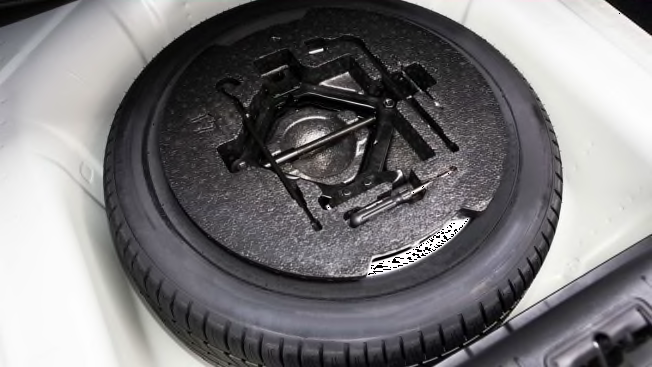
Credit: www.consumerreports.org
Frequently Asked Questions
Do Used Cars Usually Include Spare Tires?
Most used cars come with a spare tire, but it’s not guaranteed. Always check with the seller before buying to confirm.
Are Spare Tires In Used Cars Full-sized Or Temporary?
Spare tires in used cars are often temporary “donut” spares. Full-sized spares may be included but are less common.
Should I Inspect The Spare Tire In A Used Car?
Yes, inspect the spare tire for proper inflation and tread depth. A faulty spare tire won’t help in emergencies.
Can I Negotiate Price If A Used Car Lacks A Spare Tire?
Yes, you can negotiate the price if the used car lacks a spare tire. Missing spares may lower the car’s value.
Conclusion
Used cars may or may not have spare tires included. Always ask the seller before buying. Some cars come with a full-size spare, others with a smaller one. Some may not have a spare tire at all. It depends on the car model and year.
Carrying a spare tire helps in case of emergencies. Check the spare tire’s condition if present. Being prepared can save time and trouble on the road. Don’t forget to check your car’s manual for details. Stay safe and ready for any unexpected flat tires.