
Are you planning to drive a rental car in Canada during the cold months? One important question you might have is whether rental cars come equipped with winter tires.
Driving in snowy or icy conditions can be risky without the right tires. Knowing if your rental car has winter tires can keep you safe and save you from unexpected trouble on the road. Keep reading to find out what you need to know before hitting Canadian winter roads.
Credit: www.cbc.ca
Winter Tire Laws In Canada
Winter tire laws in Canada vary by province. These laws help keep roads safer in snowy and icy conditions. Rental cars often follow these rules to protect drivers and passengers. Understanding these laws can help you know what to expect when renting a car in Canada during winter.
Provincial Tire Requirements
Each Canadian province has its own rules about winter tires. Some provinces require all vehicles to use winter tires in cold months. Others suggest but do not require them. Rental car companies must follow these provincial laws. They fit their cars with the right tires based on where you will drive.
Seasonal Tire Mandates
Many provinces set specific dates for winter tire use. For example, tires may be required from October to April. This period covers the coldest months with the most snow and ice. Rental cars are often equipped with winter tires during these months. This helps prevent accidents and improves control on slippery roads.
Credit: www.autoeurope.com
Rental Car Policies On Winter Tires
Rental car policies on winter tires vary across Canada. Winter tires improve safety on icy roads. Some rental companies include them automatically. Others offer them only in certain areas or seasons. Knowing these policies helps you plan your trip better. You avoid surprises during your car rental process.
Major Rental Companies’ Practices
Most big rental companies provide winter tires in cold regions. Companies like Enterprise, Hertz, and Avis often equip cars with winter tires. They do this during winter months or in provinces with strict tire laws. Some require customers to ask for winter tires in advance. Others include them as a standard feature. Prices may change based on tire type or location.
Regional Differences In Policies
Policies depend on the province or territory. Quebec enforces winter tire use from December to March. Rental cars there must have winter tires by law. Other regions, like British Columbia and Alberta, recommend but do not require them. Some companies only supply winter tires in these places during snowy months. In milder areas, rental cars usually have all-season tires instead.
Benefits Of Winter Tires
Winter tires offer many benefits for driving in cold weather. They help cars handle snow, ice, and cold roads better. Using winter tires can make driving safer and easier during the winter months. This is important for rental cars in Canada, where winter conditions are common.
Improved Safety On Snow And Ice
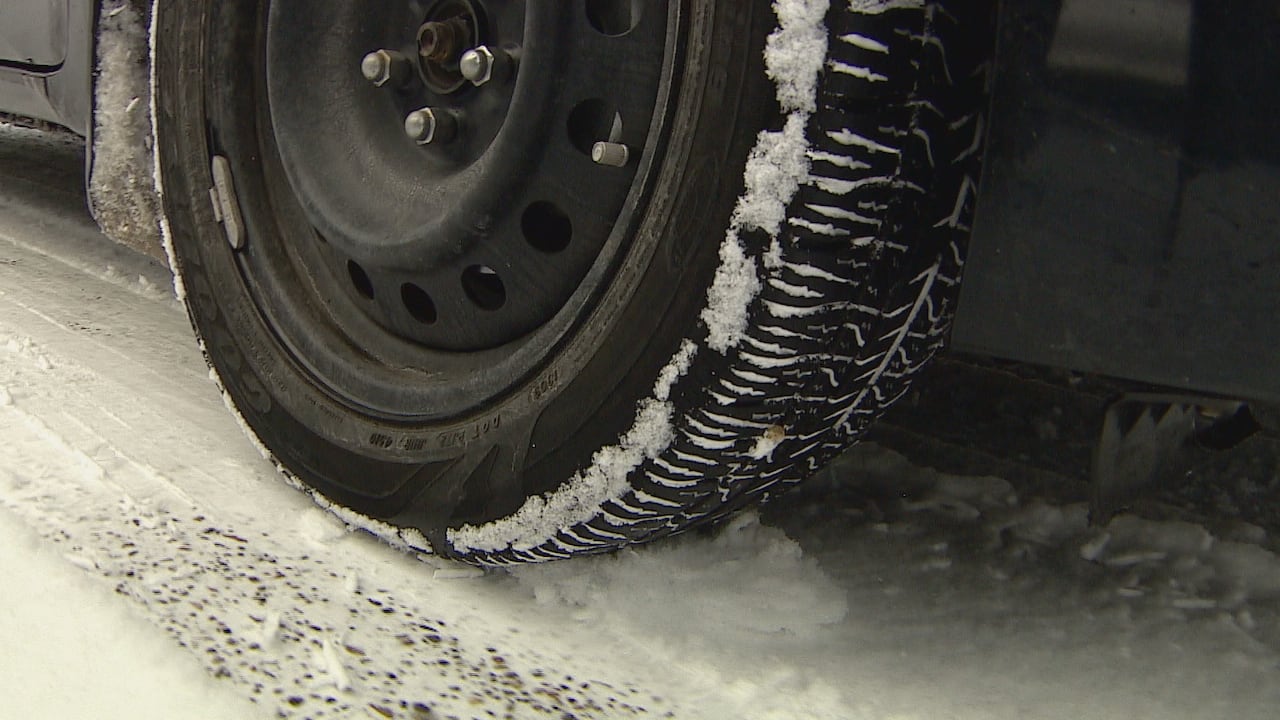
Winter tires have special rubber that stays soft in cold weather. This helps the tires grip the road better on snow and ice. The tread patterns on winter tires are deeper and designed to clear snow. This reduces the chance of slipping and sliding. Drivers feel more control and confidence on winter roads.
Enhanced Vehicle Performance
Winter tires improve how a car starts, stops, and turns on winter roads. They shorten braking distances on ice and snow. Cars with winter tires handle turns more smoothly. This means safer driving and less risk of accidents. Winter tires also protect the car’s parts by reducing strain in tough conditions.
How To Request Winter Tires For Rentals
Requesting winter tires for your rental car in Canada is important for safe driving in cold months. Many rental companies offer winter tires, but you must ask for them. Knowing how to request these tires helps you prepare for snowy roads and icy conditions.
Start by checking the rental company’s website or calling their customer service. Mention your travel dates and the need for winter tires. Early requests increase the chance of getting the right tires for your trip.
Booking Tips
Book your rental car well before your travel date. Specify winter tires in your reservation notes. Use clear, simple language to avoid confusion. Confirm the tire type when you pick up the car. Some companies list winter tires as “snow tires” or “all-season with snow rating.”
Additional Costs And Fees
Expect extra charges for winter tires on rental cars. Fees vary by company and location. Ask about these costs during booking to avoid surprises. Some rentals include winter tires in the price during winter months. Confirm if the fee covers installation and removal of tires.
Alternatives To Winter Tires
Winter tires are not always standard on rental cars in Canada. Drivers may need other options for safe travel on snowy roads. Alternatives to winter tires can help improve grip and control. These choices vary in cost, ease of use, and effectiveness.
All-season Tires
All-season tires suit many weather conditions. They work well on dry and wet roads. They offer moderate performance on light snow. They do not perform as well as winter tires in deep snow or ice. Rental cars often come with all-season tires. They provide a safe option for mild winter driving.
Snow Chains And Other Traction Devices
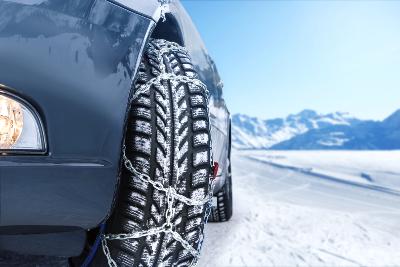
Snow chains increase traction on ice and deep snow. They wrap around tires to improve grip. Chains require careful installation and removal. Some areas in Canada require chains by law in winter. Other devices include tire socks and studded tires. These options help drivers stay safe in tough winter conditions.

Credit: www.lowestrates.ca
Travel Tips For Winter Driving In Canada
Driving in Canada during winter needs extra care. Snow and ice make roads slippery. Cold weather affects car performance. Safe travel depends on good preparation and smart driving. Follow these tips to stay safe on winter roads.
Preparing Your Rental Car
Check if your rental car has winter tires. Many rental companies provide them in cold regions. Winter tires improve grip on snow and ice. Confirm this before you book the car. Carry an emergency kit with warm clothes, flashlight, and snacks. Make sure windshield wipers and defrosters work well. Keep the fuel tank at least half full to avoid freezing.
Driving Techniques For Winter Roads
Drive slowly and keep a safe distance from other vehicles. Avoid sudden braking or sharp turns to prevent skidding. Use low gears when driving downhill. If the car starts to slide, steer gently in the slide’s direction. Use brakes carefully; pump them lightly if no anti-lock brakes. Stay alert and watch for black ice, especially on bridges and shaded areas.
Frequently Asked Questions
Do Rental Cars In Canada Come With Winter Tires?
Many rental cars in Canada include winter tires during cold months. This depends on the rental company and location. It ensures safety and better traction on snowy roads.
Are Winter Tires Mandatory On Canadian Rental Cars?
Winter tires are mandatory in some Canadian provinces during winter. Rental companies usually comply with local laws. Always check the rental agreement for tire policies.
Can I Request Winter Tires For My Rental Car?
Yes, you can request winter tires when booking. Some companies offer this option for an extra fee. It’s advisable during winter for safer driving.
How Do Winter Tires Improve Rental Car Safety In Canada?
Winter tires provide better grip on snow and ice. They reduce braking distance and improve control. This enhances overall driving safety in harsh Canadian winters.
Conclusion
Rental cars in Canada often have winter tires during cold months. This helps keep drivers safe on icy roads. Not all rental companies include winter tires, so check before booking. Driving with the right tires can prevent accidents and improve control.
Staying informed about tire policies helps plan your trip better. Winter tires make a big difference in snowy conditions. Always ask the rental company about their tire options. Safe travels start with good preparation and the right equipment.