

Are you wondering if your AWD car really needs all four tires replaced at the same time? It’s a common question that can save you money and keep your vehicle running smoothly.
The truth might surprise you, and knowing the right answer can protect your car’s performance and safety. Keep reading to discover what you should do when it’s time to change your tires—and why getting it wrong could cost you more than just money.

Credit: www.lesschwab.com
Awd Tire Replacement Basics
AWD tire replacement basics help keep your vehicle safe and working well. AWD stands for all-wheel drive. It sends power to all four wheels. This system needs tires that work well together. Replacing tires on AWD cars is not the same as regular cars. Understanding how AWD works and why tire matching is important can save you money and prevent damage.
How Awd Systems Work
AWD systems send power to all four wheels. They adjust power based on road conditions. This helps improve traction and control. The system relies on tires spinning at similar speeds. Different tire sizes or wear levels can cause problems. The AWD system may work harder to compensate. This can lead to faster wear or damage to parts.
Tire Wear And Awd Performance
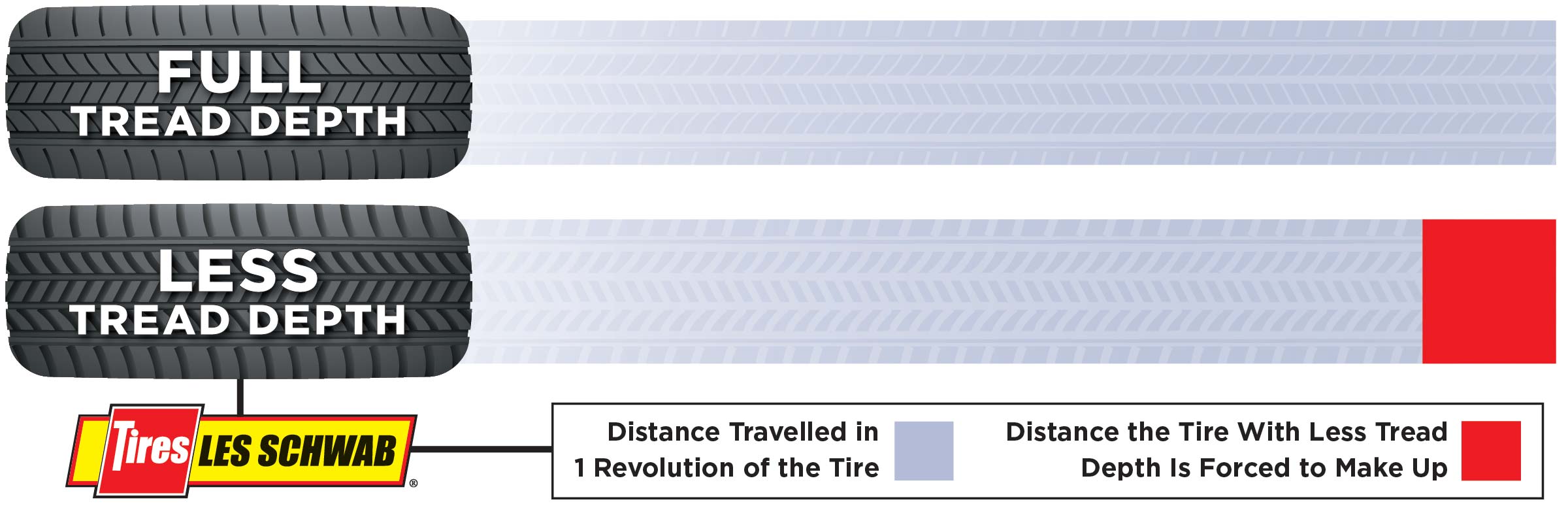
Tire wear affects how well AWD works. Uneven tire wear changes the tire’s diameter. This causes different wheel speeds. The AWD system tries to fix this by using extra power. Over time, this stresses the drivetrain. Worn tires reduce grip and safety. Replacing tires on AWD cars should consider wear levels carefully.
Why Matching Tires Matters
Matching tires means using tires with the same size and tread depth. This keeps wheel speeds uniform. It helps the AWD system work smoothly. Different tire sizes can trigger warning lights. It may cause costly damage to the drivetrain. Using all four tires with similar wear protects your car. It also improves handling and safety on all roads.
When To Replace All Four Tires
Knowing when to replace all four tires on an AWD car helps protect your vehicle. AWD systems rely on all tires working equally. Uneven or mismatched tires can harm the drivetrain. Replacing all four tires ensures balance and safety. The following points explain key signs and rules for replacement.
Signs Of Uneven Tire Wear
Uneven tire wear shows as different tread depths on tires. Check tires regularly for bald spots or thin areas. Uneven wear causes poor handling and reduces grip on roads. AWD vehicles need even tire wear to avoid strain on the system. If one tire wears faster, consider replacing all four tires.
Impact Of Different Tread Depths
Tires with different tread depths affect AWD performance. The system tries to balance traction but struggles with mismatched tires. This mismatch can cause the AWD system to work harder and wear out faster. To keep the AWD system healthy, all four tires should have similar tread depth. Replacing all tires at once avoids this issue.
Manufacturer Recommendations
Car makers suggest replacing all four tires together on AWD models. They warn that uneven tires can damage the AWD drivetrain. Many manufacturers set a tread depth difference limit between tires. Check your vehicle’s manual for specific advice. Following these guidelines keeps your AWD system running smoothly.
Replacing Tires On Awd Cars
Replacing tires on AWD cars requires special care. AWD systems send power to all four wheels. This means tire wear affects the entire drivetrain. Uneven tire wear can cause damage to the AWD system. Replacing all four tires is often recommended. This keeps the wheels spinning at the same speed. It helps avoid costly repairs and maintain safety.
Choosing the right tires and proper maintenance also extend tire life. Let’s explore key points for AWD tire care.
Choosing The Right Tires
Select tires made for AWD vehicles. They offer better grip and handling. Match the tire size to the manufacturer’s specs. Use tires with similar tread patterns. This keeps traction balanced on all wheels. Avoid mixing different brands or types on the same car.
Importance Of Tire Rotation
Rotate tires regularly to balance wear. This helps all tires wear evenly. Uneven wear can cause poor handling. It may also lead to premature tire replacement. Follow the rotation schedule in the vehicle manual. This simple step protects the AWD system.
Balancing And Alignment Tips
Keep tires balanced to avoid vibration. Poor balance causes uneven tread wear. Alignment ensures tires point in the right direction. Misalignment leads to rapid tire damage. Check alignment and balance after tire changes. This improves ride quality and tire lifespan.

Credit: www.shadetreeautomotive.net
Maintaining Awd Tires For Longevity
Maintaining AWD tires is key to keeping your vehicle safe and efficient. Tires wear out faster if not cared for properly. Good maintenance helps tires last longer and keeps the AWD system working well. Small habits can make a big difference in tire life.
Regular Tire Inspections
Check your tires often for cuts, cracks, or uneven wear. Uneven wear can mean a problem with alignment or suspension. Look for objects stuck in the tread. Early detection avoids bigger issues and costly repairs. Inspecting tires every two weeks is a smart routine.
Proper Inflation Practices
Keep tires inflated to the recommended pressure. Underinflated tires wear out faster and use more fuel. Overinflated tires can cause poor traction and uneven wear. Use a tire gauge to check pressure monthly. Adjust pressure when tires are cold for best results.
Driving Habits That Affect Tires
Avoid sudden stops and sharp turns. These actions cause quick tire wear. Drive smoothly and keep steady speeds on roads. Rough roads and potholes damage tires and rims. Slow down on bad roads to protect tires and suspension parts.
Cost Considerations And Alternatives
Cost plays a big role in deciding how to replace tires on an AWD car. Replacing all four tires can be expensive. Many drivers want to save money and wonder if they can replace just two tires instead. There are also other options to consider, like tire spacers or shims.
Understanding these choices helps make a better decision that fits your budget and keeps the car safe.
Replacing Two Vs. Four Tires
Replacing two tires instead of four can lower costs a lot. But AWD systems need tires with the same size and tread depth. Different tire sizes can cause damage to the drivetrain. Some car makers allow two tires replacement if the new tires match the old ones closely. Always check the car manual or ask a dealer before replacing just two tires.
Using Tire Spacers Or Shims
Tire spacers or shims help match the height difference between new and old tires. They can protect the AWD system from damage. These devices fill the gap caused by uneven tire wear. Using spacers or shims can extend the life of old tires. Still, this is a temporary fix, not a permanent solution.
When To Consult A Professional
Experts know the best way to replace tires on AWD cars. They measure tread depth and check tire wear carefully. Professionals can recommend if two tires will work or if four are needed. They also install spacers or shims correctly. Consulting a professional avoids costly repairs later. It ensures the car stays safe and runs well.
Credit: www.lesschwab.com
Frequently Asked Questions
Do Awd Cars Require All Four Tires Replaced Together?
Yes, AWD cars typically need all four tires replaced at once. Uneven tire wear can damage the drivetrain. Matching tire tread depth ensures proper traction and system performance.
Can I Replace Only Two Tires On An Awd Vehicle?
Replacing only two tires on an AWD is not recommended. It can cause uneven tire rotation, leading to mechanical issues. Always replace all four tires or consult a professional.
How Does Tire Wear Affect Awd System Performance?
Uneven tire wear disrupts the AWD system’s balance. It can cause increased wear on components and reduce traction. Regular tire maintenance helps maintain optimal AWD function.
What Happens If Awd Tires Have Different Tread Depths?
Different tread depths confuse the AWD system sensors. This results in poor handling, increased wear, and potential drivetrain damage. Uniform tread depth is essential for safety and performance.
Conclusion
AWD cars need all four tires in good condition for safety. Uneven tires can cause handling problems and wear out the system. Replacing only two tires may lead to costly repairs later. Always check tire tread and wear regularly. Matching tires keeps your car stable on all roads.
Taking care of all tires helps your AWD perform well. It’s a smart step to replace all four tires together. Your car and your safety will thank you.