
Are you wondering if your all-wheel-drive (AWD) car is wearing out tires faster than other vehicles? It’s a common concern for many drivers who want to get the most life out of their tires without unexpected costs.
Understanding how AWD affects tire wear can help you make smarter choices for maintenance and driving habits. Keep reading, and you’ll discover the truth about AWD tire wear—and how you can protect your investment on the road.
Awd System Basics
Understanding the basics of the AWD system helps explain tire wear on AWD cars. AWD stands for All-Wheel Drive. It sends power to all four wheels. This improves traction and control on many road types. AWD can work differently based on the system design. Knowing how it works and its types gives insight into tire use.
How Awd Works
AWD systems send power to both front and rear wheels. This helps the car grip the road better. Some systems send power to all wheels all the time. Others adjust power based on road conditions. Sensors detect wheel slip and send power to wheels with traction. This keeps the car stable on slippery or uneven surfaces.
Types Of Awd Systems
There are two main types of AWD systems. Full-time AWD always powers all four wheels. This system offers constant traction but can use more fuel. Part-time AWD powers two wheels normally. It switches to all wheels when needed. Each type affects tire wear differently. The way power shifts can cause uneven tire use.

Credit: www.lesschwab.com
Tire Wear Factors
Tire wear depends on many factors that affect how long tires last. Understanding these factors helps keep tires in good shape. It also saves money by avoiding early replacements. This section covers the main reasons tires wear out faster on AWD cars.
Driving Habits
How you drive changes tire wear a lot. Hard braking and fast cornering cause tires to wear quickly. Smooth acceleration helps tires last longer. Frequent stop-and-go traffic also adds stress to tires. Driving at high speeds can heat tires, causing faster wear.
Road Conditions
Rough or uneven roads wear tires faster than smooth roads. Gravel or dirt surfaces cause more damage than asphalt. Potholes and sharp objects can harm tires too. Driving on wet or icy roads may cause slipping, which wears tires unevenly. Road conditions affect tire life more than many realize.
Tire Maintenance
Proper tire care slows down tire wear. Regularly checking tire pressure keeps tires balanced and stable. Misaligned wheels cause uneven tire wear. Rotating tires every 5,000 to 7,000 miles helps them wear evenly. Worn tires lose grip, which can be unsafe for AWD cars.
Awd And Tire Wear
All-wheel drive (AWD) vehicles send power to all four wheels at the same time. This helps with traction and control, especially on slippery roads. But many wonder if this system causes tires to wear out faster. Understanding how AWD affects tire wear helps drivers maintain their cars better.
Tire wear depends on how power is shared between the wheels. AWD spreads the force across all tires, which can change the wear pattern. This section explains how power distribution impacts tire wear and compares AWD with other drive systems.
Power Distribution Impact
AWD divides power to front and rear tires. The system adjusts power based on road conditions. This means no single tire does all the work. Spreading the load can reduce wear on each tire. But AWD systems can also create extra friction. This friction may increase tire wear in some cases.
Effect On Front Vs Rear Tires
AWD usually balances power between front and rear tires. This balance helps tires wear evenly. In contrast, front-wheel or rear-wheel drive cars wear tires unevenly. AWD cars may still have slight differences in tire wear. This depends on the vehicle’s setup and driving style.
Comparing Awd With Fwd And Rwd
FWD cars put most power on front tires. This causes front tires to wear faster. RWD cars do the same with rear tires. AWD shares power with all tires, which spreads wear. This can make AWD tires last longer. Tire maintenance remains important for all drive types.
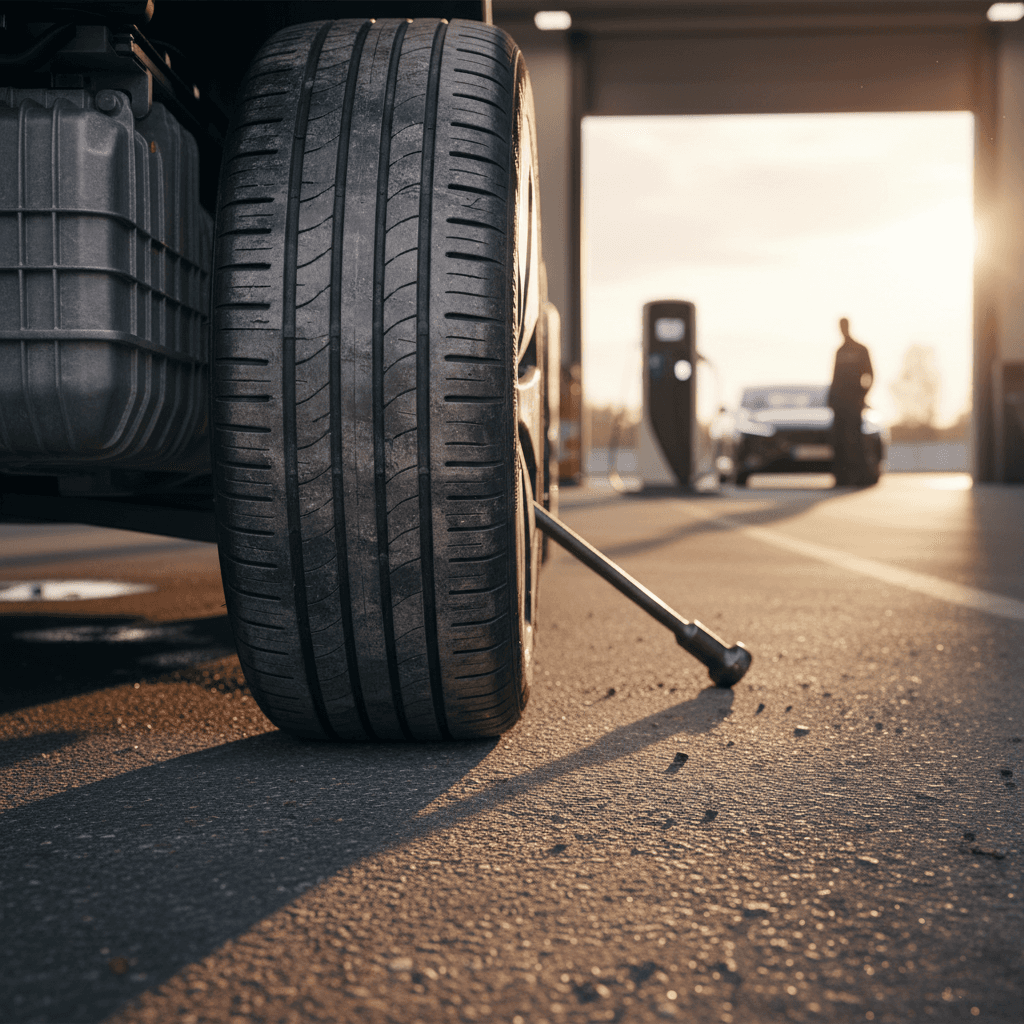
Credit: recharged.com
Real-world Tire Lifespan
Understanding the real-world tire lifespan of AWD cars helps buyers and owners plan better. Tires wear differently based on many factors like driving style, road conditions, and car type. AWD systems send power to all wheels, which can affect tire wear patterns. Knowing how AWD impacts tire life saves money and avoids surprises.
Owner Experiences
Many AWD car owners share their tire wear stories online. Some report faster wear on front or rear tires depending on the AWD system. Regular tire rotation is a common tip to even out wear. Drivers who avoid harsh turns and fast stops see longer tire life. Real-life feedback shows tire lifespan can be similar to other cars with good care.
Expert Insights
Car mechanics and tire experts say AWD can cause uneven tire wear. AWD moves power to wheels with more grip, which stresses tires differently. Experts recommend checking tire tread depth often. Proper inflation and alignment help tires last longer. They agree AWD alone does not always mean faster tire wear but proper maintenance is key.
Tire Manufacturer Recommendations
Tire makers suggest rotating tires every 5,000 to 8,000 miles on AWD vehicles. Using tires of the same brand and model on all wheels prevents damage to AWD systems. Some manufacturers offer special tires designed for AWD cars. Following their guidelines improves safety and tire life. Checking tire pressure monthly is also advised for best results.
Tips To Extend Tire Life On Awd Cars
All-wheel drive (AWD) cars often wear tires faster due to the extra power sent to all wheels. This can cause uneven tire wear if not managed well. Simple steps can help extend tire life and save money. Caring for your tires keeps your car safe and running smoothly.
Regular Rotation
Rotating tires regularly helps even out wear across all tires. AWD cars need this more than two-wheel drive cars. Follow the manufacturer’s recommended rotation schedule. This keeps tires balanced and lasting longer.
Proper Inflation
Check tire pressure often. Correct inflation reduces tire wear and improves fuel efficiency. Use a reliable gauge to measure pressure. Inflate tires to the level shown in the owner’s manual or on the door sticker.
Alignment Checks
Misaligned wheels cause uneven tire wear and poor handling. Get wheel alignment checked at least once a year. Pay attention to pulling or vibrations while driving. Proper alignment helps tires wear evenly and last longer.
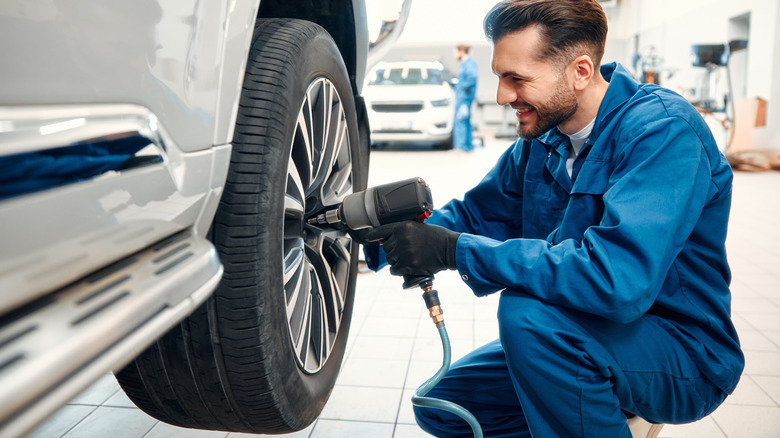
Credit: www.slashgear.com
Frequently Asked Questions
Do Awd Cars Wear Tires Faster Than 2wd Cars?
AWD cars can wear tires faster due to power distribution to all wheels. This causes more friction and heat, especially on dry roads. Proper tire rotation and maintenance help extend tire life on AWD vehicles.
How Does Awd Affect Tire Wear Patterns?
AWD systems often cause uneven tire wear. Front and rear tires may wear differently due to torque split. Regular tire rotation balances wear, ensuring even tread life across all tires.
Can Improper Tire Maintenance Increase Awd Tire Wear?
Yes, neglecting tire rotation, alignment, and proper inflation accelerates tire wear on AWD cars. AWD systems rely on uniform tire condition for optimal performance. Maintaining tires prevents premature wear and costly replacements.
Is Tire Replacement More Frequent For Awd Vehicles?
AWD vehicles might require more frequent tire replacements if maintenance is ignored. Uniform tire wear and rotation practices reduce replacement frequency. Proper care ensures AWD tires last as long as those on other drivetrains.
Conclusion
AWD cars may wear tires faster on certain surfaces. This happens because all wheels share power, causing more friction. Tire quality and driving habits also affect wear speed. Regular tire rotation helps extend tire life. Checking tire pressure keeps wear even and tires safe.
Proper care can reduce how fast AWD tires wear out. Understanding these factors helps drivers maintain their tires better. Choose tires designed for AWD for best results. Stay aware and keep your tires lasting longer.