
Have you ever noticed a slick puddle under your car and wondered what it means? An engine oil leak might seem like a small issue, but it can cause big problems for your car.
Ignoring it could lead to costly repairs and leave you stranded when you least expect it. You’ll learn exactly what an engine oil leak does to your car and why fixing it quickly is so important. Keep reading to protect your vehicle and save yourself time and money.
Causes Of Engine Oil Leaks
Engine oil leaks can harm your car’s performance and cause costly repairs. Understanding the causes helps you spot problems early. Many factors can lead to oil leaks. Some are easy to fix, while others need professional help.
Worn Gaskets And Seals
Gaskets and seals stop oil from escaping your engine. Over time, heat and pressure wear them down. Cracks or hardening allow oil to leak out. Replacing worn gaskets and seals stops leaks and protects your engine.
Damaged Oil Pan
The oil pan holds the engine oil. Road debris or hitting objects can dent or crack it. A damaged oil pan leaks oil and lowers oil levels. Repair or replace the pan to prevent further damage.
Loose Or Broken Oil Filter
The oil filter cleans engine oil. If it is loose or broken, oil can drip out. Tightening or changing the oil filter fixes leaks and keeps oil clean.
Faulty Oil Drain Plug
The oil drain plug seals the oil pan’s drain hole. A loose or damaged plug leaks oil. Replacing or tightening the plug stops leaks and maintains oil levels.
Credit: www.jiffylube.com
Signs Of An Oil Leak
Oil leaks can cause serious problems for your car’s engine. Catching the signs early helps avoid costly repairs. Knowing what to watch for keeps your car safe and running well.
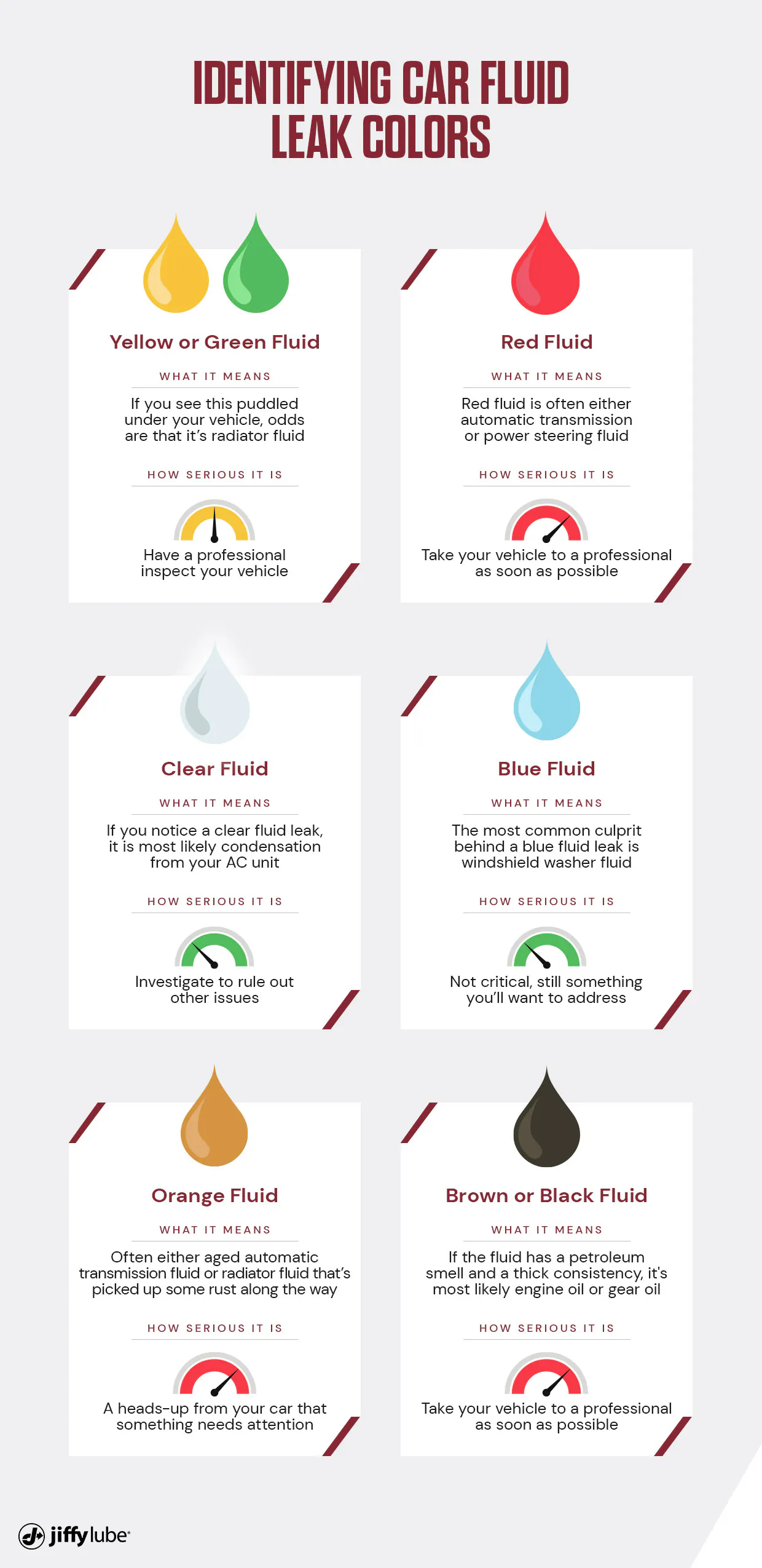
Visible Oil Spots
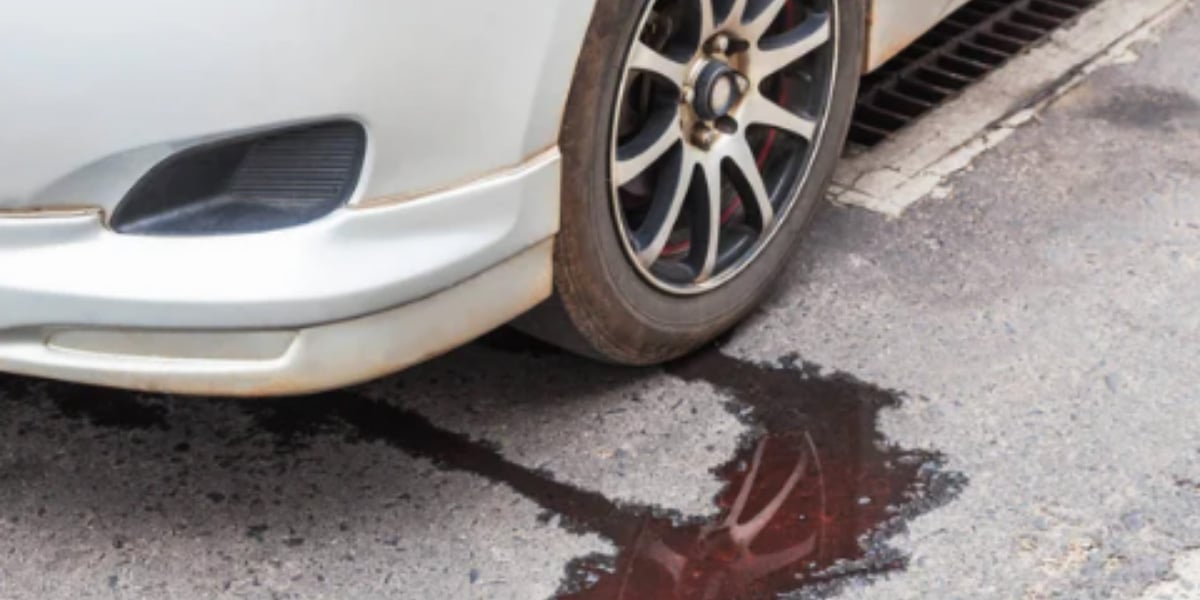
Check under your car for dark, greasy spots. These spots show where oil is leaking. Oil stains on your driveway or garage floor are clear signs. The spots often look shiny and wet.
Burning Oil Smell
A strong, burning oil smell while driving signals a leak. Oil drips on hot engine parts and burns. This smell is sharp and unpleasant. It means oil is escaping and causing trouble.
Low Oil Levels
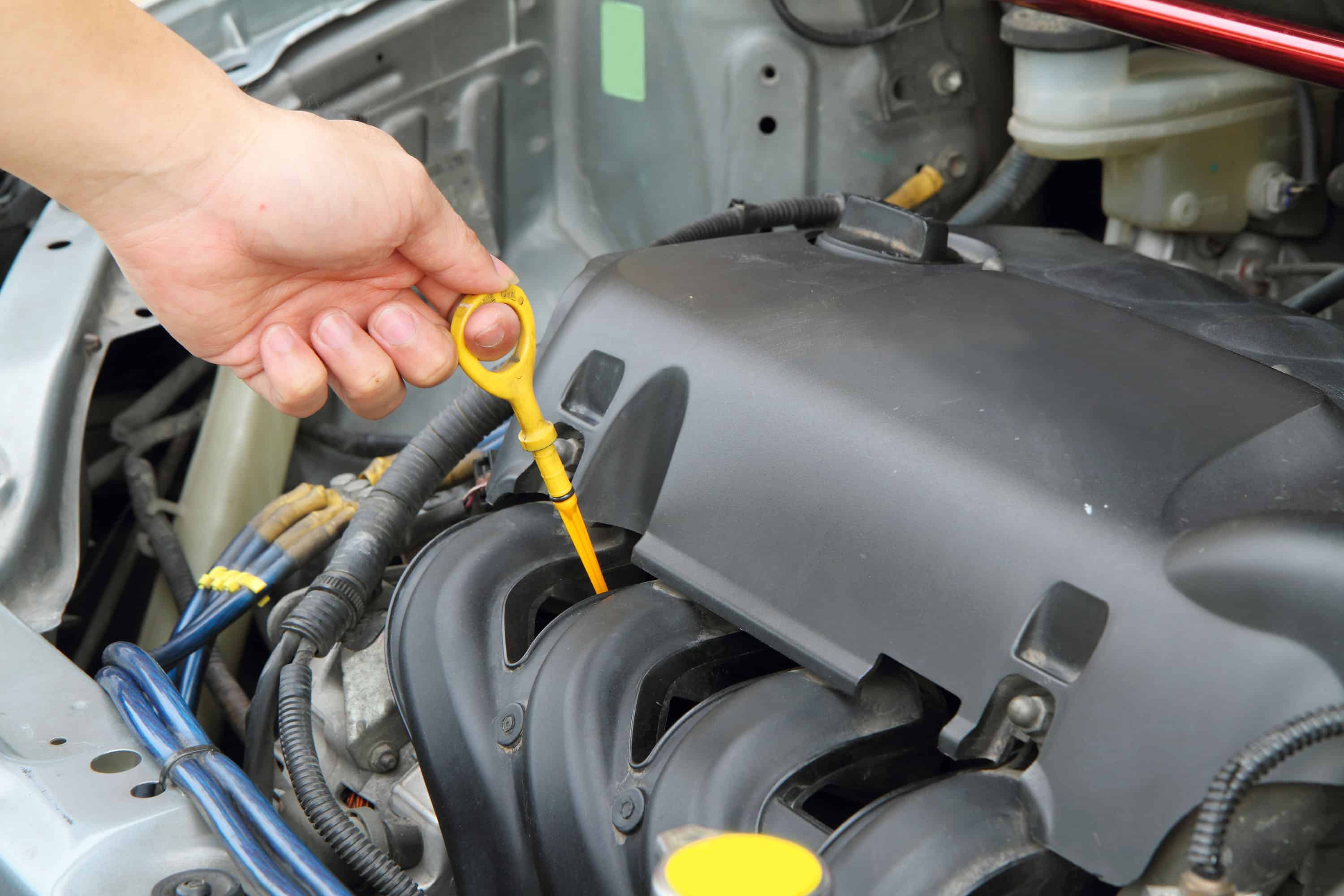
Frequent need to add oil means a leak may exist. Oil level drops faster than normal. Check the dipstick regularly to monitor levels. Low oil harms engine parts and reduces performance.
Engine Warning Lights
The oil pressure or check engine light may turn on. This alerts you to oil problems inside the engine. Ignoring these lights leads to severe engine damage. Always take warning lights seriously and act fast.
Risks Of Ignoring Oil Leaks
Ignoring an engine oil leak can cause serious damage to your car. Oil is vital for the engine’s health. It lubricates moving parts and keeps them cool. Without enough oil, the engine faces many risks. These risks can lead to costly repairs or even total engine failure.
Engine Overheating
Oil helps to keep the engine cool by reducing friction. A leak means less oil is available. This causes the engine to heat up quickly. Overheating can damage engine parts. It may cause the engine to stop working suddenly.
Reduced Engine Performance
Low oil levels make the engine less efficient. The car may feel slower or less powerful. You might notice strange noises from the engine. Performance drops as the engine struggles to work properly.
Increased Wear And Tear
Oil forms a protective layer on engine parts. Without enough oil, metal parts rub against each other. This causes faster wear and tear. Over time, this damage can become severe and costly to fix.
Potential Engine Failure
Continuous oil leaks can lead to complete engine failure. Lack of oil causes parts to seize up and break. An engine failure means the car will not run. Repairs or replacements will be very expensive.
Preventing Engine Oil Leaks
Preventing engine oil leaks protects your car’s engine and keeps it running smoothly. Oil leaks can cause serious damage if left unchecked. Simple steps help avoid costly repairs and maintain engine health. Regular care and attention make a big difference.
Regular Oil Changes
Change your engine oil on time. Old oil breaks down and loses its sealing power. Fresh oil keeps engine parts lubricated and prevents leaks. Use the oil grade recommended by your car manufacturer. Timely oil changes extend engine life and reduce leak risks.
Routine Inspections
Check your car regularly for signs of oil leaks. Look under the car for oil spots or stains. Inspect the engine area for wet or greasy patches. Early detection helps fix small leaks before they become big problems. Regular inspections save money and keep your car safe.
Using Quality Oil And Parts
Choose good quality engine oil and parts. Cheap oil and old seals can cause leaks. Use parts designed for your car model. High-quality products fit better and last longer. Investing in quality prevents leaks and improves engine performance.
Repairing Oil Leaks
Repairing oil leaks is important to keep your car running well. Ignoring leaks can cause bigger problems and cost more money. Fixing leaks early protects your engine and saves you from expensive repairs later.
Some oil leaks are easy to fix at home. Others need a mechanic’s help. Knowing when to fix it yourself and when to get professional help can save time and money.
Diy Fixes
Small oil leaks can sometimes be fixed at home. Start by cleaning the engine area to find the leak. Check the oil pan and drain plug. Tightening loose bolts can stop leaks. Replacing old gaskets or seals might help. Use oil stop-leak products carefully. These are temporary and not a full fix. Always wear gloves and work safely.
When To See A Mechanic
Large leaks or leaks under the engine need a mechanic. Strange noises or smoke with the leak are warning signs. If oil level drops fast, do not wait. Mechanics have tools and skills to find hidden leaks. They can replace parts like gaskets, seals, or oil pans. Getting professional help prevents engine damage and unsafe driving.
Cost Of Repairs
Repair costs depend on leak size and part damaged. Small leaks with gasket replacement cost less. Fixing major leaks or oil pan damage costs more. Labor charges vary by shop and location. Regular oil changes and checks reduce leak risks. Early repair saves money and protects your car’s engine life.
Credit: www.meineke.com
Maintaining Engine Health After Repairs
Maintaining your engine’s health after fixing an oil leak is very important. Repairs stop the leak, but care must continue. Your engine needs constant attention to run smoothly and avoid future problems.
Simple steps can keep your engine safe. Watching oil levels, following maintenance schedules, and spotting new leaks early help protect your car. These actions save money and extend your engine’s life.
Monitoring Oil Levels
Check your oil level often. Low oil can cause engine parts to wear out fast. Use the dipstick to see the oil amount. Top up if it is low. This prevents damage and keeps the engine cool.
Scheduled Maintenance
Stick to your car’s service plan. Regular oil changes remove dirt and old oil. Mechanics also check seals and gaskets for weak spots. Timely maintenance helps catch issues before they grow.
Signs Of Recurring Leaks
Watch for oil spots under your car. A strong oil smell inside your vehicle is a warning. Engine smoke or burning smells can mean a leak returns. Early detection stops bigger damage.
Credit: www.valvolineglobal.com
Frequently Asked Questions
What Are The Signs Of An Engine Oil Leak?
Common signs include oil spots under your car, low oil levels, and engine overheating. You may also notice a burning smell or smoke from the engine. Early detection helps prevent serious engine damage and costly repairs.
How Does An Engine Oil Leak Affect Engine Performance?
An oil leak reduces lubrication, causing increased friction and wear. This leads to overheating, poor fuel efficiency, and potential engine failure. Timely repair ensures smooth engine operation and extends your car’s lifespan.
Can An Oil Leak Cause Engine Damage?
Yes, oil leaks can cause significant engine damage by reducing lubrication. Without enough oil, engine parts grind against each other, leading to overheating and costly repairs. Fixing leaks quickly prevents long-term damage.
Is It Safe To Drive With An Engine Oil Leak?
Driving with an oil leak is risky. Low oil levels can cause engine overheating and failure. Small leaks may be manageable short-term, but get your car checked immediately to avoid major damage.
Conclusion
An engine oil leak can cause serious damage to your car. It lowers oil levels and harms engine parts. You might notice smoke, strange noises, or poor performance. Fixing leaks early saves money and prevents bigger problems. Check your car often for signs of oil leaks.
Keeping your engine healthy means a safer, longer-lasting car. Don’t ignore small leaks—they can lead to costly repairs. Taking care of your car keeps it running smooth and strong. Simple steps help avoid major engine trouble. Stay alert and protect your vehicle.