
Choosing the right engine oil for your diesel car can seem confusing. You might wonder, “What engine oil do you put in a diesel car to keep it running smoothly?”
The truth is, using the wrong oil can harm your engine and cost you more in repairs. But picking the perfect oil isn’t as hard as it sounds. You’ll discover exactly what to look for, why it matters, and how to make your diesel engine last longer and perform better.
Keep reading—you’re about to unlock simple tips that can save you time, money, and stress.
Choosing The Right Oil Grade
Choosing the right oil grade is key to keeping your diesel car engine healthy. The oil grade affects how well the engine runs and lasts. It depends on the engine’s design and the climate you drive in. Picking the right oil helps the engine parts move smoothly and stay cool. It also prevents damage and wear over time.
Viscosity And Its Importance
Viscosity means how thick or thin the oil is. Thick oil moves slower but protects better at high temperatures. Thin oil flows easily at low temperatures, helping the engine start fast. Diesel engines need oil that works well in both hot and cold. The right viscosity keeps the engine parts lubricated and stops friction. Using wrong viscosity oil can cause engine damage or poor fuel economy.
Sae Ratings For Diesel Engines
SAE ratings show oil viscosity by numbers like 5W-30 or 15W-40. The first number with “W” tells oil flow in cold weather. The second number shows oil thickness when hot. Diesel engines often use heavier oil like 15W-40 for strong protection. Some engines need lighter oil like 5W-30 for better fuel savings. Always check your car manual for the right SAE rating. Using the correct rating helps the engine last longer and run smoother.
Synthetic Vs Conventional Oils
Synthetic oils are made in labs and last longer than conventional oils. They protect better in extreme heat and cold. Synthetic oil flows easily and keeps the engine clean. Conventional oils come from crude oil and are cheaper. They wear out faster and may not protect well in tough conditions. Diesel engines often benefit from synthetic oil for better performance. Choose oil based on your engine’s needs and driving style.

Credit: www.youtube.com
Key Oil Specifications For Diesel
Choosing the right engine oil for a diesel car is important. The oil must meet certain standards to protect the engine. These standards help the oil perform well under high pressure and temperature. Knowing key oil specifications helps pick the best oil for your diesel engine.
These specifications include API ratings, ACEA classifications, and manufacturer approvals. Each tells you about the oil’s quality and compatibility with diesel engines.
Api Ratings And What They Mean
The American Petroleum Institute (API) sets oil quality standards. Diesel oils have a “C” category, like CJ-4 or CK-4. Higher letters mean newer and better oil. These oils control soot and protect engine parts. Using the right API rating keeps the engine clean and running smoothly.
Acea Classifications
The Association des Constructeurs Européens d’Automobiles (ACEA) sets European oil standards. Diesel oils fall under “C” or “E” classes. Class C oils protect emission systems. Class E oils focus on heavy-duty engine protection. Check the ACEA class to match your car’s needs and local rules.
Manufacturer Approvals To Look For
Car makers test and approve oils for their engines. Look for approvals from brands like Mercedes-Benz, Volvo, or Cummins. These approvals ensure the oil meets engine demands. Using approved oil keeps warranty valid and engine safe.
Factors Affecting Oil Selection
Choosing the right engine oil for a diesel car depends on several important factors. These factors help keep the engine healthy and running smoothly. Each factor affects which oil type suits your car best. Understanding these can save money and avoid engine problems.
Climate And Temperature Considerations
Climate plays a big role in oil choice. Cold weather needs thinner oils to flow easily. Thick oils can make starting the engine hard. Hot climates require oils that resist breaking down under heat. Check the oil’s viscosity grade for your area’s temperature range.
Engine Age And Mileage
Older engines may need thicker oils to protect worn parts. High mileage engines can benefit from oils with additives that reduce wear. New engines often require lighter oils for better fuel efficiency. Follow the manufacturer’s recommendations for best results.
Driving Conditions And Habits
Stop-and-go city driving puts more stress on engine oil. Long highway trips allow oil to work better at steady speeds. Towing or heavy loads need oils with higher protection. Adjust oil type based on how and where the car is driven most.
Top Oil Brands For Diesel Cars
Choosing the right engine oil helps keep your diesel car running smoothly. Quality oil protects the engine from wear and tear. It also improves fuel efficiency and reduces emissions. Many brands offer oils made for diesel engines. Each brand has different types of oil for various needs. Here are some top oil brands trusted by diesel car owners.
Premium Synthetic Options
Premium synthetic oils offer excellent engine protection. Brands like Mobil 1 and Castrol are popular choices. These oils handle high temperatures well. They keep engines cleaner and extend oil change intervals. Synthetic oils also improve cold starts. They suit modern diesel cars with turbochargers and filters.
Budget-friendly Choices
Budget oils protect the engine without high costs. Valvoline and Shell offer affordable diesel oils. These oils meet basic performance standards. They work well for older diesel cars. Regular use helps maintain engine health. Budget oils can be a smart choice for daily driving.
Specialty Oils For High-performance Diesel
High-performance diesel engines need specialty oils. Brands like Liqui Moly and Amsoil make oils for this. These oils reduce engine deposits and wear. They support engines under heavy loads and tough conditions. Specialty oils improve power and engine life. Ideal for trucks and diesel sports cars.
Oil Change Intervals For Diesel Engines
Oil change intervals are very important for diesel engines. They help keep the engine clean and running well. Changing oil on time protects the engine parts from wear. It also helps save fuel and lowers emissions. Each diesel engine has its own oil change schedule. Knowing these intervals helps avoid costly repairs and engine damage.
Manufacturer Recommendations
Car makers give clear advice on oil change intervals. These instructions depend on the engine type and model. Most diesel engines need oil changes every 5,000 to 10,000 miles. The manual shows exact miles and time for oil changes. Following these guidelines keeps the engine in good shape. Ignoring them may lead to poor engine performance.
Signs Oil Needs Changing
Dark or dirty oil means it is time to change. Engine noise or knocking can show oil is old. A drop in fuel efficiency may also signal worn oil. Check the oil level regularly to spot leaks or low oil. A burning smell or smoke from the exhaust might mean oil problems. Watching these signs helps avoid engine damage.
Impact Of Oil Quality On Intervals
High-quality oil can last longer between changes. Good oil protects better against heat and dirt. Cheap oil breaks down faster and needs frequent changing. Using the right oil grade is crucial for diesel engines. Synthetic oils often extend the oil change interval. Always choose oil that meets your engine’s needs.

Credit: amsoilasiapacific.com
Common Mistakes To Avoid
Choosing the right engine oil for a diesel car is very important. Many people make simple mistakes that can harm the engine. Avoiding these errors helps keep the car running smoothly and saves money on repairs.
Here are common mistakes to watch out for when picking oil for a diesel engine.
Using Gasoline Engine Oil In Diesel Cars
Gasoline engine oil is different from diesel engine oil. Diesel engines need oils that handle higher pressure and soot. Using gasoline oil can cause faster engine wear and damage. Always use oil made for diesel engines to protect your car.
Ignoring Oil Specifications
Engine oils come with specific grades and standards. These tell you how the oil performs. Ignoring these specs can cause poor lubrication and engine problems. Check your car manual for the right oil grade. Using the correct specification keeps the engine healthy.
Overlooking Oil Filter Quality
The oil filter cleans dirt and debris from the oil. A poor-quality filter lets particles pass through, harming the engine. Use a good oil filter made for diesel cars. Changing the oil filter regularly keeps the oil clean and engine safe.
Future Trends In Diesel Engine Oils
Diesel engine oils are evolving fast. The future brings new types of oils that protect engines and help the environment. These oils will meet stricter rules and use new technology to keep engines running well.
Understanding these changes helps diesel car owners choose the right oil. It also shows how oil makers work to reduce pollution and improve engine life.
Eco-friendly And Low-emission Oils
Oils with low emissions reduce harmful gases from diesel engines. They use special additives to cut smoke and soot. These oils help engines burn fuel cleaner. They also lower the impact on air quality. Using eco-friendly oils supports a healthier environment.
Advances In Synthetic Oil Technology
Synthetic oils last longer and protect better than regular oils. New synthetic oils resist heat and wear more effectively. They keep engines cleaner and improve fuel efficiency. This means less oil use and fewer oil changes. Better oil means stronger engines and lower costs.
Regulatory Changes Affecting Oil Formulations
Governments set strict rules for diesel engine oils. These rules require oils to meet higher standards for cleanliness and performance. Oil makers change formulas to follow these laws. This ensures oils help reduce engine pollution. Compliance drives innovation in oil technology.
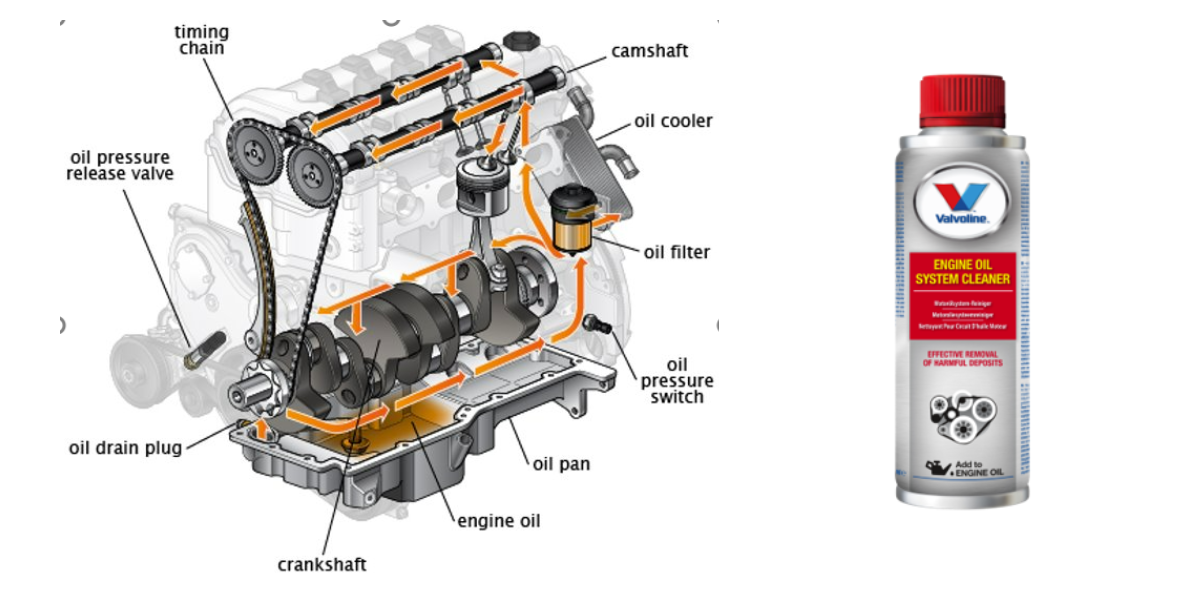
Credit: www.valvolineglobal.com
Frequently Asked Questions
What Type Of Engine Oil Is Best For Diesel Cars?
The best engine oil for diesel cars is usually a high-quality synthetic or semi-synthetic oil. Look for oils meeting API CJ-4 or CK-4 standards. These oils protect against soot, wear, and high temperatures common in diesel engines.
How Often Should I Change Oil In A Diesel Car?
Change diesel engine oil every 5,000 to 10,000 miles or as recommended by the manufacturer. Frequent oil changes keep your engine clean and efficient, preventing damage from soot buildup and contaminants.
Can I Use Petrol Engine Oil In A Diesel Car?
Using petrol engine oil in a diesel car is not advisable. Diesel engines require oils with specific additives to handle soot and higher compression. Always use oil designed for diesel engines to ensure proper protection.
What Viscosity Oil Suits Diesel Engines Best?
Diesel engines typically use oils with viscosity grades like 5W-30 or 10W-40. Always check your vehicle manual for the recommended viscosity. Correct viscosity ensures optimal engine performance and protection in various temperatures.
Conclusion
Choosing the right engine oil keeps your diesel car running smoothly. Check your car’s manual for the best oil type and grade. Using quality oil helps protect the engine and improves fuel efficiency. Regular oil changes prevent damage and save money on repairs.
Don’t forget to pick oil designed for diesel engines. This small step extends your car’s life and ensures better performance. Keep your engine healthy with the right oil, and enjoy a safer, smoother drive every day.