
Are you wondering if blended oil is the right choice for your newer car engine? Choosing the right oil can make a big difference in how well your engine runs and how long it lasts.
But with so many options out there, it’s easy to get confused. Should you stick with fully synthetic oil, or is blended oil a smart, cost-effective alternative? Keep reading to discover the facts you need to make the best decision for your car’s health and your wallet.
Your engine deserves the best care—let’s find out what that really means.
Types Of Engine Oils
Choosing the right engine oil is important for your car’s health. Engine oils come in different types. Each type offers unique features and protection levels. Understanding these oils helps you decide what suits your car best. Here is a look at the main types of engine oils available.
Conventional Oil Basics
Conventional oil is made from crude oil. It goes through refining to remove impurities. This oil type works well for many engines. It offers good protection at a low cost. Changing it regularly keeps the engine clean and running smoothly. It suits older or low-mileage vehicles. However, it may break down faster under high heat.
Synthetic Oil Benefits
Synthetic oil is man-made and highly refined. It provides better engine protection than conventional oil. It handles extreme temperatures well. This oil reduces engine wear and deposits. It can improve fuel efficiency slightly. Synthetic oil lasts longer, so changes are less frequent. Newer cars often recommend synthetic oil for best performance.
What Is Blended Oil?
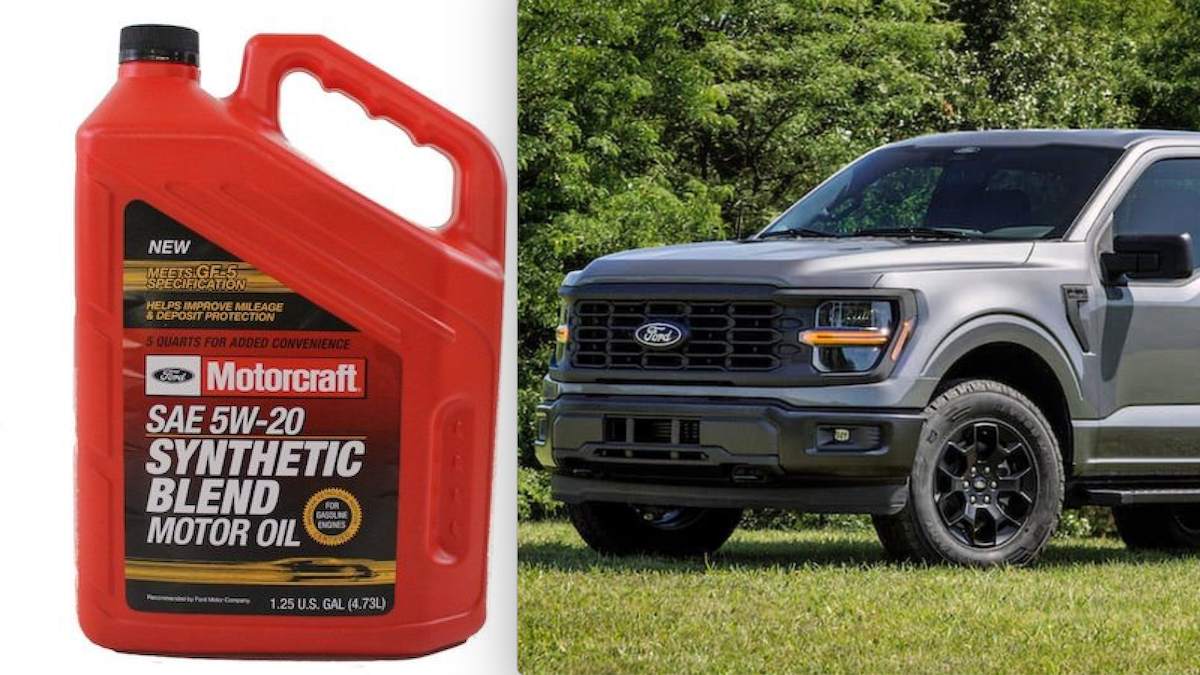
Blended oil mixes conventional and synthetic oils. It combines some benefits of both types. This oil is cheaper than full synthetic but better than conventional. It offers moderate protection and performance. Blended oil suits drivers wanting balance between cost and quality. Yet, it may not meet the needs of high-tech engines fully.
Credit: www.torquenews.com
Engine Technology In Newer Cars
Engine technology in newer cars has changed a lot. Car makers use new designs to make engines stronger and more efficient. These changes affect the type of oil needed to keep engines running well. Understanding these changes helps you choose the right oil for your car.
Modern engines work harder and hotter than old ones. They need oil that protects parts and helps the engine last longer. Using the wrong oil can cause problems and reduce engine life.
Advanced Engine Designs
Newer engines use advanced designs to boost power and save fuel. Many have turbochargers that increase pressure and heat. Some use direct fuel injection for better efficiency. These features put more stress on engine oil. Oils must handle high temperatures and resist breaking down quickly. New engines also have tighter parts that need thinner oils. These thin oils flow better and reduce friction. This helps engines run smoothly and saves fuel.
Oil Requirements For Modern Engines
Modern engines need oils with special properties. Synthetic oils often meet these needs better than blended oils. They offer better protection against wear and heat. They also keep engines clean by reducing deposits. New car warranties may require specific oil types and grades. Using the correct oil keeps the warranty valid. Always check the owner’s manual for oil recommendations. Using blended oil might not meet the strict standards of new engines.
Pros Of Using Blended Oil
Blended oil offers several advantages for newer car engines. It combines the benefits of synthetic and conventional oils. This mix helps protect the engine while saving money. Many car owners find blended oil a practical choice.
Cost Efficiency
Blended oil costs less than full synthetic oil. It provides good engine protection without a high price. For people on a budget, it is a smart option. It helps save money on regular oil changes.
Balanced Performance
Blended oil offers better performance than conventional oil alone. It improves engine cleanliness and reduces wear. This oil keeps the engine running smoothly. It suits many newer engines that do not need full synthetic oil.
Availability
Blended oil is easy to find at most stores. Many brands offer it in different grades. You can buy it almost anywhere oil is sold. This makes it simple to maintain your car regularly.

Credit: www.ebay.com
Cons Of Using Blended Oil
Using blended oil in newer car engines has its downsides. These oils mix synthetic and conventional oils, which may not always suit modern engines. Understanding the cons helps you make the right choice for your vehicle.
Reduced Protection
Blended oil offers less protection than full synthetic oil. It may not handle extreme temperatures well. This can put your engine at risk during hot or cold weather. The additives in blended oils are fewer and less effective.
Shorter Oil Change Intervals
Blended oils break down faster than synthetic oils. You need to change the oil more often to keep the engine safe. Skipping or delaying oil changes can cause dirt buildup and damage engine parts.
Potential Engine Wear
Blended oil may not protect engine parts as well as synthetic oil. This can lead to increased wear over time. Older engine designs tolerate blended oil better than newer, high-tech engines.
Manufacturer Recommendations
Car makers provide clear advice about the type of oil to use. Their instructions help protect the engine and keep it running well. Understanding these recommendations is important for your car’s health and longevity.
Following Oem Guidelines
OEM stands for Original Equipment Manufacturer. These are the companies that build your car. They test different oils and tell you which one fits best. Using oil that meets their specs ensures the engine parts work smoothly. It also helps the engine last longer and run efficiently.
Blended oils may not always meet the exact standards set by OEMs. Many newer engines need full synthetic oils for better protection. Check your car’s manual to see what oil type is recommended. Following these guidelines reduces the risk of engine problems.
Warranty Considerations
Using the wrong oil can affect your car’s warranty. Manufacturers often require certain oil types to keep the warranty valid. Using blended oil instead of the recommended oil might void your warranty. This can lead to costly repairs paid out of pocket.
Always read the warranty terms carefully. Use the oil grade and type specified by the maker. This step saves money and prevents future disputes about repairs. Keeping the warranty intact is a smart choice for any car owner.
Expert Opinions
Experts share different views on using blended oil in newer car engines. Their knowledge helps us understand the best choice for engine care.
Each expert group looks at the oil from a unique angle. This helps us see both benefits and risks clearly.
Mechanic Perspectives
Mechanics often see engine wear up close. Many say blended oil can work for some newer engines. It offers decent protection and is cheaper than full synthetic oil.
Some mechanics warn that blended oil may not protect well under extreme conditions. High heat or heavy load can cause faster breakdown. They suggest using synthetic oil for better engine life.
Mechanics also note that using the wrong oil can void the car warranty. Always check the manufacturer’s oil recommendations first.
Automotive Engineer Insights
Automotive engineers design engines and know oil’s role deeply. They often recommend full synthetic oil for newer engines. It flows better and resists heat longer than blended oils.
Engineers explain that newer engines have tighter parts. They need oil that protects under high pressure and temperature. Synthetic oil meets these needs more reliably.
Some engineers say blended oil can be a short-term option. Yet, long-term use may reduce engine efficiency and lifespan.
Choosing The Right Oil
Selecting the correct oil for your newer car engine matters a lot. The oil keeps the engine parts moving smoothly. It also protects the engine from wear and tear. Using the wrong oil can cause damage or reduce engine life.
Different oils have different properties. Some work better in cold weather, while others suit hot climates. Knowing which oil fits your car’s needs helps maintain performance and saves money on repairs.
Assessing Driving Conditions
Your driving style affects the oil choice. Short trips with frequent stops need oil with good protection against wear. Long highway drives require oil that handles high temperatures well. Harsh climates, like extreme cold or heat, also impact oil performance.
City driving creates more engine stress than rural roads. Dusty or dirty environments call for oil that resists contamination. Think about your daily routes and weather before picking oil.
Matching Oil To Engine Needs
Check your car’s manual for recommended oil types. Newer engines often need synthetic or semi-synthetic oils. These oils offer better protection and cleaner engine parts. Blended oil combines mineral and synthetic oils but may not suit all newer engines.
Use the oil viscosity grade suggested by the manufacturer. This grade tells how thick or thin the oil is at different temperatures. The right viscosity keeps engine parts well-lubricated without causing drag.
Maintenance Tips For New Engines
New car engines need careful care to stay healthy and run well. Proper maintenance helps the engine last longer and work better. Paying attention to simple steps can prevent big problems later. Here are some key tips to keep new engines in top shape.
Regular Oil Checks
Check your engine oil often. Look for the oil level and color. Low or dirty oil can hurt the engine. Use the dipstick to check the oil level. Add oil if it is low. Clean oil keeps engine parts moving smoothly.
Timely Oil Changes
Change the oil as the car manual says. Fresh oil protects the engine from wear. Old oil loses its power and can cause damage. Set reminders to change oil on time. Regular oil changes keep the engine clean inside.
Using Quality Filters
Use good oil filters with every oil change. Filters catch dirt and metal bits in the oil. Cheap filters can let debris pass through. Clean oil means less engine wear and better performance. Replace filters regularly for best results.

Credit: www.consumerreports.org
Frequently Asked Questions
Is Blended Oil Safe For Newer Car Engines?
Blended oil offers moderate protection but may lack advanced additives for newer engines. Use synthetic oil for optimal performance and engine longevity in modern cars.
Can Blended Oil Affect Newer Engine Warranties?
Using blended oil might void some newer car engine warranties. Always check your vehicle’s manual to confirm manufacturer recommendations and warranty terms before choosing oil.
How Does Blended Oil Compare To Synthetic Oil?
Blended oil combines mineral and synthetic oils, offering cost savings. However, synthetic oil provides better engine protection, improved performance, and longer oil change intervals for newer engines.
When Should You Avoid Using Blended Oil?
Avoid blended oil in high-performance or turbocharged newer engines. These engines require synthetic oils to handle higher temperatures and reduce engine wear effectively.
Conclusion
Choosing the right oil keeps your engine running smooth. Blended oil can work in some newer engines but may not always be the best choice. Always check your car’s manual or ask a trusted mechanic. Engine protection matters most. Clean oil helps avoid damage and saves money on repairs.
Think about your driving habits too. Good oil means better performance and longer engine life. Don’t take chances with cheap options. Care for your car well, and it will serve you longer. Simple steps make a big difference.