
Have you ever wondered if your car really needs an engine oil cooler? You might think it’s just another part you can do without, but what if this small addition could protect your engine and boost your car’s performance?
Understanding whether your vehicle benefits from an oil cooler could save you from costly repairs down the road. Keep reading to find out how this simple component might make a big difference for your car’s health and your peace of mind.
Role Of Engine Oil Cooler
The engine oil cooler helps keep the engine oil at the right temperature.
Engine oil gets hot as it lubricates engine parts. Too much heat can make the oil thin and less effective. This can cause engine damage over time.
The cooler removes extra heat from the oil. This keeps the oil thick enough to protect the engine. It also helps the engine run smoothly and last longer.
How Engine Oil Coolers Work
Engine oil coolers work by moving hot oil through thin tubes or plates. These parts allow heat to pass from the oil to the air or coolant.
As the oil flows inside the cooler, heat transfers out. Cooler oil returns to the engine to keep parts safe and clean.
This process helps control oil temperature without stopping engine work. It ensures the engine runs well under tough conditions.
Types Of Oil Coolers
There are two main types of engine oil coolers: air-cooled and liquid-cooled.
Air-cooled oil coolers use air passing over fins to lower oil temperature. They are simple and fit many vehicles.
Liquid-cooled oil coolers use engine coolant to absorb heat from the oil. This type works well in heavy-duty engines.
Choosing the right cooler depends on the vehicle and how it is used.

Credit: www.ammstar.com.au
Benefits Of Engine Oil Cooling
Engine oil cooling helps keep the oil at the right temperature. This prevents the oil from getting too hot and losing its ability to protect the engine. Cooler oil means the engine runs smoother and lasts longer. Let’s explore the benefits of engine oil cooling.
Improved Engine Performance
Cooler oil flows better through the engine parts. This reduces friction and helps the engine work efficiently. The engine can deliver power smoothly without overheating. Better oil temperature control means consistent engine performance.
Extended Engine Life
Heat can break down engine oil quickly. Cooling the oil keeps its protective qualities intact for longer. This reduces damage to engine parts. Engines with cooled oil tend to last longer and need fewer repairs.
Reduced Wear And Tear
Hot oil loses its ability to protect moving parts. Cooler oil creates a strong barrier between metal surfaces. This lowers the risk of scratches and damage. Less wear means fewer breakdowns and lower maintenance costs.
When Is An Oil Cooler Necessary?
Engine oil coolers help keep the oil temperature in check. Oil breaks down at high temperatures, causing engine wear. Not every car needs one. Some situations demand an oil cooler to protect the engine. Understanding when an oil cooler is necessary can save costly repairs.
High-performance Vehicles
Cars built for speed generate more heat. High-performance engines run hotter than regular ones. Oil coolers prevent oil from overheating during hard driving. They keep the engine running smoothly under stress. Without a cooler, oil can lose its ability to lubricate well.
Towing And Heavy Loads
Pulling trailers or heavy cargo puts extra strain on engines. This strain raises engine temperature quickly. An oil cooler helps maintain safe oil temperature. It reduces the risk of engine damage during long towing trips. Vehicles used for heavy loads often benefit from oil coolers.
Extreme Climate Conditions
Hot climates cause oil to heat faster than normal. Engines in desert or tropical areas face constant heat stress. Oil coolers help lower oil temperature in these conditions. They keep the engine protected from overheating. Cooler oil means longer engine life in hot weather.
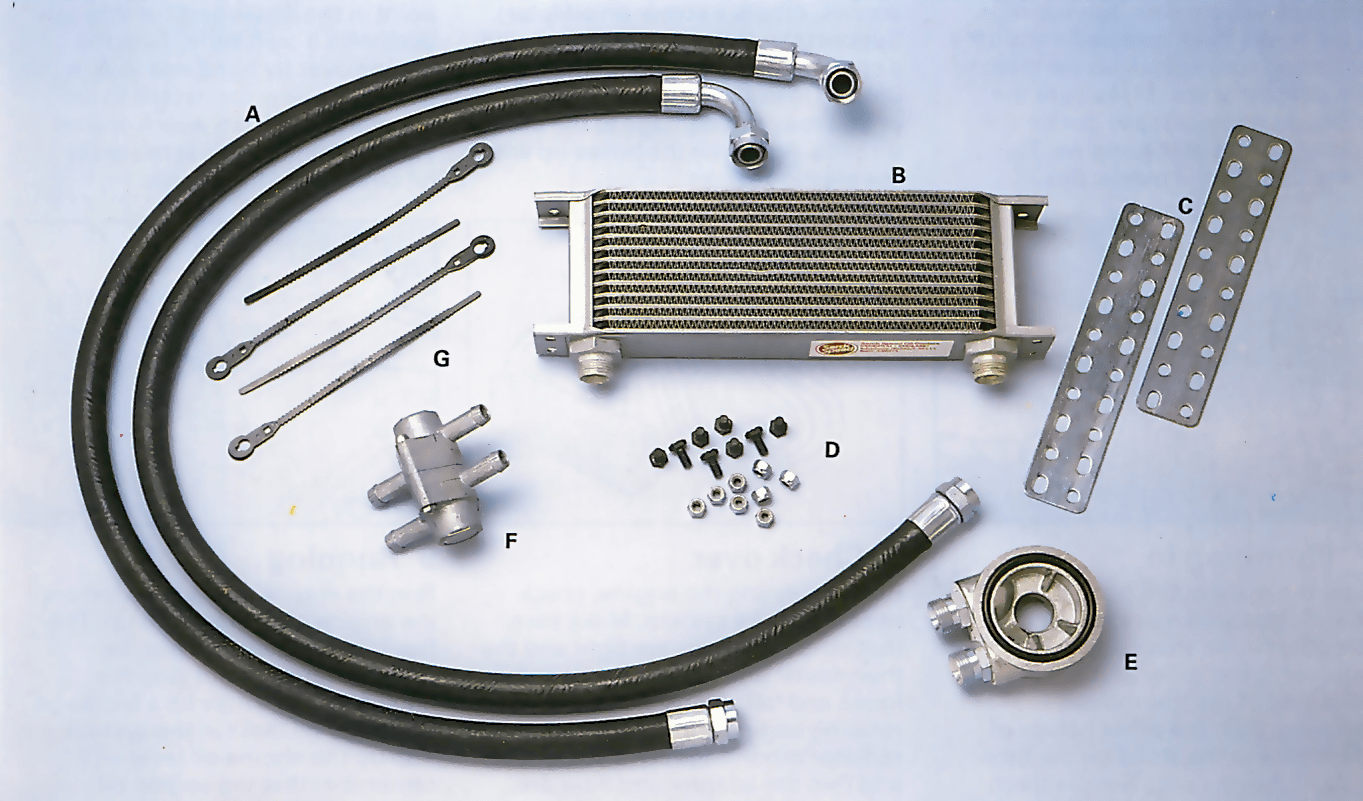
Credit: www.howacarworks.com
Potential Downsides Of Oil Coolers
Oil coolers help keep engine oil at the right temperature. This can improve engine life and performance. Yet, adding an oil cooler is not always simple or without problems. Understanding the possible downsides helps you decide if it suits your car.
Installation Complexity
Installing an oil cooler can be tricky. It needs extra parts and space under the hood. Fitting it may require cutting or moving other components. Incorrect installation can cause leaks or poor cooling. A professional mechanic is often needed to avoid mistakes.
Maintenance Requirements
Oil coolers add more parts to maintain. They need regular checks for leaks and blockages. Dirt or debris can clog the cooler, reducing its efficiency. Cleaning and replacing parts may take extra time and cost. Skipping maintenance risks engine damage.
Cost Considerations
Oil coolers and their installation increase car expenses. The parts themselves can be costly. Labor charges add to the total price. Ongoing maintenance also means more spending. Budgeting for these costs is important before adding an oil cooler.
Signs Your Car Needs An Oil Cooler
Knowing the signs your car needs an oil cooler helps protect the engine. The oil cooler stops the engine oil from getting too hot. Without it, engine parts may wear out faster. Watch out for these common signs to avoid engine damage.
Overheating Issues
Car engine overheating is a clear warning sign. The oil may not cool down properly. This causes the engine to run hotter than usual. Overheating can cause serious engine damage over time. Notice if the temperature gauge rises quickly or stays high.
Oil Temperature Fluctuations
Unstable oil temperature is a sign of cooling problems. The oil temperature might jump from normal to very high. This can harm the engine’s performance and lifespan. Consistent oil temperature helps the engine run smoothly. Check the oil temperature gauge if your car has one.
Engine Warning Lights
Warning lights on the dashboard should never be ignored. The oil pressure light or engine light may turn on. These lights indicate problems with the oil system. They can signal the need for an oil cooler. Visit a mechanic if these lights appear frequently.

Credit: www.youtube.com
Upgrading Your Car With An Oil Cooler
Upgrading your car with an oil cooler can improve engine performance and lifespan. An oil cooler keeps the engine oil at a safe temperature. This helps prevent overheating during long drives or heavy use. Cooler oil means better lubrication and less engine wear. Installing an oil cooler is a smart choice for cars used in hot climates or for racing.
Choosing The Right Oil Cooler
Pick an oil cooler that fits your car’s make and model. Size matters; too big or too small can cause problems. Check the cooler’s material—aluminum coolers work well for heat transfer. Look for a design that matches your driving style. A good oil cooler should be easy to maintain and clean.
Professional Installation Tips
Have a professional install the oil cooler for best results. Proper placement helps maximize cooling efficiency. Secure all connections tightly to avoid leaks. Follow the car manufacturer’s guidelines and use quality parts. After installation, test the system to ensure it works correctly. Regular checks keep the cooler in top condition.
Aftermarket Vs Factory Options
Factory oil coolers fit your car perfectly but may cost more. Aftermarket coolers offer more variety and often better cooling. Choose aftermarket parts from trusted brands to avoid quality issues. Factory options usually come with warranty and support. Decide based on budget, car use, and personal preference.
Frequently Asked Questions
What Is The Purpose Of An Engine Oil Cooler?
An engine oil cooler helps regulate oil temperature, preventing overheating. It improves engine performance and extends oil life by keeping it within optimal temperature range.
Do All Cars Need An Engine Oil Cooler?
Not all cars need an oil cooler. High-performance or heavy-duty vehicles benefit most, while regular cars usually rely on standard cooling systems.
How Does An Engine Oil Cooler Improve Engine Life?
By maintaining stable oil temperature, an oil cooler prevents oil breakdown. This reduces engine wear, lowers overheating risks, and enhances overall engine longevity.
Can An Engine Oil Cooler Prevent Engine Overheating?
Yes, it helps reduce engine overheating by cooling the oil. Cooler oil absorbs and dissipates heat more effectively, protecting engine components.
Conclusion
An engine oil cooler helps keep your car’s engine temperature steady. This can stop the engine from overheating and breaking down. Cars that work hard or drive in hot places benefit most from it. It also helps the engine oil last longer and work better.
Not every car needs one, but it can add extra protection. Think about your car’s needs and driving style before deciding. Staying cool under pressure keeps your engine strong and running smooth.