
Are you wondering how often to replace your car’s spark plugs? You might not realize it, but these small parts play a huge role in keeping your engine running smoothly.
Ignoring them can lead to poor fuel efficiency, rough starts, or even costly repairs. You’ll discover exactly when and why you should change your spark plugs to save money and avoid trouble on the road. Keep reading to learn the simple steps that will keep your car performing at its best.
Credit: www.autodeal.com.ph
Spark Plug Lifespan
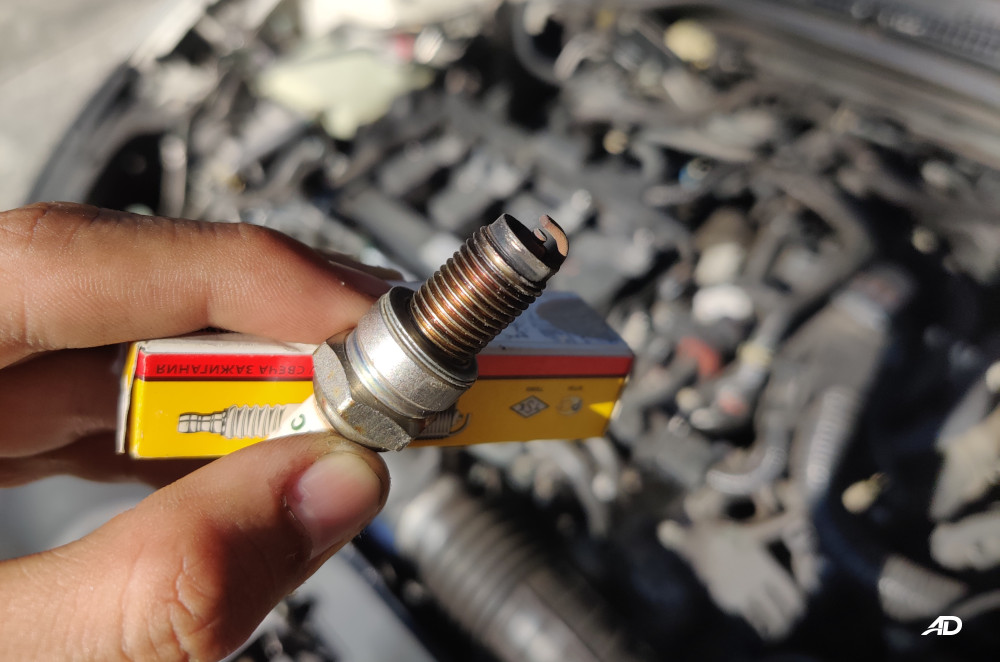
Spark plugs are small but important parts of a car’s engine. They help start the engine and keep it running smoothly. Knowing how long spark plugs last helps you avoid engine problems. Replacing them at the right time saves money and keeps your car in good shape.
Types Of Spark Plugs
There are different types of spark plugs. Copper plugs are common and cheap. They last about 20,000 to 30,000 miles. Platinum plugs last longer, around 60,000 miles. Iridium plugs are the most durable and can last up to 100,000 miles. Each type suits different car engines and needs.
Standard Replacement Intervals
Most car makers suggest changing spark plugs every 30,000 to 50,000 miles. For newer cars with iridium plugs, the interval can be 60,000 to 100,000 miles. Check your car’s manual for the exact schedule. Changing plugs too late can cause poor engine performance and higher fuel use.
Factors Influencing Wear
Driving style affects spark plug life. Hard acceleration and stop-and-go traffic wear plugs faster. Engine problems like oil leaks can damage spark plugs. Using low-quality fuel or wrong spark plugs also shortens their life. Regular checks help spot worn plugs early and keep your engine healthy.
Signs Of Worn Spark Plugs
Worn spark plugs affect your car’s performance in clear ways. They cause issues that are easy to notice while driving. Recognizing these signs helps you replace spark plugs on time. This keeps your engine running smoothly and saves money on repairs.
Watch for changes in how your car behaves. These changes often point to worn spark plugs. Below are common signs to check for.
Engine Misfires
Engine misfires happen when the spark plug fails to ignite the fuel. The engine may jerk or hesitate while driving. You might hear popping or sputtering sounds from the engine. Misfires reduce power and can damage other parts if ignored.
Poor Fuel Economy
Worn spark plugs cause incomplete fuel burning. Your car uses more gas to run the same distance. You will notice more frequent visits to the gas station. This means your car is less efficient and costs more to drive.
Difficulty Starting
Starting your car takes longer or requires several attempts. The engine struggles to catch fire because the spark plugs are weak. Cold mornings make this problem worse. This sign often shows that spark plugs need immediate replacement.
Checking Spark Plug Condition
Checking the condition of your car’s spark plugs helps keep your engine running smoothly. Regular checks catch problems early. They can save you from costly repairs and improve fuel efficiency. You don’t always need a mechanic to inspect spark plugs. With some basic tools and knowledge, you can check them yourself.
Visual Inspection Tips
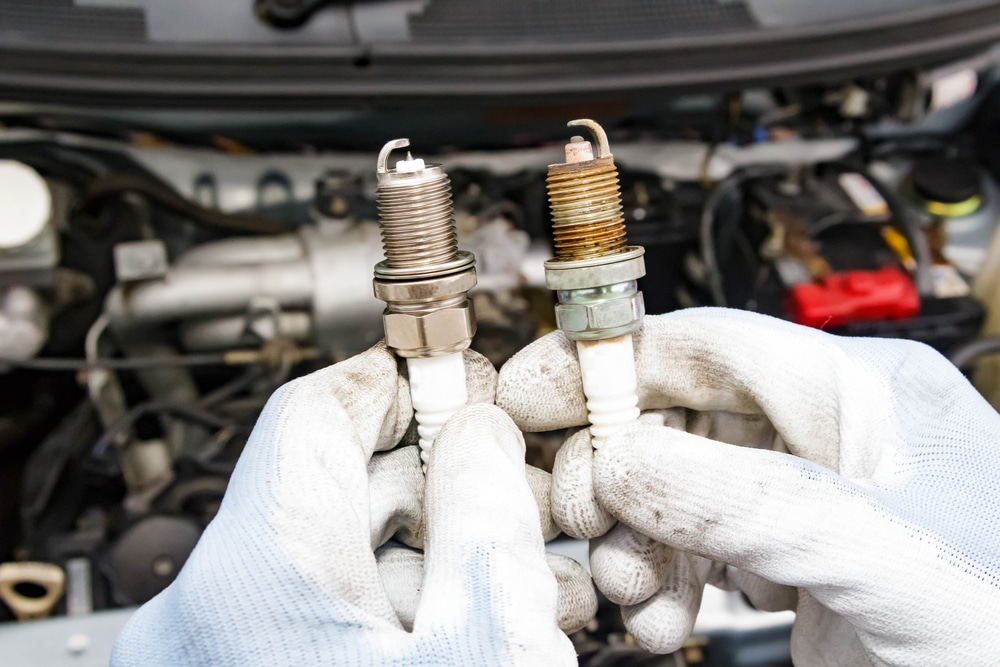
Remove the spark plug carefully using a wrench. Look at the metal tip and ceramic insulator. Check for any black soot, oil, or corrosion. A light tan or gray color shows the plug is in good condition. Thick black deposits mean the engine might be running too rich. Oil on the plug can indicate engine leaks. Cracks or chips on the ceramic part mean the plug must be replaced.
Measuring Electrode Gap
The electrode gap affects engine performance. Use a gap gauge to measure the space between the center and side electrodes. The correct gap size is listed in your car’s manual. If the gap is too wide or narrow, the plug can misfire. Adjust the gap carefully by bending the side electrode. Be gentle to avoid damage.
When To Seek Professional Help
Sometimes spark plug problems need a mechanic’s attention. If your engine misfires often or runs rough, visit a professional. Strange noises or poor fuel economy also signal issues. A mechanic can test spark plugs with special tools. They will replace plugs if needed and check related parts. Don’t wait too long to get help. Early action keeps your car reliable and safe.
Credit: shiresgarage.co.uk
Replacing Spark Plugs
Replacing spark plugs is a key part of car maintenance. It helps your engine run smoothly and saves fuel. Old spark plugs cause rough starts and poor performance. Changing them on time keeps your car healthy and reliable.
Tools Required
You need a few simple tools for this job. A spark plug socket is essential for removing old plugs. A ratchet or wrench will help turn the socket. A gap gauge checks the spark plug gap. You might also need a torque wrench for proper tightening. Have a clean cloth ready to wipe parts.
Step-by-step Replacement
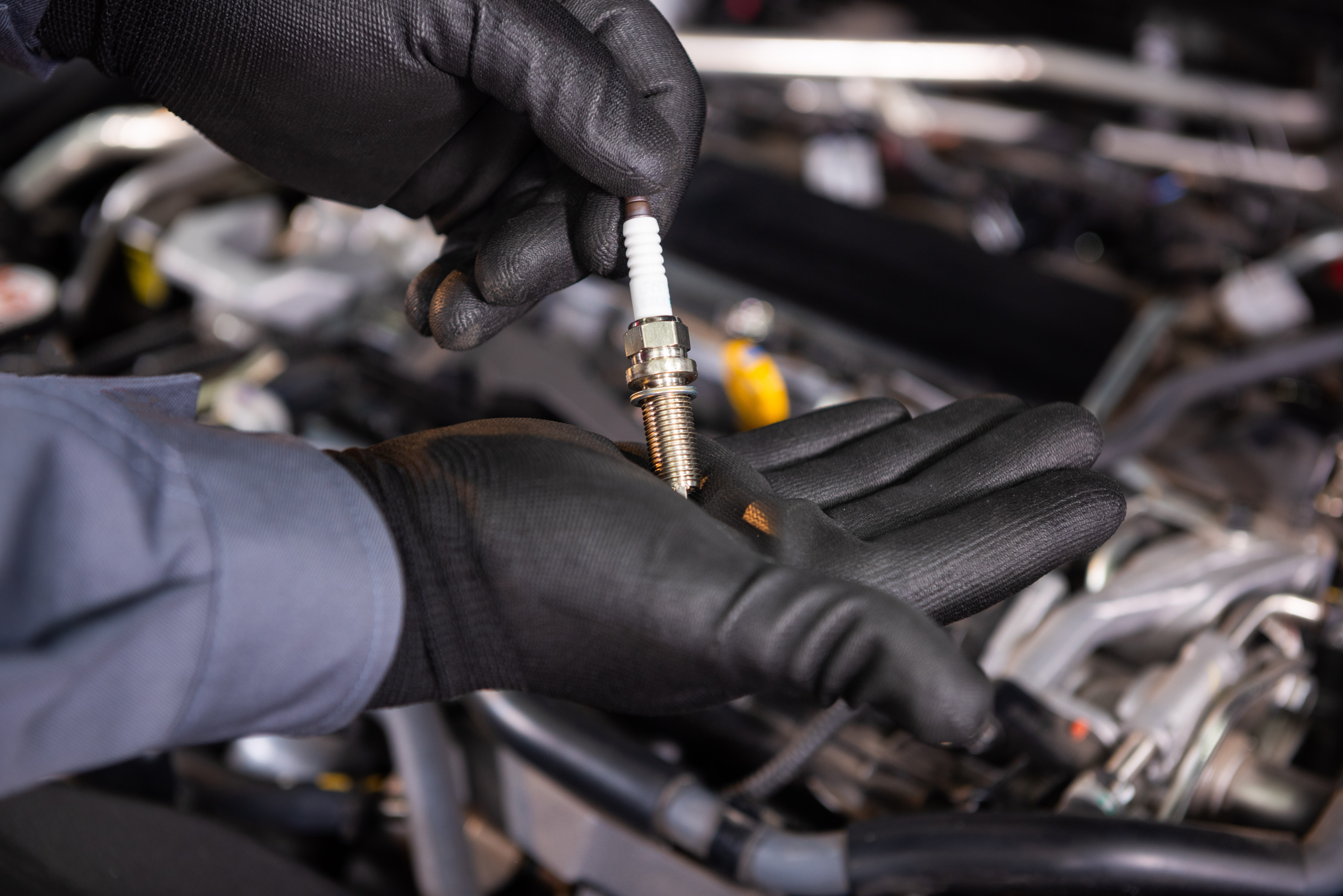
First, let the engine cool down to avoid burns. Remove the ignition coil or spark plug wire carefully. Use the spark plug socket and ratchet to unscrew the old plug. Check the old plug for damage or wear. Set the new plug’s gap using the gap gauge. Insert the new plug by hand to avoid cross-threading. Screw it in gently with the ratchet.
Torque And Installation Tips
Use a torque wrench to tighten spark plugs to the correct setting. Too tight can damage the threads. Too loose can cause poor engine performance. Check your car’s manual for the right torque value. Avoid overtightening for safety. Reattach the ignition coil or wire firmly. Test the engine to ensure smooth running.
Timing Your Replacement
Knowing the right time to replace spark plugs helps keep your car running well. Spark plugs wear out slowly. Replacing them too late can cause engine problems. Changing them too early wastes money. Timing your replacement carefully saves you trouble and cost.
Manufacturer Recommendations
Car makers give clear advice on spark plug replacement. Check your car’s manual for the exact mileage or time. Most spark plugs last between 30,000 and 100,000 miles. Using the manufacturer’s guide ensures you change plugs at the right time. Follow these instructions for best results.
Driving Habits And Conditions
How you drive affects spark plug life. Short trips, stop-and-go traffic, and heavy loads wear out plugs faster. Dusty or wet roads add extra stress. If you drive hard or in tough conditions, replace plugs sooner. Gentle driving on highways may let plugs last longer.
Using Maintenance Schedules
Regular maintenance helps track spark plug health. Create a schedule based on your car’s needs and driving style. Inspect plugs during routine oil changes or tune-ups. Early signs of wear include rough idling or poor fuel economy. Staying on schedule avoids sudden engine issues.
Credit: www.fordfranklin.com
Benefits Of Timely Replacement
Replacing spark plugs on time keeps your car running smoothly. It prevents small problems from turning into big repairs. This simple maintenance step helps your engine work better. It also saves money by avoiding extra fuel costs and pollution fines.
Improved Engine Performance
New spark plugs create a stronger spark. This makes the engine burn fuel more completely. The car starts easier and runs without misfires. You will notice smoother acceleration and less engine noise.
Enhanced Fuel Efficiency
Clean spark plugs help the engine use fuel wisely. Your car gets more miles from each gallon of gas. This means fewer stops at the pump and lower fuel expenses. Timely replacement keeps your fuel system in top shape.
Reduced Emissions
Worn spark plugs cause incomplete fuel burning. This increases harmful gases released into the air. Fresh plugs lower emissions, helping the environment. They also keep your car within emission test limits.
Frequently Asked Questions
How Often Should I Replace Car Spark Plugs?
Typically, replace spark plugs every 30,000 to 100,000 miles. Check your vehicle’s manual for specific intervals. Regular replacement ensures optimal engine performance and fuel efficiency.
What Are Signs Of Worn-out Spark Plugs?
Common signs include engine misfires, poor fuel economy, rough idling, and difficulty starting. If you notice these, inspect or replace your spark plugs promptly.
Can Old Spark Plugs Damage My Engine?
Yes, worn spark plugs can cause engine misfires and reduce performance. Prolonged use may lead to engine damage and higher repair costs. Replace plugs on time to avoid issues.
Are All Spark Plugs The Same For Every Car?
No, spark plugs vary by engine type, size, and manufacturer specifications. Always use spark plugs recommended in your vehicle’s manual for best results.
Conclusion
Regularly changing spark plugs keeps your car running smooth. Worn plugs cause poor engine performance and lower fuel efficiency. Most cars need new spark plugs every 30,000 to 100,000 miles. Check your owner’s manual for the exact time. Clean, fresh spark plugs help start your car easily.
They also reduce harmful emissions and save money on repairs. Don’t wait for problems to appear. Keep an eye on your spark plugs and replace them on time. Your car will thank you with better power and longer life.