
Have you ever wondered what happens if dirty engine oil stays in your diesel car? You might think it’s no big deal, but the truth could surprise you.
Dirty engine oil can quietly harm your engine, reduce performance, and even lead to costly repairs. If you want to keep your diesel car running smoothly and save money in the long run, understanding the risks of dirty oil is crucial.
Keep reading to find out why clean engine oil matters more than you think and how it affects your vehicle’s health.
Why Engine Oil Matters
Engine oil plays a key role in keeping a diesel car running well. It helps protect the engine parts from damage. Clean oil keeps the engine cool and stops it from wearing out fast. Dirty oil loses these abilities and can harm the engine. Understanding why engine oil matters helps you take better care of your diesel car.
Role Of Oil In Diesel Engines
Engine oil lubricates moving parts inside the engine. It stops metal parts from rubbing together and causing damage. Oil also carries away heat from the engine. It cleans away dirt and small metal bits. Without good oil, the engine parts wear out quickly. The oil also helps to reduce friction and improve fuel efficiency. Clean oil supports the engine’s smooth and safe operation.
Types Of Engine Oil
There are several types of engine oil for diesel cars. Mineral oil is made from natural crude oil. It is less expensive but breaks down faster. Synthetic oil is made in a lab and lasts longer. It protects the engine better under tough conditions. Semi-synthetic oil is a mix of mineral and synthetic oils. Different oils suit different engines and climates. Choosing the right oil helps the engine stay healthy and perform well.

Credit: www.youtube.com
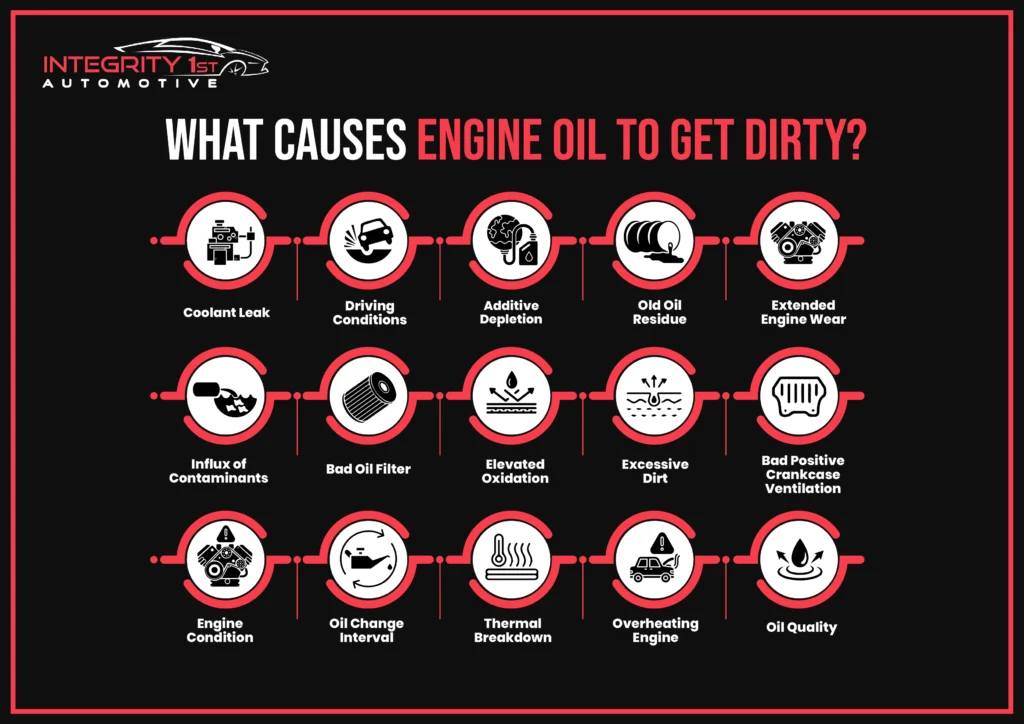
Causes Of Dirty Engine Oil
Dirty engine oil harms a diesel car’s engine. Knowing what causes oil to get dirty helps protect the engine. Several factors make engine oil lose its quality. These factors mix inside the engine and change the oil’s condition. Understanding these causes helps you maintain your diesel car better.
Combustion Byproducts
Diesel engines burn fuel to create power. This burning produces tiny particles and gases. These leftovers mix with the engine oil. Over time, they turn the oil dark and thick. These byproducts reduce oil’s ability to protect engine parts.
Contaminants And Debris
Dust, dirt, and metal bits enter the engine oil. These contaminants come from outside and inside the engine. They mix with the oil and cause damage. The debris scratches engine parts and clogs oil passages. Clean oil keeps the engine safe from harm.
Oil Breakdown Over Time
Engine oil wears out as it works. High heat and pressure break down the oil’s molecules. This makes the oil lose its strength and smoothness. Old oil cannot lubricate engine parts well. Changing oil regularly stops this breakdown and protects the engine.
Risks Of Using Dirty Oil
Using dirty engine oil in a diesel car causes many problems. Dirty oil loses its ability to protect the engine. It puts the engine under stress and causes damage. The risks can be serious and costly. Understanding these risks helps keep your car running well.
Engine Wear And Tear
Dirty oil contains dirt and metal particles. These act like sandpaper inside the engine. They wear down engine parts quickly. This leads to scratches and damage. Over time, engine parts fail and need replacement.
Reduced Fuel Efficiency
Clean oil helps the engine run smoothly. Dirty oil makes the engine work harder. This uses more fuel to do the same job. Your diesel car’s fuel economy drops. You spend more money on fuel over time.
Increased Emissions
Dirty oil affects how the engine burns fuel. Poor combustion creates more smoke and harmful gases. This pollutes the air and may fail emissions tests. Your car becomes less environmentally friendly.
Potential Engine Failure
Dirty oil can block oil flow inside the engine. Parts do not get enough lubrication. This causes overheating and severe damage. The engine may stop working altogether. Repair costs are very high or replacement needed.

Credit: www.blauparts.com
Signs Of Dirty Engine Oil
Dirty engine oil can harm your diesel car’s engine. It affects how well the engine runs and can cause serious damage. Knowing the signs of dirty oil helps you act fast. Catching these signs early can save you money and keep your car healthy.
Oil Color And Consistency
Fresh oil is usually amber and clear. Dirty oil turns dark brown or black. It may look thick or gritty. Thick oil does not flow well. Gritty oil can scratch engine parts. Check the oil with a dipstick often.
Engine Performance Issues
The engine may run rough or stall. You might notice less power or slow acceleration. The engine could make strange noises. Dirty oil causes more friction inside the engine. This reduces efficiency and harms performance.
Warning Lights And Alerts
Your car’s dashboard can warn you. The oil change or check engine light may turn on. These alerts mean oil quality is low. Do not ignore these warnings. They protect your engine from damage.
Preventing Oil Contamination
Dirty engine oil harms diesel engines. Preventing oil contamination keeps engines clean and running well. Clean oil protects engine parts and improves fuel efficiency. Follow simple steps to stop dirt and debris from mixing with oil.
Regular Oil Changes
Changing oil regularly removes dirt and metal particles. Old oil loses its ability to protect engine parts. Use the right oil change schedule for your diesel car. This keeps the engine oil clean and fresh.
Using Quality Oil Filters
Oil filters catch dirt and debris before reaching the engine. Choose filters that fit your diesel car model. Good filters stop small particles from contaminating the oil. Replace filters during every oil change for best results.
Maintaining Engine Health
Healthy engines produce less dirt and sludge. Fix leaks and engine problems quickly. Keep air filters clean to reduce dirt entering the engine. Regular engine checkups help spot issues early. Clean engines help keep oil pure longer.
Choosing The Right Oil For Diesel Cars
Choosing the right oil for diesel cars is very important. Diesel engines work differently from gasoline engines. They need oil that can handle more pressure and heat. Using the wrong oil can cause damage and reduce engine life. Clean and proper oil keeps the engine running smoothly.
Oil Viscosity And Specifications
Oil viscosity means how thick or thin the oil is. Diesel engines need oil with the right thickness to protect parts well. Check your car manual for the correct viscosity grade. Using oil too thick or too thin can harm the engine. Also, look for oils meeting diesel engine specifications. These oils have additives to fight dirt and wear.
Synthetic Vs Conventional Oil
Synthetic oil lasts longer and works better in extreme temperatures. It flows smoothly at low temperatures and protects well at high heat. Conventional oil is cheaper but breaks down faster. Diesel engines benefit from synthetic oil’s strong protection. Choose synthetic oil for better engine health and longer oil change intervals.
Steps To Fix Dirty Oil Problems
Dirty engine oil can harm your diesel car’s engine. Fixing dirty oil problems is important. This keeps the engine running smooth and extends its life.
Follow these steps to solve dirty oil issues. Start with cleaning the oil system. Then replace the oil and filters. Finally, get professional help for best care.
Oil Flush Procedures
Oil flush removes sludge and dirt inside the engine. It uses a special cleaning liquid. Pour it into the oil tank before an oil change. Run the engine for a short time. Drain the old oil and sludge out. This process clears blockages and protects engine parts.
Replacing Oil And Filters
After flushing, change the engine oil fully. Use the oil type recommended for diesel cars. Replace the oil filter too. It traps dirt and metal bits. New oil and filters keep the engine clean. This helps the engine work better and last longer.
Professional Maintenance Tips
Regular check-ups by a mechanic catch oil problems early. They use tools to check oil quality and engine health. Follow their advice on oil change intervals. Keep your engine oil clean with routine service. Professionals also check other fluids and filters. This keeps your diesel car in top shape.
Credit: www.integrity1auto.com
Frequently Asked Questions
What Happens If Diesel Car Engine Oil Is Dirty?
Dirty engine oil causes poor lubrication, leading to increased wear. It can clog filters and reduce engine efficiency, risking damage.
How Often Should I Change Diesel Engine Oil?
Change diesel engine oil every 5,000 to 7,500 miles or as recommended by the manufacturer to maintain engine health.
Can Dirty Oil Damage Diesel Engine Components?
Yes, dirty oil can cause sludge buildup, corrosion, and wear on engine parts, potentially leading to costly repairs or engine failure.
Does Dirty Engine Oil Affect Diesel Car Performance?
Dirty oil reduces lubrication, causing engine friction and overheating. This leads to lower fuel efficiency and poor overall vehicle performance.
Conclusion
Dirty engine oil harms your diesel car’s engine performance. It causes wear and reduces fuel efficiency. Changing oil regularly keeps the engine clean and healthy. Clean oil helps the engine run smoothly and last longer. Avoiding dirty oil saves money on repairs in the long run.
Take care of your diesel car by using fresh oil often. Simple steps protect your engine and keep your car reliable. Don’t ignore the signs of dirty oil. Act early to keep your diesel engine strong.