
Is your car leaving oily spots on your driveway? Oil leaks in your engine can be frustrating and costly if ignored.
But don’t worry—you have the power to stop these leaks before they cause serious damage. You’ll discover simple, effective steps to identify and fix oil leaks in your car engine. By the end, you’ll feel confident in protecting your car and saving money on repairs.
Keep reading to learn how to take control of your car’s health today.

Credit: www.wikihow.com
Common Causes Of Engine Oil Leaks
Engine oil leaks cause many car problems. They lower oil levels and can damage the engine. Knowing the common causes helps to fix leaks fast. This saves money and keeps the car running well. Below are key reasons why oil leaks happen.
Worn Gaskets And Seals
Gaskets and seals stop oil from escaping the engine. Over time, heat and pressure wear them out. Cracks or breaks in these parts let oil leak. Old gaskets lose their tight fit and fail to seal properly. Replacing worn gaskets stops leaks effectively.
Damaged Oil Pan
The oil pan holds the engine oil at the bottom. It can get dents or holes from road debris or hitting objects. A damaged oil pan leaks oil onto the ground. Fixing or replacing the pan is necessary to stop leaks.
Loose Or Damaged Drain Plug
The drain plug allows oil to be drained during changes. If it is loose, oil drips out. A damaged plug or worn threads cause leaks too. Tightening or replacing the plug prevents oil loss and keeps the engine clean.
Faulty Valve Cover
The valve cover protects the engine’s valves and seals oil inside. Cracks or a broken valve cover cause leaks. Worn valve cover gaskets also lead to oil seepage. Repairing or changing the valve cover stops oil from leaking out.
Cracked Engine Block
A cracked engine block is serious and causes major oil leaks. Cracks can form from engine overheating or physical damage. Oil leaks from these cracks reduce engine oil quickly. This issue needs professional repair or engine replacement.
Identifying Oil Leak Sources
Finding the source of an oil leak in your car engine is the first step to fixing it. Oil leaks can cause serious engine problems and reduce performance. Knowing where the oil is coming from helps you decide how to stop the leak. This section explains simple ways to identify oil leak sources effectively.
Visual Inspection Techniques
Start by looking at the engine and the area under your car. Look for fresh oil spots or wet, dark stains. Check the oil pan, valve cover, and oil filter. Oil leaks often show as shiny or dark patches. Use a flashlight to see hard-to-reach places.
Using Uv Dye For Detection
UV dye helps find leaks that are not easy to see. Add the dye to your engine oil. Run the engine for a short time. Use a UV light to check for glowing oil spots. The dye shows the exact place where oil escapes.
Checking Oil Levels And Spots
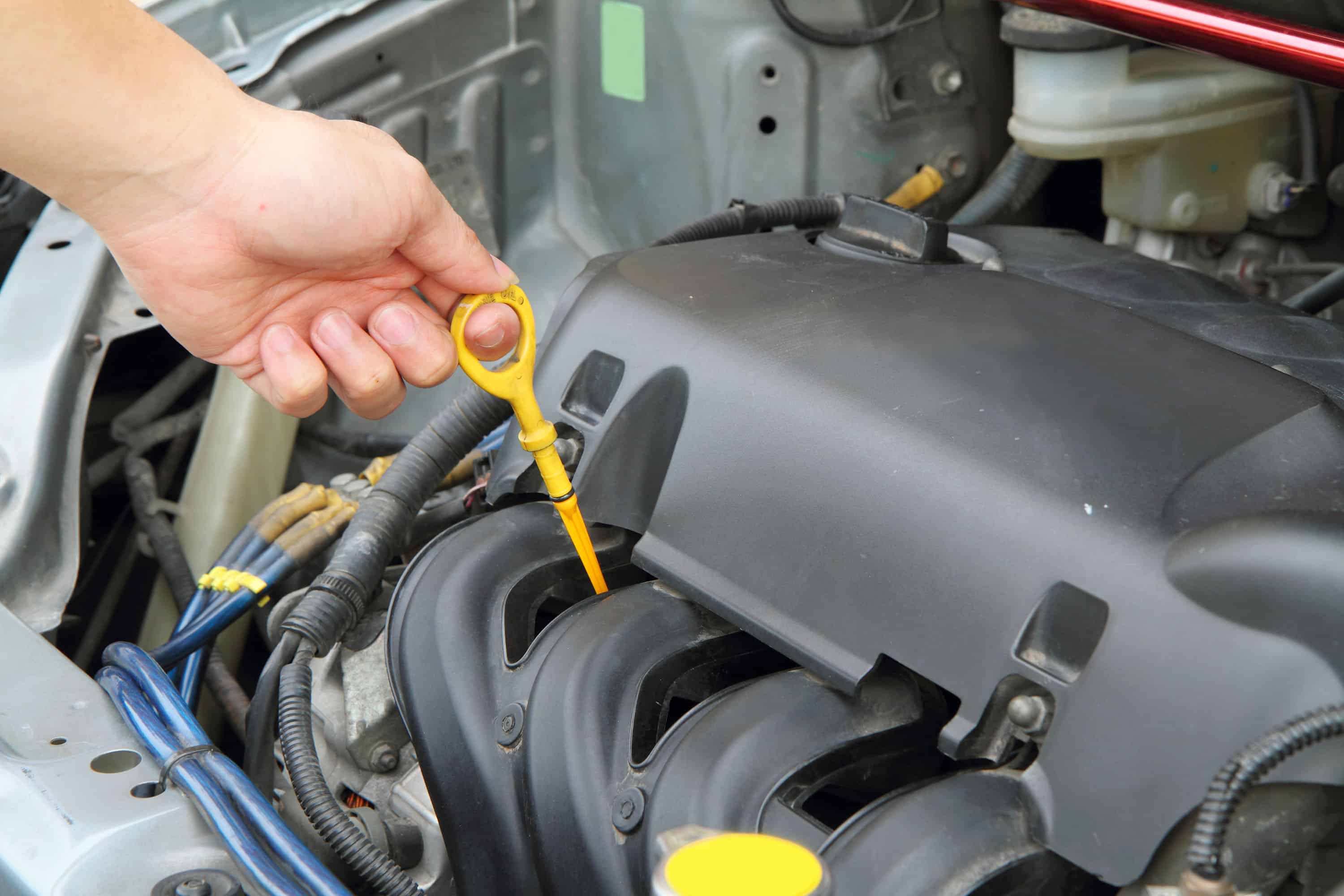
Check the oil level with the dipstick. Low oil might mean a leak. Look at where you park your car for fresh oil spots. These spots show where oil might be dripping. Mark the spots and check them after driving.
Monitoring Engine Performance
Oil leaks can affect how your engine runs. Pay attention to smoke from the exhaust or engine overheating. Notice if the engine sounds rough or stalls. These signs may mean oil is leaking inside the engine.
Quick Fixes For Minor Leaks
Minor oil leaks in your car engine can cause trouble if left unchecked. Quick fixes can help stop these leaks before they become bigger problems. These simple steps save time and money. Each method targets common leak sources and is easy to do at home.
Tightening Loose Components
Loose bolts or screws often cause oil leaks. Check parts like the oil pan and valve cover. Use a wrench to tighten any loose components. Do not overtighten, as this can cause damage. Tightening stops oil from seeping out.
Replacing Gaskets And Seals
Old or damaged gaskets and seals often cause leaks. Remove the faulty gasket or seal carefully. Replace it with a new one that fits well. This creates a tight barrier to hold oil inside. New gaskets and seals restore engine integrity.
Applying Oil Leak Stopper Additives
Oil leak stopper additives thicken engine oil. They help swell seals and reduce leaks. Pour the additive into the engine oil. Run the engine for a short time. This method works best for minor leaks in seals.
Using Epoxy For Small Cracks
Small cracks in the engine block or oil pan can leak oil. Clean the cracked area thoroughly before applying epoxy. Use high-quality epoxy designed for metal repairs. Apply the epoxy and let it cure as directed. This creates a strong seal over the crack.
Tools And Materials Needed
Fixing an oil leak in your car engine needs the right tools and materials. Having these ready helps you work faster and safer. The list below covers everything important for the job.
Basic Hand Tools
Start with simple hand tools. A set of wrenches and sockets fits most bolts and nuts. Screwdrivers help remove clamps and covers. A flashlight lets you see tight spaces. Gloves protect your hands from oil and dirt. Rags come in handy to clean spills.
Sealants And Gasket Makers
Sealants stop oil from leaking through small gaps. Gasket makers form new seals where old gaskets fail. Choose products made for engine use. Apply them carefully to avoid blocking oil flow. Follow the instructions on the package for best results.
Oil Leak Stop Additives
Oil additives can reduce leaks by swelling seals. They mix directly with your engine oil. Use these products as a temporary fix. Read the label to check compatibility with your car. These additives help slow leaks but may not fix big problems.
Cleaning Supplies
Cleaning is key before fixing leaks. Use degreasers to remove oil and grime. A wire brush cleans tough spots. Paper towels or shop towels wipe surfaces dry. Clean parts help you see leaks clearly and make sealants stick better.
Step-by-step Repair Process
Fixing oil leaks in a car engine takes careful steps. Follow this guide to repair the leak correctly. Each step helps prevent future problems and keeps the engine running well.
Preparing The Engine Area
Start by cleaning the engine area around the leak. Remove dirt and grease with a degreaser. Use a cloth to wipe the area dry. This makes it easier to see the damaged parts. Also, disconnect the battery to avoid any accidents. Make sure the engine is cool before working on it.
Removing Damaged Parts
Locate the source of the leak and remove any damaged parts. Use the right tools to loosen bolts and screws carefully. Keep track of all parts you remove. Avoid forcing parts to prevent further damage. Take pictures if needed to remember how parts fit together.
Installing New Seals Or Gaskets
Replace old seals or gaskets with new ones. Choose parts that match your car model. Apply a thin layer of sealant if the instructions say so. Position the new gasket carefully to avoid leaks. Tighten bolts evenly and avoid over-tightening, which can cause damage.
Testing For Leaks After Repair
Start the engine and let it run for a few minutes. Check the repaired area for any signs of new leaks. Look for fresh oil or wet spots. Turn off the engine and inspect again. Repeat the check after driving a short distance. This ensures the repair holds under normal conditions.

Credit: www.trustauto.com
Preventing Future Oil Leaks
Preventing future oil leaks is important to keep your car engine healthy. Small leaks can cause big problems over time. Taking simple steps helps avoid costly repairs and keeps your car running smoothly. Regular care protects your engine and saves money.
Regular Maintenance Tips
Check your car engine regularly for signs of wear or damage. Replace old gaskets and seals before they break. Clean dirt and grime from the engine area often. Schedule routine inspections with a trusted mechanic to catch leaks early.
Checking Oil Levels Frequently
Check your oil level every week or before long trips. Low oil can cause engine damage and increase leak risks. Use the dipstick to see if oil is between the minimum and maximum marks. Top up with the right oil if the level is low.
Using Quality Engine Oil
Choose engine oil that meets your car’s specifications. Good oil helps protect seals and gaskets from damage. Avoid cheap oils that can break down quickly. Change oil and filters on time to keep the engine clean.
Avoiding Over-tightening Bolts
Tighten engine bolts carefully during repairs or maintenance. Over-tightening can crack gaskets and cause leaks. Use a torque wrench to apply the correct pressure. Follow the manufacturer’s guide to avoid damage.
When To Seek Professional Help
Knowing when to seek professional help for an oil leak in your car engine is important. Some problems need expert skills and tools. Acting fast can save your engine from serious damage and high repair costs.
Signs Of Major Engine Damage
Look for smoke from the engine or a burning oil smell. Low oil levels despite topping up often mean a big leak. Strange noises or engine warning lights also show trouble. These signs suggest serious engine damage.
Complex Leak Locations
Leaks in hard-to-reach areas need special tools. Oil seals deep inside the engine or the oil pan gasket can be tricky. Trying to fix these without skills may cause more harm. Professionals know how to handle complex spots safely.
Lack Of Repair Experience
Not sure how to fix the leak? Car engines are complex. Without proper knowledge, repairs might fail or worsen the issue. A mechanic’s experience ensures the job is done right the first time. Avoid guessing and risking your engine.
Cost Vs. Diy Repair Considerations
DIY repairs may seem cheaper but can lead to bigger costs. Mistakes might cause engine damage or longer repair times. Professionals may charge more upfront but save money later. Weigh the risks before deciding to fix the leak yourself.
Credit: www.meineke.com
Frequently Asked Questions
What Causes Oil Leaks In Car Engines?
Oil leaks often result from worn gaskets, seals, or damaged oil pans. Over time, these parts degrade and allow oil to escape. Poor maintenance and high engine pressure can also contribute to leaks.
How Can I Detect An Engine Oil Leak Early?
Look for oil spots under your car or a burning oil smell. Check the oil level frequently. Inspect engine components for grime or wet spots indicating a leak.
What Are The Best Methods To Stop Oil Leaks?
Replace faulty gaskets and seals promptly. Use high-quality engine oil and avoid overfilling. Regular maintenance and timely repairs help prevent and stop leaks effectively.
Can Diy Fixes Stop Oil Leaks Permanently?
Minor leaks can be temporarily fixed with sealants, but permanent fixes require part replacement. Professional inspection ensures the leak source is correctly addressed.
Conclusion
Stopping oil leaks keeps your engine clean and running well. Check seals and gaskets often for signs of wear or damage. Tighten loose bolts to avoid leaks. Use the right oil type and change it on time. Clean spills quickly to prevent dirt buildup.
Small fixes can save you from big repairs later. Stay alert to any new leaks or smells. Taking care of your engine helps it last longer and keeps your car safe on the road. Simple steps make a big difference in engine health.