
Knowing how to fill up your car’s engine oil is a simple skill that can save you time and money. If you’ve ever felt unsure about where to start or worried about making a mistake, you’re not alone.
But don’t worry—this guide will walk you through every step in a clear and easy way. By the end, you’ll feel confident handling your car’s oil like a pro. Ready to keep your engine running smoothly? Let’s get started.
Choosing The Right Engine Oil
Choosing the right engine oil is key to keeping your car’s engine healthy. The right oil protects engine parts and helps the engine run smoothly. Picking the wrong oil can cause damage or reduce engine life. Understanding oil types, viscosity, and grade makes this task easier.
Types Of Engine Oil
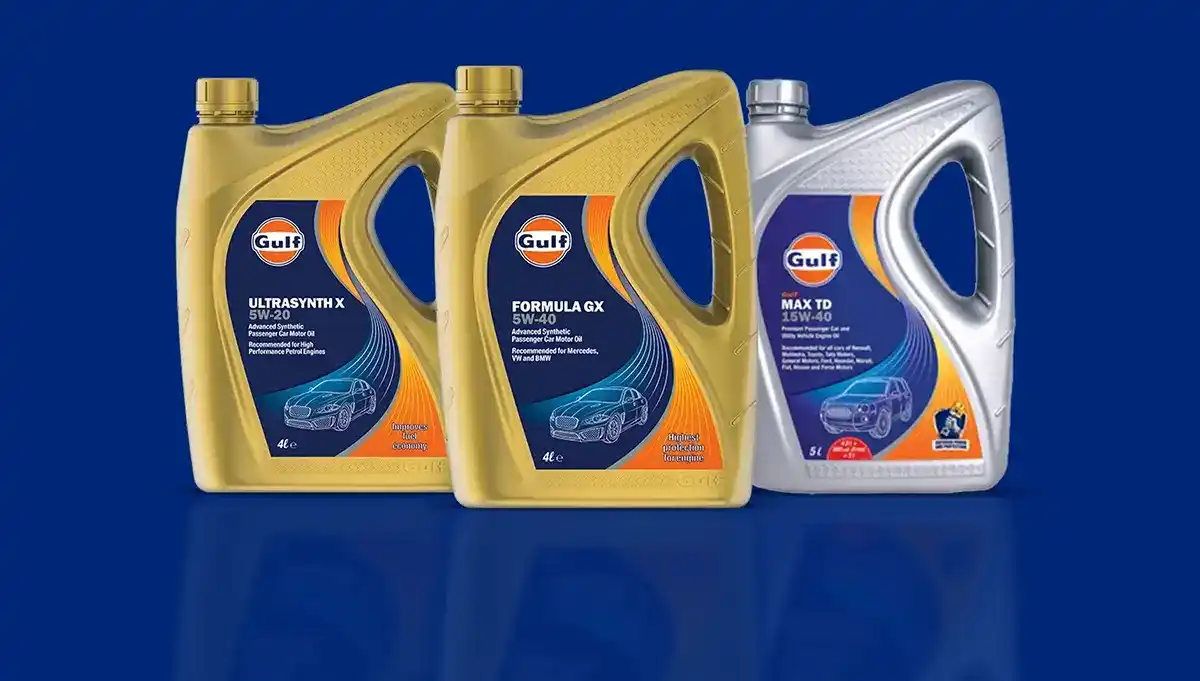
There are three main types of engine oil: mineral, synthetic, and semi-synthetic. Mineral oil is made from crude oil and suits older cars. Synthetic oil is man-made and offers better protection and performance. Semi-synthetic oil blends mineral and synthetic oils. It balances cost and benefits for many vehicles.
Checking Oil Viscosity
Viscosity means how thick or thin the oil is. Thick oil flows slower and thin oil flows faster. Oil viscosity affects how well oil moves inside the engine. Check your car manual for the correct viscosity range. Using the wrong viscosity can cause poor lubrication or engine wear.
Selecting Oil Grade
Oil grade shows the oil’s viscosity at different temperatures. It is marked as numbers like 5W-30 or 10W-40. The first number with W means winter or cold temperature. The second number is the oil thickness at hot engine temperature. Choose the grade recommended by your car maker for best results.
Preparing Your Car
Preparing your car before adding engine oil is very important. It helps you work safely and ensures the oil goes in correctly. Taking simple steps can prevent spills and damage to your engine.
Park On A Level Surface
Find a flat and stable place to park your car. This stops the oil from flowing unevenly. It also helps you check the oil level accurately. Avoid sloped or bumpy areas.
Turn Off The Engine
Switch off your car’s engine and let it cool down. Hot engine parts can cause burns. Cooling also lets the oil settle, giving a true level reading. Wait at least 10 minutes before opening the hood.
Gather Necessary Tools
Collect all tools before starting the oil refill. You will need a funnel, the right type of engine oil, and a clean rag. Having everything ready saves time and keeps the process smooth.
Locating The Oil Cap And Dipstick
Checking the oil level is an important step before filling your car engine with oil. It helps you know if the oil is enough or needs topping up. Regular checks keep your engine safe and running well. Follow these simple steps to check the oil level correctly.
Removing The Dipstick
Open the car hood and find the dipstick. It usually has a bright handle for easy spotting. Pull the dipstick out slowly and wipe it clean with a cloth or paper towel. This removes old oil and dirt. Then, put the dipstick back fully into its tube.
Reading The Oil Level
Pull out the dipstick again and look at the end. You will see marks that show the safe oil range. The oil should be between the low and high marks. If the oil is below the low mark, your engine needs more oil. Check the color and texture too. Clean oil is clear and smooth, not dark or gritty.
When To Add More Oil
Add oil if the level is below the low mark. Use the right type of oil for your car. Pour slowly and check the level often. Do not overfill; too much oil can damage the engine. Regularly checking oil helps avoid engine problems and saves money on repairs.
Checking Oil Level
Adding engine oil is a simple task that helps keep your car running smoothly. It prevents engine parts from wearing out and keeps the engine cool. You should add oil carefully to avoid spills and overfilling. Follow these steps to add oil correctly and safely.
Opening The Oil Cap
Locate the oil cap on the engine. It usually has an oil can symbol. Turn the cap counterclockwise to open it. Place the cap somewhere clean to avoid dirt falling inside. Make sure the engine is cool before opening the cap to avoid burns.
Using A Funnel
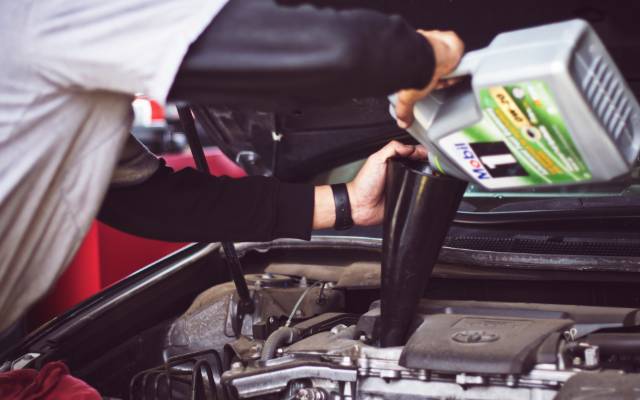
Use a funnel to pour oil without spilling. Place the funnel inside the oil opening. This helps guide the oil smoothly into the engine. A funnel keeps your engine bay clean and prevents waste.
Pouring The Oil Slowly
Pour the oil slowly into the funnel. Pouring too fast can cause spills. Stop occasionally to check the oil level using the dipstick. Add small amounts until the oil reaches the recommended level. This prevents overfilling and engine damage.
Adding Engine Oil
Rechecking the oil level is an important step after adding engine oil. It ensures your car has the right amount of oil for smooth running. Too much or too little oil can cause engine problems. Taking time to check again helps keep your engine safe.
Waiting A Few Minutes
After pouring in the oil, wait a few minutes before measuring. This pause lets the oil settle in the engine. It also allows the oil to flow into all parts properly. Waiting helps you get an accurate oil level reading.
Measuring The Oil Level Again
Pull out the dipstick and wipe it clean with a cloth. Insert the dipstick fully back into its tube. Pull it out slowly and check where the oil reaches. The oil should be between the minimum and maximum marks. If it’s low, add a little more oil and check again.
Credit: www.gulfoilltd.com
Rechecking Oil Level
Cleaning up after adding engine oil is a crucial step. It keeps your engine area tidy and prevents damage. Oil spills can attract dirt and cause engine parts to slip. Taking a few minutes to clean up helps maintain your car’s health.
Securing The Oil Cap
After pouring the oil, place the oil cap back carefully. Twist it until you feel it lock in place. A loose cap can cause oil leaks and engine problems. Make sure it fits snugly to keep the oil inside.
Wiping Any Spills
Check around the oil fill hole for any drops or spills. Use a clean cloth or paper towel to wipe off oil. Spilled oil can make engine parts dirty and slippery. Cleaning spills helps keep the engine clean and safe.
Cleaning Up
Regular maintenance keeps your car engine healthy and running smoothly. Small habits can prevent big problems. Paying attention to oil care is very important. Clean oil helps your engine work better and last longer.
Follow simple tips to maintain your engine oil properly. This saves money and avoids costly repairs. A well-maintained engine also improves fuel efficiency and performance.
When To Change Engine Oil
Change your engine oil based on the car manual’s advice. Most cars need an oil change every 3,000 to 5,000 miles. Check oil color and level regularly. Dark or low oil means it is time for a change. Timely oil changes protect your engine parts from wear.
Keeping A Maintenance Log
Write down every oil change and check in a log. This record helps you track your car’s health. You will know when the next oil change is due. A maintenance log also helps mechanics understand your car’s history. Keep it in your car or phone for easy access.
Credit: www.theaa.com

Credit: www.wikihow.com
Frequently Asked Questions
How Often Should I Fill Up Car Engine Oil?
You should check your engine oil monthly. Refill when levels are low or as per your car manual. Regular checks prevent engine damage and ensure smooth performance.
What Type Of Engine Oil Is Best For My Car?
Refer to your car’s manual for recommended oil type. Use oil grade suitable for your engine and climate. Using correct oil improves efficiency and engine life.
Can I Fill Engine Oil Myself Safely?
Yes, filling engine oil is simple and safe. Use a clean funnel and pour slowly to avoid spills. Always check oil level with the dipstick after filling.
How Do I Check The Engine Oil Level Accurately?
Park your car on level ground and turn off the engine. Wait a few minutes, then pull out the dipstick, wipe it clean, reinsert, and check the oil level on the stick.
Conclusion
Filling up car engine oil is simple with the right steps. Always check the oil type before adding. Use a clean funnel to avoid spills. Pour slowly and watch the level closely. Regular oil checks help keep your engine healthy.
Doing this yourself saves time and money. Take care of your car, and it will last longer. Keep learning small car tips for better maintenance. Easy and quick—just a little care goes a long way.