

Your petrol car’s engine oil is like its lifeblood. Without fresh oil, your engine can wear out faster, lose power, and even break down.
But how do you know when it’s time to change the oil? Changing it too early wastes money, and waiting too long can cause serious damage. If you want to keep your car running smoothly and avoid costly repairs, understanding the right time to change your engine oil is crucial.
Read on to discover simple signs and clear timelines that will help you protect your car and save money on maintenance.
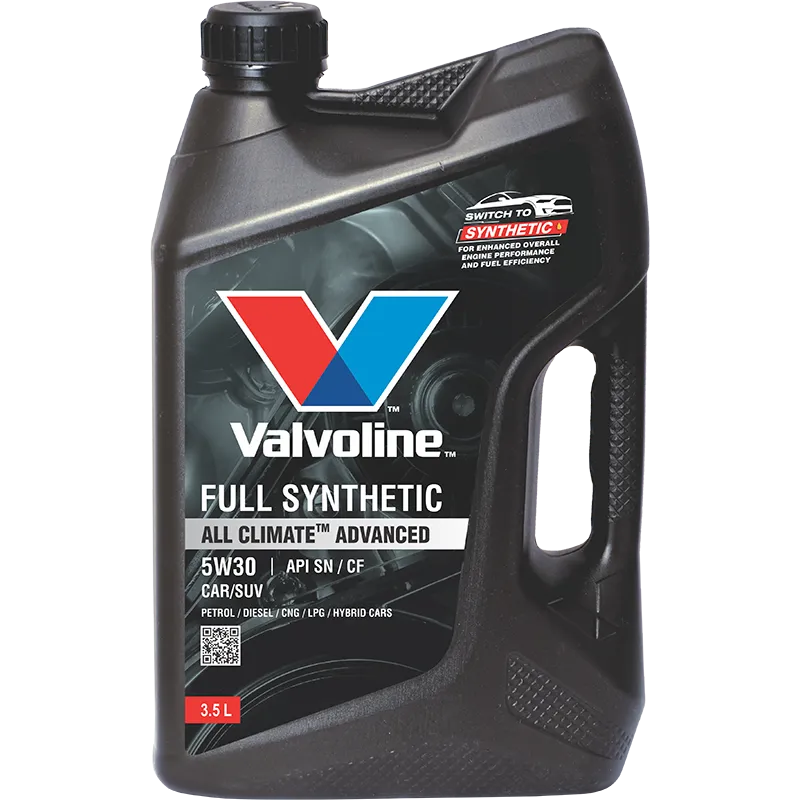
Credit: www.valvolineglobal.com
Signs You Need An Oil Change
Engine oil keeps your petrol car running smoothly. It lubricates parts and stops them from wearing out. Over time, oil loses its power. It needs changing to protect the engine. Some signs show when oil change is due. Watch for these signs to avoid engine problems.
Engine Noise And Performance
Loud engine noise can mean old oil. Oil that is dirty or thin cannot protect well. You may hear knocking or ticking sounds. The engine might run rough or lose power. These signs show oil needs changing soon.
Oil Color And Texture
Check oil color by dipping a clean cloth. Fresh oil is amber or light brown. Dark, black oil means it is dirty. Thick or gritty oil shows it is old. Clean oil flows smoothly; thick oil does not. Change oil if color or texture looks bad.
Oil Level Drops
Low oil level can hurt engine parts. Check the dipstick regularly to see oil amount. If level drops fast, oil may leak or burn. Add oil immediately and find the leak. An oil change might be necessary if level keeps falling.

Credit: belmontlubricants.com
Recommended Oil Change Intervals
Knowing the right time to change engine oil is key for petrol cars in India. Engine oil keeps the engine parts smooth and cool. Over time, oil gets dirty and loses its power. Changing oil at the right time helps your car run better and last longer. Follow these recommended oil change intervals to keep your car in top shape.
Manufacturer Guidelines
Each car maker gives a guide on oil change time. This is usually in the owner’s manual. Most petrol cars need an oil change every 5,000 to 10,000 kilometers. Some modern cars can go up to 15,000 kilometers. Always check your car’s manual for the exact number. Following these rules helps keep the warranty safe.
Driving Conditions In India
India’s roads and weather affect oil life. Dusty roads and hot weather make oil dirty faster. Stop-and-go traffic adds heat and stress to the engine. This means oil needs changing more often than usual. For tough conditions, change oil every 5,000 kilometers or even sooner. Regular checks help spot oil problems early.
City Vs Highway Driving
City driving is hard on engine oil. Frequent stops, starts, and idling cause oil to break down fast. Change oil every 5,000 to 7,000 kilometers for city driving. Highway driving is easier on the engine. The oil stays cleaner longer with steady speeds. For highways, oil change can be stretched to 10,000 kilometers or more. Adjust your oil change based on your main driving style.
Types Of Engine Oil For Petrol Cars
Choosing the right engine oil for a petrol car affects engine health and performance. Different oils suit different engines and driving conditions. Understanding types of engine oil helps in making the best choice for your car.
Here are key points about engine oil types used in petrol cars in India.
Conventional Vs Synthetic Oil
Conventional oil comes from crude oil and is less refined. It suits older cars and short trips. Synthetic oil is made in labs and offers better protection. It handles heat and stress well. Synthetic oil lasts longer and keeps engines cleaner.
Viscosity Grades Explained
Viscosity shows how thick or thin the oil is. It affects how oil flows at different temperatures. Grades like 5W-30 or 10W-40 tell this. Lower “W” means better cold start performance. The second number shows oil thickness at high heat.
Oil Quality Standards
Oil quality matters for engine safety and efficiency. Look for standards like API and ACEA on the label. These show the oil meets specific tests. Indian cars often need oils that meet local standards too. Quality oils reduce engine wear and improve mileage.
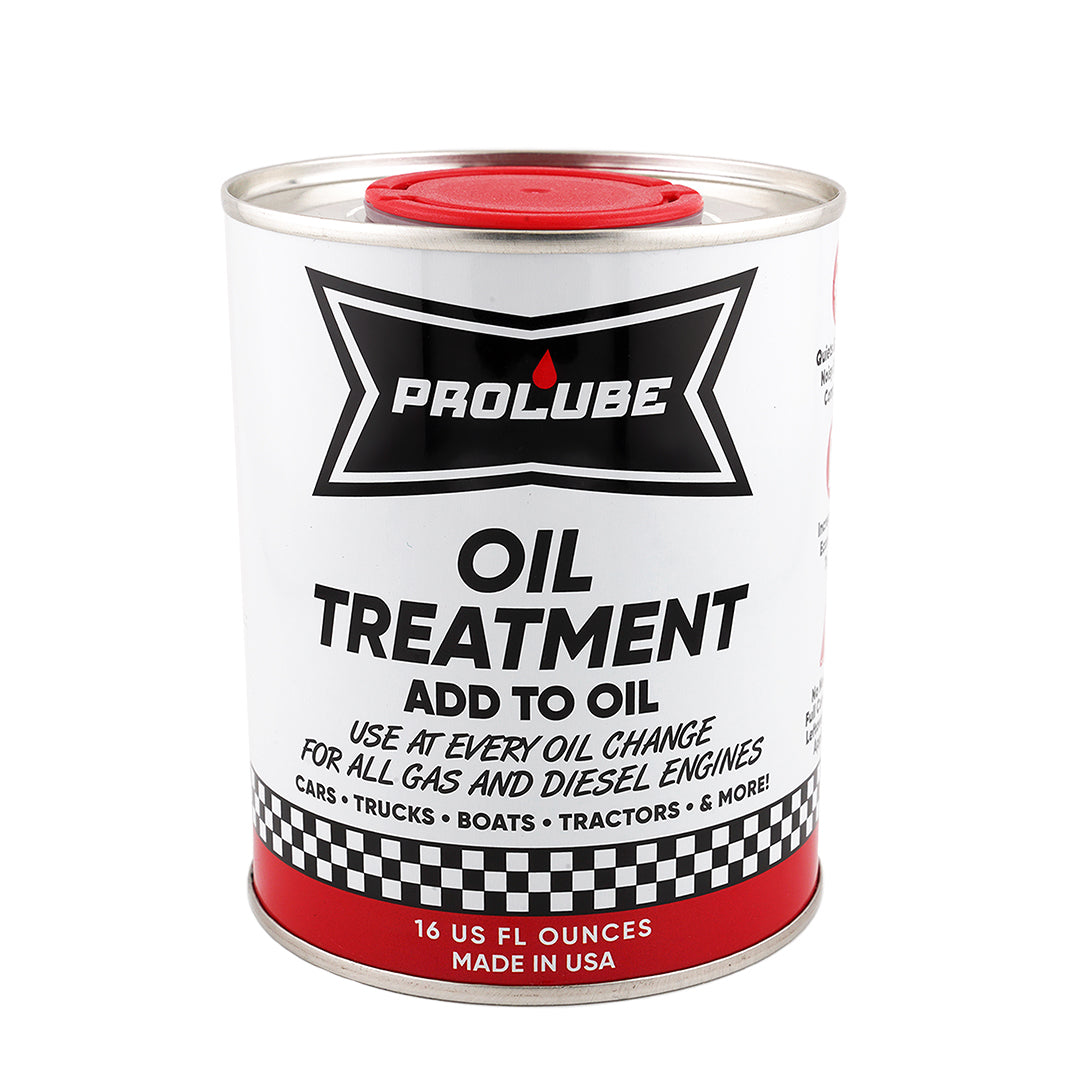
Credit: prolubeoil.com
Factors Affecting Oil Change Frequency
Changing engine oil in a petrol car depends on many factors. These affect how often you need to replace the oil. Understanding these helps keep your car healthy and running well. Regular oil change protects the engine and improves performance.
Climate And Weather Impact
Hot weather makes engine oil break down faster. In many parts of India, temperatures soar in summer. This causes oil to lose its lubricating power quickly. Cold weather thickens oil, making the engine work harder. Frequent temperature changes also stress the oil. Drivers in extreme weather need to change oil more often.
Fuel Quality Considerations
Fuel quality in India varies a lot. Poor fuel leaves more deposits in the engine. These deposits contaminate the oil, reducing its life. Using low-quality petrol may require earlier oil changes. High-quality fuel helps keep the oil cleaner longer. Check fuel quality to decide oil change timing.
Driving Habits And Load
City traffic and stop-and-go driving wear engine oil faster. Short trips do not heat the engine enough to burn off moisture. This moisture mixes with oil, making it dirty. Heavy loads and towing put extra pressure on the engine. Aggressive driving also speeds up oil degradation. Gentle driving and less load extend oil life.
How To Check Engine Oil
Checking engine oil is important to keep your petrol car running smoothly. Engine oil lubricates the engine parts and stops them from wearing out. Regular checks help you spot problems early and avoid costly repairs. Below are simple steps to check your engine oil at home.
Using The Dipstick
Open the car’s bonnet and find the dipstick. It usually has a bright handle. Pull it out and wipe it clean with a cloth. Insert it back fully and pull it out again. Look at the oil level on the dipstick. It should be between the minimum and maximum marks. Check the oil color too. Fresh oil is amber or light brown. Dark or dirty oil needs changing.
Signs Of Contaminated Oil
Oil that looks thick or gritty can damage the engine. Milky or frothy oil may mean coolant is leaking. Black, sticky oil shows it is old and dirty. Bad smell or burnt oil also means trouble. These signs mean oil must be changed soon to protect the engine.
When To Consult A Mechanic
If the oil level drops fast, ask a mechanic. Strange noises from the engine can mean oil problems. Smoke from the exhaust or oil leaks need expert help. Regular oil checks can prevent these issues. Visit your mechanic for oil changes and engine checks regularly.
Benefits Of Timely Oil Changes
Changing engine oil on time offers many benefits for petrol car owners in India. It keeps the engine healthy and running smoothly. Clean oil reduces wear and tear inside the engine parts. This helps avoid costly repairs and keeps the car reliable for daily use.
Timely oil changes also improve how well the car uses fuel. Old, dirty oil makes the engine work harder. Fresh oil helps the engine run easily, saving petrol and money. It also lowers harmful gases released from the car, helping the environment stay cleaner.
Enhanced Engine Life
Fresh engine oil protects metal parts from friction and damage. It forms a thin layer that stops parts from rubbing together. This reduces engine wear and extends its life. Regular oil changes prevent sludge build-up that can block oil flow. A well-lubricated engine lasts longer and performs better.
Improved Fuel Efficiency
Clean oil lowers engine friction, helping it run smoothly. The engine uses less fuel to deliver the same power. This improves the car’s mileage, saving money on petrol. Proper oil viscosity also helps the engine start easily in all weather. Better fuel efficiency means fewer visits to the petrol pump.
Reduced Emissions
Old oil causes incomplete fuel burning, increasing smoke and pollution. Fresh oil improves engine combustion, lowering harmful gases. This helps the car meet emission standards in India. Reduced emissions protect the environment and improve air quality. Timely oil changes contribute to cleaner, healthier cities.
Diy Vs Professional Oil Change
Changing engine oil is essential for petrol cars in India. Car owners often wonder whether to do it themselves or visit a professional. Both options have their benefits and challenges. Choosing the right method depends on skills, tools, budget, and convenience.
Tools Required For Diy
Doing an oil change yourself needs some basic tools. You need a wrench to remove the drain plug. An oil filter wrench helps in taking out the old filter. A container to catch used oil is important to avoid spills. Fresh engine oil and a new oil filter must be ready. Gloves keep your hands clean and safe. A funnel helps pour oil without mess. Having a car jack or ramps makes access easier.
Choosing A Service Center
Professional service centers offer quick oil changes. Look for authorized or trusted garages. Check if they use genuine oil and filters. Some centers provide free vehicle check-ups with oil changes. Good centers keep service records for your car. Ask about warranty on parts and services. Clean and organized workshops show professionalism. Friendly staff can explain the process and answer questions.
Cost Comparison
DIY oil change costs less in parts and labor. You buy oil and filter only. No extra charges for service or disposal. Professional oil changes cost more. They include labor and service fees. Some centers offer packages with discounts. DIY saves money but takes time and effort. Professionals save time but cost more. Decide based on your budget and skills.
Frequently Asked Questions
How Often Should I Change Engine Oil In A Petrol Car?
Change engine oil every 5,000 to 7,500 kilometers or every 6 months. This varies by car model and driving conditions. Regular oil changes keep the engine clean and running smoothly.
What Type Of Engine Oil Suits Petrol Cars In India?
Use synthetic or semi-synthetic oil with viscosity 5W-30 or 10W-30. Check your car manual for specific recommendations. Quality oil improves engine efficiency and protects against wear.
Can Driving Conditions Affect Oil Change Frequency?
Yes, heavy traffic, frequent short trips, and dusty roads increase oil degradation. In such conditions, change oil more often, around every 5,000 kilometers or 3-4 months.
What Are Signs That Engine Oil Needs Changing?
Look for dark, dirty oil, engine noise, or warning lights. Reduced fuel efficiency and rough engine performance also indicate oil change is needed.
Conclusion
Changing engine oil in your petrol car keeps the engine healthy and smooth. Check the car manual for the right time to change oil. Driving conditions in India, like traffic and heat, affect oil life. Regular oil changes prevent engine damage and save money.
Clean oil helps your car run better and last longer. Don’t wait too long; change oil on time for best results. Taking care of engine oil means taking care of your car’s heart. Stay alert and keep your petrol car in top shape.