
You rely on your car every day, so keeping it in top shape is a must. One of the easiest ways to protect your engine is by making sure it has enough oil.
But how do you know when your car needs engine oil? Ignoring this can lead to serious problems and costly repairs. You’ll learn simple signs to watch for and quick checks you can do yourself. By the end, you’ll feel confident knowing exactly when it’s time to add or change your engine oil—saving you time, money, and stress.
Keep reading to find out what your car is trying to tell you.
Check Oil Level Regularly
Checking your car’s engine oil level regularly keeps your engine healthy. Oil lubricates engine parts and prevents damage. Low oil can cause serious problems. A quick oil check takes only a few minutes. It helps you spot issues early and avoid costly repairs. Follow these simple steps to check your oil level accurately.
Locate The Dipstick
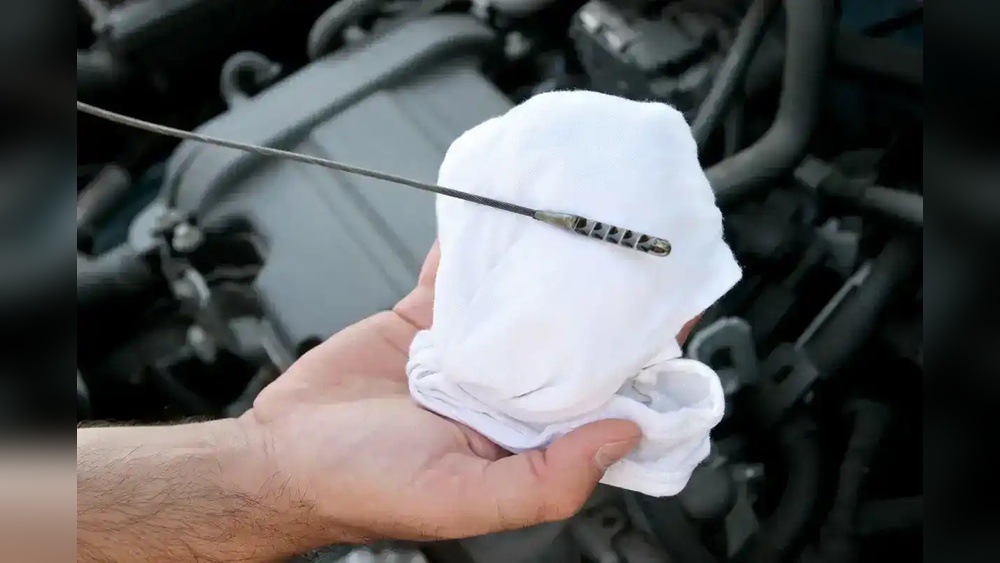
The dipstick is a long, thin rod inside the engine. It usually has a bright handle, often yellow or orange. Open the car hood and find the dipstick near the engine. It might be labeled “engine oil.” Pull the dipstick out slowly and wipe it clean with a cloth. This prepares it for an accurate reading.
Read The Oil Level
After cleaning, push the dipstick all the way back in. Pull it out again and check the oil level on the end. The dipstick has marks to show the oil range. The oil should be between the low and full marks. Dark or dirty oil means it may be time for a change.
Identify Low Oil Marks
Look closely at the dipstick markings. If the oil is below the low mark, add oil soon. Running your car with low oil can harm the engine. Check your owner’s manual for the right oil type. Add small amounts and recheck the level until it reaches the full mark. Never overfill, as this can also cause damage.

Credit: finetunedautos.ca
Look For Warning Lights
Warning lights on your car’s dashboard are the first signs of engine oil issues. They help you act fast before serious damage occurs. Paying attention to these lights can save you money and trouble.
Oil Pressure Light
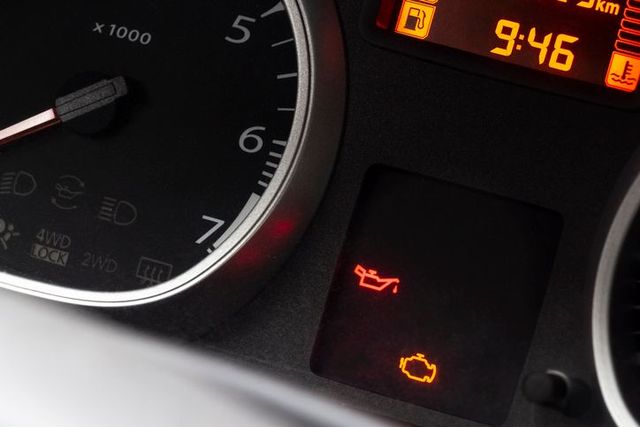
The oil pressure light looks like an oil can. It turns on when oil pressure is too low. Low oil pressure means the engine is not lubricated well. This can cause parts to wear out quickly. Stop the car and check the oil level if this light appears. Do not drive long with this light on.
Check Engine Light
The check engine light can signal many problems, including oil issues. It may glow if the oil level is low or the oil quality is poor. This light means the engine needs attention soon. Use a code reader or visit a mechanic to find the exact cause. Do not ignore this warning.
Monitor Engine Noise
Listening to your car’s engine can reveal many issues. Engine oil keeps parts moving smoothly. Without enough oil, the engine noise changes. Pay attention to any new or strange sounds. These sounds often signal oil problems. Monitor engine noise regularly to protect your car.
Unusual Ticking Sounds
Ticking noises under the hood may indicate low oil. Engine parts need oil to reduce friction. Without oil, metal parts hit each other. This causes a sharp, ticking sound. The noise is often louder when the engine is cold. Checking for this sound can help you act early.
Loud Engine Operation
A loud engine can mean oil levels are low. Oil cushions engine parts and reduces noise. Without enough oil, the engine works harder. This makes the engine sound louder than usual. You may hear roaring or grinding noises. These sounds warn that your engine needs attention.

Credit: shvaasautomotive.com
Observe Exhaust Smoke
Observing exhaust smoke is a simple way to check your car’s engine health. Smoke color and amount tell important stories about engine oil problems. Watch the exhaust closely during startup and while running. Different smoke colors point to different issues inside the engine. This helps decide if the engine oil needs attention or a change soon.
Blue Smoke Indications
Blue smoke means engine oil burns in the combustion chamber. This happens when oil leaks past worn seals or rings. Burning oil creates blue or bluish-gray smoke from the tailpipe. Notice blue smoke especially during acceleration or startup. It signals oil is not staying where it should. Ignoring this can cause engine damage and higher oil use.
Excessive Smoke Risks
Excessive smoke harms the engine and environment. Thick smoke clogs parts and reduces engine power. It often means oil levels are too high or oil is dirty. Smoke can also show engine overheating or poor maintenance. Driving with heavy smoke can lead to costly repairs. Check oil level and quality regularly to avoid these risks.
Check For Oil Leaks
Checking for oil leaks is a simple way to know if your car needs engine oil. Oil leaks waste oil and can damage your engine. Catching leaks early saves money and keeps your car running well. It only takes a few minutes to check under your car and around the engine. Watch for signs of fresh oil outside your vehicle.
Spotting Oil Puddles
Look under your parked car for dark spots or puddles. Fresh oil is usually black or dark brown. It feels slippery and smooth. Puddles may appear near the front or middle of the car. Small spots can mean slow leaks. Larger puddles mean serious leaks. Check after your car has been parked for a few hours. Dry spots or dust-covered stains are less of a worry.
Common Leak Areas
Oil leaks often come from certain places in the engine. Check around the oil pan, near the bottom of the engine. The oil filter and drain plug are other common spots. Look at valve cover gaskets on top of the engine. Oil can also leak from the oil pressure sensor. Use a flashlight to see dark or greasy areas. Clean dirt and oil to spot new leaks easier. Regular checks help catch leaks before they grow bigger.
Credit: www.hoodsupquicklube.com
Note Engine Performance Changes
Noticing changes in your engine’s performance can signal low or dirty engine oil. Oil keeps the engine parts moving smoothly and cool. Without enough clean oil, your engine struggles to work well.
Watch for any unusual signs while driving. These signs help you know when to check your oil. A small problem now can stop your car later.
Reduced Power
Your car may feel weaker than usual. It may take longer to speed up or climb hills. Engine oil helps parts move freely. Dirty or low oil makes the engine parts work harder. This reduces the power your car gives you.
Overheating Issues
The engine may get hotter than normal. Oil cools the engine by reducing friction. Without enough oil, the engine heats up fast. You might see the temperature gauge rise. Overheating can cause serious engine damage if ignored.
Inspect Oil Appearance
Checking the oil’s look helps to know your engine’s health. Oil changes color and texture when it gets old or contaminated. A quick glance can tell if the oil needs changing or if there is a problem in the engine.
Dark And Dirty Oil
Fresh oil is light amber and clear. Over time, it turns dark because of dirt and metal bits. Thick, black oil means it is very dirty. Dirty oil cannot protect the engine well. It causes friction and wear. Change the oil soon if it looks dark and dirty.
Milky Or Foamy Oil
Oil should not look milky or have foam on top. This means water or coolant mixes with the oil. It may happen if the engine has a leak or a gasket problem. Milky oil loses its ability to lubricate. Check the oil if it looks like this. Fix the problem before it causes engine damage.
Frequently Asked Questions
How Often Should I Check My Car’s Engine Oil?
You should check your car’s engine oil at least once a month. Regular checks prevent engine damage and improve performance. Always check when the engine is cool and the car is on level ground for accurate readings.
What Are Signs Of Low Engine Oil In A Car?
Signs include the oil warning light on your dashboard, engine noise, or overheating. Low oil can cause poor engine performance and damage. If you notice any signs, check the oil level immediately and top it up if needed.
Can Old Engine Oil Cause Car Problems?
Yes, old oil loses its lubrication properties and can cause engine wear. It leads to increased friction and overheating. Regular oil changes are essential to maintain engine health and avoid costly repairs.
How Do I Check Engine Oil Level Correctly?
Park on level ground, turn off the engine, and wait a few minutes. Pull out the dipstick, wipe it clean, reinsert fully, then remove again to check the oil level. The oil should be between the minimum and maximum marks.
Conclusion
Keeping your engine oil at the right level helps your car run smoothly. Check the oil regularly to avoid engine problems. Dark or low oil means it’s time to change it. Strange noises or warning lights also signal oil issues.
Small steps like this save big repair costs later. Trust your car’s signs and act quickly. Simple care keeps your engine healthy and your ride safe. Don’t wait until damage happens. Stay alert, check often, and drive with confidence.