

Have you ever wondered what keeps your car’s engine running smoothly every time you turn the key? The answer lies in a simple yet powerful fluid: engine oil.
Without it, your engine could quickly overheat, wear out, or even break down. Understanding what engine oil does and why it’s essential can save you from costly repairs and extend the life of your car. Keep reading, and you’ll discover how this everyday liquid plays a crucial role in your vehicle’s health—and what you need to know to keep your engine protected.
Role Of Engine Oil
Engine oil plays a vital role in keeping your car’s engine running smoothly. It helps many parts work together without damage. The oil reduces friction, cleans, cools, and protects the engine. Understanding its role helps you see why regular oil changes matter.
Lubrication Benefits
Engine oil creates a thin layer between moving parts. This layer stops metal parts from rubbing directly. It reduces wear and tear on the engine. Smooth parts mean better engine performance and longer life.
Heat Dissipation
Engines get very hot during use. Engine oil absorbs some of this heat. It carries heat away from parts to prevent overheating. This keeps the engine cool and prevents damage.
Engine Cleaning
Oil picks up dirt, dust, and tiny metal bits. It carries these particles away from engine parts. This cleaning action stops buildup inside the engine. A clean engine runs better and lasts longer.
Corrosion Protection
Engine oil forms a protective barrier on metal surfaces. This barrier stops moisture and air from causing rust. Corrosion can weaken engine parts. Oil helps keep the engine strong and safe.
Types Of Engine Oil
Engine oil plays a key role in keeping a car’s engine running smoothly. Different types of engine oil offer unique benefits. Choosing the right type helps protect the engine and improve performance. Understanding these types can help you make better decisions for your car’s care.
Conventional Oil
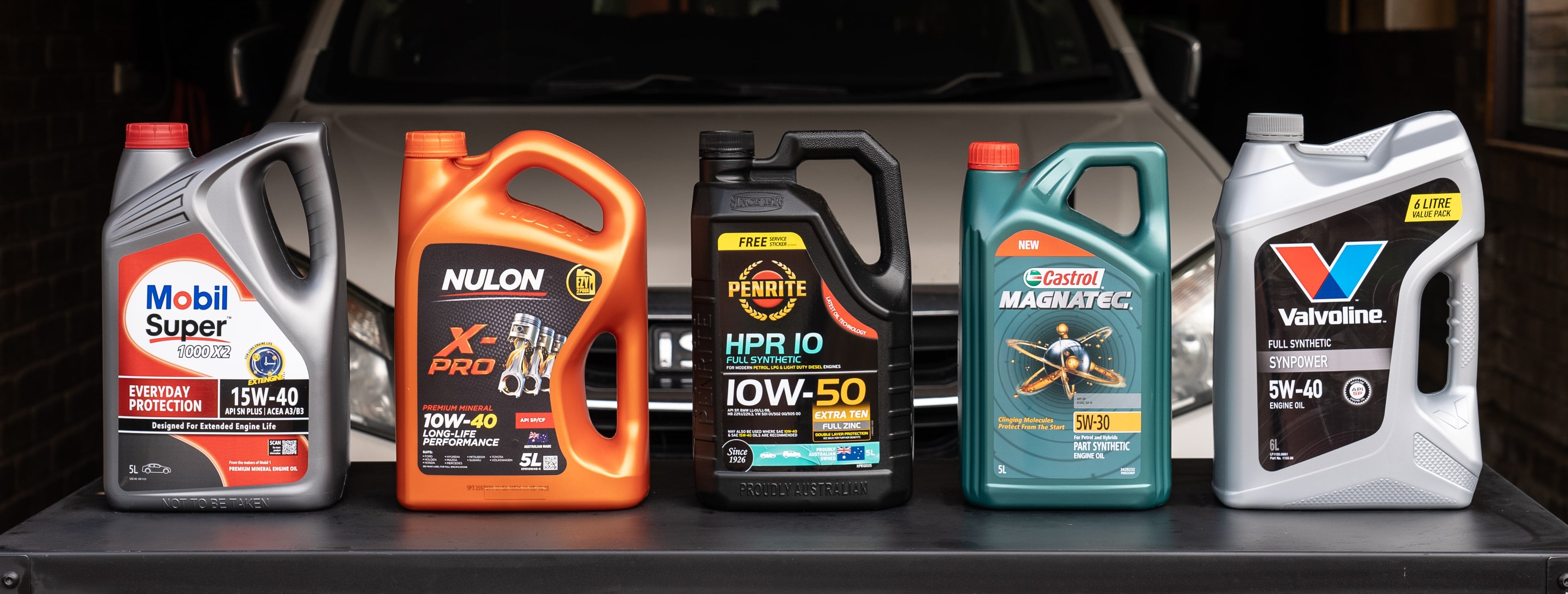
Conventional oil is the most common type of engine oil. It is made from crude oil and refined to work in most engines. It provides basic protection and lubrication. This oil is usually less expensive than other types. It works well for older cars or engines with simple designs.
Synthetic Oil
Synthetic oil is made from chemical compounds designed for high performance. It flows better at low temperatures and protects better at high temperatures. This oil lasts longer and keeps engines cleaner. It is ideal for modern cars and those driven in extreme conditions.
Synthetic Blend Oil
Synthetic blend oil combines conventional oil with synthetic oil. It offers better protection than conventional oil alone. This blend improves engine wear and reduces deposits. It is a good choice for drivers who want extra protection without the full cost of synthetic oil.
High-mileage Oil
High-mileage oil is designed for cars with over 75,000 miles. It contains special additives to reduce leaks and oil burn-off. This oil helps maintain engine seals and reduce wear. It keeps older engines running smoother for longer.
Engine Oil Grades
Engine oil grades tell you how the oil performs in different temperatures and conditions. They help you choose the right oil for your car. Using the correct grade keeps your engine clean and running smoothly.
Understanding oil grades makes maintenance easier and protects your engine from damage.
Viscosity Ratings
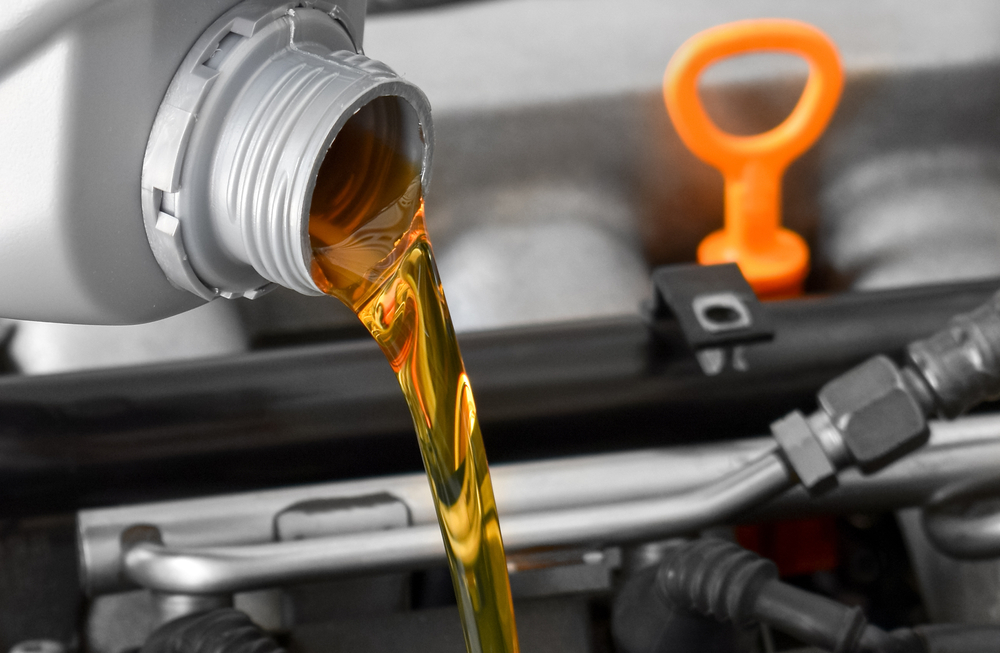
Viscosity means how thick or thin the oil is. Thin oil flows quickly, thick oil moves slower. Oil has numbers like 5W-30. The first number shows oil flow in cold weather. The “W” means winter. The second number shows oil thickness at high temperatures. Lower numbers flow easier in cold, higher numbers protect better in heat.
Single Vs Multi-grade Oils
Single-grade oils have one viscosity number, like SAE 30. They work well in steady temperatures. Multi-grade oils have two numbers, like 10W-40. They work well in cold and hot weather. Multi-grade oils protect your engine better during temperature changes. Most modern cars need multi-grade oils for best performance.
Credit: www.cbac.com
Choosing The Right Oil
Choosing the right engine oil is vital for your car’s health. The correct oil protects the engine and helps it run smoothly. Not all oils are the same. Different cars need different types of oil. Understanding how to pick the right oil saves money and avoids engine problems.
Manufacturer Recommendations
Check your car’s manual for oil type advice. Manufacturers test oils for their engines. They suggest oil grades and types that work best. Using recommended oil keeps your warranty valid. It also ensures the engine performs well. Follow these guidelines strictly for best results.
Driving Conditions
Think about how you drive daily. Short trips and stop-and-go traffic need different oil than long highway drives. Heavy loads or towing require thicker oil. City driving causes more engine wear. Choose oil that suits your driving style. This helps protect your engine longer.
Climate Considerations
Oil must work well in your local climate. Cold weather needs oil that flows easily at low temperatures. Hot climates require oil that stays thick and protects the engine. Some oils are multi-grade for all seasons. Pick oil that matches your area’s temperature range. This keeps your engine safe year-round.
Changing Engine Oil
Changing engine oil is a key part of car care. It keeps the engine running smoothly and stops damage. Old oil loses its power to protect the engine. Fresh oil helps reduce wear and cools engine parts.
Regular oil changes improve fuel efficiency and extend engine life. It also helps avoid costly repairs. Knowing when and how to change oil is important for every car owner.
When To Change Oil
Check your car manual for oil change intervals. Many cars need oil changes every 3,000 to 5,000 miles. Some newer cars can go 7,500 miles or more. Also, consider oil type and driving conditions. Frequent short trips or dusty roads need more frequent changes.
Oil Change Process
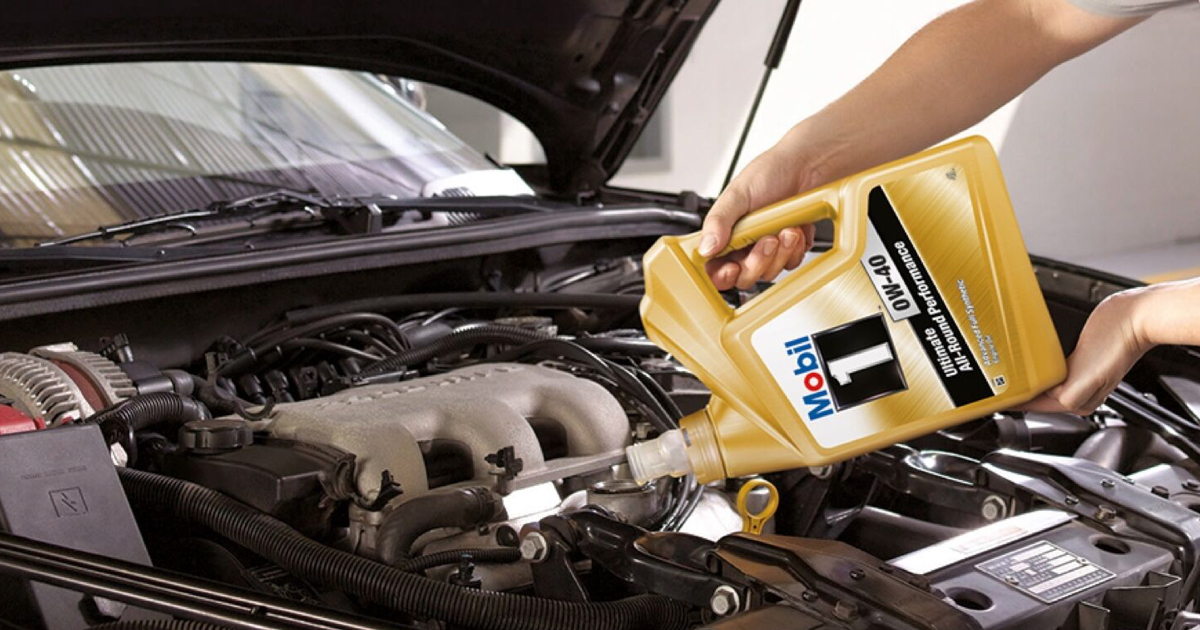
First, warm up the engine for a few minutes. This helps the oil drain faster. Then, lift the car safely with a jack or ramps. Remove the drain plug to let old oil flow out. Replace the oil filter with a new one. Finally, add new oil of the right type and amount. Check the oil level with the dipstick before finishing.
Disposing Used Oil
Never pour used oil down drains or on the ground. It is harmful to the environment. Collect old oil in a clean container. Take it to a recycling center or auto shop. Many places accept used oil for safe disposal. Proper disposal protects water and soil from pollution.
Credit: www.supercheapauto.com.au
Signs Of Oil Problems
Engine oil keeps your car’s engine running smoothly. It reduces friction and cools engine parts. Problems with engine oil can cause serious damage. Recognizing signs of oil issues early can save you from costly repairs.
Oil Leaks
Oil leaks appear as dark spots under your car. They happen when seals or gaskets wear out. Leaks lower oil levels and reduce lubrication. Low oil can cause engine parts to wear faster. Check under your car regularly for leaks.
Engine Noise
Unusual engine noise can signal oil problems. Oil lubricates engine parts to stop rubbing sounds. When oil is low or dirty, parts may grind or knock. Listen for louder or strange noises from the engine. Noise often means oil is not doing its job.
Oil Pressure Warning
The oil pressure warning light shows on the dashboard. It means the oil pressure is too low. Low pressure stops oil from reaching engine parts. This can quickly damage the engine. Do not ignore this warning. Stop the car and check oil levels.
Engine Oil Additives
Engine oil is not just a simple liquid. It contains special ingredients called additives. These additives help the oil work better and protect the engine. They keep the engine clean, reduce wear, and keep the oil thick enough to protect parts. Without these additives, engine oil would lose power fast.
Detergents
Detergents clean the engine by removing dirt and deposits. They stop sludge and harmful build-ups inside the engine. This keeps the engine running smoothly. Detergents also help prevent corrosion and rust. Clean engines last longer and use fuel more efficiently.
Anti-wear Agents
Anti-wear agents protect engine parts from rubbing and damage. They form a thin layer on metal surfaces. This layer stops metal parts from scraping each other. It reduces friction and heat. Less friction means less wear and longer engine life.
Viscosity Modifiers
Viscosity modifiers control how thick or thin the oil is. They help the oil stay at the right thickness in hot and cold temperatures. This keeps the engine parts well lubricated at all times. Proper viscosity prevents engine damage and improves performance.
Credit: www.mobil.com
Frequently Asked Questions
What Is The Primary Purpose Of Engine Oil?
Engine oil lubricates engine parts, reducing friction and wear. It also helps cool the engine and prevent corrosion. Clean oil ensures smooth engine operation and extends engine life.
How Often Should I Change My Car’s Engine Oil?
Typically, change engine oil every 5,000 to 7,500 miles. Check your car’s manual for specific intervals. Regular oil changes keep the engine running efficiently and prevent damage.
What Types Of Engine Oil Are Best For Cars?
Common engine oils include conventional, synthetic, and blend oils. Synthetic oils offer better performance and protection. Choose oil based on your car’s manufacturer recommendations and driving conditions.
Can Old Engine Oil Harm My Car’s Engine?
Yes, old oil loses viscosity and lubrication properties. This causes engine parts to wear faster and may lead to overheating. Regular oil changes prevent engine damage and improve performance.
Conclusion
Engine oil keeps your car’s engine clean and running smoothly. It stops parts from rubbing and wearing out. Good oil helps your car use less fuel and stay cool. Changing oil regularly protects your engine from damage. Always choose the right oil type for your car.
Simple steps like checking oil levels save you money and trouble. Take care of your engine, and it will take care of you. Oil is small but very important for your car’s health.