
Have you ever wondered if your car’s tires have tubes inside them? It’s a question that might seem simple but can actually affect how your tires perform and how you maintain them.
Knowing whether your tires have tubes can help you make smarter choices about tire care, repairs, and safety. You’ll discover the truth about tubes in car tires and what that means for your driving experience. Keep reading—you might be surprised by what you learn!
Types Of Car Tires
Car tires come in different types. Each type has unique features and uses. Understanding these types helps in choosing the right tire for your vehicle. The main types of car tires are tubed and tubeless. Both serve the same purpose but work differently.
Tubed Tires
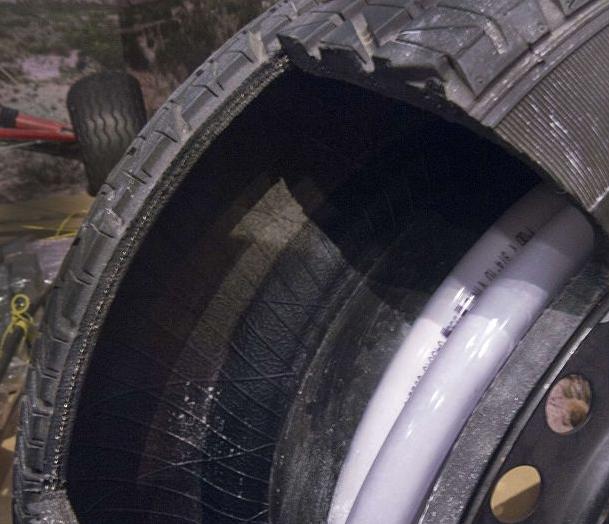
Tubed tires have an inner tube inside the tire. This tube holds the air and keeps the tire inflated. The tire and tube are separate parts. If the tube gets punctured, the tire loses air quickly. Tubed tires are common in older cars and some motorcycles. They need more maintenance than tubeless tires.
Tubeless Tires
Tubeless tires do not have an inner tube. The tire itself holds the air tightly against the rim. This design reduces the chance of sudden air loss. Tubeless tires are lighter and safer. Most modern cars use tubeless tires. They are easier to repair after small punctures.
Credit: mgaguru.com
How Tubed Tires Work
Tubeless tires are common in modern cars. They do not use an inner tube to hold air. Instead, the tire itself and the rim work together to keep air inside.
This design changes how tires perform and how drivers maintain them. Tubeless tires offer several benefits over older tube-type tires. Understanding their design helps explain why they are popular today.
Design And Structure
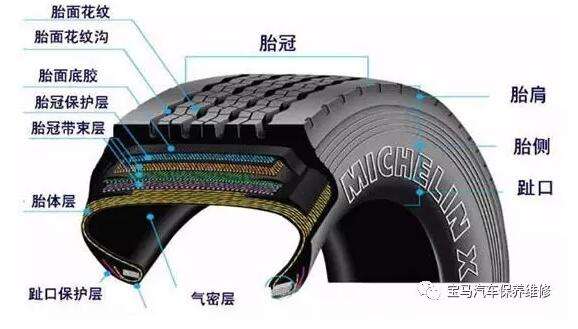
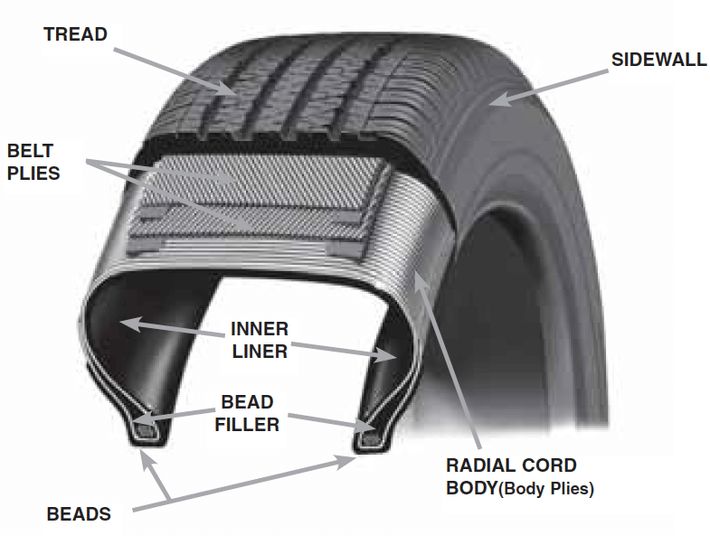
Tubeless tires have a special airtight layer inside. This layer stops air from escaping the tire. The tire bead fits tightly against the rim of the wheel. This seal keeps air inside without a tube.
The rim also plays a key role. It has a smooth surface for the tire to grip. The tire and rim form a strong seal. This design reduces the chance of air leaks and flat tires.
Advantages Over Tubed Tires
Tubeless tires reduce the chance of sudden flats. Air leaks slowly instead of bursting quickly. This gives drivers more time to react.
They are lighter because they do not need an inner tube. This can improve fuel efficiency and handling. Tubeless tires also run cooler. Cooler tires last longer and perform better.
Repairs are easier too. Small punctures can be fixed without removing the tire. This saves time and effort for car owners.
Tubeless Tires Explained
Tire technology has changed a lot in recent years. The focus is on safety, performance, and comfort. Modern tires offer better grip and last longer. New materials and designs help cars drive smoothly on all roads.
These changes also mean fewer problems like flats and blowouts. Car makers and tire companies work together to improve tires. Let’s explore some key trends shaping today’s tires.
Shift To Tubeless Tires
Most new cars now use tubeless tires. These tires do not have an inner tube. Air stays sealed between the tire and the rim. This design reduces the chance of sudden air loss.
Tubeless tires are lighter and easier to repair. Punctures often seal themselves with special sealants. This helps drivers avoid roadside emergencies. Tubeless tires also provide better fuel efficiency.
Innovations In Tire Materials
Tire makers use new materials to improve strength and flexibility. Synthetic rubber blends make tires last longer. Some tires use silica to increase grip on wet roads.
Companies also add eco-friendly materials to reduce environmental impact. Lightweight materials help reduce the overall weight of the car. This leads to less fuel use and lower emissions.
Credit: www.sinotyregroup.com
Current Trends In Tire Technology
Maintaining and repairing tires varies depending on whether they have tubes or not. Tubed tires and tubeless tires need different care. Knowing these differences helps keep your car safe and running smoothly.
Fixing Tubed Tires
Tubed tires have an inner tube filled with air. If the tire gets a hole, often only the tube needs repair. Remove the wheel, take out the tube, and patch the hole or replace the tube. This process can take more time and effort. Tubes can be tricky to fit back inside without pinching. Proper tools and care are important for a good fix.
Handling Tubeless Tire Issues
Tubeless tires do not have an inner tube. Air stays inside the tire itself. Small punctures can be fixed with a plug or sealant without removing the tire. This repair is usually quicker and easier. For bigger damage, the tire may need to be taken off the wheel. Tubeless tires tend to lose air slower than tubed ones. They often provide a smoother driving experience and easier maintenance.
Maintenance And Repair Differences
Choosing the right tire for your car matters a lot. Tires affect safety, ride comfort, and fuel efficiency. Picking the right one helps your car perform well on roads. Different tires suit different cars and driving styles. Knowing what to consider can guide you to the best choice.
Factors To Consider
Start by checking the tire size recommended for your car. Size affects fit and handling. Look at the tire type: all-season, summer, or winter. Each type fits different weather and road conditions.
Think about tread patterns. Deep treads work well in rain or snow. Shallow treads suit dry roads better. Also, check the tire’s speed rating. It shows the highest speed the tire can safely handle.
Consider tire durability and wear. Some tires last longer but may cost more. Balance price and quality for the best value. Don’t forget about noise levels. Quiet tires make driving more pleasant.
Recommendations By Vehicle Type
Small cars often need tires focused on fuel economy and comfort. Compact all-season tires usually fit well. SUVs need tires with good grip and durability. Look for tires designed for heavier loads and rough roads.
Sports cars require high-performance tires for better control. Choose tires with high speed and handling ratings. Trucks and vans often use tires built for heavy loads. Look for reinforced sidewalls and strong tread.
Always match tires to your car’s needs. Proper tires keep you safe and improve your driving experience.
Credit: www.firestonecompleteautocare.com
Frequently Asked Questions
Do All Car Tires Have Inner Tubes?
No, most modern car tires are tubeless, designed without inner tubes. Tubeless tires provide better safety and efficiency.
How Do Tubeless Tires Work Without Tubes?
Tubeless tires create an airtight seal between the rim and tire. This prevents air from escaping without needing an inner tube.
Can Tubed Tires Be Converted To Tubeless?
Yes, some tubed tires can be converted using special rim strips and sealants. However, it’s best done by professionals.
Why Do Some Tires Still Use Inner Tubes?
Inner tubes are common in older or specialty tires, like off-road or vintage cars, for easier repairs and durability.
Conclusion
Cars mostly use tubeless tires today for better safety and convenience. Tubes inside tires are rare in modern cars but still exist in some cases. Tubeless tires offer fewer punctures and easier repairs. Tubes add weight and may cause more flats.
Knowing tire types helps you maintain your car well. Choose tires that fit your car and driving needs. Proper tire care keeps you safe on the road. Simple knowledge about tires makes a big difference.