
Have you ever wondered if the things you leave inside your car are protected by your insurance? Imagine coming back to your vehicle only to find your belongings missing or damaged.
It’s a frustrating situation, and you might be asking yourself, “Will my insurance help cover this loss? ” Understanding whether your car insurance covers items left inside your vehicle can save you stress and money. You’ll discover the key facts about coverage, what to expect, and how to protect your valuables.
Keep reading to learn exactly what your insurance policy says about the stuff you leave behind in your car.

Credit: www.scclegal.com
Types Of Car Insurance
Car insurance has different types of coverage. Each type protects you in a certain way. Understanding these types helps you know what is covered. It also helps you decide what kind of insurance to buy.
Liability Coverage
This covers damage you cause to others. It pays for injuries or property damage. It does not cover your own car or belongings. Liability coverage is required by law in most states.
Comprehensive Coverage
This covers damage to your car from non-collision events. Examples are theft, fire, vandalism, or natural disasters. It may cover items stolen from inside the car. Check your policy to see if belongings are included.
Collision Coverage
This pays for damage to your car after a crash. It covers repairs or replacement of your vehicle. It does not cover personal items inside the car. Separate coverage is needed for items left in the vehicle.
Personal Belongings In Cars
Personal belongings left inside cars often cause confusion about insurance coverage. Many people wonder if their items are protected under their car insurance policy. Understanding what counts as personal property and how insurance treats these items is important. This helps avoid surprises after theft or damage.
Common Items Left In Vehicles
People leave many items in their cars daily. Common examples include bags, electronics, sunglasses, and wallets. Some keep sports gear or work tools inside. Others store groceries or shopping bags. These items vary in value and importance. Knowing which items are often in cars helps assess insurance needs.
Risk Factors For Items In Cars
Items in cars face many risks. Theft is a major concern, especially in public places. Damage from weather, like heat or rain, can ruin belongings. Items may also get lost or stolen during a break-in. Insurance policies may limit coverage for these risks. Checking policy details is crucial for protection.
Insurance Coverage For Items Left In Cars
Insurance coverage for items left in cars depends on the type of policy you have. Usually, your car insurance focuses on damage to the vehicle itself. Personal items inside the car may have different rules. Understanding these rules helps you know what protection you have.
Some insurance policies include coverage for personal belongings. This coverage often comes under comprehensive or collision insurance. It may also be part of your homeowner’s or renter’s insurance. Each policy has limits and conditions for covering items inside a car.
When Personal Items Are Covered
Items left in a car are usually covered if stolen during a break-in. Coverage depends on proving the car was forcibly entered. Some policies protect items damaged in accidents or natural disasters. Personal belongings like bags, electronics, and clothes can be included. Check your policy to see the maximum amount covered.
Situations Excluded From Coverage
Insurance often excludes items left in an unlocked or open car. Theft without signs of forced entry may not be covered. Personal items stolen from the car’s trunk sometimes have separate rules. Some policies do not cover valuables like cash or jewelry. Damage caused by wear and tear or neglect is rarely covered.

Credit: www.ebay.com
Filing A Claim For Stolen Or Damaged Items
Filing a claim for stolen or damaged items left in your car can feel confusing. Understanding the process helps you act quickly and correctly. Insurance companies need specific steps and documents to handle your claim smoothly.
Steps To Take After Theft Or Damage
First, report the theft or damage to the police. Get a copy of the police report. Contact your insurance company as soon as possible. Provide them with all details of the incident. Keep the damaged items or take photos if you can. Follow your insurer’s instructions carefully. Acting fast improves your chance of a successful claim.
Documentation Needed For Claims
Gather proof of ownership for the stolen or damaged items. Receipts, photos, or appraisals work well. Include the police report number and contact details. Write down a list of all missing or damaged items. Provide any repair estimates or damage reports. Keep all communication with the insurance company. Proper documents speed up the claim process.
Limits And Deductibles For Personal Items
Understanding limits and deductibles is key when dealing with insurance for personal items left in your car. These factors decide how much you can claim and what you pay out of pocket. Knowing these details helps avoid surprises during a claim.
Coverage Caps
Insurance policies often set a maximum amount for personal items in a car. This cap means you cannot claim beyond this limit. Common caps range from a few hundred to a few thousand dollars. Expensive items may not be fully covered under standard policies.
You can check your policy’s coverage cap in your documents. Some insurers allow adding extra coverage for valuables. This addition usually costs more but increases your protection.
Impact Of Deductibles
A deductible is the amount you pay before insurance pays. Higher deductibles usually lower your premium cost. However, a high deductible means you pay more if you claim.
For stolen or damaged items, the deductible applies to the total claim. If your loss is less than the deductible, you get no payout. Choosing the right deductible balances your monthly cost and claim risk.
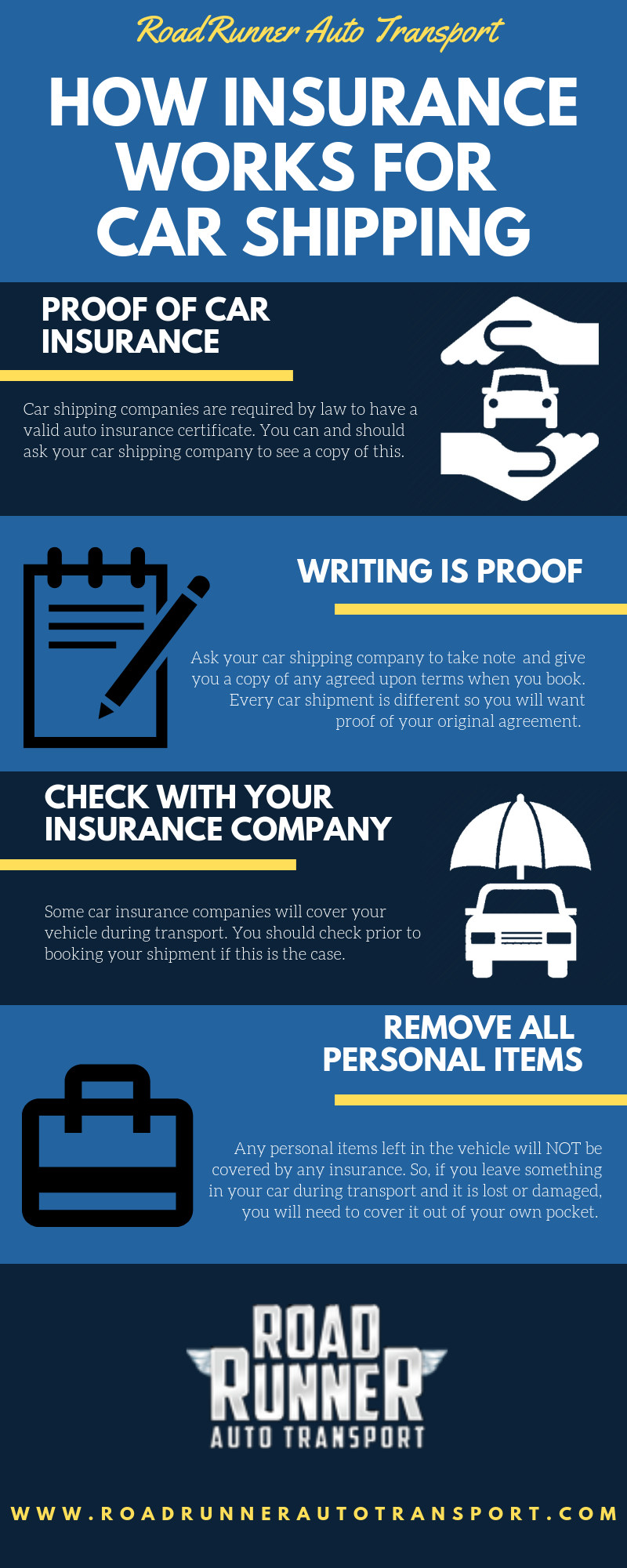
Credit: www.roadrunnerautotransport.com
Additional Insurance Options
Sometimes, your car insurance does not cover items left inside your vehicle. You need other insurance options to protect these belongings. These options can provide extra security for your personal property. Understanding these choices helps you avoid unexpected losses. Below are common additional insurance types that may help.
Homeowners Or Renters Insurance
Homeowners or renters insurance often covers personal items inside your car. This coverage is usually part of your personal property protection. It protects against theft or damage to belongings left in your vehicle. Keep in mind, coverage limits and deductibles apply. Check your policy for specific details on car-stored items.
This insurance can cover valuables like laptops, bags, and electronics. It usually requires you to report the theft promptly. Documentation such as police reports and receipts strengthens your claim. This option offers a backup in case your car insurance falls short.
Specialized Personal Property Coverage
Specialized personal property coverage offers extra protection for valuable items. This coverage is an add-on to your existing insurance policies. It covers high-value belongings like jewelry, cameras, and collectibles. This option ensures you get full compensation for lost or stolen items.
Specialized coverage often has higher limits than standard policies. It may cover items inside your car during theft or damage. This insurance is ideal for people carrying expensive items regularly. Review the terms carefully to understand what is included.
Tips To Protect Items In Your Car
Protecting items inside your car is important to avoid loss and damage. Taking a few simple steps can keep your belongings safe. These tips help reduce the risk of theft and make insurance claims easier.
Safe Storage Practices
Keep valuables out of sight to avoid attracting thieves. Store items in the glove compartment, center console, or trunk. Use a car organizer to keep things neat and hidden. Avoid leaving bags or electronics on seats. Always lock your car doors and close windows fully.
Using Anti-theft Devices
Anti-theft devices act as extra protection for your car and belongings. Install steering wheel locks or pedal locks to deter thieves. Use alarm systems with motion sensors to alert you of movement. Consider GPS trackers to locate your car if stolen. These devices can lower insurance costs too.
Frequently Asked Questions
Are Personal Items Inside Cars Covered By Insurance?
Personal items inside your car are usually not covered by standard auto insurance. Comprehensive or collision coverage protects your vehicle, but belongings require a separate policy, like renters or homeowners insurance, for reimbursement if stolen or damaged inside the car.
Does Car Insurance Cover Theft Of Items Left Inside?
Car insurance typically does not cover theft of items left inside the vehicle. Stolen personal belongings are generally covered under your homeowners or renters insurance policy, not your auto insurance, unless you have added specific endorsements.
What Types Of Insurance Cover Belongings In My Car?
Homeowners or renters insurance policies usually cover personal belongings inside your car. Auto insurance mainly covers vehicle damage or liability. Check your policy details to confirm if personal property coverage includes items stolen or damaged in your vehicle.
How Can I Protect Valuables Left Inside My Car?
To protect valuables, avoid leaving them in plain sight inside your car. Use locked glove compartments or trunks, and consider adding personal property coverage to your insurance. Always report theft or damage to your insurer promptly for possible claims.
Conclusion
Car insurance usually does not cover items left inside. Personal belongings often need separate coverage. Check your policy details carefully for clarity. Protect valuable items by using special insurance plans. Keep your car locked and avoid leaving things visible. Understanding coverage helps avoid surprises after theft or damage.
Stay informed to make smart choices about your belongings. Secure your valuables to reduce the risk of loss. Insurance policies vary, so always read the fine print. Taking simple steps can save money and stress later.