
Are you a veteran wondering if your hearing aids are covered by VA health care? Hearing loss can impact your daily life, and getting the right support is essential.
You might have questions about what benefits are available and how to access them. This article will clear up the confusion and help you understand exactly what the VA offers when it comes to hearing aids. Keep reading to find out how you can get the help you deserve.
Va Health Care And Hearing Aids
The Department of Veterans Affairs (VA) provides health care benefits, including hearing aids, to eligible veterans. Hearing loss affects many veterans, and the VA offers support to improve their hearing health. The VA covers hearing aids as part of its commitment to veterans’ well-being. Understanding the details of VA hearing aid benefits helps veterans get the care they need.
Eligibility For Va Hearing Aid Benefits
Veterans must meet certain criteria to receive hearing aids through VA health care. The VA requires a diagnosis of hearing loss by a VA audiologist. Veterans enrolled in the VA health care system qualify for evaluation and treatment. Priority groups may affect eligibility and timing. Active duty service and service-connected disabilities can influence benefits. Veterans should check their status to confirm eligibility.
Types Of Hearing Aids Covered
The VA provides a range of hearing aids tailored to veterans’ needs. Digital hearing aids with advanced features are common. The VA offers behind-the-ear and in-the-ear devices. Veterans receive hearing aids based on their hearing loss severity. The VA ensures devices meet medical and quality standards. Replacement and repair services are also available when needed.
Application Process For Hearing Aids
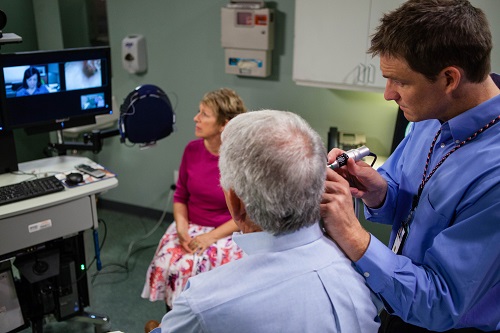
Veterans start by scheduling a hearing evaluation at a VA facility. The audiologist conducts tests to assess hearing ability. After diagnosis, the audiologist recommends the best hearing aid option. Veterans receive counseling on device use and maintenance. The VA handles the ordering and fitting of hearing aids. Follow-up appointments ensure proper function and adjustment.
Credit: rehab.va.gov
Costs And Coverage Details
Understanding the costs and coverage details of hearing aids through VA Health Care helps veterans plan better. The VA offers support but knowing what expenses remain is important. This section breaks down key points about costs, replacement frequency, and extra services.
Out-of-pocket Expenses
The VA covers most of the hearing aid cost for eligible veterans. Some veterans may pay small fees depending on their service-connected disability status. Extra features or premium models might require additional payment. Veterans should check with their VA provider for exact costs. Many find the out-of-pocket expenses much lower than private care.
Frequency Of Hearing Aid Replacement
The VA allows hearing aid replacements every three to five years. This depends on medical need and device condition. Veterans must have a new hearing test before replacement. The VA aims to provide devices that meet current technology standards. This schedule helps veterans maintain good hearing health over time.
Additional Services Included
The VA offers more than just hearing aids. Services include hearing tests, fittings, and follow-up care. Veterans receive counseling on device use and maintenance. Repairs and adjustments are often covered during the device’s lifetime. These extra services support veterans in using their hearing aids effectively.
Qualifying Medical Conditions
Qualifying medical conditions determine if hearing aids are covered by VA health care. The VA focuses on specific hearing problems linked to military service. Understanding these conditions helps veterans know their benefits clearly.
Service-connected Hearing Loss
Hearing loss caused by military service often qualifies for VA coverage. This includes damage from loud noises, explosions, or other service-related factors. Veterans must show that their hearing loss happened during their service.
The VA rates service-connected hearing loss based on severity. Higher ratings increase the chance of coverage for hearing aids. This condition is the most common reason veterans get hearing aid support.
Non-service-connected Hearing Issues
Hearing problems not linked to service may also get some VA help. Veterans with other health issues can ask for hearing aid coverage. The VA reviews each case carefully to decide if aid is possible.
Non-service-connected conditions need strong medical proof. The VA looks for evidence that the hearing loss affects daily life. Coverage is less certain but still possible for some veterans.
Documentation Required
Proper documents are essential for VA hearing aid approval. Veterans must submit medical records showing hearing loss details. Service treatment records support service-connected claims strongly.
Hearing tests and evaluations must be current and thorough. The VA uses these to assess the hearing condition clearly. Accurate paperwork speeds up the review and decision process.
Va Hearing Aid Providers
The VA provides hearing aid services through a network of authorized providers. Veterans can access hearing aids and related care at VA facilities or through approved private providers. The VA aims to make hearing care easy and convenient for veterans.
Finding Va Audiology Clinics
Veterans can find VA audiology clinics at many VA medical centers. These clinics offer hearing tests, hearing aids, and follow-up care. Scheduling an appointment is simple by contacting the nearest VA center. Veterans get expert care and access to the latest hearing aid technology.
Private Provider Options
Some veterans may qualify to receive hearing aids from private providers. The VA works with approved private audiologists and hearing aid dispensers. This option helps veterans who live far from VA clinics. Veterans should check with the VA about eligibility and coverage details.
Telehealth And Remote Services
The VA offers telehealth services for hearing care in certain cases. Veterans can have hearing evaluations and consultations via video calls. Remote programming of hearing aids is also possible. These services reduce travel time and improve access to care.
Challenges And Limitations
Hearing aids can greatly improve life for veterans with hearing loss. The VA offers health care benefits, but some challenges limit hearing aid coverage. Understanding these challenges helps veterans navigate the system better. This section explains common barriers, how to appeal denied claims, and options outside the VA.
Common Barriers To Coverage
Many veterans face strict rules for hearing aid eligibility. The VA often requires proof of hearing loss through tests. Not all hearing conditions qualify for coverage. Limited budgets may delay appointments or equipment delivery. Some veterans find the process confusing and slow. These factors create obstacles to timely care.
Appealing Denied Claims
Denied claims are common for hearing aid requests. Veterans can challenge these decisions by submitting an appeal. The appeal needs clear medical evidence supporting the need. Patience is important, as appeals may take months. Support from VA counselors or veteran groups helps improve success chances.
Alternatives Outside Va
Some veterans choose private clinics for hearing aids. Insurance plans or veterans’ service organizations may offer help. Private options often provide faster service and newer technology. Costs can be higher, but payment plans may be available. Exploring these choices gives veterans more control over their hearing care.

Credit: www.va.gov
Tips For Maximizing Va Benefits
Maximizing VA benefits for hearing aids helps veterans get the best care possible. Understanding how to use these benefits can improve hearing health and device performance. Small steps can make a big difference in your experience with VA health care.
Regular Hearing Assessments
Schedule hearing tests often to track any changes in your hearing. Regular check-ups help catch problems early. The VA covers these assessments, so use them to stay on top of your hearing health. Early detection can prevent bigger issues later.
Maintaining Hearing Aids
Keep your hearing aids clean and in good condition. Follow instructions for daily care and battery changes. Proper maintenance helps your devices last longer and work better. The VA may offer support for repairs and replacements, so ask about these services.
Staying Informed On Policy Updates
Policies about VA benefits can change. Stay updated by checking official VA websites or contacting your local VA office. Knowing the latest rules ensures you do not miss out on benefits. Being informed helps you plan your hearing care effectively.
.jpeg)
Credit: hearingup.com
Frequently Asked Questions
Are Hearing Aids Covered By Va Health Care Benefits?
Yes, the VA covers hearing aids for eligible veterans. Coverage includes hearing exams, fittings, and devices. Veterans must meet medical criteria and be enrolled in the VA health care system to qualify for this benefit.
How Can Veterans Get Hearing Aids Through The Va?
Veterans should schedule a hearing evaluation at a VA medical center. After assessment, an audiologist recommends hearing aids if needed. The VA then provides hearing aids at no or low cost based on eligibility.
Does Va Cover Hearing Aid Repairs And Maintenance?
Yes, the VA covers repairs and maintenance of hearing aids. Veterans can access these services at VA clinics or authorized providers. This ensures hearing aids remain functional and effective without extra cost.
Are All Types Of Hearing Aids Available Through Va?
The VA offers a variety of hearing aids to suit different needs. Options include behind-the-ear and in-the-ear models. The choice depends on the veteran’s hearing loss and preferences, as determined by the audiologist.
Conclusion
VA health care often covers hearing aids for eligible veterans. Coverage depends on medical need and VA rules. Veterans should check their eligibility and apply through the VA. Early action helps secure hearing aid benefits faster. Clear hearing improves daily life and overall health.
Staying informed about VA policies ensures better access to care. Reach out to VA offices for support and guidance. Don’t wait—take steps today for hearing aid assistance.