
Are you looking to boost your car’s power and performance? You might have heard about performance chips and wondered if you really need one to tune your car.
The truth is, not every upgrade guarantees better results. Before you spend money on parts that may or may not work, it’s important to understand what a performance chip does and if it’s the right choice for your vehicle. Keep reading to find out how a performance chip can affect your car and whether it’s the key to unlocking the speed and efficiency you want.
What Is A Performance Chip
Using a performance chip can bring several benefits to your car. It changes the way the engine runs. This can make your driving better and more fun. Many drivers choose performance chips to get more from their vehicles.
These chips adjust the engine settings to improve power, fuel use, and response. Let’s explore the main advantages of using a performance chip.
Improved Horsepower And Torque
A performance chip can increase your car’s horsepower. This means the engine produces more power. It also boosts torque, which helps with acceleration. Cars feel stronger and faster on the road. This is useful for passing and climbing hills.
Better Fuel Efficiency
The chip can optimize fuel use in your engine. It adjusts the air and fuel mix for better burning. This can lead to saving fuel over time. You may spend less money on gas. It helps the car run cleaner and longer between fills.
Enhanced Throttle Response
Throttle response is how quickly the car reacts to the gas pedal. A performance chip sharpens this reaction. The car feels more lively and ready. This makes driving smoother and more enjoyable. Quick response helps in traffic and on highways.
Credit: www.tintworld.com
Benefits Of Using A Performance Chip
Knowing when a performance chip is worth the investment helps you make smart choices. Not all cars benefit equally from a chip. Your car’s type and how you drive matter most.
This section explains key points to consider before tuning your car with a performance chip.
Stock Vs Modified Vehicles
Stock cars come from the factory with a set engine tune. Performance chips can help these cars gain small power improvements. Gains are limited by the original parts and design.
Modified vehicles have upgraded parts like exhausts or intakes. These changes allow performance chips to boost power more effectively. The chip can adjust settings to match the new parts.
For stock cars, chips may improve fuel efficiency slightly. Modified cars see more noticeable power and response changes.
Driving Habits And Needs
Your daily driving style affects chip benefits. Gentle drivers may not feel much difference. Performance chips suit drivers who want faster acceleration or better throttle response.
Use chips if you want extra power on highways or during overtaking. They help make the car feel more responsive and fun to drive.
Consider fuel economy goals too. Some chips optimize fuel use, but aggressive driving can reduce this advantage.
When A Performance Chip Is Worth It
Performance chips are popular for tuning cars. Yet, many other options exist to boost your vehicle’s power and efficiency. These alternatives can suit different needs and budgets. Understanding these choices helps you make a smart decision for your car.
Ecu Remapping
ECU remapping changes the software in your car’s engine control unit. It adjusts fuel delivery, ignition timing, and boost pressure. This method can improve horsepower and torque. It also can enhance fuel economy. Remapping is done by experts with special tools. It is more precise than simple performance chips. This option fits many car models.
Aftermarket Tuning Solutions
Aftermarket tuning includes various electronic devices. These devices replace or modify factory parts. Examples are piggyback controllers and standalone engine management systems. They offer more control over engine settings. You can customize your car’s performance more deeply. These solutions can be installed without changing the ECU. They often come with user-friendly software.
Mechanical Upgrades
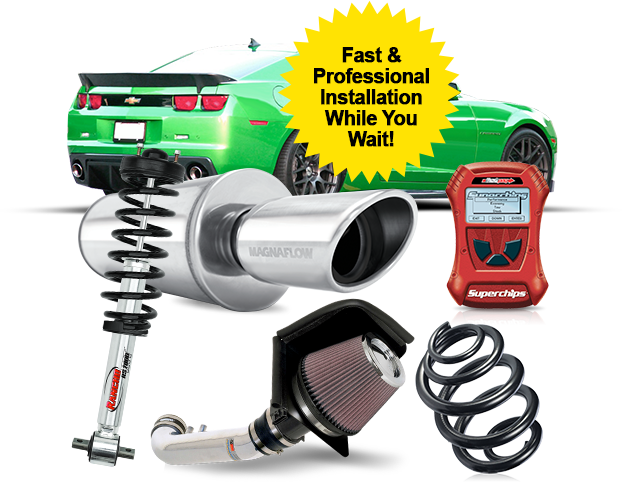
Mechanical upgrades change physical parts of the engine. Common upgrades include cold air intakes, exhaust systems, and turbochargers. These parts help the engine breathe better and produce more power. Upgrades like a performance camshaft or larger fuel injectors also help. Mechanical changes can be combined with electronic tuning. This approach gives a balanced boost to your car’s performance.

Credit: www.youtube.com
Alternatives To Performance Chips
Installing a performance chip to tune a car may seem like a simple upgrade. Yet, it carries risks that every car owner should know. These risks affect your car’s warranty, engine health, and legal status. Understanding these downsides helps you make a better choice.
Warranty Issues
Many car manufacturers do not cover damage caused by performance chips. Using a chip can void your car’s warranty. This means repairs might cost you more. Dealers may refuse to fix problems linked to the chip.
Engine Reliability Concerns
Performance chips change how your engine runs. This can cause extra wear and tear. Some chips push the engine beyond its safe limits. Over time, this might lead to engine failure. Your car could need costly repairs sooner.
Legal And Emissions Considerations
Some performance chips affect your car’s emissions. This can make your vehicle illegal to drive in certain areas. It may fail emissions tests required by law. You risk fines or your car being taken off the road.
Potential Risks And Downsides
Tuning a car can improve its power and efficiency. Experts share key tips to help you tune your vehicle safely and effectively. These tips cover choosing the right chip, proper installation, and ongoing care. Follow these steps to get the best results from your tune.
Choosing The Right Chip Or Tune
Select a chip that fits your car model and engine type. Check reviews and product details carefully. Avoid cheap or generic chips that may cause damage. Choose a tune designed for your driving style and needs. A good match helps improve performance without risking engine health.
Professional Installation Advice
Install the chip or tune with expert help. Professionals know how to avoid common mistakes. Incorrect installation can lead to engine problems or poor results. Use trusted mechanics or tuning shops. Proper setup ensures the chip works as intended.
Regular Maintenance After Tuning
Keep your car in top shape after tuning. Check engine parts regularly for wear or damage. Follow the maintenance schedule recommended by your tuner. Clean air filters and change oil on time. Proper care keeps your tuned car running smoothly longer.
Credit: powermaxtuner.com
Frequently Asked Questions
What Is A Performance Chip For Cars?
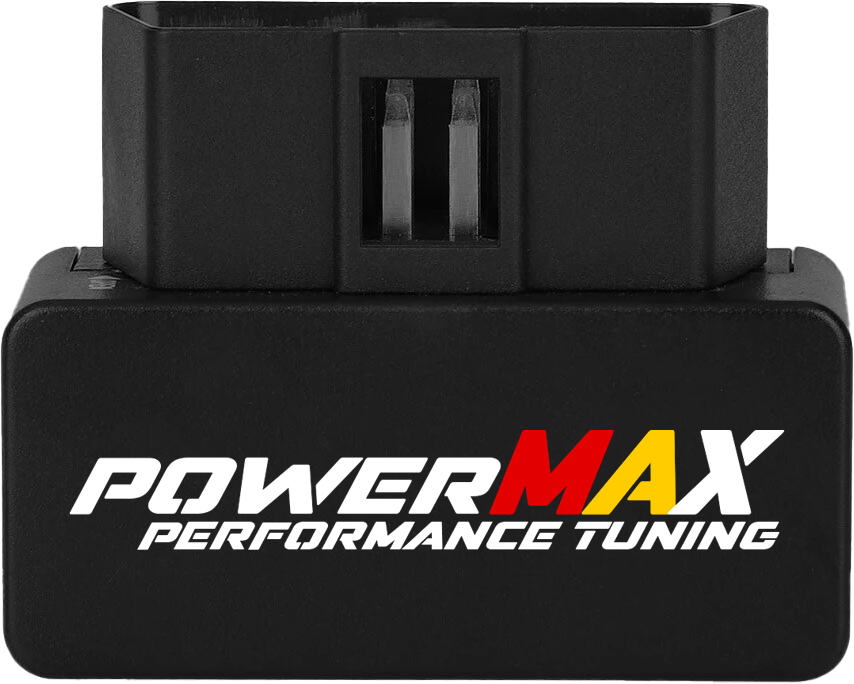
A performance chip modifies the car’s engine control unit (ECU) settings. It enhances power, fuel efficiency, and throttle response. It is a popular tuning method for car enthusiasts seeking better performance.
Do You Need A Performance Chip To Tune A Car?
No, a performance chip is not mandatory. Tuning can be done through software remapping or hardware upgrades. However, a chip offers a simple and effective way to improve engine performance.
Can A Performance Chip Harm My Car Engine?
If improperly installed or incompatible, a chip can cause engine issues. Always use chips designed for your car model. Professional installation reduces risks and ensures safe tuning.
How Much Horsepower Does A Performance Chip Add?
Typically, a performance chip can increase horsepower by 5% to 15%. The exact gain depends on your car’s make and model. Gains vary based on driving conditions and chip quality.
Conclusion
A performance chip can improve your car’s power and fuel use. It is not always needed but can help in some cases. Consider your car’s age, model, and your driving style. Some cars respond well; others may not. Always check for compatibility and warranty issues first.
Think about what you want from your car’s performance. Sometimes simpler upgrades work better. Choose wisely to get the best results without trouble. Your car’s health and safety matter most.