

Have you ever wondered what keeps your car’s engine running smoothly every time you turn the key? The answer lies in something you might overlook: oil.
Without the right oil, your engine could seize up, overheat, or wear down faster than you expect. Understanding what oils the engine of a car and why it matters will help you take better care of your vehicle—and avoid costly repairs.
Stick with me, and you’ll discover the simple secrets to keeping your engine healthy and your rides trouble-free.
Credit: www.machinerylubrication.com
Role Of Engine Oil
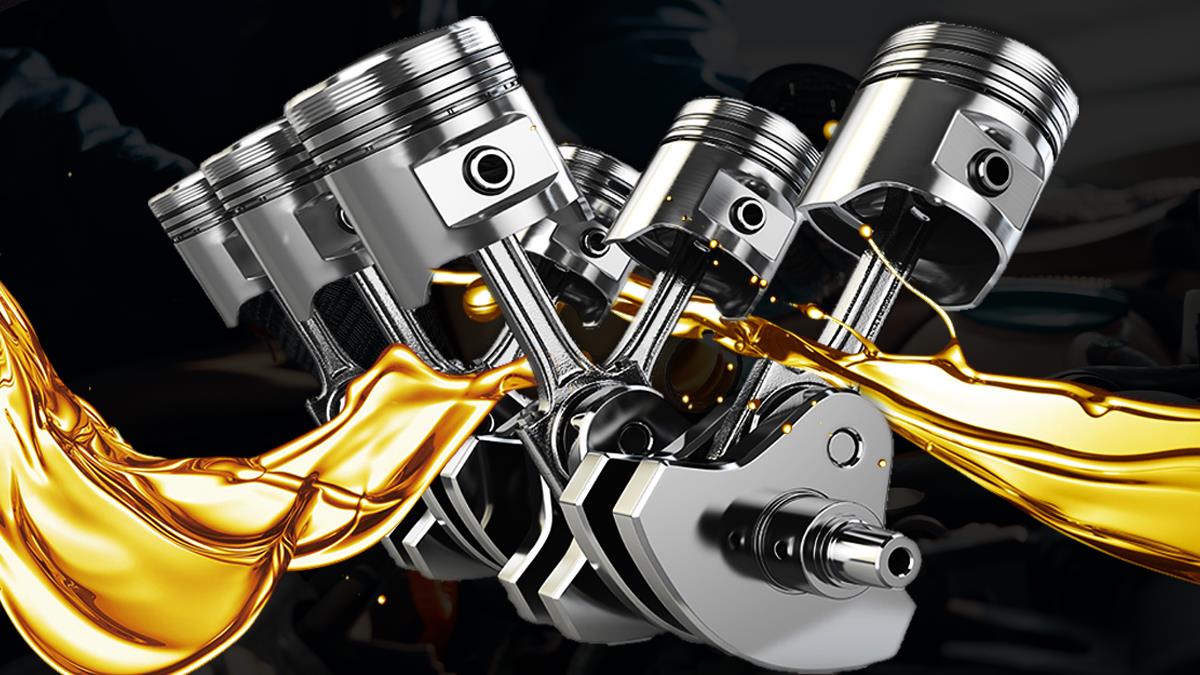
Engine oil plays a crucial role in keeping a car’s engine running smoothly. It does more than just keep parts moving. Engine oil protects, cleans, and cools the engine. This helps the car last longer and perform better.
Lubrication And Friction Reduction
Engine oil creates a thin layer between moving parts. This layer stops metal parts from rubbing directly. Less friction means less wear and tear. The oil helps the engine run quietly and efficiently. Without oil, the engine parts would quickly break down.
Heat Dissipation
Engines produce a lot of heat during use. Engine oil absorbs some of this heat. It carries the heat away from hot parts. This helps keep the engine temperature steady. By controlling heat, oil prevents engine damage and overheating.
Cleaning And Protection
Engine oil picks up dirt and tiny metal particles. It keeps these contaminants away from engine parts. The oil also stops rust and corrosion inside the engine. Clean oil means the engine stays in good condition longer.
Sealing Engine Components
Engine oil helps seal gaps between engine parts. This sealing improves engine compression and power. It stops gases from leaking out and keeps pressure inside. Good sealing also reduces harmful emissions from the engine.
Credit: www.mobil.com
Types Of Engine Oils
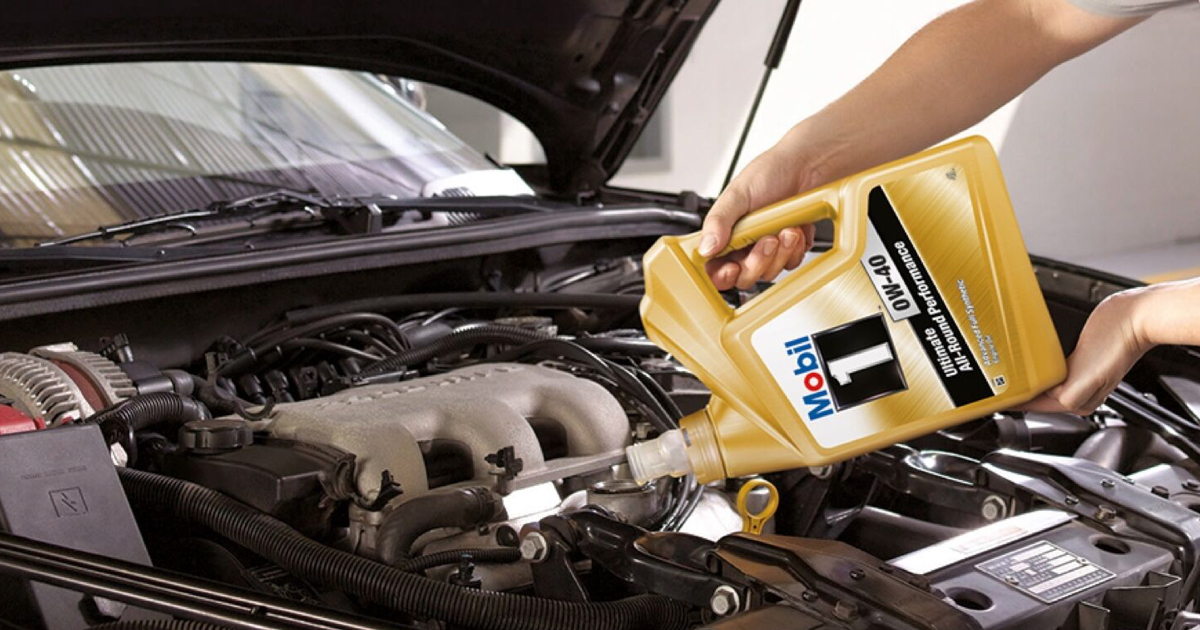
Engine oil keeps a car’s engine running smoothly. Different types of engine oils suit different needs. Choosing the right oil helps protect the engine and improve performance.
Each type has unique features. Understanding these can help you pick the best oil for your car.
Conventional Oil
Conventional oil is made from crude oil. It is the most common and cheapest type. This oil works well for regular driving and older cars. It needs to be changed more often than other oils. It is less effective in extreme temperatures.
Synthetic Oil
Synthetic oil is man-made in labs. It offers better protection and lasts longer. This oil performs well in very hot or cold weather. It keeps the engine cleaner by reducing deposits. It costs more but saves money on frequent changes.
Synthetic Blend Oil
Synthetic blend oil mixes conventional and synthetic oils. It balances cost and performance. This oil offers better protection than conventional oil alone. It is good for trucks and SUVs. It helps engines under heavy load or stress.
High-mileage Oil
High-mileage oil is designed for older cars with over 75,000 miles. It contains special additives to reduce leaks and oil burn-off. This oil helps keep seals soft and prevents engine wear. It improves engine life and reduces smoke.
Choosing The Right Oil
Choosing the right oil for your car’s engine is key to its health. The right oil keeps the engine clean and running smoothly. It also protects parts from wear and tear. Many factors affect which oil fits best. This guide helps you understand what to check before buying engine oil.
Viscosity And Sae Ratings
Viscosity means how thick or thin the oil is. It changes with temperature. SAE ratings show this thickness. For example, 5W-30 oil is thinner than 10W-40. Thinner oils flow better in cold weather. Thicker oils protect better at high temperatures. Choose oil with the right SAE rating for your climate.
Manufacturer Recommendations
Car makers test oils for their engines. They suggest oil types and grades in the owner’s manual. Follow these guidelines to avoid engine damage. Using the recommended oil keeps warranties valid. It also improves engine life and fuel efficiency.
Driving Conditions
Driving style affects oil choice. Short trips cause more engine wear. Heavy loads or towing need stronger oil. Hot climates require oils that resist breaking down. Cold climates need oils that flow easily. Match oil type to your usual driving conditions for best results.
Oil Additives
Oil additives improve oil performance. They help clean engine parts and reduce wear. Some additives stop rust and corrosion. Others improve oil flow and reduce friction. Choose oils with additives that suit your engine’s needs. Good additives extend oil life and engine protection.
Oil Change Frequency
Changing the oil in your car is one of the most important tasks to keep the engine running smoothly. The frequency of oil changes depends on several factors. Knowing when to change the oil can save you money and prevent engine problems.
Understanding how often to change your oil helps maintain your car’s performance. It also extends the engine’s life and improves fuel efficiency.
Mileage Guidelines
Most cars need an oil change every 3,000 to 7,500 miles. Check your owner’s manual for the exact number. Newer cars with synthetic oil may last longer between changes. Regular oil keeps the engine clean and lubricated.
Signs Oil Needs Changing
Dark or dirty oil shows it is time for a change. Engine noise or knocking can mean oil is low or old. The oil change light on the dashboard is a clear signal. Burning smell or smoke may also indicate oil issues.
Impact Of Driving Habits
Stop-and-go traffic causes oil to wear faster. Short trips prevent oil from heating fully, affecting its quality. Driving in dusty or hot conditions demands more frequent oil changes. Highway driving is easier on the oil, allowing longer intervals.
Common Engine Oil Issues
Engine oil keeps a car’s engine running smoothly. It reduces friction and cools engine parts. Problems with engine oil can cause serious damage. Knowing common oil issues helps protect your car. Regular checks and maintenance avoid costly repairs.
Oil Leaks
Oil leaks happen when seals or gaskets wear out. Leaks reduce oil levels quickly. Low oil can cause engine parts to overheat and break. Spotting oil puddles under your car signals a leak. Fix leaks early to keep oil at the right level.
Oil Sludge Build-up
Sludge forms when oil breaks down or mixes with dirt. Thick sludge blocks oil passages inside the engine. This stops oil from reaching key parts. Sludge leads to poor engine performance and overheating. Regular oil changes prevent sludge from building up.
Contamination
Contamination happens when dirt, water, or fuel enters the oil. Dirty oil loses its ability to protect the engine. Contaminants cause wear and tear on engine parts. Using the right oil and changing it often keeps oil clean.
Low Oil Pressure
Low oil pressure means oil does not flow well through the engine. It can cause engine parts to rub and wear out fast. Low pressure may result from leaks or worn oil pumps. Watch for warning lights or strange engine noises. Fix low oil pressure to avoid engine failure.
Credit: www.cbac.com
Tips For Maintaining Engine Oil
Maintaining engine oil is key to keeping your car’s engine healthy. Clean and fresh oil helps parts move smoothly and stops damage. Regular care saves you money and prevents breakdowns. Follow simple steps to take good care of your engine oil.
Regular Oil Level Checks
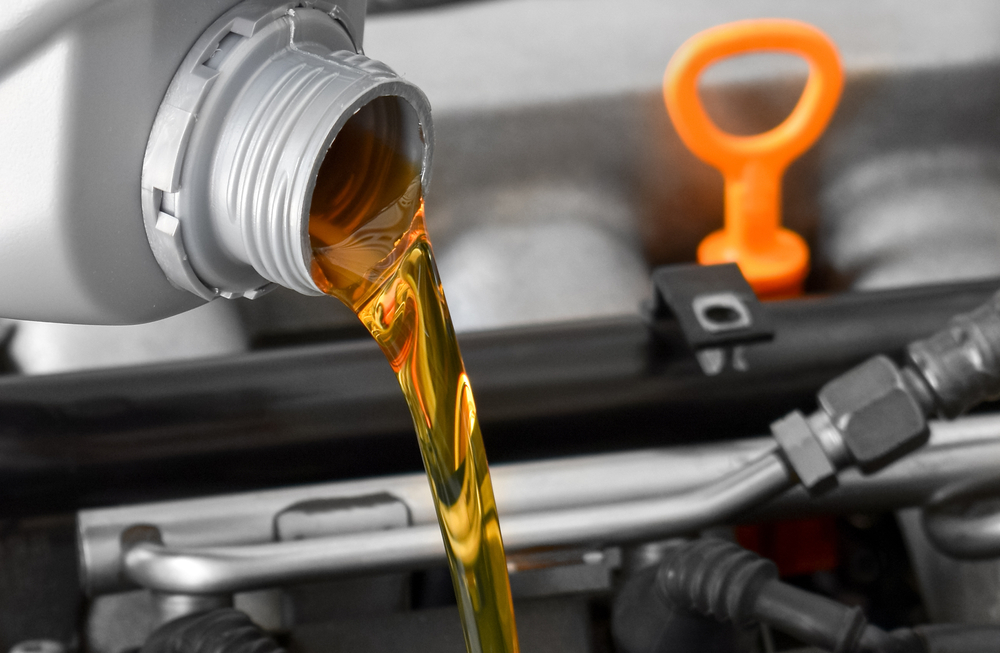
Check your oil level often. Use the dipstick under the hood to see if oil is low. Low oil can cause engine parts to wear out fast. Top up with the right oil if needed. This keeps your engine running without trouble.
Using Quality Filters
Change your oil filter with every oil change. A good filter stops dirt and metal bits from harming the engine. Cheap filters may not protect well. Use filters made for your car. This keeps oil clean and your engine safe.
Proper Disposal Of Used Oil
Used oil is dirty and harmful to nature. Never pour it down drains or on the ground. Take it to recycling centers or auto shops that accept used oil. Proper disposal helps protect the environment and keeps communities safe.
Frequently Asked Questions
What Type Of Oil Is Best For Car Engines?
The best oil type depends on your car’s make and model. Generally, synthetic oils offer better performance and protection. Always check your owner’s manual for recommended oil viscosity and specifications to ensure optimal engine health and efficiency.
How Often Should Engine Oil Be Changed?
Engine oil should typically be changed every 5,000 to 7,500 miles. However, follow your car manufacturer’s guidelines. Frequent oil changes keep the engine lubricated, reduce wear, and improve fuel efficiency, extending your engine’s lifespan.
Why Is Engine Oil Important For A Car?
Engine oil lubricates moving parts, reducing friction and heat. It prevents wear and tear, cleans engine components, and helps maintain optimal engine performance. Without proper oil, your engine can overheat and suffer severe damage.
Can I Use Any Oil In My Car Engine?
No, not all oils suit every engine. Using the wrong oil can reduce performance and cause damage. Always use oil matching your car’s recommended viscosity and standards to ensure proper lubrication and protection.
Conclusion
Engine oil keeps car parts moving smoothly and stops wear. It cleans and cools the engine during driving. Choosing the right oil helps the engine last longer. Regular oil changes protect your car from damage. Always check the oil level to avoid problems.
Good oil means better engine performance every day. Remember, a well-oiled engine runs strong and safe. Take care of your car by using quality oil. It’s a simple step for a healthy engine.