
Knowing exactly where to put oil in your car engine can save you time, money, and stress. If you’ve ever wondered why your engine needs oil or felt unsure about topping it up, you’re in the right place.
Getting this simple step right keeps your engine running smoothly and prevents costly damage. Stick with me, and by the end of this article, you’ll feel confident handling your car’s oil like a pro. Let’s dive in and clear up the mystery for good.
Locating The Oil Cap
Locating the oil cap is the first step to adding oil to your car engine. It is usually easy to find but can look different depending on the car model. Knowing where to put the oil saves time and keeps your engine healthy.
Common Cap Positions
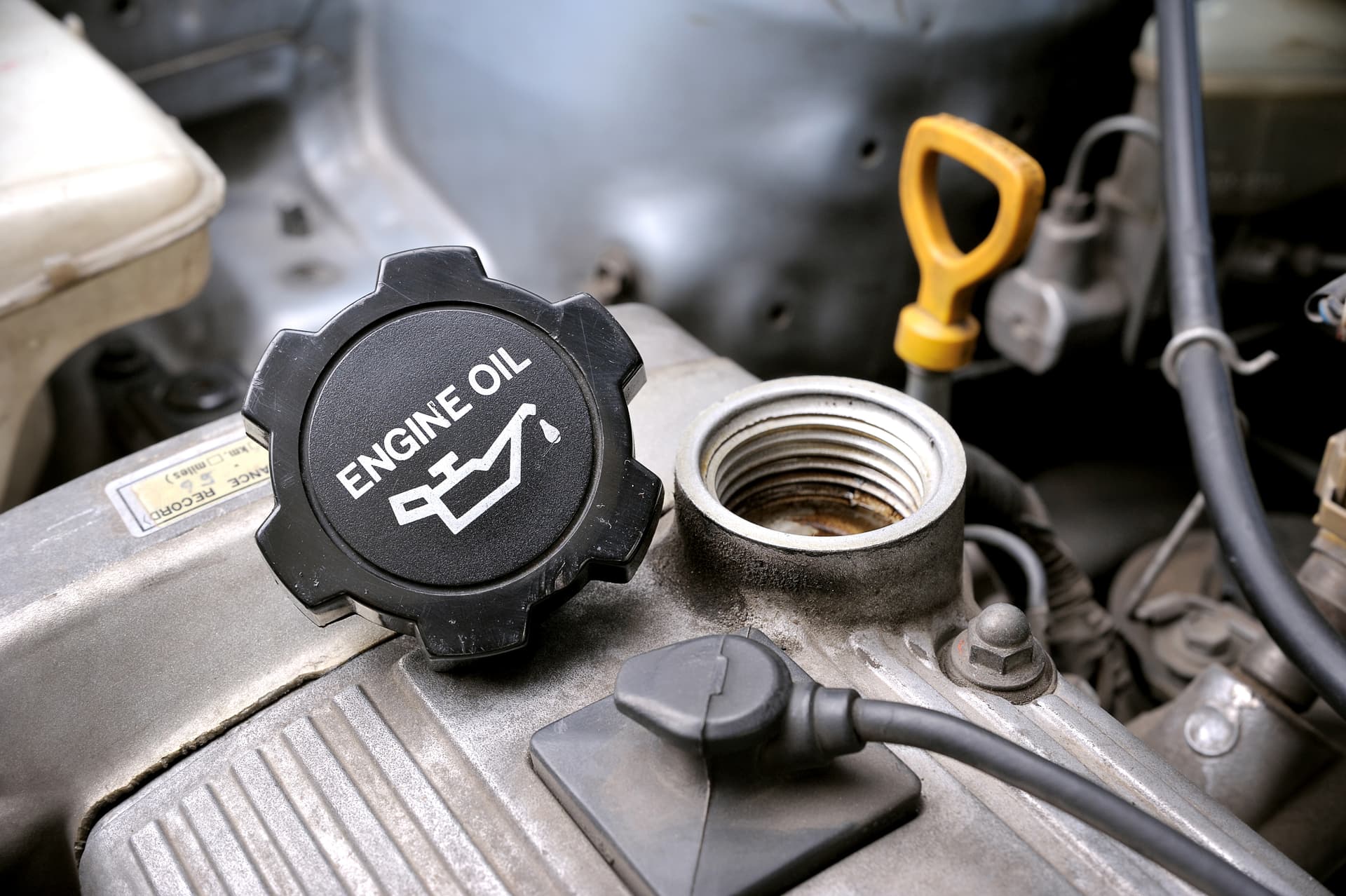
The oil cap is often on top of the engine. It can be near the center or to one side. In some cars, it sits on a valve cover, a flat metal or plastic part. Sometimes, it is hidden under a plastic engine cover. Look for a round cap that you can twist off by hand.
Identifying The Oil Symbol
The oil cap usually has a small oil can symbol on it. This symbol looks like a dripping oil can. It helps you spot the right cap quickly. Some caps also say “Oil” or show the oil type, like “5W-30.” This marking prevents adding oil in the wrong place.
Choosing The Right Oil
Choosing the right oil for your car engine is very important. The oil keeps your engine parts moving smoothly. It also protects the engine from wear and heat. Using the right oil helps your engine last longer and run better.
Types Of Engine Oil
There are different types of engine oil. The main ones are mineral, synthetic, and semi-synthetic oils. Mineral oil comes from crude oil and is less expensive. Synthetic oil is made in a lab and lasts longer. Semi-synthetic oil mixes both types for better performance. Choose the type that suits your car’s needs.
Checking Oil Viscosity
Oil viscosity means how thick or thin the oil is. It is shown by numbers like 5W-30 or 10W-40. The first number tells how the oil flows when cold. The second number shows how it flows when hot. Use the viscosity grade recommended in your car manual. Using the wrong viscosity can harm the engine.
Preparing To Add Oil
Preparing to add oil to your car engine is a simple but important step. Doing it right helps your engine run smoothly and last longer. Before pouring oil, get ready with the right tools and check the engine’s temperature. These steps keep you safe and protect your car.
Gathering Necessary Tools
Start by gathering all the tools you need. You will need a funnel to pour oil without spilling. Also, have the correct type and amount of engine oil ready. Keep a clean rag or paper towels nearby. These help wipe any drips or spills. Having everything close makes the process faster and cleaner.
Ensuring Engine Is Cool
Never add oil when the engine is hot. A hot engine can burn your hands. Wait at least 30 minutes after driving for it to cool down. A cool engine also helps you get a more accurate oil level reading. Safety first. Cool engine, safe hands, and better oil check.

Credit: www.toyotaofclermont.com
Adding Oil Safely
Adding oil safely to your car engine is important to keep your engine running well. Spills can cause damage or make a mess. Taking simple steps helps you avoid problems and saves time.
Removing The Oil Cap
First, locate the oil cap on top of the engine. It usually has an oil can symbol. Turn the cap slowly to remove it. Place the cap somewhere clean to avoid dirt getting inside the engine.
Pouring Oil Without Spills
Use a clean funnel to pour oil into the opening. Pour slowly to control the flow. Stop if you see oil near the edge. Wipe any drops on the engine with a cloth. This keeps the engine clean and safe.
Checking Oil Level
Checking the oil level in your car engine is an important step for proper maintenance. It helps keep the engine running smoothly and prevents damage. Regular checks can save you from costly repairs and keep your vehicle in good shape.
This process is simple and takes only a few minutes. You need to locate the dipstick, pull it out, and read the oil level. Doing this often can help you spot any oil leaks or low oil levels early.
Using The Dipstick
First, park your car on a flat surface and turn off the engine. Wait a few minutes to let the oil settle. Open the hood and find the dipstick. It usually has a bright handle.
Pull the dipstick out carefully and wipe it clean with a cloth. Insert it back fully into the tube. Pull it out again to check the oil level.
Reading The Oil Markings
Look at the end of the dipstick to see where the oil stops. There are marks or holes showing the minimum and maximum oil levels. The oil should be between these marks.
If the oil is below the minimum mark, you need to add more oil. Too much oil can also cause problems. Make sure the oil looks clean and smooth, not thick or dirty.
Credit: www.take5.com
Common Mistakes To Avoid
Adding oil to a car engine seems simple. Yet, many people make mistakes that harm their engines. Knowing these common errors helps keep your car healthy.
Overfilling The Engine
Too much oil causes pressure inside the engine. This pressure can damage seals and gaskets. It may also cause the engine to smoke or run poorly. Always check the dipstick to avoid overfilling. Fill slowly and stop when the oil level is right.
Using Incorrect Oil Type
Each car needs a specific oil type. Using the wrong oil can cause poor lubrication. This leads to engine wear and lower performance. Check your owner’s manual for the correct oil grade. Choose oil that matches the temperature and driving conditions.
When To Change Engine Oil
Knowing when to change engine oil is key to keeping a car running well. Old oil loses its power to protect the engine. It can cause parts to wear out faster and reduce fuel efficiency. Changing the oil on time helps avoid costly repairs. It also keeps the engine clean and cool.
Mileage Recommendations
Most car makers suggest changing oil every 3,000 to 5,000 miles. Some newer cars can go 7,500 to 10,000 miles between changes. Check the owner’s manual for exact advice. Remember, driving in tough conditions may need more frequent oil changes. Hot weather, stop-and-go traffic, and rough roads can wear oil faster.
Signs Oil Needs Replacement
Dark or dirty oil shows it needs a change. Oil that looks thick or gritty can’t protect the engine well. Engine noise or knocking sounds may mean old oil is not lubricating properly. Smoke from the exhaust or a burning smell can also warn of oil problems. A drop in fuel efficiency might point to dirty oil too.

Credit: www.caranddriver.com
Frequently Asked Questions
Where Exactly Do You Pour Oil In A Car Engine?
You pour oil into the engine oil filler cap, usually located on top of the engine. It’s often marked with an oil can symbol. Always check your car’s manual to find the exact location before adding oil.
How To Identify The Oil Fill Cap In My Car?
The oil fill cap is typically round and labeled with an oil can icon or the word “Oil. ” It is located on the engine’s valve cover. Refer to your owner’s manual for the exact position if unsure.
Can I Put Engine Oil Anywhere Other Than The Filler Cap?
No, engine oil must only be poured into the oil filler cap. Adding oil elsewhere can damage the engine or cause leaks. Always use the designated fill point to maintain engine health.
How Often Should I Check And Add Oil To The Engine?
Check your engine oil level at least once a month. Add oil only when levels are low, following your car manual’s recommendations. Regular checks ensure smooth engine performance and prevent damage.
Conclusion
Knowing where to put oil in a car engine keeps your vehicle healthy. Always find the oil filler cap on top of the engine. Pour oil slowly to avoid spills. Check the level with the dipstick after adding oil. Regular oil checks help your engine run smoothly.
Clean oil means better engine performance and longer life. Take time to learn this simple task. Your car will thank you with better driving. Easy, right? Keep your engine happy by adding oil correctly.