
You just got a new car, and you want to keep it running smoothly for years to come. One of the most important things you can do is change your engine oil at the right time.
But how do you know exactly when to do it? Changing your new car’s engine oil too early or too late can affect its performance and even cause damage. You’ll discover the key signs and expert tips that help you decide the perfect moment to change your engine oil.
Keep reading, and you’ll learn how to protect your investment and enjoy a healthier engine.
Why Engine Oil Matters
Engine oil is one of the most important parts of a car. It keeps the engine working well. Without good oil, the engine can get damaged quickly. Knowing why engine oil matters helps you care for your car better.
Changing engine oil at the right time keeps your car running smoothly. Clean oil protects the engine and saves money on repairs. Let’s explore what engine oil does and how it affects your car.
Role Of Engine Oil
Engine oil lubricates the moving parts inside the engine. It stops metal parts from rubbing against each other. This reduces wear and tear. Oil also helps cool the engine by carrying heat away. It cleans the engine by picking up dirt and small particles. Good oil keeps the engine parts working well and prevents damage.
Impact On Engine Health
Old or dirty oil can cause serious engine problems. It loses its ability to protect and cool the engine. This can lead to overheating and faster wear. Engine parts may stick or break without proper lubrication. Changing the oil on time keeps the engine healthy and extends its life. Clean oil ensures better fuel efficiency and smoother rides.
Factory Fill Vs. First Oil Change
Knowing when to change new car engine oil depends on several key factors. These factors affect how long the oil stays effective. Understanding them helps protect your engine and keeps your car running smoothly.
Driving Conditions
Driving style and road type change oil life. Stop-and-go traffic wears oil faster than highway driving. Dusty or rough roads can also dirty the oil quickly. Short trips may not warm the engine enough to clear moisture from oil. Harsh conditions demand more frequent oil changes.
Oil Type And Quality
Different oils last different times. Synthetic oils generally last longer than conventional oils. High-quality oils resist breakdown and protect better. Using the right oil type for your car helps maintain engine health. Always check oil label for recommended change intervals.
Manufacturer Guidelines
Car makers provide oil change schedules based on testing. These guidelines consider engine design and oil type. Following the manual’s advice keeps your warranty valid. Manuals often suggest intervals in miles or months. Sticking to these rules prevents engine damage and costly repairs.
Factors Influencing Oil Change Timing
Knowing the signs of needing an oil change helps protect your new car’s engine. Fresh oil keeps the engine running smoothly and stops damage. Missing these signs can lead to costly repairs and poor performance. Watch closely for clear signals your car needs fresh oil.
Dashboard Indicators
The oil change light is the first sign to see. This light often looks like an oil can. It comes on when oil pressure is low or oil is dirty. Other warning lights may flash with this one. Do not ignore these signals. Check your oil or visit a mechanic.
Engine Noise And Performance
Old or dirty oil makes the engine noisy. You may hear knocking or rattling sounds. The engine might feel rough or less powerful. It may also struggle to start. These noises mean the oil is not lubricating well. Change the oil to protect the engine parts.
Oil Appearance And Level
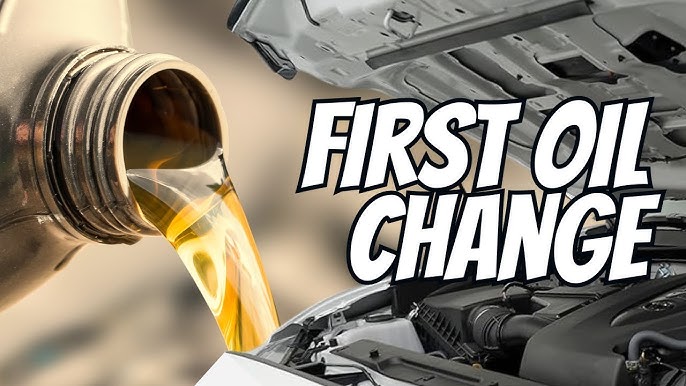
Check the oil with the dipstick under the hood. Clean oil is light amber and clear. Dark, thick, or gritty oil means it is dirty. Low oil level shows the engine is not getting enough oil. Top it up or get a full oil change soon. Regular checks help keep the engine healthy.
Credit: www.youtube.com
Signs You Need An Oil Change
Choosing the right oil for your new car’s engine is very important. The oil protects the engine parts and helps it run smoothly. Different oils suit different cars and driving habits. Using the correct oil keeps your engine healthy and extends its life.
Synthetic Vs. Conventional
Synthetic oil is made in a lab with refined chemicals. It lasts longer and handles heat better. It also cleans engine parts well and flows smoothly in cold weather.
Conventional oil comes from natural crude oil. It is cheaper but breaks down faster. It may not protect the engine well under tough conditions.
Check your car’s manual to see which oil type suits best. Some new cars require synthetic oil for better performance.
Viscosity And Additives
Viscosity means how thick or thin the oil is. It affects how the oil flows in the engine. Oil with the right viscosity keeps engine parts well lubricated.
Look for numbers on the oil label, like 5W-30. The first number shows oil flow in cold temperatures. The second number shows oil thickness at normal engine heat.
Additives improve oil performance. They help stop rust, reduce wear, and keep the engine clean. Different oils have different additives for specific needs.
Choosing The Right Oil
Changing engine oil is important for a new car. Choosing between DIY and professional oil change matters. Both have pros and cons. Understanding them helps you decide what fits best.
Benefits Of Professional Service
Professionals have the right tools and skills. They ensure the oil type matches your car’s needs. They also check for leaks or other issues. It saves time and effort. Professionals dispose of old oil safely. This helps protect the environment. Many shops offer warranties on their work. This gives extra peace of mind.
Steps For Diy Oil Change
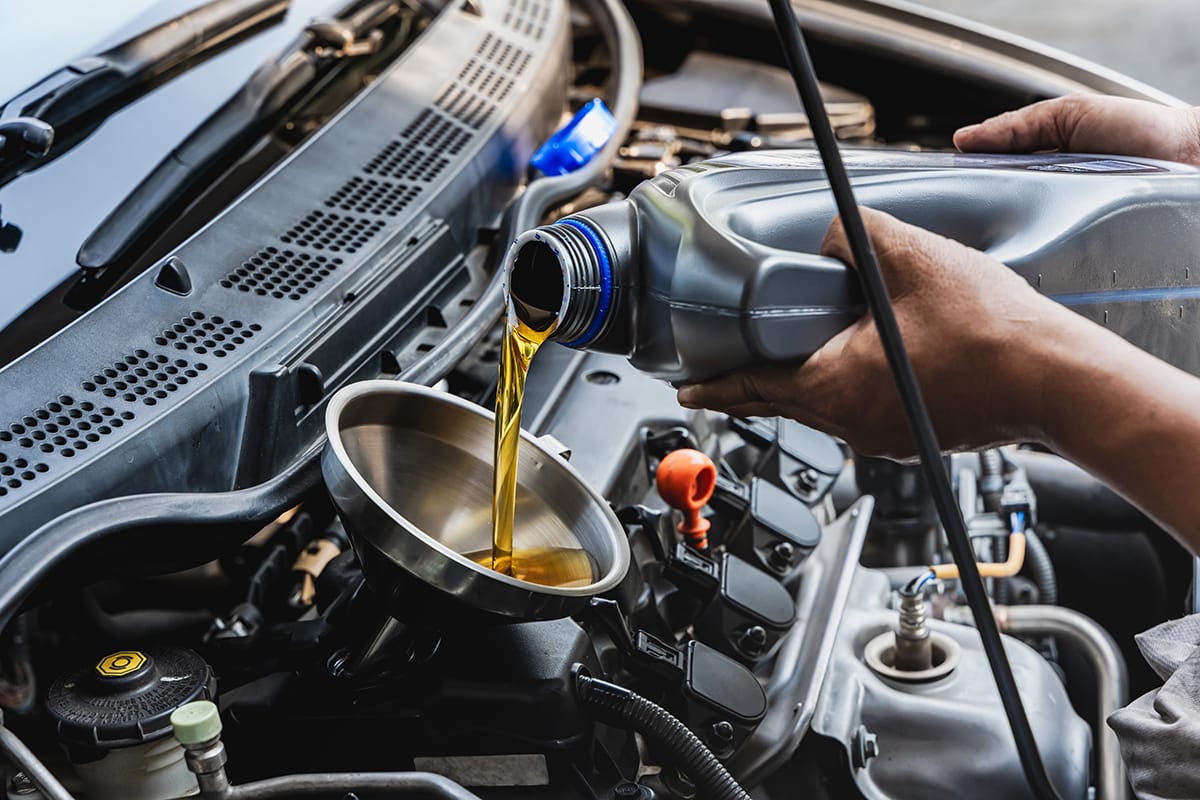
First, gather all tools: oil, filter, wrench, and pan. Warm up the engine slightly for better oil flow. Lift the car safely using ramps or jack stands. Place the pan under the drain plug. Remove the plug and let the oil drain out. Replace the drain plug tightly. Remove the old filter and install a new one. Pour in the correct amount of new oil. Check the oil level with the dipstick. Start the engine and check for leaks. Dispose of old oil properly at a recycling center.

Credit: www.wyotech.edu
Diy Vs. Professional Oil Change
Maintaining a regular oil change schedule is key to keeping your new car’s engine healthy. Fresh oil helps the engine run smoothly and prevents damage. Sticking to a routine ensures your car lasts longer and performs better. You can avoid costly repairs by changing the oil on time.
Tracking Mileage And Time
Car manufacturers recommend changing engine oil after a certain number of miles or months. Track your car’s mileage to know when the next oil change is due. Also, consider the time since the last oil change. Oil can degrade even if the car is not driven often. Check your owner’s manual for exact intervals.
Using Maintenance Apps And Logs
Use apps to record oil changes and get reminders. These tools make tracking easy and reduce the chance of forgetting. Keeping a maintenance log in your car helps too. Write down the date and mileage every time you change the oil. This simple habit keeps your schedule on track.
Credit: www.metromotor.com
Frequently Asked Questions
How Often Should I Change New Car Engine Oil?
Change new car engine oil every 5,000 to 7,500 miles. Follow the manufacturer’s recommendations in your owner’s manual for best results. Frequent oil changes keep the engine clean and running smoothly.
When Is The First Oil Change For A New Car?
The first oil change usually occurs after 1,000 to 3,000 miles. This removes initial contaminants and metal particles from engine break-in. Check your car manual for the exact interval.
Can I Delay Changing Engine Oil In A New Car?
Delaying oil changes can harm your engine’s performance. Fresh oil lubricates and protects engine parts. Stick to recommended intervals to ensure long engine life and efficiency.
Why Is The First Oil Change Important For New Cars?
The first oil change removes break-in debris and metal shavings. This prevents engine wear and improves performance. It sets the foundation for your engine’s health and longevity.
Conclusion
Changing your car’s engine oil on time keeps the engine healthy. Old oil can cause damage and reduce performance. Check your car manual for the right oil change schedule. Drive carefully and watch for signs like strange noises or smoke.
Regular oil changes help your car run smoothly and last longer. Don’t wait too long; clean oil protects the engine parts. Keep a record of oil changes to stay on track. Taking care of your engine oil is a simple way to avoid costly repairs.
Drive safe and keep your car happy.