
Have you ever wondered exactly when you should check the engine oil level in your car? Knowing the right time to do this simple task can save you from costly repairs and keep your vehicle running smoothly.
If you wait too long, your engine might suffer; check too often, and you might feel like it’s a hassle. But what’s the perfect balance? You’ll discover the best moments to check your engine oil, easy steps to do it yourself, and why it matters more than you might think.
Keep reading to protect your car and avoid unexpected breakdowns.
Credit: www.gulfoilltd.com
Why Check Engine Oil
Checking your car’s engine oil level helps keep the engine running smoothly. Best times are before long trips or after the car has been off for a while. Low oil can cause engine damage and reduce car performance.
Engine oil keeps your car running smoothly. It lubricates engine parts and stops friction. Without enough oil, parts rub together and wear out fast.
Oil also helps cool the engine. It carries heat away from moving parts. Low oil means the engine can overheat and get damaged.
Checking oil regularly helps find leaks early. Leaks can lower oil levels and cause engine trouble. Catching problems early saves money on repairs.
Clean oil protects the engine from dirt and debris. Old or dirty oil can clog the engine and reduce performance. Fresh oil keeps the engine clean and efficient.

Credit: shieldoils.com
Best Time To Check Oil
Knowing the best time to check your car’s engine oil is key to keeping your engine healthy. Oil level changes throughout the day and after driving. Checking at the right time gives the most accurate reading.
Cold Engine Vs Warm Engine
Check oil when the engine is cold for the best reading. Oil settles in the pan, showing the true level. Checking right after driving may show less oil. The heat causes oil to move around the engine.
After Parking Duration
Wait at least 10 to 15 minutes after parking. This allows oil to drain back into the pan. Checking too soon can give a wrong reading. A short wait helps avoid under or overfilling your oil.
Before Long Trips
Always check oil before a long drive. Low oil can harm your engine on long trips. Top up oil if the level is low. It helps avoid engine troubles far from home.
How Often To Check Oil
Checking your car’s engine oil regularly keeps your vehicle healthy. Oil lubricates engine parts and prevents damage. Knowing how often to check oil saves you from costly repairs and breakdowns. It depends on your driving habits, car model, and mileage. Here are some basic guidelines to follow.
Daily And Weekly Checks
For daily drivers, a quick oil level check once a week works well. Check oil more often if you drive long distances or in hot weather. Use the dipstick to see if oil covers the proper level. Low oil can harm the engine fast.
Based On Mileage
Check oil every 1,000 to 2,000 miles for normal driving. High mileage cars need more frequent checks. Severe driving conditions like stop-and-go traffic or dusty roads also require more attention. Keeping oil at the right level extends engine life.
Manufacturer Recommendations
Always check your car manual for oil check advice. Manufacturers suggest intervals based on engine design and oil type. Follow these instructions to keep warranty valid. Use recommended oil grades to ensure proper engine function.
Credit: www.car-inspectors.com
Steps To Check Oil Level
Checking your car’s engine oil level is simple and important. It keeps your engine running smooth. Follow these clear steps to do it right every time. This helps avoid engine damage and saves money on repairs.
Preparing Your Car
Park your car on a flat surface. Turn off the engine and wait five to ten minutes. This lets the oil settle in the engine. Open the hood and find the dipstick. It usually has a bright handle.
Using The Dipstick
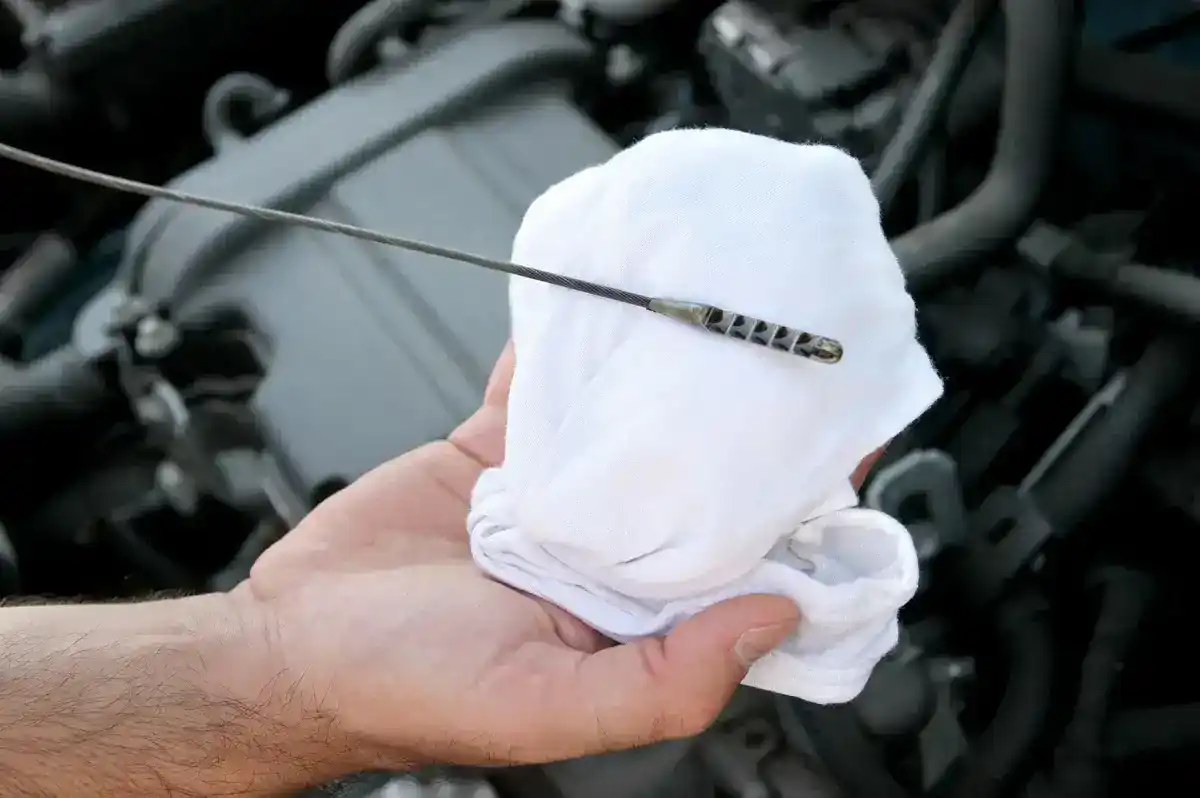
Pull the dipstick out slowly. Wipe it clean with a cloth or paper towel. Push it back fully into the tube. Pull it out again carefully to check the oil level.
Reading The Oil Level
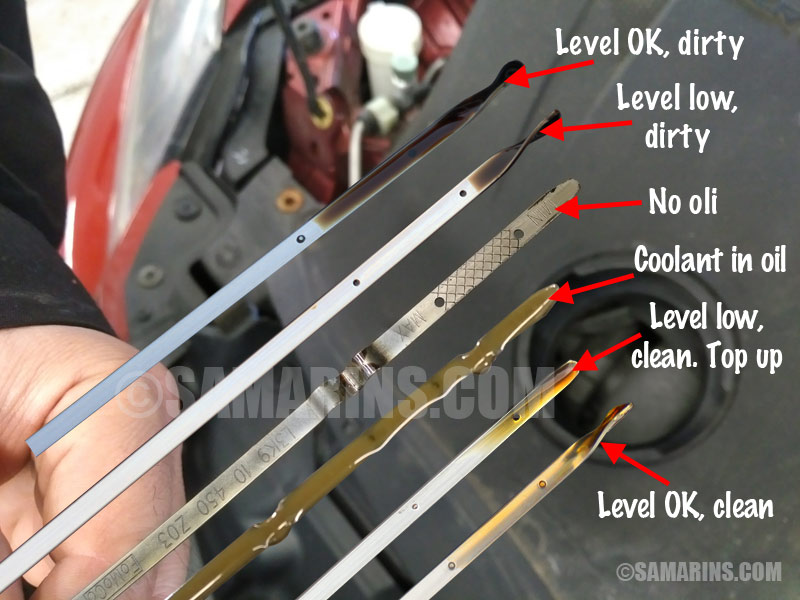
Look at the end of the dipstick. Find the marks for minimum and maximum oil. The oil should be between these two marks. If it is below minimum, add more oil. Avoid overfilling past the maximum mark.
Signs Of Low Or Dirty Oil
Engine oil keeps your car running smoothly. It protects the engine from wear and tear. Low or dirty oil can cause big problems. Recognizing signs early can save you money and stress.
Check the oil level regularly. Watch for changes in how your car runs. Some signs are easy to spot. Others need a closer look under the hood.
Warning Lights On Dashboard
A glowing oil can symbol means oil trouble. This light may signal low oil or poor oil pressure. Do not ignore this sign. Stop the engine and check oil immediately.
Unusual Engine Noise
Low or dirty oil makes the engine noisy. You might hear knocking or ticking sounds. Oil cushions engine parts. Without enough clean oil, parts rub and grind.
Dark Or Gritty Oil On Dipstick
Pull out the dipstick to check oil color. Fresh oil is amber and clear. Dark, thick, or gritty oil means it is dirty. Dirty oil cannot protect the engine well.
Excessive Exhaust Smoke
Thick, blue, or gray smoke from the exhaust can mean oil issues. Oil leaks or burns inside the engine. This often happens with low or dirty oil.
Engine Overheating
Oil cools the engine parts. Low oil levels cause overheating. Watch the temperature gauge. Overheating can damage your engine quickly.
Impact Of Neglecting Oil Checks
Neglecting to check your car’s engine oil can cause serious problems. Oil keeps the engine parts running smoothly. Without enough oil, parts rub against each other and wear out fast.
Low or dirty oil can lead to engine overheating. This damages the engine and lowers its performance. Small issues can turn into costly repairs.
Engine Damage And Wear
Oil lubricates engine parts to prevent friction. Without proper oil levels, parts grind together. This causes metal to wear down quickly. Over time, the engine may fail completely.
Reduced Fuel Efficiency
Clean oil helps the engine run efficiently. Dirty or low oil makes the engine work harder. This uses more fuel and wastes money. Checking oil helps save on fuel costs.
Overheating And Engine Failure
Oil cools the engine by reducing heat. Insufficient oil causes high engine temperatures. Overheating can warp engine parts and cause failure. Regular checks help avoid this risk.
Costly Repairs And Breakdowns
Ignoring oil levels can lead to big repair bills. Engine damage from poor oil care is expensive to fix. Unexpected breakdowns can leave you stranded. Checking oil is a simple way to prevent these issues.
Tips For Maintaining Optimal Oil
Keeping your car’s engine oil at the right level and quality is key to a healthy engine. Proper oil care helps your car run smoothly and lasts longer. Follow simple steps to maintain the best oil condition.
These tips help you avoid engine problems and costly repairs. A little effort keeps your car in top shape.
Choosing The Right Oil
Select the oil type that matches your car’s manual. Use the recommended viscosity for your engine. Synthetic oils often last longer and protect better. Avoid cheap or low-quality oils. Good oil keeps the engine clean and reduces wear.
Regular Oil Changes
Change oil at the intervals suggested by the car maker. Old oil loses its ability to protect the engine. Frequent oil changes remove dirt and metal particles. This keeps the engine parts moving freely. Don’t wait too long to replace old oil.
Monitoring Oil Consumption
Check oil levels often, especially before long trips. Some cars use oil faster than others. Look for leaks or smoke from the exhaust. Add oil if the level drops below the safe mark. Tracking oil use helps spot engine issues early.
Frequently Asked Questions
When Is The Best Time To Check Car Engine Oil?
Check engine oil when the car is off and cooled down. Ideally, wait at least 10-15 minutes after driving. This allows oil to settle for an accurate reading, ensuring your engine runs smoothly and avoids damage from low oil levels.
How Often Should I Check My Car’s Oil Level?
Check your car’s engine oil at least once a month. Regular checks help spot leaks or oil consumption early. Frequent monitoring extends engine life and maintains optimal performance, preventing costly repairs from neglected oil levels.
Can I Check Engine Oil Immediately After Driving?
No, avoid checking oil right after driving. The engine is hot, and oil is dispersed. Wait 10-15 minutes for oil to settle in the pan. This pause ensures an accurate oil level reading and protects your engine.
Why Is Checking Oil Level Important For Car Health?
Checking oil level ensures proper lubrication of engine parts. Low oil can cause overheating and severe engine damage. Regular oil checks prevent breakdowns, improve fuel efficiency, and extend your vehicle’s lifespan, saving money on repairs.
Conclusion
Checking your car’s engine oil regularly keeps your engine healthy. Always check oil when the engine is cool and parked on level ground. Low oil can cause serious damage and costly repairs. Use the dipstick to see the oil level and color.
Clean oil helps your engine run smoothly and saves money. Make it a habit to check oil at least once a month. Small steps protect your car and keep it reliable. Simple care today avoids big problems tomorrow.