
Your car seatbelt is one of the most important safety features, yet it can sometimes stop working properly. Maybe it won’t latch, gets stuck, or won’t retract like it should.
If this happens, you might feel frustrated or even worried about your safety. But don’t panic. Fixing your car seatbelt is easier than you think, and you can often do it yourself without spending a lot of money. Keep reading to discover simple steps that will get your seatbelt working smoothly again—so you can drive with confidence and peace of mind.

Credit: www.youtube.com
Common Seatbelt Issues
Seatbelts are key to vehicle safety. They keep you secure in a crash. Still, seatbelts can face issues that reduce their effectiveness. Knowing these common problems helps you stay safe and fix them early.
Retractor Problems
The retractor pulls the seatbelt back after use. Sometimes, it stops working. The belt may not rewind fully or gets stuck. Dirt or small debris can block the mechanism. A faulty retractor means the belt won’t fit tightly.
Belt Fabric Damage
The belt fabric can wear out over time. Cuts, frays, or burns weaken the material. A damaged belt may snap during an accident. Check for signs of damage often. Replace the belt if it looks worn.
Latch Malfunctions
The latch locks the seatbelt in place. If it fails, the belt won’t stay fastened. Dirt or broken parts can cause latch problems. A broken latch is dangerous. Make sure it clicks and holds firmly every time.
Tools Needed For Repair
Repairing a car seatbelt requires the right tools. Using proper tools makes the job easier and safer. Some tools are common and found in most homes. Others are made specifically for seatbelt repairs. Knowing which tools to use saves time and effort.
Basic Hand Tools
Basic hand tools are essential for many car repairs. A screwdriver set helps remove screws holding the seatbelt parts. Pliers are useful for gripping and pulling small components. A socket wrench set can loosen or tighten bolts. A utility knife aids in cutting damaged webbing carefully. These tools are affordable and easy to find. They cover most tasks during a seatbelt fix.
Specialized Seatbelt Tools
Specialized tools make seatbelt repair more precise. A seatbelt retractor tool helps reset the retractor mechanism. A seatbelt webbing repair kit includes patches and adhesives for fabric tears. A torque wrench ensures bolts are tightened to the right strength. Some repairs need a trim removal tool to avoid damaging car panels. These tools improve repair quality and safety.
Fixing Retractor Mechanism
The seatbelt retractor is a key part of your car’s safety system. It rolls the seatbelt in and out smoothly. Sometimes, it can get stuck or stop working well. Fixing the retractor mechanism can bring back safety and comfort. This section covers easy steps to fix it at home.
Cleaning And Lubricating
Dirt and dust often block the retractor. Start by removing the seatbelt from the car. Use a soft cloth to wipe off dirt on the belt and inside the retractor. Avoid soaking the belt in water. Spray a small amount of silicone lubricant inside the retractor. Do not use oil or grease. They attract more dust. Let the lubricant settle for a few minutes. This helps the mechanism move freely again.
Resetting The Retractor
Sometimes the retractor locks up after sudden pulls. To reset, fully pull out the seatbelt. Hold it out for a few seconds. Slowly let it retract back. This action resets the locking system inside. Repeat a few times to test smooth movement. If it still sticks, repeat cleaning and lubricating steps. A reset often fixes minor jams quickly.
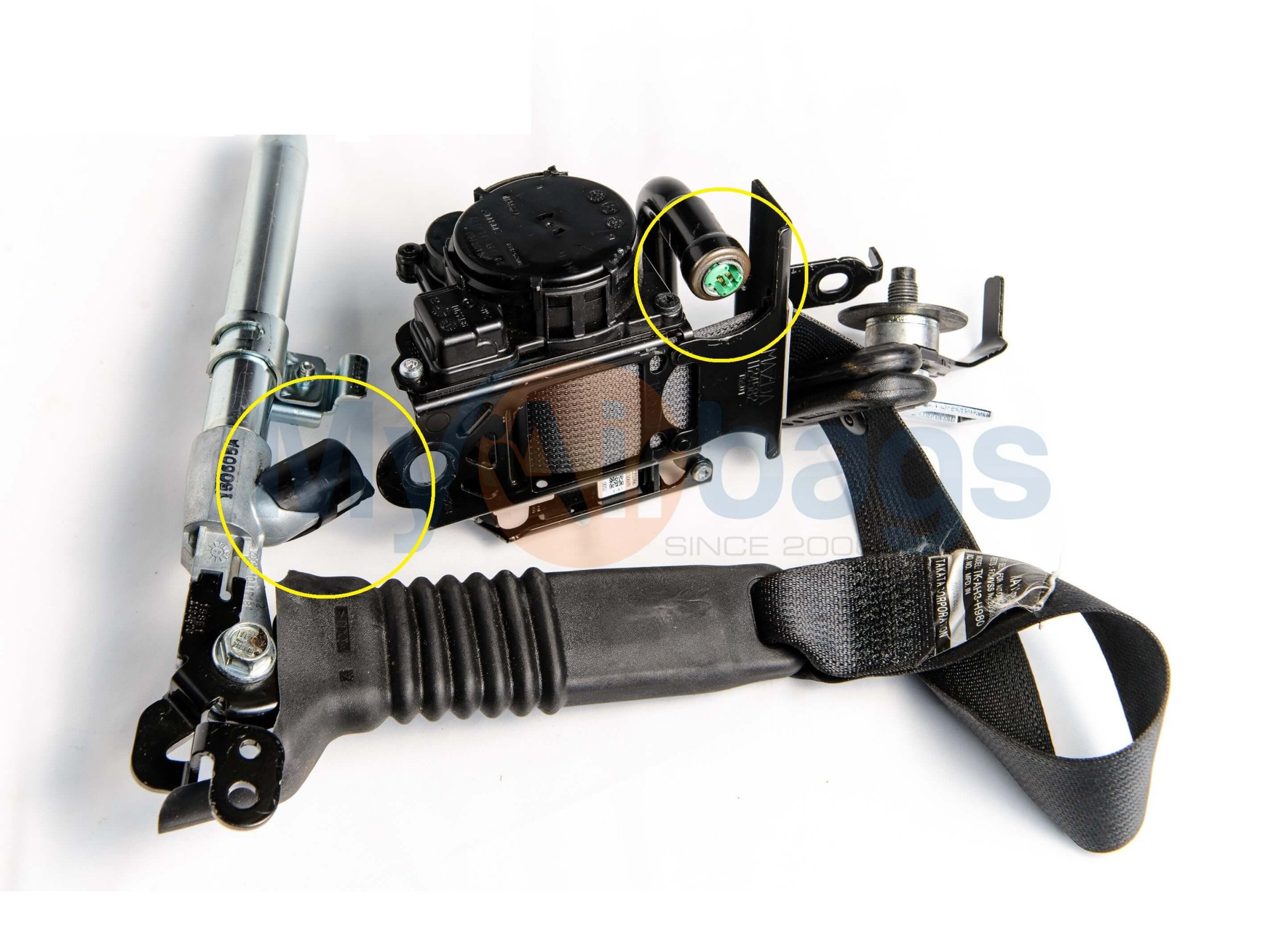
Credit: blog.myairbags.com
Repairing Seatbelt Fabric
Seatbelt fabric can wear out over time. Repairing it is important for safety. A damaged seatbelt may not protect you in a crash. Fixing small problems early can save money and keep you safe.
Minor Tears And Frays
Small tears or frays in the seatbelt fabric are common. Use a strong needle and thread to stitch the damaged area. Sew tightly and carefully to restore strength. Avoid big knots or loose stitches. Check the repair often to ensure it holds well.
Replacing The Seatbelt
Severe damage means replacing the whole seatbelt. Buy a seatbelt made for your car model. Remove the old belt by unscrewing the mounting points. Install the new belt securely and test its locking mechanism. Replace it immediately if you notice any weakness or damage.
Latch And Buckle Fixes
The latch and buckle are key parts of your car seatbelt. They keep you safe by locking the belt in place. Problems with these parts can stop the seatbelt from working right. Fixing them can save you time and money. It also helps keep you safe on the road.
Latch and buckle issues often come from dirt or damage. Cleaning or replacing these parts can restore your seatbelt’s function. Simple steps make the seatbelt work like new again. This section explains how to clean the buckle and replace the latch.
Cleaning The Buckle
Dirt and debris can block the buckle from locking. Use a small brush to clear out dust inside. Spray a little compressed air to remove trapped particles. Avoid using water or soap as they may cause rust. Press the buckle a few times after cleaning to check its function. Repeat cleaning if the buckle still sticks.
Replacing The Latch
A broken latch cannot hold the seatbelt securely. First, buy a replacement latch that fits your car model. Remove the old latch by unscrewing or unclipping it from the belt. Attach the new latch firmly to the seatbelt. Test the latch by clicking it into the buckle. The seatbelt should lock with a clear click sound.
Safety Checks After Repair
After fixing a car seatbelt, safety checks are very important. They make sure the seatbelt works well and protects you in a crash. A quick test helps find problems early. It keeps you and your passengers safe on the road.
Testing Seatbelt Functionality
Start by pulling the seatbelt out slowly. It should extend smoothly without sticking. Let it retract and watch if it pulls back fully. Next, click the buckle and tug hard. The belt should lock and not move. Check for any tears, cuts, or fraying in the fabric. All these steps confirm the seatbelt is working correctly.
When To Consult A Professional
Do not ignore strange noises or stiff belts. Seek a mechanic if the seatbelt does not lock or retract properly. Also, get help if the buckle feels loose or broken. Professionals have tools and skills to fix complex issues safely. Timely service prevents accidents and saves lives.
Preventive Seatbelt Maintenance
Preventive seatbelt maintenance helps keep your seatbelt working well. A well-maintained seatbelt protects you better during a crash. Small efforts can stop big problems later. Checking and caring for your seatbelt keeps it strong and safe.
Regular Cleaning Tips
Clean your seatbelt regularly to remove dirt and dust. Use a soft cloth with mild soap and water. Avoid harsh chemicals that can damage the fabric. Let the seatbelt dry completely before retracting it. Clean belts slide smoothly and lock properly.
Avoiding Common Damages
Do not pull the seatbelt too hard or fast. Avoid sharp objects that can cut or fray the belt. Keep the seatbelt away from spills and stains. Do not twist or knot the belt as it weakens the fabric. Check for signs of wear and tear often.

Credit: www.youtube.com
Frequently Asked Questions
How Do I Fix A Stuck Car Seatbelt?
To fix a stuck seatbelt, check for debris or twists in the belt. Gently pull the belt out fully, then let it retract slowly. If stuck, clean the mechanism with compressed air. If problems persist, the retractor may need professional repair or replacement.
Why Won’t My Car Seatbelt Retract Properly?
A seatbelt might not retract due to dirt, debris, or a damaged retractor spring. Inspect and clean the belt and mechanism. If cleaning doesn’t help, the internal spring or retractor may be broken and require replacement to restore proper function.
Can I Repair A Frayed Seatbelt Myself?
Frayed seatbelts should not be repaired at home. They are critical for safety and must be replaced if damaged. Using a compromised seatbelt can be dangerous. Always consult a professional or replace the seatbelt with a manufacturer-approved part.
What Causes A Car Seatbelt To Stop Locking?
Seatbelts stop locking due to dirt, faulty locking mechanisms, or twisted belts. Ensure the belt is straight and clean the locking latch. If it still doesn’t lock, the mechanism might be broken and need professional inspection or replacement.
Conclusion
Fixing your car seatbelt keeps you safe on every drive. A working seatbelt protects you from injuries. Regular checks help spot problems early. Simple steps can restore its function quickly. Don’t ignore signs of wear or damage. Taking care of your seatbelt saves lives.
Drive with confidence knowing your belt works well. Safety should always come first in your car. Keep your seatbelt in good shape for peace of mind.