
Are you thinking about adding LED lights to your car but wondering if it’s really possible for any vehicle? You’re not alone.
LED lights can transform your car’s look and improve visibility, but there are a few things you need to know before making the switch. You’ll discover whether LED lights fit your car, what to watch out for, and how to get the best results.
Keep reading—your car’s new glow might be closer than you think.
Credit: ultrabrightlightz.com
Car Compatibility With Led Lights
LED lights have grown popular for car lighting upgrades. Many wonder if they fit any vehicle. Compatibility depends on several factors. These include the car’s original lighting setup, model, and local laws. Knowing these details helps choose the right LED lights for your car.
Factory Vs Aftermarket Lighting
Factory lights come installed from the car maker. They match the car’s design and electrical system. LED factory lights are common in newer cars. Aftermarket lights are added later by owners. They offer more style and brightness options. Not all aftermarket LEDs fit every car. Some may need adapters or changes to wiring.
Types Of Vehicles Suitable For Led
Most cars can use LED lights. Sedans, SUVs, trucks, and motorcycles often get LED upgrades. Older cars with halogen bulbs may need special LED kits. Some trucks use larger bulbs that fit LEDs easily. Electric and hybrid cars usually support LED lights well. Always check the bulb size and power requirements.
Legal Restrictions And Regulations
Local laws affect LED light use. Some places limit colors, brightness, or flashing patterns. White or yellow lights are usually allowed for headlights. Blue or red lights might be restricted to emergency vehicles. Check your area’s rules before installing LEDs. Illegal lights can cause fines or failed inspections.
Choosing The Right Led Lights
Choosing the right LED lights for your car is important. The right choice improves visibility and style. Many types and options exist. Understanding these helps pick the best fit for any car.
Consider brightness, color, and quality. These factors affect safety and appearance. Each car and driver has unique needs. Knowing what to choose makes a big difference.
Types Of Led Lights For Cars
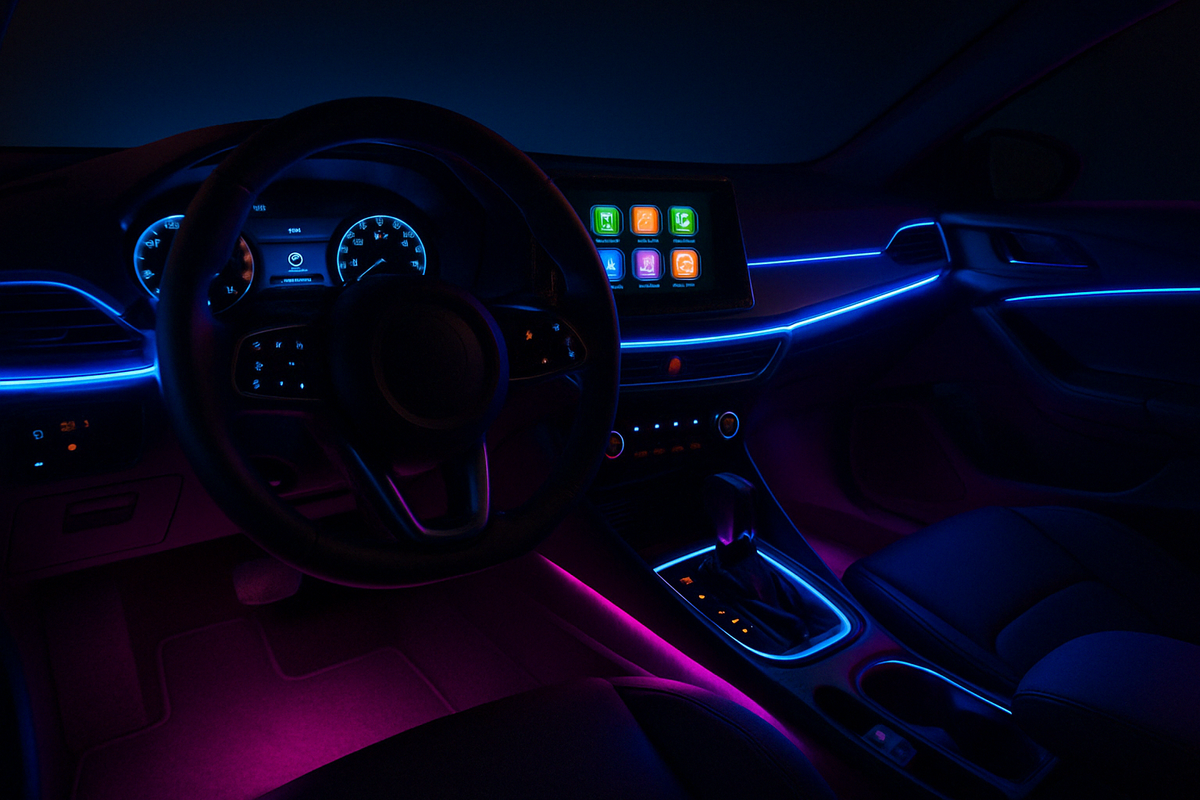
LED lights come in various types for cars. Headlights, interior lights, and accent lights are common. Headlights provide strong, focused light for driving. Interior lights make the cabin bright and welcoming. Accent lights add style to the car’s exterior. Each type has different shapes and sizes. Choose the type based on the car’s design and your needs.
Brightness And Color Options
Brightness matters for safety and comfort. Too bright can blind other drivers. Too dim can reduce visibility. Select LED lights with the right brightness level. Color options vary from white to blue and yellow. White light is common and clear. Blue light looks cool but can cause glare. Yellow light works well in fog. Pick colors that match your driving conditions and local laws.
Quality And Brand Considerations
Quality affects how well LED lights work and last. Cheap lights may fail quickly or shine poorly. Trusted brands offer reliable performance and durability. Look for products with good reviews and warranties. Quality lights save money over time by lasting longer. Choose brands known for automotive lighting to ensure safety and quality.
Tools And Materials Needed
Preparing your car for LED light installation is a key step. It helps ensure the new lights work well and last long. Taking time to prepare avoids issues during and after the installation. This process includes cleaning, checking your car’s electrical system, and removing old lights.
Cleaning And Inspection
Start by cleaning the area around your current lights. Dirt and dust can block your view and affect the new light’s fit. Use a soft cloth and mild cleaner. After cleaning, inspect the light housing for cracks or damage. Damaged parts may need repair before installing LEDs.
Checking Electrical System Compatibility
LED lights need a compatible electrical system. Check your car’s manual for electrical specs. Make sure the voltage matches the LED lights. Some cars need extra parts like resistors or adapters. These parts prevent flickering or errors in the dashboard.
Removing Old Lights
Carefully remove the old lights before installing LEDs. Disconnect the battery to avoid electrical shocks. Use the right tools to avoid breaking clips or wires. Keep screws and small parts safe for later use. Removing old lights gently helps protect your car’s wiring and housing.

Credit: www.youtube.com
Preparing Your Car For Installation
Installing LED lights on a car can seem hard. The good news is, it is simple with clear steps. Follow this guide to install LED lights safely and correctly. Each step helps avoid damage and ensures the lights work well.
Wiring And Connections
First, disconnect the car battery to avoid shocks. Find the car’s power source for the lights. Use a fuse tap for a safe connection. Connect the LED wires to the power source. Match the positive wire to positive, negative to negative. Use electrical tape or wire connectors to secure. Keep wires away from hot or moving parts. Double-check all connections for tightness and safety.
Mounting Led Lights
Choose a clean, dry spot for the LED lights. Use the included brackets or adhesive strips. Press firmly to stick or screw the lights in place. Make sure lights point in the right direction. Avoid areas that block your view or the driver’s view. Check local rules about light placement on cars. Secure all wires neatly to prevent hanging or damage.
Testing And Adjustments
Reconnect the car battery. Turn on the LED lights to test them. Check for any flickering or dim lights. Adjust the angle and position for the best look. Tighten any loose fittings or screws. If lights do not work, recheck wiring and connections. Test lights in different conditions, like daytime and nighttime.
Step-by-step Installation Process
Maintaining LED lights on your car keeps them bright and lasting longer. Proper care helps avoid problems and ensures safety on the road. Simple steps can protect your investment and improve your car’s look.
Cleaning Tips
Clean LED lights regularly to remove dirt and grime. Use a soft cloth with mild soap and water. Avoid harsh chemicals that can damage the light cover. Dry the lights gently to prevent water spots. Clean lights shine brighter and work better.
Troubleshooting Flickering Or Failure
Flickering lights may indicate loose connections or bad wiring. Check the wiring and connectors for damage or corrosion. Tighten any loose parts carefully. Sometimes, a faulty fuse can cause failure. Replace fuses with the correct rating. Fixing these issues restores proper LED function.
When To Replace Leds
Replace LEDs if they dim or stop working completely. Some LEDs lose brightness over time. Also, replace lights that flicker after fixes. Always choose LEDs made for your car model. New LEDs improve visibility and keep your car safe.

Credit: ultrabrightlightz.com
Common Installation Challenges
LED lights are popular for cars because they save energy and reduce costs. Many car owners want to know about the cost and energy efficiency of LED lights. This section explains the installation costs, energy savings, and long-term benefits of using LED lights on cars.
Installation Costs
Installing LED lights on a car usually costs more than traditional bulbs. The price depends on the type of LED lights and the car model. Simple LED bulbs for headlights or interior lights are affordable. Complex LED setups, like full light bars, can cost more. Professional installation may add to the cost, especially if wiring changes are needed. Still, many find the initial cost worth the energy savings.
Energy Savings Compared To Traditional Lights
LED lights use less electricity than traditional halogen or incandescent bulbs. They require about 75% less power to produce the same brightness. This lowers the load on the car’s battery and alternator. Less energy use means the car runs more efficiently. LED lights also generate less heat, which helps save energy. Over time, these savings reduce fuel consumption slightly.
Long-term Benefits
LED lights last much longer than traditional bulbs. They can work for tens of thousands of hours before needing replacement. This reduces the cost and hassle of frequent bulb changes. LEDs are also more durable and resistant to shock and vibration. This makes them ideal for all types of cars and driving conditions. Over time, the energy savings and durability make LED lights a smart choice for car owners.
Frequently Asked Questions
Can I Install Led Lights On Any Car Model?
Yes, LED lights can be installed on most car models. However, compatibility depends on your car’s wiring and headlight design. Always check your vehicle’s manual or consult a professional before installation to ensure safe and proper fitting.
Are Led Lights Legal For All Cars On Roads?
LED lights legality varies by region and car type. Some states restrict colors or brightness. Check local traffic laws before installing LED lights to avoid fines and ensure your vehicle remains street-legal.
Do Led Lights Affect My Car’s Electrical System?
Properly installed LED lights usually do not harm the car’s electrical system. Incorrect installation or incompatible LEDs may cause electrical issues or battery drain. It’s best to use quality products and professional installation for safety.
Will Led Lights Improve My Car’s Visibility At Night?
Yes, LED lights often provide brighter and clearer illumination than traditional bulbs. They enhance nighttime visibility, improving safety. However, proper alignment and quality LEDs are key to effective lighting performance.
Conclusion
LED lights can fit many cars, but not all. Check your car’s electrical system first. Some cars need special adapters or wiring. Legal rules matter too; some places restrict LED use. Choose the right type and color for safety. Proper installation keeps your car safe and bright.
Think about your car’s style and needs. LED lights can improve visibility and look. Always follow guidelines to avoid fines or problems. Simple upgrades can make a big difference. Take your time and do it right.