
If you or a loved one is facing a hospital stay, understanding Medicare coverage can feel overwhelming. You might be wondering, “Which part of Medicare covers inpatient hospital care?” Knowing the answer can save you from unexpected bills and stress.
The good news is, Medicare Part A is designed specifically to help with costs related to inpatient hospital care, but there are important details you need to know to make the most of your benefits. Keep reading to discover exactly how Medicare handles hospital stays, what’s covered, and how to avoid common pitfalls that could impact your care and finances.
This knowledge puts you in control when it matters most.
Medicare Parts Overview
Medicare has different parts that cover various health services. Understanding each part helps you know what is covered. This overview explains the basics of Medicare Parts A, B, C, and D.
Each part serves a unique role in your healthcare plan. Knowing these roles makes it easier to choose the right coverage for your needs.
Part A Essentials
Medicare Part A mainly covers inpatient hospital care. It pays for stays in hospitals, skilled nursing facilities, and hospice care. Most people do not pay a premium for Part A. It also covers some home health care services. Part A is essential for anyone needing hospital treatment.
Part B Basics
Part B covers outpatient care and doctor’s visits. It pays for services like lab tests, preventive care, and medical equipment. Unlike Part A, Part B usually requires a monthly premium. It helps with costs that Part A does not cover. This part is important for regular medical care.
Role Of Part C
Part C, also called Medicare Advantage, combines Parts A and B. Some plans include extra benefits like vision or dental care. These plans are offered by private companies approved by Medicare. Part C may cover hospital stays and outpatient care in one package. It offers an alternative way to get your Medicare benefits.
Understanding Part D
Part D covers prescription drugs. It helps pay for medicines you get at the pharmacy. You must join a Part D plan to get this coverage. These plans are also offered by private companies. Part D lowers your costs for many common medications.

Credit: medigapseminars.org
Medicare Part A Coverage
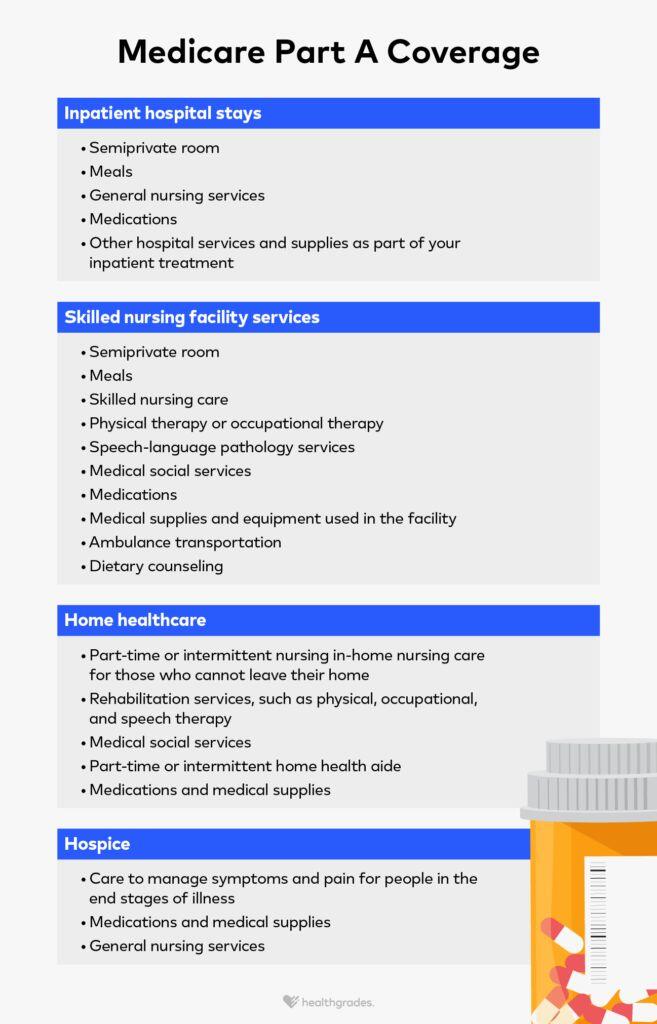
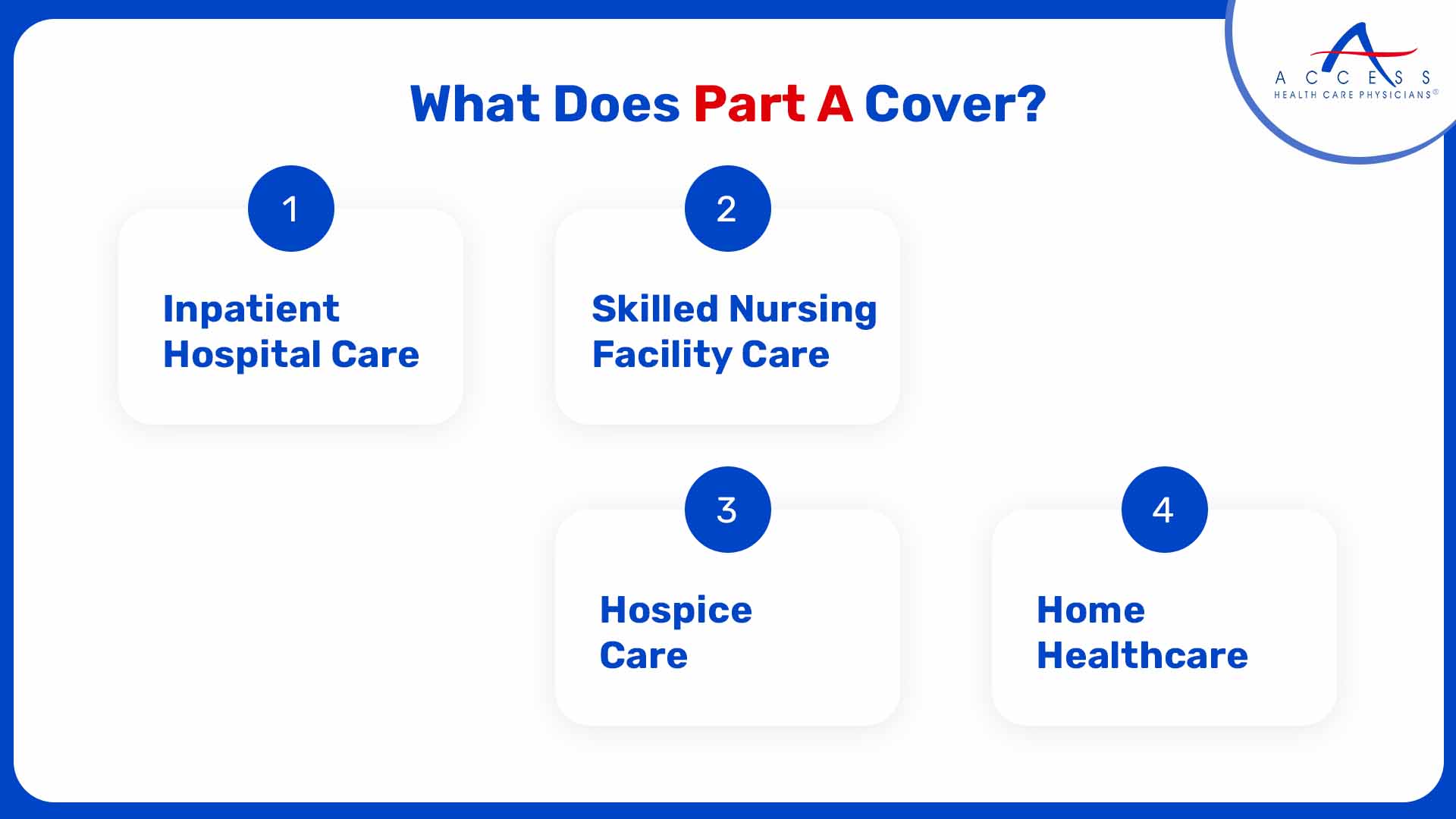
Medicare Part A is the section of Medicare that covers inpatient hospital care. It helps pay for hospital stays and related services. This part is essential for those needing care inside a hospital or similar facility. Understanding what Medicare Part A covers can help you plan your healthcare better.
Inpatient Hospital Stays
Medicare Part A covers care during inpatient hospital stays. This includes room, meals, nursing, and other hospital services. It also covers surgeries and tests done during the stay. The coverage starts from the day you are admitted as an inpatient.
Skilled Nursing Facilities
Part A helps pay for care in skilled nursing facilities. This care follows a hospital stay of at least three days. It includes skilled nursing and rehabilitation services. The goal is to help you recover and return home safely.
Hospice Care
Hospice care for terminally ill patients is covered by Part A. It focuses on comfort and pain relief rather than curing illness. Hospice care can be received at home or in a hospice facility. Medicare covers doctor services, nursing, and counseling under hospice care.
Home Health Services
Medicare Part A covers certain home health services after a hospital stay. This includes part-time skilled nursing care and therapy. Care must be ordered by a doctor and provided at home. It helps those who need medical support but do not require hospital care.
Costs And Benefits Of Part A
Medicare Part A plays a key role in covering inpatient hospital care. It offers benefits that help reduce the financial burden of hospital stays. Understanding the costs and benefits of Part A helps you plan better. Below are the main cost elements and coverage details.
Premiums And Deductibles
Most people do not pay a monthly premium for Part A. This is because they or their spouse paid Medicare taxes while working. If you do not qualify for premium-free Part A, you must pay a monthly premium. There is also a yearly deductible that applies each time you enter the hospital. This deductible must be paid before Medicare starts covering costs.
Coinsurance And Copayments
Part A requires coinsurance for extended hospital stays. For example, you pay coinsurance after 60 days in the hospital. Copayments may apply for skilled nursing facility care after a hospital stay. These costs help share expenses between you and Medicare. The exact amount depends on the length of your stay.
Coverage Limits
Part A covers inpatient care up to certain limits. Hospital stays are covered for up to 90 days per benefit period. Beyond 90 days, you have a limited number of lifetime reserve days. Skilled nursing facility care is covered for up to 100 days after a hospital stay. Coverage ends after these limits are reached unless you qualify for other help.
Out-of-pocket Expenses
Even with Part A, some costs remain your responsibility. Deductibles, coinsurance, and copayments add up during long stays. These out-of-pocket expenses can affect your budget. Supplemental insurance plans may help cover these extra costs. Knowing these expenses helps you avoid surprises during hospital care.
Credit: resources.healthgrades.com
Medicare Part C And Hospital Care
Medicare Part C, also called Medicare Advantage, offers an alternative way to get hospital care. Instead of Original Medicare (Parts A and B), Part C plans combine these benefits into one. These plans are sold by private companies approved by Medicare. They cover inpatient hospital stays but may work differently than Original Medicare.
How Part C Differs
Medicare Part C plans include all Part A and Part B benefits. They often add extra services beyond Original Medicare. You must use the plan’s network of doctors and hospitals. Costs and rules can vary by plan. Some plans require referrals to see specialists.
Hospital Stay Coverage
Part C covers inpatient hospital care like surgery and treatment. It pays for hospital room, meals, and nursing services. Plans usually have limits on how many days they cover. You may have copayments or coinsurance during your stay. Coverage is similar to Part A but managed by private insurers.
Additional Benefits
Many Part C plans offer benefits not in Original Medicare. These can include vision, dental, and hearing care. Some plans cover prescription drugs. Fitness programs and wellness services may also be included. These extras make Part C attractive to many people.
Enrollment Considerations
To join Part C, you must have Medicare Parts A and B. Enrollment happens during specific periods each year. Switching plans outside these times is limited. Check plan details carefully to understand costs and coverage. Make sure your preferred hospital and doctors are in the plan network.
When Medicare Hospital Days Run Out
Medicare Part A covers inpatient hospital care for a limited number of days. Once these hospital days run out, coverage stops, and patients must consider other options. Understanding what happens after Medicare hospital days end is important for managing care and costs.
Coverage Gaps
Medicare Part A covers up to 90 days of inpatient hospital care per benefit period. After these 90 days, there are 60 lifetime reserve days available. These days are limited and used only when regular hospital days run out. Once all these days are used, Medicare stops paying for hospital stays. This creates a coverage gap where patients must pay full costs.
Options For Extended Care
Patients needing more hospital care can explore other options. Medicare Advantage plans sometimes offer extended coverage. Skilled nursing facilities may provide continued care after hospital stays. Some patients use outpatient services or home health care for recovery. Discussing options with healthcare providers helps find the best solution.
Financial Assistance Programs
Several programs help with hospital costs after Medicare days run out. Medicaid offers assistance for eligible low-income individuals. Some hospitals provide charity care or payment plans. Nonprofit organizations may offer grants for medical bills. Checking local resources can ease financial burdens during extended care.
Credit: www.theaccesshealthcare.com
Choosing The Right Medicare Plan
Choosing the right Medicare plan affects your inpatient hospital care coverage. Understanding your options helps ensure you get the care you need without unexpected costs. Medicare offers different parts with varying benefits. Selecting a plan that fits your health needs and budget is crucial. This section explains key factors to consider in choosing the right plan.
Comparing Part A And Part C
Medicare Part A covers inpatient hospital stays, skilled nursing, and hospice care. It is part of Original Medicare and usually has no monthly premium. Part C, also called Medicare Advantage, combines Part A and Part B benefits. It often includes extra services like vision, dental, and drug coverage. Part C plans are offered by private companies and may require network use. Comparing these parts helps you decide which fits your hospital care needs best.
Evaluating Coverage Needs
Assess your current health and possible future hospital visits. Consider chronic conditions or planned surgeries. Think about how often you might need inpatient care. Check if you prefer specific hospitals or doctors. Understand costs such as deductibles, copayments, and coinsurance. Also, review additional benefits like prescription drugs or wellness programs. Clear evaluation guides you to a plan that protects you financially and medically.
Tips For Plan Selection
List your health priorities and budget limits. Use Medicare’s plan finder tool for side-by-side comparisons. Ask about network restrictions and out-of-pocket limits. Confirm if your preferred hospitals accept the plan. Read reviews from current members about customer service. Review the plan’s rules on referrals and prior authorizations. Take your time to compare before enrolling. A careful choice leads to better hospital care coverage and peace of mind.
Frequently Asked Questions
What Part Of Medicare Pays For Inpatient Hospital Care?
Medicare Part A covers inpatient hospital care, including stays, surgeries, and skilled nursing after hospitalization. It helps pay hospital costs.
Does Medicare Part C Cover Hospital Stays?
Medicare Part C (Medicare Advantage) covers hospital stays by including all benefits of Part A. It often adds extra services and may lower out-of-pocket costs.
What’s The Difference Between Medicare Part Abc And D?
Medicare Part A covers hospital and inpatient care. Part B pays for outpatient and medical services. Part C combines A and B, often with extra benefits. Part D covers prescription drugs. Each part serves different healthcare needs under Medicare.
Does Medicare Pay 100% For Hospitalization?
Medicare Part A covers most inpatient hospital costs but not 100%. You pay deductibles and coinsurance. Coverage varies by stay length.
Conclusion
Medicare Part A is the key for inpatient hospital care coverage. It helps pay for hospital stays, surgeries, and skilled nursing after discharge. Knowing what Part A covers can ease your hospital experience. Always check your plan details to avoid surprises.
Understanding Medicare helps you get the care you need.