
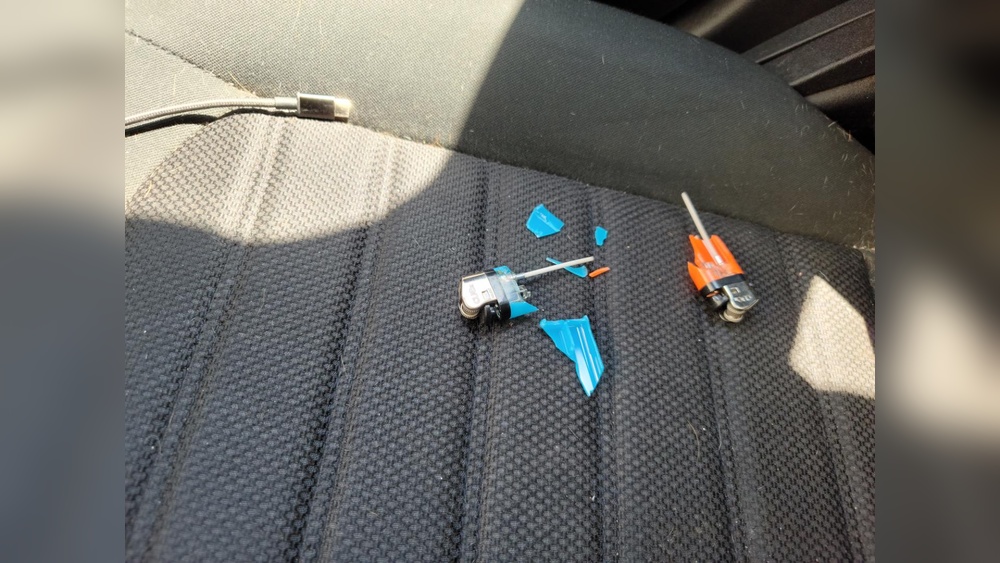
Have you ever wondered if that lighter sitting in your car could suddenly explode? It’s a scary thought, especially when you think about how hot it can get inside your vehicle on a sunny day.
You might be surprised to learn that lighters can become dangerous under certain conditions. But what exactly causes a lighter to explode in a car? And more importantly, how can you keep yourself and your vehicle safe? Keep reading to uncover the truth about lighters in cars, the risks involved, and smart tips to protect yourself from unexpected hazards.
Your safety might depend on what you do next!

Credit: helios.iframe.thesun.co.uk
Lighter Risks In Cars
Keeping a lighter inside a car poses certain risks that many overlook. Cars can heat up quickly, especially under direct sunlight. This can create dangerous conditions for lighters stored inside. Understanding these risks helps prevent accidents and keeps you safe.
Heat And Pressure Build-up
Lighters contain flammable gas, usually butane. When the temperature inside a car rises, the gas expands. This causes pressure to build inside the lighter’s casing. Too much pressure can make the lighter leak or even burst. Such a release of gas creates a serious fire hazard.
Physical Damage Effects
Physical damage to a lighter increases the risk of explosion. Dropping or crushing it can weaken the casing. Damaged parts may fail to hold the gas securely. Even a small crack can cause gas to escape. This makes the lighter unsafe to keep in a car.
Manufacturing Defects
Not all lighters are made equally. Some may have hidden defects from production. Faulty seals or weak materials can fail under heat or pressure. Defective lighters are more likely to leak or explode. Buying quality products reduces this risk but does not eliminate it.
How Lighters Explode
Lighters can explode due to the pressure buildup inside their containers. Understanding how lighters explode helps prevent accidents, especially in cars. Several factors cause this dangerous event. These include the type of gas inside, temperature changes, and external triggers.
Role Of Butane Gas
Most lighters use butane gas as fuel. Butane is highly flammable and stored under pressure. When heated, the gas expands inside the lighter. This expansion increases pressure on the lighter’s walls. If the pressure becomes too high, the lighter may rupture or explode. The sealed container must hold the gas safely. Any damage or defect can cause leaks or bursts.
Impact Of Extreme Temperatures
Heat plays a big role in lighter explosions. Inside a car, temperatures can rise rapidly, especially on sunny days. Hot weather causes the butane gas to expand even more. This extra pressure stresses the lighter’s casing. If the temperature is too high, the casing can fail. Extreme heat weakens the lighter’s materials, increasing explosion risk. Cold temperatures, however, reduce pressure and make explosions less likely.
Triggering Factors
Several triggers can cause a lighter to explode. Physical damage, like dropping or crushing, can weaken the container. A spark or flame near a leaking lighter may ignite the gas. Overfilling the lighter or poor manufacturing quality also raises the risk. Leaving a lighter in direct sunlight for hours adds to pressure buildup. Proper handling and storage reduce these triggers and keep you safe.
Common Myths Debunked
Many people worry that lighters can suddenly explode inside cars. This section clears up common myths about lighter explosions. Understanding the facts helps keep you safe and calm.
Heat and pressure inside cars can affect lighters. Still, not all fears about explosions are true. Let’s explore what really happens.
Can Gas Lighters Cause Car Explosions?
Gas lighters contain butane, a flammable gas. When heated, the gas expands and increases pressure inside the lighter. This pressure can cause the lighter to leak or burst if too high.
But a full car explosion from a gas lighter is extremely unlikely. The amount of gas inside a lighter is very small. It does not have enough fuel to cause a large explosion in a car.
Still, a leaking lighter can create a fire hazard. It is best to keep lighters away from direct sunlight and high heat areas.
Lighter Explosions On Dashboard
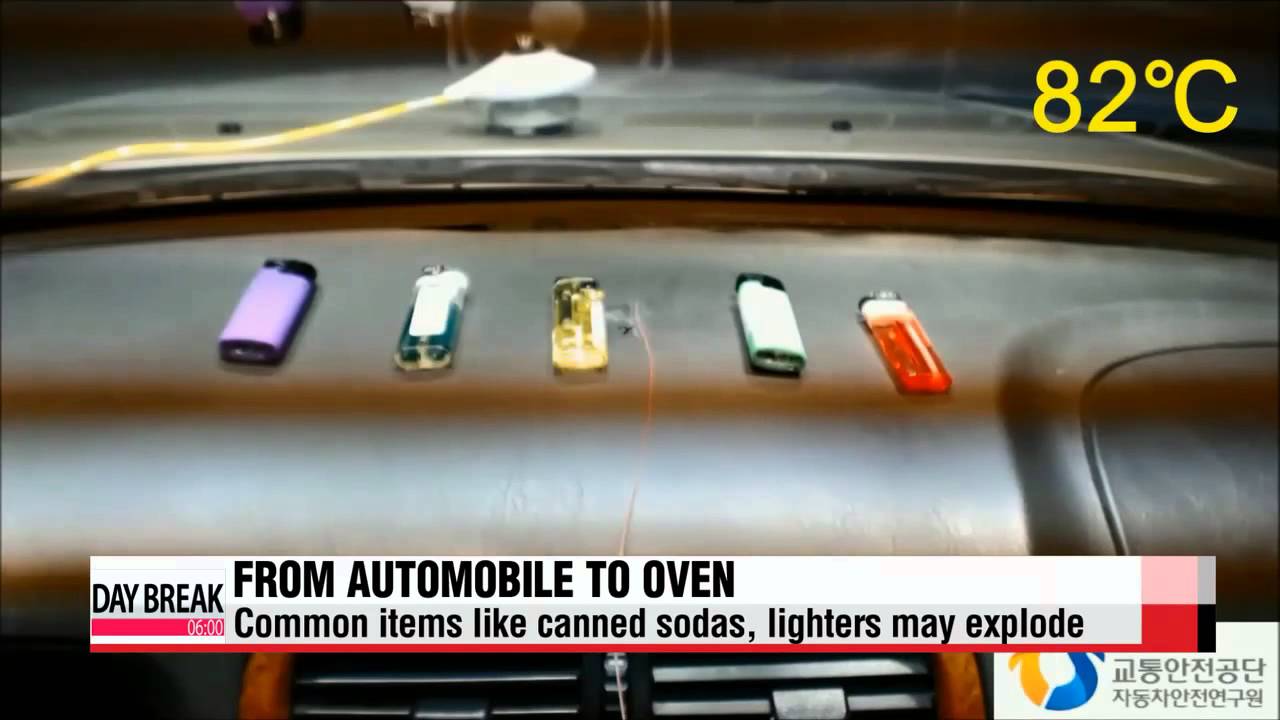
The dashboard is a common place where people leave lighters. Sunlight through the windshield can make this area very hot. This heat can increase pressure inside the lighter.
In rare cases, the lighter’s plastic or metal case may crack or burst. This is usually just a small pop or hiss, not a dangerous explosion. The gas can escape but needs a spark to ignite.
Leaving lighters on the dashboard is not safe. Use cooler storage spots like the glove box or under the seat.
Throwing Lighters Tests
Some videos show people throwing lighters to test if they explode. These tests often cause the lighter to break open. The fuel may leak or catch fire if ignited.
Throwing lighters is dangerous and can cause injuries or fires. It is not a good way to check safety. Lighters are designed to be safe if used and stored properly.
Never throw or damage lighters on purpose. Treat them with care to avoid accidents.

Credit: www.reddit.com
Fire Hazards From Lighters
Lighters pose serious fire risks inside vehicles. Their small size hides the danger of flammable gas under pressure. Heat inside cars can worsen this risk. Understanding these hazards helps prevent accidents and injuries.
Leakage And Flammable Gas Risks
Lighters hold flammable gas like butane. Heat causes this gas to expand. Rising pressure may cause the lighter to leak. Leaked gas spreads inside the car cabin. Even a small spark can ignite it. This creates a severe fire hazard for everyone inside.
Ignition Without Immediate Spark
Gas leaks do not always need a direct spark to catch fire. Hot surfaces or electrical components inside cars can ignite gas fumes. Static electricity can also trigger ignition. This makes any small leak dangerous. The risk is higher in confined spaces like cars.
Potential Damage Inside Vehicles
An exploding lighter can cause more than fire. It can shatter windows and damage interiors. The blast may hurt passengers or drivers. Fire resulting from explosion can destroy the vehicle. Repair costs and health risks rise sharply after such incidents.
Safe Storage Tips
Storing a lighter safely inside a vehicle reduces the risk of accidents. Heat causes the gas inside a lighter to expand. This pressure may lead to leaks or even explosions. Proper storage helps prevent these dangers. Follow these tips to keep your lighter safe in the car.
Avoiding Direct Sunlight
Keep the lighter out of direct sunlight. Sunlight heats up the lighter quickly. This causes the gas inside to expand fast. Avoid placing lighters on dashboards or windowsills. These areas get very hot during the day. Instead, store the lighter in shaded parts of the vehicle.
Best Locations In Vehicles
Choose cooler spots for lighter storage. The glove compartment is a good option. It stays cooler than the dashboard. The trunk or under the seats also work well. These areas do not get as hot. Avoid leaving lighters in door pockets exposed to sun. Always pick a place with stable, low temperatures.
Using Protective Containers
Use containers designed for flammable items. A small metal or hard plastic case works. This adds a layer of protection against heat. Containers prevent accidental punctures or leaks too. Keep the container closed tightly. This limits gas release if the lighter is damaged. Protective containers add safety inside hot cars.
Emergency Use Considerations
Emergency use of lighters in cars requires careful thought. High temperatures inside vehicles can cause lighters to become dangerous. Understanding safety tips helps reduce risks in critical moments.
Keeping A Lighter For Survival Kits
Keeping a lighter in a survival kit is common. Choose a sturdy, heat-resistant lighter for car emergencies. Store it in a sealed container to limit exposure to heat. Regularly check the lighter for damage or leaks. Replace it if signs of wear appear.
Temperature Control Strategies
Heat inside cars can rise quickly, especially in summer. Keep lighters away from direct sunlight and hot surfaces. Place them in shaded, insulated compartments if possible. Avoid leaving lighters on dashboards or seats. Lower car temperature by parking in shaded areas or using sunshades.
Alternative Fire-starting Options
Consider safer fire-starting tools in your car kit. Waterproof matches resist moisture and heat better than lighters. Fire steel or ferro rods last longer and are safer in heat. Carry multiple options to increase chances of success. Practice using these tools before an emergency occurs.
Real-life Incidents
Real-life incidents involving lighter explosions in cars highlight real dangers. Heat inside vehicles can cause lighters to malfunction. These incidents show how a small spark can lead to serious damage and injuries. Understanding past cases helps us learn and stay safer.
Reported Lighter Explosions
Several cases report lighters exploding inside cars during hot days. In one incident, a lighter left on a dashboard burst, causing a small fire. Another case involved a butane lighter that leaked gas and ignited. These reports prove that lighters can become dangerous when exposed to heat in enclosed spaces.
Lessons From Accidents
Accidents teach us the risks of leaving lighters in hot cars. Pressure inside lighters rises as temperatures increase. This buildup may cause the casing to rupture or the gas to leak. Even without a direct flame, leaked gas can ignite from a small spark. These lessons remind us to handle lighters with care to prevent fires.
Preventive Measures Adopted
Many people now avoid leaving lighters inside vehicles during summer. Storing lighters in cooler places reduces explosion risks. Some use special containers to keep lighters safe and away from heat. Educating drivers about these dangers helps lower the number of accidents. Simple steps can protect both lives and property.
Credit: www.youtube.com
Frequently Asked Questions
Could A Lighter Explode In A Car?
A lighter can explode in a car due to heat causing butane gas to expand and increase pressure. This risks leaks, rupture, and fire hazards. Store lighters away from direct sunlight and high temperatures to prevent dangerous pressure buildup inside vehicles.
Is It Safe To Keep A Lighter In A Car?
Keeping a lighter in a hot car is unsafe. Heat expands flammable gas inside, causing leaks, ruptures, or fire hazards. Store lighters in cool, shaded places away from direct sunlight to prevent accidents. Avoid leaving lighters inside vehicles during hot weather for safety.
What Would Cause A Lighter To Explode?
A lighter explodes from extreme heat, causing butane gas to expand and pressure to build. Physical damage or defects can also trigger explosions.
Can Lighters Be Left In The Heat?
Lighters should not be left in heat. High temperatures cause gas expansion, increasing pressure. This can lead to leaks, ruptures, or explosions, creating fire hazards. Store lighters in cool, shaded places to ensure safety and prevent damage. Avoid leaving them inside hot cars or direct sunlight.
Conclusion
Lighters can explode in cars if exposed to high heat. Heat makes the gas inside expand, raising pressure. This pressure can cause the lighter to leak or burst. A burst lighter releases flammable gas, which can start a fire. To stay safe, avoid leaving lighters in hot cars.
Store them in cool, shaded places instead. If you must keep one in your vehicle, place it away from sunlight and heat. Safety matters more than convenience when handling lighters in cars. Stay cautious to prevent accidents and protect yourself.