

If you want your car’s engine to run smoother and last longer, understanding the role of car oil coolers is key. You might not realize it, but your engine oil works hard every time you drive, especially in tough conditions like towing heavy loads or off-roading.
Without proper cooling, that oil can overheat, losing its ability to protect your engine. That’s where oil coolers step in—they keep your engine oil at the right temperature, preventing wear and tear before it starts. Curious about how these small but powerful devices work and whether your car could benefit from one?
Keep reading to discover everything you need to know about car oil coolers and why they might be the upgrade your vehicle deserves.

Credit: www.youtube.com
Purpose Of Oil Coolers
Car oil coolers play a vital role in maintaining engine health. They keep the engine oil from overheating. Overheated oil loses its ability to lubricate parts properly. This can cause engine damage and reduce performance. Oil coolers help engines run smoothly and last longer. They do this by controlling the oil temperature effectively.
Heat Dissipation Process
The main job of an oil cooler is to remove heat from the engine oil. Hot oil flows through the cooler’s thin metal tubes. Air or coolant passes around these tubes, taking the heat away. This process lowers the oil temperature quickly. Cooler oil can lubricate the engine parts better and prevent wear.
Temperature Regulation
Oil coolers keep the oil temperature within a safe range. They prevent the oil from getting too hot during heavy engine use. At the same time, they help the oil reach its ideal working temperature faster. This balance protects engine components and improves fuel efficiency. Consistent oil temperature also reduces the risk of engine failure.
Water-oil Exchangers
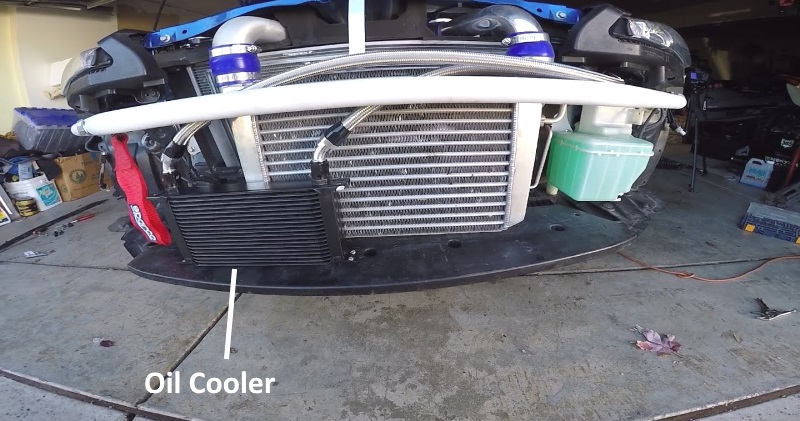
Water-oil exchangers are a type of oil cooler that uses engine coolant. The hot oil passes through a heat exchanger where coolant absorbs its heat. The coolant then circulates through the radiator to release this heat outside. This method is very effective in tight engine spaces. It offers precise temperature control and helps keep the engine oil stable.
Credit: grimmermotors.co.nz
Benefits For Engine Performance
Car oil coolers play a key role in boosting engine performance. They help keep the engine oil at the right temperature. This improves how the engine runs and lasts longer.
Understanding their benefits can show why oil coolers are a smart addition to any vehicle. They protect the engine from heat stress and wear.
Stable Oil Temperature
Oil coolers keep the engine oil temperature steady. This prevents the oil from getting too hot. Stable oil temperature helps the engine work smoothly. It stops the oil from thinning out and losing its power to protect the engine.
Preventing Oil Breakdown
High heat can break down engine oil quickly. Oil coolers reduce this risk by lowering the oil temperature. This keeps the oil fresh and effective for a longer time. Good oil means better lubrication and cleaner engine parts.
Reducing Engine Wear
Cooler oil reduces friction inside the engine. This lowers wear and tear on engine parts. Oil coolers help keep engine components safe and strong. Less wear means fewer repairs and a longer engine life.
Ideal Conditions For Use
Car oil coolers help keep engine oil at a steady, safe temperature.
They work best in situations where the engine faces extra stress or heat.
Using an oil cooler can protect the engine and improve its performance.
Towing And Hauling
Towing heavy loads makes the engine work harder and hotter.
An oil cooler lowers oil temperature to prevent overheating.
This helps keep the engine safe during long, tough towing jobs.
Off-roading Challenges
Off-roading causes rough driving and slow speeds that heat the engine.
Oil coolers help keep oil temperature stable in rough terrain.
This prevents engine wear and keeps your vehicle running well off-road.
High-performance Driving
Fast driving and quick acceleration raise engine oil temperature quickly.
Oil coolers reduce heat, protecting engine parts from damage.
They are useful for sports cars and racing vehicles.
Extended High-speed Runs
Long drives at high speeds generate a lot of engine heat.
Oil coolers keep oil cool during highway or track runs.
This reduces engine stress and helps maintain power and efficiency.
Types Of Oil Coolers
Car oil coolers help keep engine oil at safe temperatures. Different types fit various needs and car models. Choosing the right cooler improves engine life and performance. Understanding the main types helps in picking the best option.
Air-cooled Units
Air-cooled oil coolers use airflow to lower oil temperature. They have fins or tubes exposed to moving air. These units mount where air flows freely, like near the front grille. They are simple and cost-effective for many vehicles. Air-cooled units work best in cars with good airflow.
Water-cooled Units
Water-cooled oil coolers use engine coolant to cool the oil. They connect to the car’s cooling system. The coolant absorbs heat from the oil and carries it away. These units perform well in low airflow conditions. Water-cooled coolers are common in heavy-duty and high-performance engines.
Universal Vs. Direct-fit Kits
Universal kits fit many car models with some adjustments. They offer flexibility but need more installation work. Direct-fit kits are designed for specific cars. These kits match factory mounting points and connections. Direct-fit options simplify installation and reduce errors. Choose based on your car and installation skills.
Installation Tips
Installing a car oil cooler improves engine performance and longevity. Proper installation ensures the cooler works effectively. Follow these tips to install your oil cooler correctly and avoid common problems.
Choosing The Right Cooler
Select a cooler that fits your car’s engine size and type. Consider the cooler’s capacity and material for durability. Aluminum coolers are lightweight and resist corrosion well. Check product reviews and specifications before buying. A good match prevents overheating and oil pressure issues.
Mounting Locations
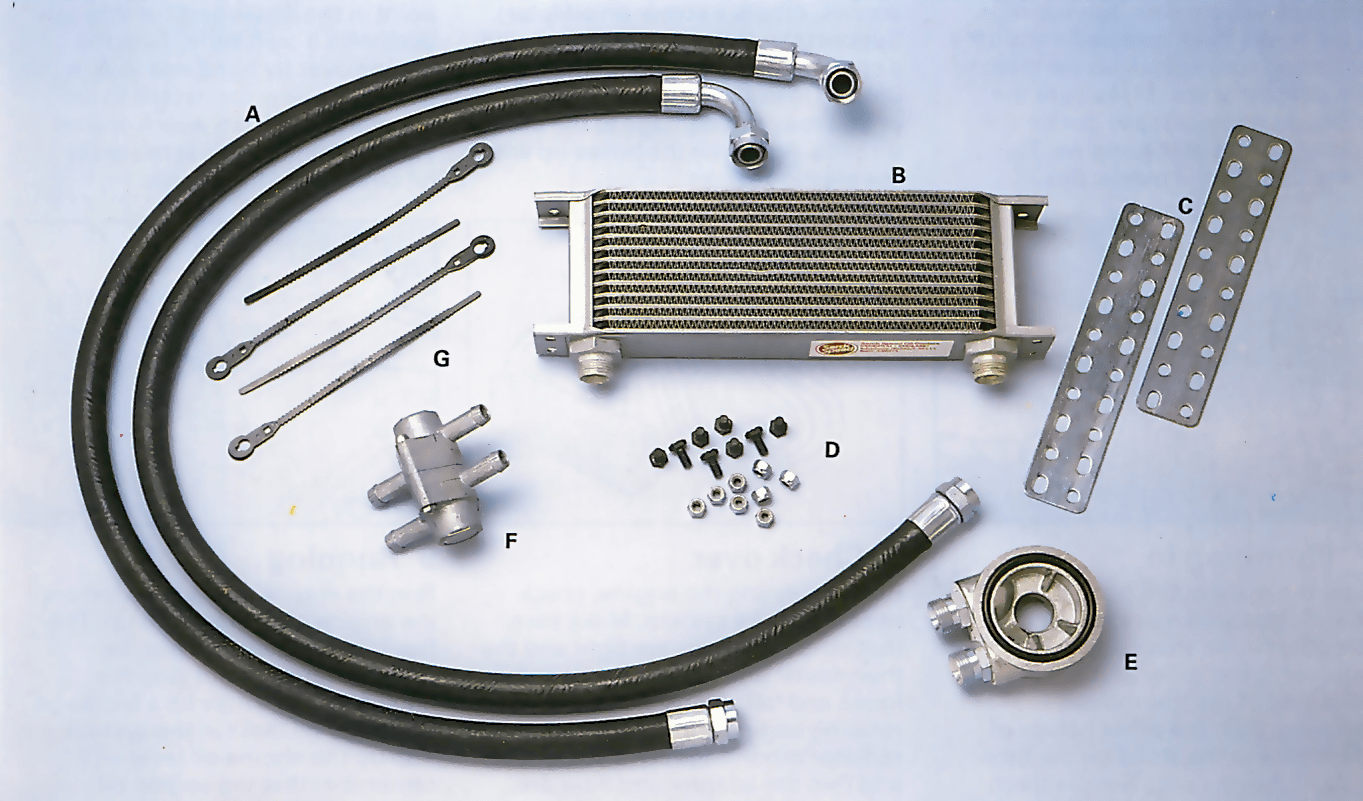
Pick a mounting spot with good airflow to maximize cooling. The front of the radiator or near the grille works best. Avoid places near hot engine parts to prevent heat soak. Secure the cooler firmly using brackets or mounts. Ensure it does not block other components or airflow.
Connecting To Oil Lines
Use high-quality hoses rated for oil and heat resistance. Keep hose length short to maintain oil pressure. Tighten fittings carefully to avoid leaks but do not overtighten. Route hoses away from sharp edges and moving parts. Check all connections after installation and during regular maintenance.
Credit: www.howacarworks.com
Maintenance And Troubleshooting
Proper maintenance and timely troubleshooting of car oil coolers keep engines running smoothly. Oil coolers regulate oil temperature to prevent overheating. Regular care extends the cooler’s lifespan and protects engine parts. Spotting issues early avoids costly repairs and breakdowns.
Identifying Leaks
Leaks are common problems in oil coolers. Check under the vehicle for oil spots or wet areas. Inspect hoses and connections for cracks or loose fittings. Oil leaks reduce cooling efficiency and can cause engine damage. Use a clean cloth to wipe around cooler joints and watch for fresh oil. Early detection stops bigger issues.
Signs Of Failure
Watch for warning signs of oil cooler failure. Engine overheating is a clear indicator. Oil pressure may drop suddenly. Oil contamination or dark, thick oil suggests cooler problems. Strange noises or smoke from the engine bay also signal trouble. Address these signs quickly to avoid engine damage.
Regular Inspection Practices
Set a schedule to inspect the oil cooler every few months. Look for dirt, debris, or damage on the cooler fins. Clean the fins gently using compressed air or a soft brush. Check all hoses and clamps for tightness and wear. Monitor oil temperature and pressure regularly. Routine checks keep the cooler working efficiently.
Popular Brands And Products
Car oil coolers help keep your engine running smoothly by controlling oil temperature. Many brands offer quality coolers suited for different vehicles and needs. Choosing the right brand ensures durability, performance, and easy installation. Here are some popular brands and their top products in the market.
Mishimoto
Mishimoto is known for durable and efficient oil coolers. Their products fit many car models easily. Mishimoto coolers have a strong aluminum core for fast heat dissipation. These coolers help maintain oil temperature during high-performance driving. They also come with mounting hardware for quick setup. Mishimoto oil coolers balance quality and price well.
Afco And Fsr
AFCO and FSR offer racing-grade oil coolers. Their coolers are designed for extreme heat conditions. AFCO specializes in deck mount coolers for easy installation on race cars. FSR coolers provide excellent cooling capacity with compact size. Both brands use high-quality materials for long life. These coolers suit serious racers and performance enthusiasts.
Improved Racing
Improved Racing provides high-performance oil coolers with advanced features. Their coolers have efficient fin designs for better airflow. Improved Racing products are popular among track drivers. The coolers are lightweight and built to withstand tough conditions. These coolers help protect engines from overheating during intense use. Improved Racing offers reliable options for serious car owners.
Cost Considerations
Choosing the right car oil cooler involves understanding cost factors. Budget affects the type and quality of the cooler. It also guides installation options and expected performance. Knowing price ranges helps plan expenses better.
Price Ranges
Car oil coolers vary widely in price. Basic models start around $50. Mid-range options typically cost between $150 and $300. High-performance coolers can exceed $600. Prices depend on brand, size, and materials used.
Smaller, universal coolers often cost less. Direct-fit, vehicle-specific coolers tend to be pricier. Consider what fits your car and budget.
Value Vs. Performance
Higher-priced oil coolers usually offer better cooling efficiency. They use advanced materials and design. This results in longer engine life and improved performance.
Lower-cost coolers may work well for casual drivers. Heavy-duty or racing cars need high-performance units. Balance cost with the level of cooling your car requires.
Diy Vs. Professional Installation
Installing an oil cooler yourself can save money. Basic mechanical skills and tools are necessary. Follow instructions carefully to avoid leaks or damage.
Professional installation costs extra but ensures proper setup. Experts handle complex fittings and testing. This reduces risk of errors and future repairs.
Consider your skill level and tools before choosing installation method. A good installation supports cooler efficiency and engine safety.
Frequently Asked Questions
Do Engine Oil Coolers Work?
Yes, engine oil coolers effectively maintain optimal oil temperature, preventing breakdown and reducing engine wear. They benefit heavy-load and high-performance vehicles by dissipating heat and ensuring proper lubrication.
What Are The Cons Of Oil Coolers?
Oil coolers can leak, add weight, increase maintenance, and may fail if clogged. They also raise installation costs.
How Much Does A Car Oil Cooler Cost?
A car oil cooler typically costs between $60 and $450, depending on brand, type, and vehicle compatibility. Installation fees may apply.
What Is The Purpose Of The Oil Cooler In A Car?
The oil cooler prevents engine oil from overheating by dissipating excess heat. It maintains optimal oil temperature for proper lubrication and engine protection. This helps reduce engine wear and improves performance, especially under heavy loads or high temperatures.
Conclusion
Car oil coolers help maintain the right oil temperature. This protects your engine and improves its life. Cooler oil means better engine performance and less wear. They work well for heavy use, like towing or racing. Choosing the right oil cooler depends on your car and needs.
Installing one can prevent costly engine damage later. Keep your engine running smooth and avoid overheating. A good oil cooler is a smart car upgrade. It helps your engine stay cool under pressure.