
Have you ever wondered just how much of a difference seatbelts have made in car accident deaths? When you buckle up, it’s not just a routine habit—it could be the factor that saves your life.
Over the years, seatbelt use has dramatically changed the landscape of road safety. But how big is that change really? You’ll discover eye-opening facts about how seatbelts have cut the risk of fatal injuries nearly in half. Understanding these numbers might make you rethink your next drive—and that’s exactly why you should keep reading.
Your safety on the road could depend on it.

Credit: www.haugfarrar.com
Seatbelt Impact On Fatalities
Seatbelts have had a profound impact on reducing fatalities in car accidents. They act as a critical barrier between passengers and the harsh forces of a crash. Seatbelts help keep people inside the vehicle, where they are safer. Their role in lowering death rates is well documented by safety organizations worldwide.
Reduction In Death Risk
Wearing a seatbelt cuts the risk of dying in a crash nearly in half. It also lowers the chance of serious injury. This simple action saves thousands of lives every year. The risk reduction applies to both drivers and passengers. Seatbelts reduce the force of impact on the body during collisions.
Prevention Of Ejections
Seatbelts prevent occupants from being thrown out of vehicles. Ejections cause a high number of fatal injuries. People ejected from cars often suffer severe trauma or death. By keeping passengers inside, seatbelts greatly improve survival chances. This safety feature is key to reducing fatal crashes.
Statistics Over The Decades
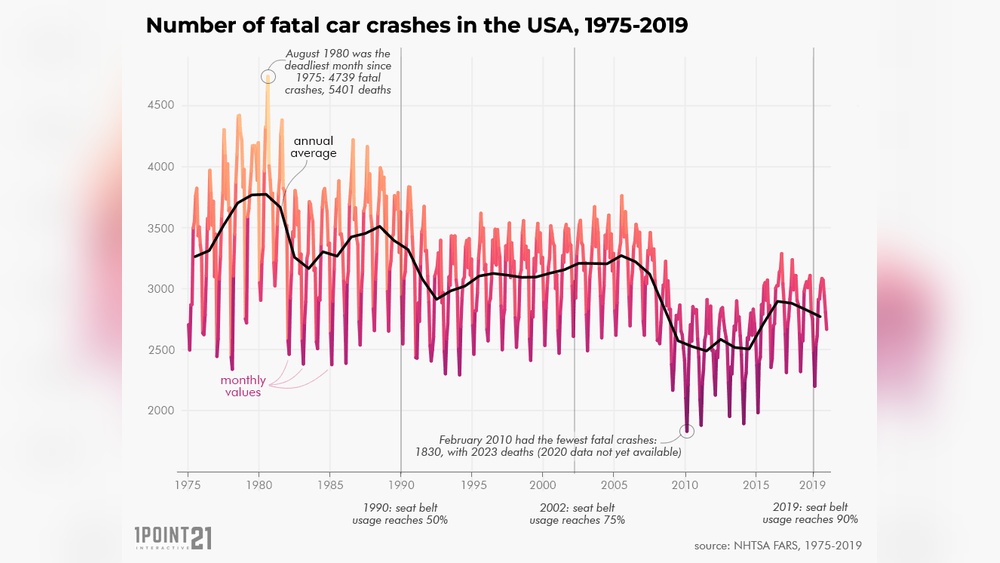
Since seatbelt laws were introduced, death rates have fallen steadily. In the 1960s, many states had no seatbelt requirements. Fatalities from car accidents were much higher then. Over the decades, seatbelt use increased due to laws and awareness. Data shows a clear drop in deaths linked to seatbelt adoption.
Studies from the National Highway Traffic Safety Administration confirm these trends. The Centers for Disease Control also report fewer fatal injuries. The impact is visible across different age groups and vehicle types. Seatbelts remain one of the most effective tools in road safety.

Credit: www.dsslaw.com
Injury Severity Changes
Seatbelts have changed how injuries happen during car accidents. They do not just save lives. They also lower how bad injuries get. Since seatbelt laws started, injury severity has shifted. More people survive crashes with less damage. This section looks at how injuries changed from moderate to critical. It also discusses effects on long-term health after crashes.
Moderate To Critical Injuries
Seatbelts reduce the chance of severe injuries in crashes. People wearing belts often have moderate injuries rather than critical ones. Seatbelts stop occupants from hitting hard surfaces inside the car. They also prevent being thrown out of the vehicle. Ejection often causes the most serious injuries or death. With seatbelts, fewer people suffer life-threatening wounds. This reduces hospital stays and helps faster recovery.
Long-term Health Outcomes
Injuries from car accidents can cause long-term health problems. Seatbelts lower the risk of these lasting effects. Survivors face fewer disabilities and chronic pain. They can return to normal life quicker than before. Reduced injury severity means fewer surgeries and less therapy. Seatbelts also lower chances of brain and spinal cord injuries. This improves quality of life after a crash. Wearing a seatbelt supports better health for years after accidents.
Seatbelt Legislation Effects
Seatbelt laws have played a key role in reducing deaths in car accidents. These laws require drivers and passengers to wear seatbelts. Wearing a seatbelt lowers the risk of serious injury or death during a crash. Understanding how these laws changed accident outcomes helps us see their impact on road safety.
Before And After Laws
Before seatbelt laws, many people did not wear belts. This led to more serious injuries and deaths. Cars were less safe without seatbelt use. After laws were passed, more people started wearing seatbelts. Death rates in car crashes dropped significantly. The chance of being thrown from a vehicle also fell. This shows how laws made a clear difference in saving lives.
Compliance Rates And Trends
Compliance with seatbelt laws has grown over time. Early on, many ignored the rules. Police enforcement and public education increased belt use. Now, most drivers and passengers buckle up every trip. Compliance rates often exceed 85% in many places. Higher compliance means fewer deaths and injuries. Trends show steady improvement as seatbelt use becomes routine.
Demographic Variations
Car accident death rates have changed since seatbelt laws began. These changes are not the same for every group of people. Differences appear in age groups and locations. Understanding these helps improve safety measures. Seatbelt use varies widely, and so do the effects on death rates.
Age Group Differences
Older adults show a bigger drop in deaths after seatbelt laws. They tend to use seatbelts more often than younger people. Young drivers, especially teens, still have higher death rates. They take more risks and use seatbelts less. Middle-aged groups show steady improvements in safety. Promoting seatbelt use among youth can save many lives.
Geographic Disparities
Death rates after seatbelt laws differ by region. Urban areas report lower death rates than rural areas. Rural drivers use seatbelts less and face longer emergency response times. Some states have stricter seatbelt laws and better enforcement. These states see greater drops in car accident deaths. Efforts in rural and low-use areas could improve safety nationwide.
Challenges And Limitations
Seatbelts have significantly lowered car accident deaths over the years. Despite their proven benefits, challenges and limitations still affect overall safety outcomes. Understanding these hurdles is crucial to improving road safety further. Factors beyond seatbelt use also impact accident fatalities. These include driver behavior and external distractions. Examining these issues helps reveal why some risks remain high.
Non-usage Factors
Some drivers still do not wear seatbelts consistently. This non-usage greatly reduces the potential safety benefits. Reasons include discomfort, forgetfulness, or false confidence in driving skills. Laws and enforcement vary, affecting compliance rates across regions. Passengers often neglect seatbelts, especially in the back seat. Non-use increases injury severity and death risk in crashes. Tackling these behavioral challenges remains essential for saving lives.
Distracted Driving Influence
Distracted driving is a major cause of accidents today. Activities like texting, eating, or adjusting the radio divert attention. Even with seatbelts, a distracted driver cannot react quickly to hazards. This delay often leads to severe crashes or fatalities. Technology use while driving continues to rise, worsening the problem. Reducing distractions is key to complementing seatbelt safety efforts. Awareness campaigns and stricter laws may help curb this risk.
Future Safety Innovations
Car safety continues to improve beyond traditional seatbelts. Future safety innovations focus on smarter, more adaptive protection. New technologies promise to reduce injuries and deaths even further. These advancements work by enhancing how seatbelts and other safety features interact with vehicle systems. The goal is to create a safer ride for everyone.
Advanced Seatbelt Technologies
Seatbelts are evolving with new smart features. Some seatbelts can adjust tension automatically during a crash. This helps reduce the force on passengers’ bodies. Others include sensors that detect passenger size and position. These sensors help seatbelts fit better and protect more effectively. Some systems even warn drivers if seatbelts are not fastened. These updates aim to make seatbelts more comfortable and safer for all users.
Integration With Vehicle Safety Systems
Seatbelts are now linked to other car safety tools. For example, they connect with airbags to work together in a crash. Cars can sense the crash type and adjust seatbelt tightness accordingly. This teamwork improves overall passenger protection. Vehicles with automatic braking and collision detection also use seatbelt data. This integration helps prepare occupants before an impact happens. Coordinated safety systems are key to lowering injury risks in accidents.

Credit: www.weforum.org
Frequently Asked Questions
How Much Do Seatbelts Reduce The Risk Of Death?
Seatbelts reduce the risk of death in car crashes by about 50%. They prevent ejection, a major cause of fatal injuries. Wearing a seatbelt is the most effective way to survive serious accidents.
What Are 90% Of Accidents Caused By?
Ninety percent of accidents result from human errors like distracted driving, speeding, and impaired judgment. These factors cause most crashes.
How Many People Died Because Of Not Wearing A Seatbelt?
Not wearing a seatbelt causes about 9,500 deaths annually in the U. S. Seatbelts reduce fatal injuries by nearly 50%.
Are There More Car Accidents Now Than In The Past?
Car accidents have increased due to more vehicles and distractions. However, safety measures like seat belts reduce fatalities significantly.
Conclusion
Seatbelts have clearly saved many lives over the years. They cut the risk of death and serious injury by about half. Keeping passengers inside the car prevents fatal ejections. More people buckle up today than before, helping reduce deaths. Car accidents still happen, but seatbelts make them less deadly.
Wearing a seatbelt is a simple step that protects everyone. Safety starts with buckling up every time you drive.