
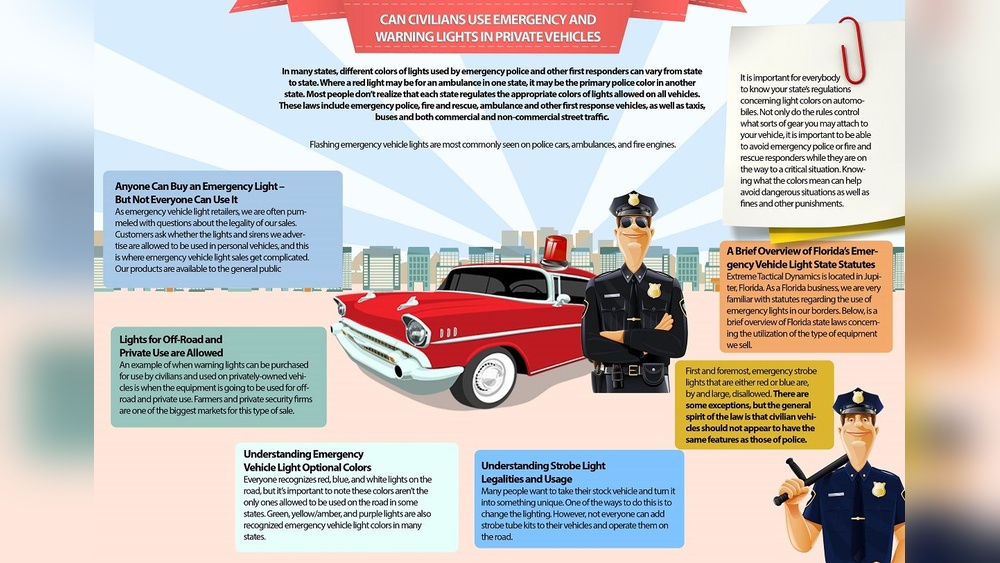
Thinking about adding blue lights to your car? You might want to pause and ask yourself: Are blue lights on your vehicle actually allowed?
It’s easy to assume that customizing your car with cool blue LEDs is no big deal. But when it comes to blue lights, the rules are stricter than you might think. Using blue lights can cause confusion with emergency vehicles and could get you pulled over—or worse.
So, before you buy those flashy blue bulbs or install glowing strips, you need to know exactly what’s legal and what’s not. Keep reading to find out the truth about having blue lights on your car, so you can stay safe, avoid fines, and still make your ride look great.

Credit: www.reddit.com
Blue Light Laws
Blue lights on vehicles are highly regulated across the United States. These laws exist to prevent confusion between regular cars and emergency vehicles. Blue lights often signal police or other first responders. Unauthorized use of blue lights can lead to fines or legal trouble.
Understanding the blue light laws helps you avoid penalties and stay safe. The rules vary widely depending on state and local regulations. Knowing these differences is essential for any driver considering blue lights on their car.
Emergency Vehicle Restrictions
Blue lights are mostly reserved for emergency vehicles like police cars and ambulances. Non-emergency vehicles cannot display blue lights on the exterior. Using blue lights on a personal vehicle can cause confusion on the road. This can also lead to serious safety risks. Many states impose strict fines and penalties for unauthorized blue light use. Even having blue lights that flash or rotate is often illegal. Some laws prohibit blue lights visible from outside the car entirely. These restrictions help emergency responders stand out clearly in traffic.
State And Local Variations
Each state has its own laws about blue lights on vehicles. Some states allow limited use of blue lights inside the car if not visible outside. Others ban all blue lights for non-emergency vehicles completely. Local governments might add extra rules on top of state laws. It is important to check your city and state regulations before adding blue lights. Enforcement can differ too, so what is allowed in one place might cause trouble nearby. Always research and follow the laws where you drive most often.
Interior Blue Lights
Interior blue lights add a modern touch inside your vehicle. Many drivers enjoy the cool glow of blue LED lights under the dashboard or seats. These lights create a unique ambiance without affecting your car’s exterior look. However, rules about interior blue lights vary by location and are quite strict.
Allowed Uses
Blue interior lights are generally allowed for mood lighting inside the car. They must stay inside the vehicle and not shine outside. These lights cannot mimic emergency signals. Drivers can use blue LEDs under the dashboard, seats, or door panels. Avoid flashing or blinking patterns to stay legal.
Visibility Rules
Interior blue lights must not be visible from outside the car. This prevents confusion with police or emergency vehicles. Tinting windows or placing lights low inside the cabin helps keep them hidden. If passersby see blue lights from outside, you could face fines or warnings.
Brightness And Distraction Limits
Blue interior lights should be dim enough to avoid distracting the driver. Bright or flashing lights can reduce night vision and cause safety risks. Use dimmers or adjustable brightness settings to control the light level. Keep the lighting subtle and calm for a safe driving experience.
Exterior Blue Lights
Exterior blue lights on cars attract attention quickly. These lights often signal emergency vehicles. Using blue lights on personal vehicles can cause confusion. Laws about blue exterior lights vary but are mostly strict. Understanding the rules helps avoid fines or legal trouble.
Common Prohibitions
Most states ban blue lights on private cars. Blue lights are reserved for police and emergency vehicles. Installing blue lights on the outside often breaks the law. This includes headlights, underglow, or grille lights. Even if the lights are off, their presence can be illegal.
Flashing Light Bans
Flashing blue lights are nearly always prohibited for civilians. Flashing lights mimic emergency signals and cause safety risks. Using flashing blue lights can mislead other drivers on the road. Some areas ban any flashing colored lights on vehicles. Steady blue lights may still be illegal in many places.
Risk Of Law Enforcement Attention
Blue lights on a personal car can attract police attention quickly. Officers may stop drivers for suspected impersonation. Penalties include fines, vehicle impoundment, or even arrest. Law enforcement watches for unauthorized use of emergency colors. Avoid blue exterior lights to stay clear of trouble.
Legal Risks
Using blue lights on your car can lead to serious legal risks. Blue lights are usually reserved for emergency vehicles like police cars. Having them on a regular vehicle may cause trouble with law enforcement. Understanding these risks helps you avoid fines and other problems.
Traffic Stops And Fines
Police often stop vehicles that show blue lights. They see these lights as a sign of an emergency vehicle. Drivers with blue lights may face hefty fines or even vehicle impoundment. The laws vary by state, but most ban blue lights on private cars. Avoid flashing or steady blue lights on your car’s exterior.
Misidentification Concerns
Blue lights can confuse other drivers and police officers. People may mistake your vehicle for law enforcement. This confusion can cause dangerous situations on the road. Impersonating a police officer is a serious crime in many areas. Misuse of blue lights may lead to criminal charges and legal action.
Compliance Tips
Compliance with laws about blue lights on cars is important. Rules vary by state and city. Avoiding legal trouble means knowing the specific laws that apply to your vehicle. Follow these tips to stay within the law and keep your car safe.
Checking Local Regulations
Each place has its own rules about blue lights on vehicles. Some areas ban blue lights completely on non-emergency vehicles. Others allow blue lights only inside the car if they are not visible outside. Always check your city and state laws before adding blue lights.
Consulting Law Enforcement
Police can provide clear guidance about blue light use. Contact your local law enforcement office to ask about rules. Officers can explain what is allowed and what is not. This step helps avoid fines or vehicle inspections.
Avoiding Off-road Labels
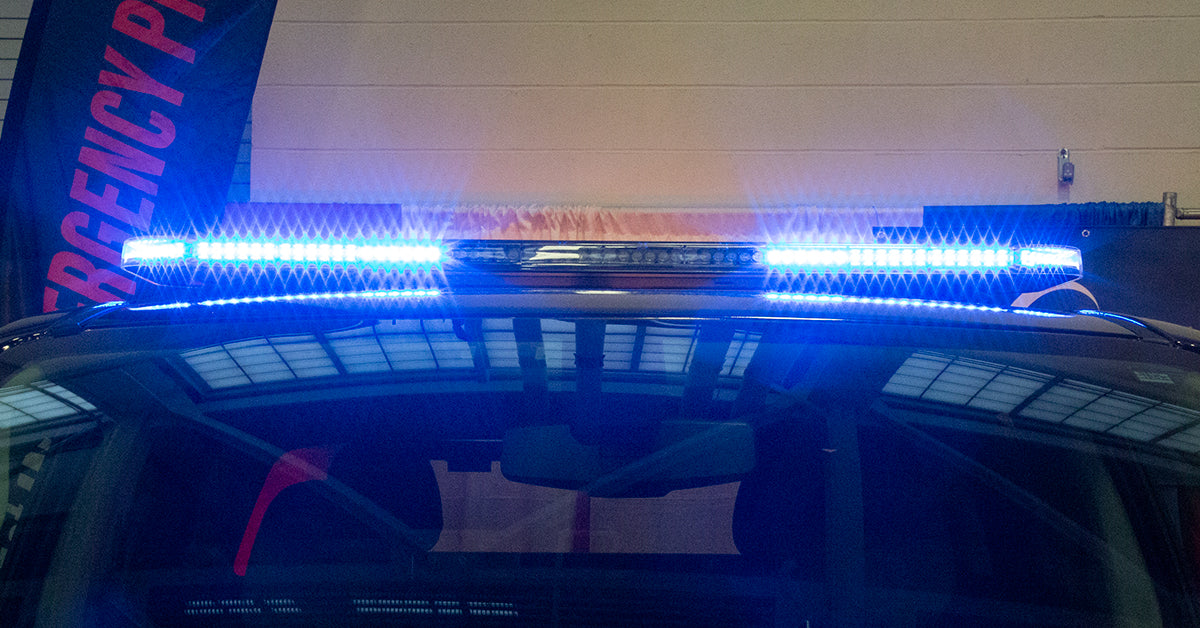
Some blue lights are sold as “off-road” or “show” lights. These lights still must follow road laws. Do not rely on labels to avoid legal restrictions. Using off-road lights on public roads may lead to penalties.

Credit: ultrabrightlightz.com
Credit: ultrabrightlightz.com
Frequently Asked Questions
Is It Illegal To Have Blue Lights On Your Car?
Blue lights on cars are mostly illegal, reserved for emergency vehicles only. Interior blue LEDs are allowed if not visible outside or flashing. Always check local laws to avoid fines or legal issues.
Can I Have A Solid Blue Light On My Car?
You cannot have solid blue lights visible on your car’s exterior. Blue lights are reserved for emergency vehicles. Interior blue LED lights are allowed if not seen outside or flashing. Always check local laws before installing any blue lights on your vehicle.
Can You Put Blue Lights On Your Vehicle?
Blue lights on vehicles are generally illegal except for emergency use. Interior blue LEDs are allowed if not visible outside or flashing. Always check local laws before installing blue lights to avoid fines or legal issues.
Can I Have Blue Led Lights On My Car?
Blue LED interior lights are usually allowed if not visible outside or flashing. Exterior blue lights are often illegal, reserved for emergency vehicles. Always check local laws before installing to avoid fines or police issues.
Conclusion
Blue lights on cars are mostly reserved for emergency vehicles. Using blue lights outside your car can cause legal trouble. Interior blue lights are usually allowed if not visible from outside. Avoid flashing or bright blue lights to stay safe and legal.
Always check local laws before adding any blue lighting. Staying informed helps you avoid fines and issues. Drive safely and keep your car’s lighting within legal limits.