

Thinking about adding neon lights under your car to give it a cool, eye-catching look? Before you dive in, you need to know this: neon underglow lights aren’t always legal.
You might be risking a ticket or worse if you don’t follow the rules. So, are neon lights under cars illegal? The answer isn’t simple—it depends on where you live and how you use them. You’ll discover the key laws you must know, which colors and placements are allowed, and what could get you into trouble.
Keep reading to make sure your ride stands out without breaking the law.
Neon Lights And Vehicle Laws
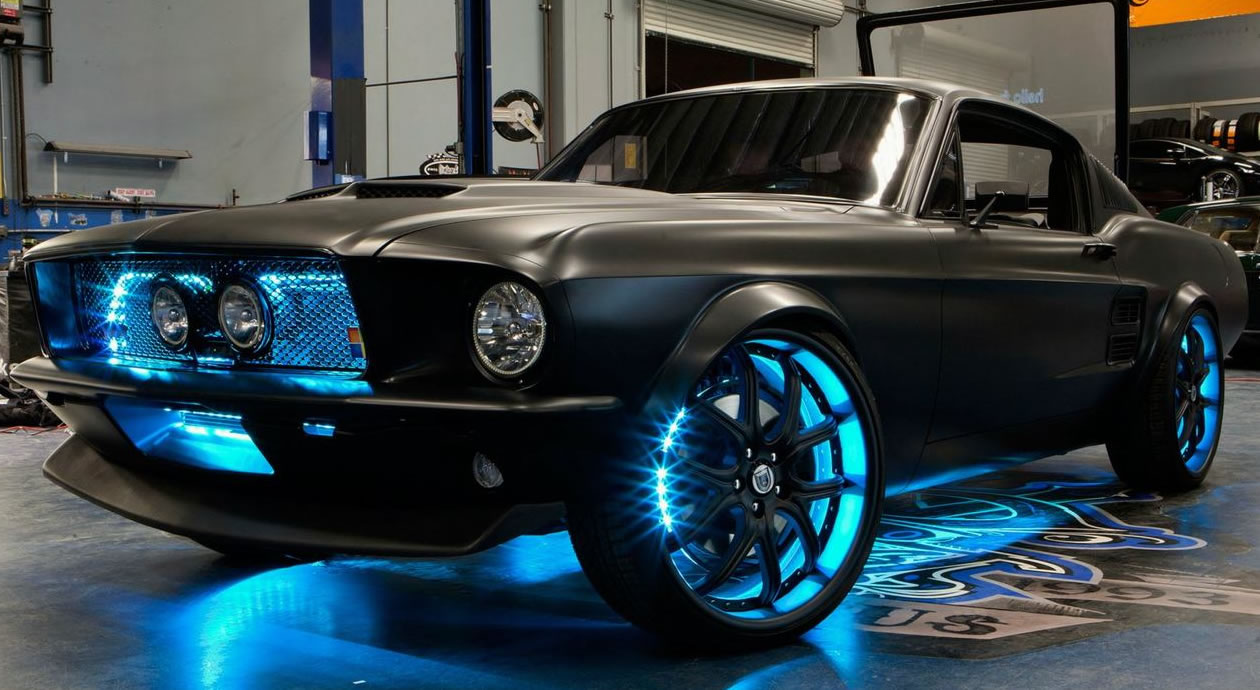
Neon lights under cars create a striking look that many drivers enjoy. Yet, these lights must follow vehicle laws to ensure safety. Regulations focus on color, brightness, and placement to avoid confusion or danger on the road. Understanding these laws helps drivers stay legal while enhancing their cars.
General Legality Across States
Neon underglow lights are legal in many states but with limits. Most states ban red or blue lights visible from the front or rear. These colors are reserved for police and emergency vehicles. Some states require the lights to turn off when driving on public roads. Brightness and flashing patterns often face restrictions. Each state sets rules to prevent distractions and accidents.
Local Ordinance Variations
City and county rules may differ from state laws. Some local areas ban neon lights entirely on public streets. Others allow them only on private property or during car shows. Local police may enforce stricter rules to reduce disturbances. Checking local ordinances is essential before installing neon lights under your car. This avoids fines or forced removal.
Emergency Vehicle Color Restrictions
Red and blue neon lights are illegal for regular cars. These colors are reserved for police, fire, and ambulance vehicles. Using these colors can cause confusion and is often a crime. Some states also restrict green and white lights for non-emergency cars. Avoid these colors to stay compliant with vehicle laws. Proper color choice keeps roads safe and clear.
Color Rules For Underglow Lights
Color rules for underglow lights are important to know before installing neon lights under your car. Different states have specific laws about which colors you can use. These rules help avoid confusion with emergency vehicles and keep roads safe for everyone. Understanding these color restrictions can prevent legal trouble and keep your lighting setup compliant.
Prohibited Colors
Red and blue lights are usually banned for underglow use. These colors are reserved for police, fire trucks, and ambulances. Using them can confuse other drivers and lead to fines or penalties. Green and white may also be restricted in some places. Avoid colors that mimic emergency signals to stay legal.
Allowed Colors In Different States
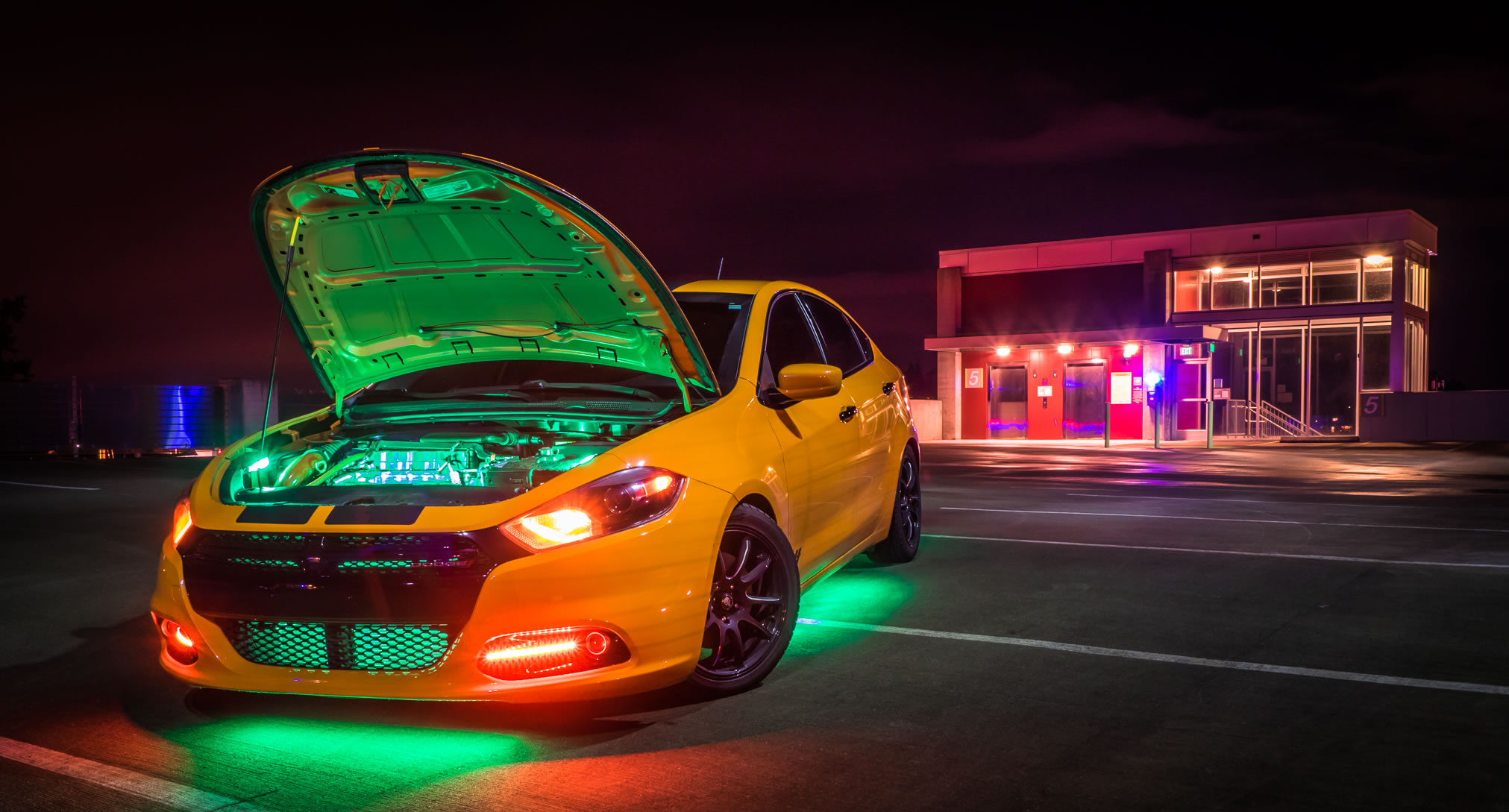
Many states allow colors like purple, yellow, or orange for underglow lights. Some even permit green or white, but with limits on brightness and placement. Texas, for example, bans red or blue underglow visible from the front or rear. California has strict rules that vary by city. Always check local laws before choosing your light colors.
Impact Of Color On Safety
Bright or flashing colors can distract other drivers. Colors like red or blue may cause confusion, leading to unsafe driving. Softer colors reduce glare and improve visibility. Proper color choice helps drivers see your car clearly without distraction. Safe lighting supports better road safety for everyone.
Placement And Brightness Guidelines
Proper placement and brightness of neon lights under cars are crucial for legal use. These guidelines help keep the lights safe and avoid confusion with official signals. Following these rules reduces risks and ensures compliance with laws in many areas.
Avoiding Obstruction Of Safety Lights
Neon lights must never block your car’s safety lights. Headlights, brake lights, and turn signals need to be fully visible. Obstructing these lights can cause accidents and lead to fines. Install neon lights low and away from any required light fixtures.
Brightness Limits
The brightness of neon lights should be moderate. Lights that are too bright can blind other drivers. Many places set maximum brightness levels to prevent glare. Use dimmers or lower wattage bulbs to keep the neon glow safe and legal.
Restrictions On Flashing Or Moving Lights
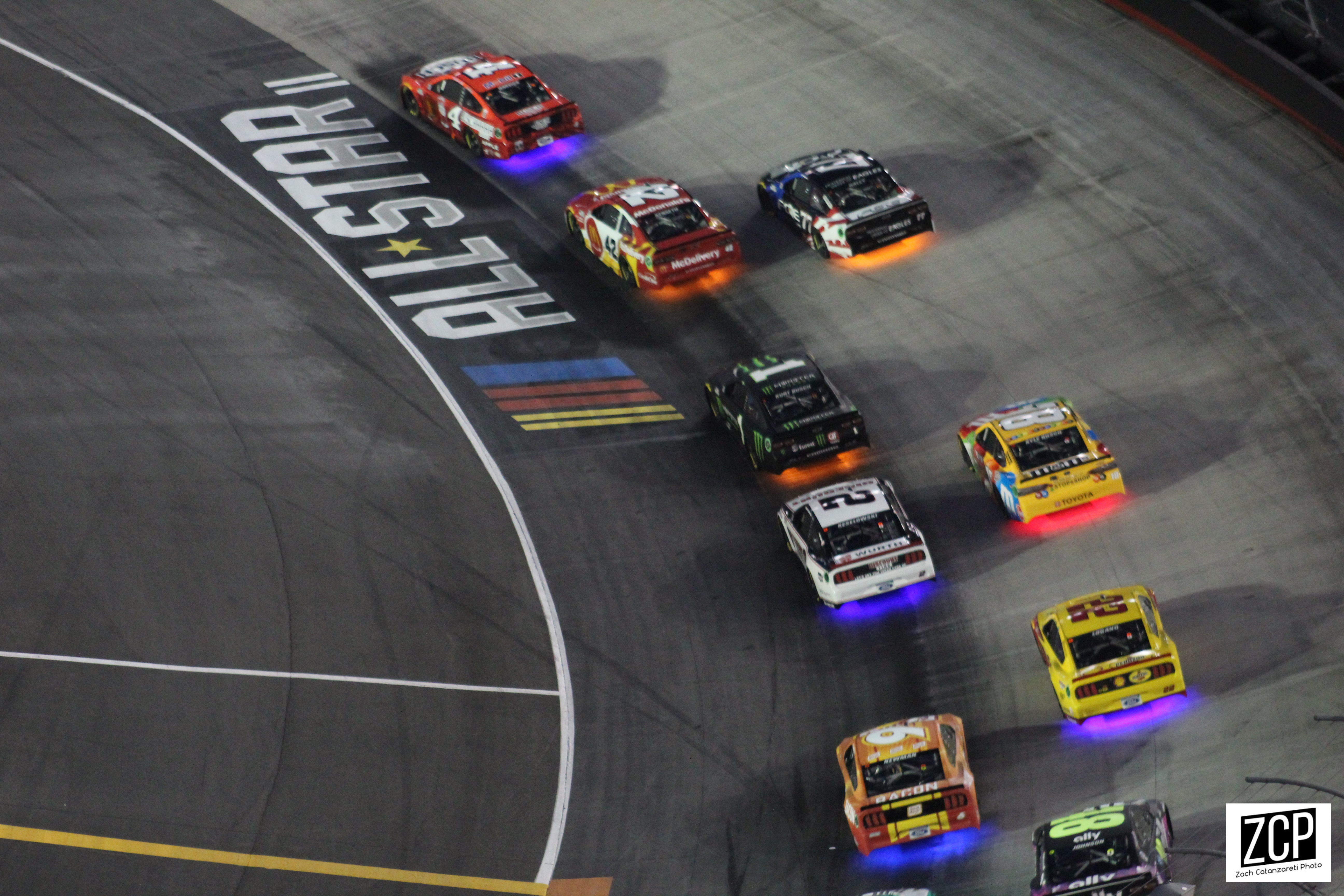
Flashing or moving neon lights are often banned. These effects can distract or confuse other drivers. Steady, constant lighting is usually allowed, but flashing mimics emergency vehicles and is illegal. Check local rules before adding any flashing features.
Credit: floridacarlaws.com
State-specific Regulations
Neon lights under cars face different rules depending on the state. Each state sets its own laws to control the use of these lights. Some states ban them completely. Others allow them with limits. Knowing these rules helps avoid fines or legal trouble.
Rules often focus on color, brightness, and placement of the lights. Some states want to prevent confusion with emergency vehicles. Others worry about driver distraction. Let’s explore how states vary in their approach.
States With Complete Bans
Several states do not allow neon or underglow lights under cars at all. They consider these lights a safety risk or a distraction. States like New York and Pennsylvania have strict laws banning any visible neon undercar lights.
In these states, even showing the lights while parked can cause legal issues. Law enforcement may ticket or require removal. It is best to avoid neon lighting in states with full bans.
States With Partial Restrictions
Some states permit neon lights but with clear restrictions. These rules often limit the colors you can use. They also control the brightness and flashing effects. The goal is to keep the lights from confusing other drivers.
Restrictions may include no red or blue lights, as these colors are reserved for police. Lights must not interfere with brake or signal lights. The lights may need to be turned off while driving in some areas.
Examples: Texas And California Rules
Texas allows neon underglow lights but with strict conditions. The lights cannot be red or blue from the front or rear. Brightness must be controlled to prevent distraction. Flashing or strobe effects are usually banned.
California has tighter rules. Neon lights are allowed only if they do not imitate emergency lights. Colors like red, blue, and green are restricted. The lights must not be visible from the front or rear while driving. Law enforcement in California may issue fines for violations.
Both states require drivers to check local city or county laws. These local rules can add more limits or requirements. Always verify before installing neon lights under your car.
Safety And Practical Concerns
Neon lights under cars can look cool, but they raise safety and practical concerns. These lights affect more than just style. They can impact driver focus, night vision, and vehicle upkeep. Understanding these issues helps you decide if underglow is right for your car.
Driver Distraction Risks
Neon lights can draw attention away from the road. Bright colors or flashing patterns may confuse other drivers. This distraction increases the chance of accidents. Drivers might lose focus on traffic signals or pedestrians. Keeping the lights subtle can reduce these risks.
Effect On Night Vision
Strong neon lights can harm night vision. Bright undercar lights create glare and reduce eye adjustment. Drivers may struggle to see clearly in dark areas. This makes driving at night more dangerous. Low brightness settings help protect night vision better.
Durability And Maintenance Issues
Neon tubes are fragile and can break easily. Road bumps and rough surfaces may damage them quickly. Repairs cost time and money. LED alternatives last longer and need less upkeep. Regular checks are needed to keep neon lights safe and working well.
Credit: en.wikipedia.org
Neon Vs Led Underglow
Choosing between neon and LED underglow lights affects your car’s look and performance. Both types offer unique benefits and drawbacks. Understanding these differences helps you pick the best option for your vehicle’s style and needs.
Durability Comparison
Neon tubes are made of glass and can break easily. They do not handle bumps or rough roads well. LEDs are solid and more resistant to damage. They last longer even with daily driving. For tough conditions, LEDs are a better choice.
Brightness And Color Options
Neon lights provide a smooth, continuous glow. Their brightness is moderate but eye-catching at night. LEDs are brighter and offer many colors. You can even change LED colors with a remote. This variety makes LEDs popular for custom looks.
Cost And Maintenance Differences
Neon underglow lights cost more to buy and install. They need careful handling and more repairs over time. LEDs are cheaper upfront and use less energy. They require less maintenance and rarely break. LEDs save money in the long run.
Tips For Legal And Safe Installation
Installing neon lights under your car can enhance its look. Doing this safely and legally matters most. Follow these tips to keep your installation within the law and avoid problems.
Checking Local Laws Before Installation
Start by researching your area’s rules about undercar neon lights. Each state and city may have different laws. Some places ban certain colors or flashing lights. Knowing these rules helps you avoid fines or vehicle stops. Visit official government websites or contact local authorities for clear information.
Proper Installation Techniques
Use quality materials designed for automotive use. Secure lights firmly to avoid falling or damage. Keep neon tubes away from hot engine parts and moving components. Ensure the lights do not cover or block any safety signals like brake lights or turn signals. Use wiring methods that prevent shorts and water damage. Proper installation reduces risks and improves durability.
Maintaining Compliance Over Time
Regularly check your neon lights for wear or damage. Replace broken tubes or faulty wiring immediately. Confirm the lights still meet brightness and color standards set by local laws. Avoid modifications that could make your lights illegal. Periodic inspection keeps your car safe and legal on the road.
Credit: www.neonlaws.com
Frequently Asked Questions
Can I Put Neon Lights Under My Car?
You can install neon lights under your car, but follow local laws carefully. Avoid red or blue colors and flashing lights. Ensure lights don’t interfere with safety signals or distract drivers. Check state and city regulations before installation to stay legal and safe on the road.
In What States Are Underglow Lights Illegal?
Underglow lights are illegal in Massachusetts, Michigan, Maine, and Minnesota. Many states restrict colors or flashing lights. Always check local laws.
Are Neon Lights Under Cars Legal In All States?
No, neon underglow legality varies by state and local laws. Some states allow it with restrictions, while others ban certain colors or flashing effects.
What Colors Are Illegal For Car Neon Lights?
Red and blue neon lights are illegal on cars because they mimic emergency vehicle colors. Most states restrict these colors to prevent confusion and ensure safety.
Conclusion
Neon lights under cars can add style but come with rules. Many states allow them if colors and brightness follow laws. Avoid red and blue lights to prevent confusion with emergency vehicles. Keep lights from blocking any safety signals on your car.
Check local laws before installing underglow lights to stay legal. Bright or flashing lights can distract other drivers and cause issues. Always choose safe and legal options for your car’s neon lights. Stay informed to enjoy your car’s look without trouble.