
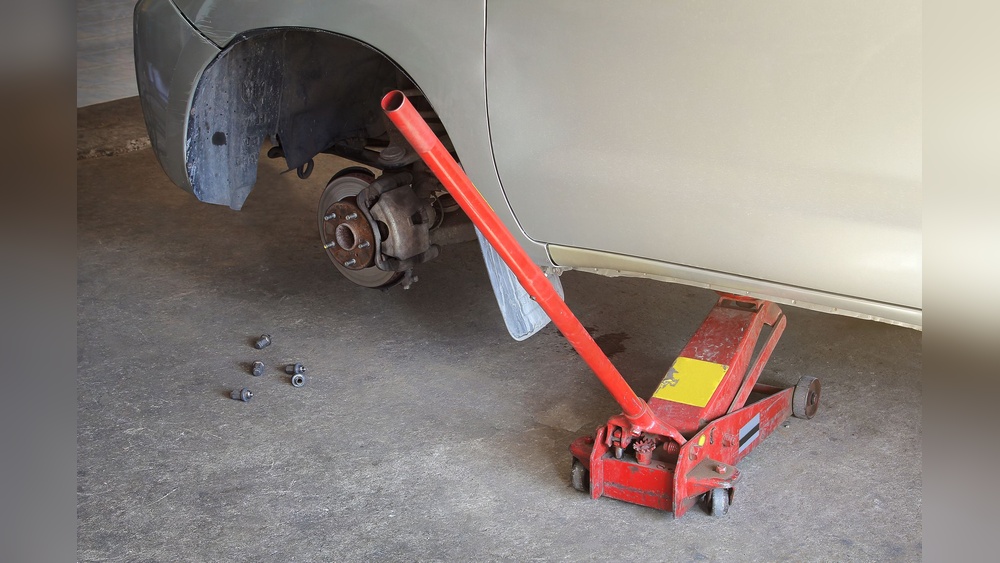
If you’ve ever faced a flat tire or needed to check under your car, you know how important it is to lift your vehicle safely. But do you really know where to put the jack to lift your car without causing damage or risking your safety?
Placing the jack in the wrong spot can lead to serious problems—from bending your car’s frame to slipping and causing injury. You’ll discover exactly where to position your jack for a secure lift. You’ll learn simple tips that save you time, protect your vehicle, and keep you safe.
Keep reading to master the right way to lift your car every time.

Credit: www.reddit.com
Locating Jack Points
Locating the right jack points is key to lifting your car safely. Using the wrong spot can cause damage or injury. It is important to find strong, stable areas designed to hold the weight of the vehicle. These spots are usually reinforced metal parts of the car’s frame. Knowing where to put the jack helps you work faster and more securely.
Consulting The Owner’s Manual
The owner’s manual is the best guide to find jack points. It shows exact locations for your car model. Manuals often include diagrams and safety tips. Follow these instructions closely. The manual helps avoid guessing and prevents damage to your car.
Spotting Reinforced Metal Areas
Look under your car for thick metal parts. These areas are stronger and meant for jacking. Often, you can see a small notch or arrow marking the jack points. Avoid thin or flexible parts like the exhaust or body panels. Safe spots are near the frame, not on plastic or fragile parts.
Common Jacking Point Locations
Most cars have jack points near the wheels. Check behind the front wheels and in front of the rear wheels. You will find reinforced pinch welds there. These metal ridges run along the car’s underside. They provide stable lifting points on many unibody vehicles.
Types Of Jacking Points
Choosing the right jacking points ensures safety and prevents damage. Different vehicles have different strong spots designed to hold the weight. Knowing these points helps you lift the car correctly without slipping or bending parts. Below are the common types of jacking points to look for on most vehicles.
Reinforced Pinch Welds
Pinch welds run along the car’s underside edges. They are thin metal seams where two panels meet. These welds are reinforced to support the vehicle’s weight. Most sedans and compact cars have pinch welds marked for jack placement. Always position the jack saddle directly under these welds.
Frame Rails On Trucks And Suvs
Trucks and SUVs have strong frame rails. These are large metal beams running the length of the vehicle. Frame rails provide solid support for jacking. Place the jack under these rails to safely lift heavier vehicles. Avoid lifting from body panels or plastic parts.
Front And Rear Crossmembers
Crossmembers are horizontal supports connecting frame rails. They add strength and rigidity to the vehicle’s frame. These parts are suitable for jacking as they can handle the load. Look for flat, sturdy metal pieces near the front and rear axles.
Axles And Differentials
Axles and differentials carry the vehicle’s weight and torque. Some vehicles allow jacking from these points. Use caution to avoid damage to seals or suspension parts. This method is mostly for lifting the entire axle off the ground during repairs.
Tow Hooks As Lifting Points
Tow hooks are designed for towing, but some can be used for jacking. They are strong and attached directly to the frame. Check your vehicle manual before using tow hooks for lifting. Ensure the jack fits securely under the hook without slipping.
Choosing The Right Jack
Choosing the right jack is essential for lifting your car safely and efficiently. Different jacks serve different purposes, and selecting the best one depends on your vehicle and tasks. Understanding the types of jacks and their features helps avoid damage and injury.
Floor Jack Vs. Scissor Jack
Floor jacks use a hydraulic system to lift cars smoothly. They are stable and lift heavy vehicles easily. Floor jacks work well in garages or flat surfaces.
Scissor jacks are smaller and manual. They are lighter and easy to carry in your car. Scissor jacks lift slower and are best for emergency tire changes.
Using Jack Pads And Adapters
Jack pads protect your car’s frame from damage during lifting. They fit between the jack and the car’s jacking point. Using adapters helps the jack sit securely on uneven surfaces.
Pads and adapters improve stability and prevent slipping. They extend the life of your car’s body and the jack itself.
Weight Capacity Considerations
Always check the jack’s weight capacity before use. The jack must support your vehicle’s weight safely. Using a jack with low capacity can cause accidents.
For trucks or SUVs, choose jacks with higher weight limits. A good rule is to pick a jack with at least 1.5 times your car’s weight capacity.
Preparing For Safe Lifting
Preparing to lift a car safely is crucial before placing the jack. Taking simple safety steps prevents accidents and damage. Always set up the car in a stable condition. This makes lifting smoother and safer.
Follow these key steps carefully. They help keep the vehicle steady and protect you during the lift.
Ensuring A Level Surface
Park the car on a flat, hard surface. Avoid soft or sloped ground. A level surface stops the jack from slipping or tilting. This reduces the risk of the car falling. Concrete or asphalt areas work best for stability.
Engaging Parking Brake
Apply the parking brake firmly. This locks the rear wheels in place. It prevents the car from rolling while raised. Double-check the brake before lifting. It is a simple step that adds strong safety.
Using Wheel Chocks
Place wheel chocks on the wheels that stay on the ground. Use sturdy blocks or rubber wedges. Chocks stop the car from rolling sideways or forward. Position them tightly against the tires. This extra hold keeps the vehicle steady during the lift.
Step-by-step Jack Placement
Placing the jack correctly is crucial for lifting a car safely. Follow these simple steps to position the jack properly before raising your vehicle. Doing it right protects you and prevents damage to your car. Understanding where and how to place the jack ensures a stable lift. Read on for a clear, easy guide on jack placement.
Positioning The Jack Correctly
Find a flat, solid surface to park your car. Avoid soft or uneven ground that can cause the jack to slip. Turn off the engine and apply the parking brake. Place wheel chocks behind the wheels that will stay on the ground. This stops the car from rolling. Position the jack near the lifting point but do not touch the car yet.
Aligning With Marked Notches
Look for jacking points marked by notches or reinforced metal areas. These points are usually behind the front wheels or in front of the rear wheels. Use your car’s owner manual to locate the exact spots. Align the jack’s saddle directly under the notch. Make sure the jack sits flat and stable. Incorrect alignment can cause the jack to slip or damage the car.
Raising The Vehicle Safely
Turn the jack handle slowly to lift the car. Watch the jack and car as you raise it. Stop if the jack slips or the car moves. Raise the car just enough to change the tire or perform your task. Place jack stands under the car for extra safety before working underneath. Lower the car gently when done by turning the jack handle in reverse.
Safety Precautions
Lifting a car with a jack requires careful attention to safety. Incorrect placement or ignoring safety steps can lead to accidents. Always follow key precautions to protect yourself and your vehicle.
These safety tips help ensure stable lifting and avoid damage or injury. Take time to inspect and prepare before using the jack.
Avoiding Flimsy Parts
Never place the jack under weak parts of the car. Avoid areas like the exhaust, oil pan, or plastic body panels. These parts can bend or break under pressure. Look for strong, reinforced metal areas. Use the owner’s manual to find the right jacking points.
Checking For Rust And Damage
Inspect the lifting points for rust or damage before jacking. Rust weakens metal and can cause failure. Damaged areas may not support the car’s weight safely. If the metal looks cracked or corroded, do not use that spot. Find a clean, solid part of the frame to lift from.
Never Going Under Without Support Stands
Never go under a car supported only by a jack. Jacks can fail or slip unexpectedly. Always use sturdy support stands after lifting. Place stands on a flat, firm surface. Lower the car slowly onto the stands to secure it. Only then is it safe to work underneath.
Common Mistakes To Avoid
Placing a jack under the car requires care and attention. Many people make simple mistakes that can cause damage or injury. Avoiding these errors helps keep you safe and protects your vehicle. Below are some common mistakes to avoid when jacking up your car.
Jacking On Oil Pans Or Exhaust
Never place the jack under the oil pan or exhaust pipe. These parts are thin and fragile. Applying pressure here can cause leaks or breaks. Always find sturdy metal parts made for lifting. This prevents costly repairs and ensures stability while the car is lifted.
Ignoring Manufacturer Guidelines
Each car has specific jacking points recommended by the manufacturer. Ignoring these guidelines risks damaging the frame or body. Check the owner’s manual before jacking the car. Following the instructions ensures you lift the car safely and correctly.
Using Improper Tools
Using the wrong jack or tools can be dangerous. Avoid makeshift supports like bricks or wood blocks. They may slip or collapse under weight. Use a jack designed for your car’s weight and size. Proper tools give you control and reduce accident risks.

Credit: www.youtube.com
Additional Tips For Different Vehicles
Different vehicles need special care when lifting with a jack. Each type has unique points that support the weight safely. Knowing the right spot helps avoid damage and keeps you safe. Use these tips for SUVs, trucks, rear-wheel drives, and electric cars.
Lifting Suvs And Trucks
These vehicles are heavier and sit higher off the ground. Use a heavy-duty jack rated for their weight. Look for strong frame rails or designated jacking points near the wheels. Avoid lifting from plastic or thin metal parts. Place the jack on a flat, firm surface to prevent slipping.
Handling Rear-wheel Drive Cars
Rear-wheel drive cars usually have strong points near the rear wheels. Use the pinch welds or reinforced frame areas behind the front and rear tires. Lift the side that needs work. Always block the wheels on the opposite side to stop the car from rolling.
Adapting For Electric Vehicles
Electric vehicles have batteries under the floor, so avoid lifting on the flat battery pack. Use jacking points marked by the manufacturer, often near the wheels or frame. Check the owner’s manual for exact locations. Use a jack that fits the low clearance and support the vehicle with jack stands for safety.

Credit: www.raceramps.com
Frequently Asked Questions
Where Do You Place A Jack When Lifting A Car?
Place the jack under reinforced metal jacking points near the pinch welds, behind front wheels or in front of rear wheels. Always consult your owner’s manual for exact locations. Avoid lifting on fragile parts like the oil pan, exhaust, or body panels to ensure safety.
How To Find Jacking Point On Car?
Find jacking points by checking the owner’s manual or locating reinforced metal areas near front and rear wheels. Look for notches or arrows on pinch welds or frame rails. Avoid lifting on exhaust, oil pan, or body panels to ensure safety.
Where Can I Lift My Car With A Jack?
Place the jack under reinforced metal jacking points, usually behind front wheels or ahead of rear wheels. Check the owner’s manual for exact locations. Avoid lifting on exhaust, oil pan, or body panels. Use pinch welds, frame rails, or crossmembers marked with notches or arrows.
What Is The 3 4 Rule For Floor Jacks?
The 3-4 rule for floor jacks means: use a jack with at least 3 tons capacity and lift the vehicle 4 inches above the tire. This ensures safety and stability during lifting.
Conclusion
Placing the jack correctly ensures safety and prevents damage. Always use the car’s designated jacking points. These spots are often marked or reinforced for strength. Avoid lifting from weak parts like the exhaust or body panels. Double-check your owner’s manual for exact locations.
Take time to set the jack stable and level before lifting. Proper jack placement makes tire changes and repairs easier and safer. Stay cautious and keep safety your top priority every time you lift your car.