
Are you wondering, “How often should I change car tires?” You’re not alone. Tires are the only part of your car touching the road, so knowing when to replace them is crucial for your safety and your wallet.
Worn-out tires can lead to poor handling, longer stopping distances, and even dangerous blowouts. But how do you tell if it’s time to get new tires? You’ll learn simple tips to check your tire’s health, key factors that affect their lifespan, and clear signs that mean it’s time for a change.
Keep reading to protect yourself, improve your ride, and avoid costly repairs down the road.
Credit: www.bridgestone.co.th
Tire Lifespan Basics
Understanding the basics of tire lifespan helps keep your vehicle safe and efficient. Tires do not last forever. They wear down with use and age. Knowing what affects tire life helps you plan replacements.
Tire lifespan depends on many factors. These include the type of tire, driving style, road conditions, and maintenance habits. Each factor influences how quickly tires wear out. Paying attention to these can extend your tire’s life.
Types Of Tires And Their Durability
Different tires last different lengths of time. All-season tires typically last longer than performance tires. Winter tires wear faster on warm roads. Check the manufacturer’s information for specific lifespan details.
Driving Habits That Reduce Tire Life
Fast acceleration and hard braking cause tires to wear quickly. Driving at high speeds generates more heat, which damages tires. Smooth, steady driving helps tires last longer. Avoid sudden stops and sharp turns.
Road Conditions Impact On Tires
Rough roads and potholes damage tires faster. Gravel and uneven surfaces wear tread unevenly. Smooth highways are easier on tires. Drive carefully on bad roads to protect your tires.
Importance Of Regular Tire Maintenance
Rotate tires every 5,000 to 7,000 miles to ensure even wear. Keep tires inflated to the correct pressure for better lifespan. Align wheels regularly to prevent uneven tread wear. Good maintenance can add thousands of miles to tire life.
How Tire Age Affects Safety And Performance
Tires degrade over time, even if tread looks fine. Rubber hardens and cracks after about six years. Most experts suggest replacing tires after 6 to 10 years. Check the manufacture date on the sidewall to know your tire’s age.
Credit: tirewarehouse.ca
Factors Affecting Tire Life
Tire life depends on many factors beyond just mileage. Understanding these can help you know when to replace your tires. Some factors wear tires faster, while others help extend their lifespan. Knowing these details helps keep you safe and saves money.
Tire Types
Different tires last different amounts of time. All-season tires often last longer than summer tires. Performance tires wear faster due to softer rubber. Truck and SUV tires may have stronger sidewalls. Choose tires based on your driving needs.
Driving Habits
Aggressive driving shortens tire life. Rapid acceleration and hard braking cause more wear. High speeds heat tires, breaking down rubber quicker. Gentle driving helps tires last longer. Smooth starts and stops reduce tire damage.
Road Conditions
Rough roads increase tire wear. Potholes and gravel can cause cuts or bruises. Smooth highways cause less tire damage. Avoiding bad roads helps protect tires. Road debris can also cause punctures.
Maintenance Practices
Regular tire care extends tire life. Rotate tires every 5,000 to 8,000 miles. Check and maintain proper tire pressure monthly. Wheel alignment avoids uneven tire wear. Clean tires and inspect for damage often.
Tire Age
Tires degrade over time, even if unused. Rubber hardens and cracks after about six years. Most manufacturers recommend replacing tires after ten years. Check the manufacture date on the tire sidewall. Old tires can fail, causing safety risks.
Mileage Expectations
Understanding mileage expectations helps you know when to replace car tires. Tires wear down as you drive more miles. The lifespan varies by several factors. Knowing average mileage, driving style, and terrain effects helps maintain safety and performance.
Average Miles Per Tire
Most tires last between 25,000 and 50,000 miles. Some high-quality tires can reach 70,000 miles. The exact mileage depends on tire type and brand. Regular checks for tread depth show how much life remains. Changing tires before tread wears out improves safety on the road.
Impact Of Driving Style
Aggressive driving shortens tire life. Quick starts, sharp turns, and hard braking cause more wear. Smooth, steady driving helps tires last longer. Speeding can heat tires, increasing wear rate. Driving habits directly affect how often tires need replacement.
Effect Of Terrain
Rough roads wear tires faster than smooth highways. Gravel, dirt, and potholes cause more damage. Mountain or off-road driving stresses tires more. Flat, paved surfaces extend tire life. Adjusting driving routes can protect tires and increase mileage.
Signs To Replace Tires
Knowing when to replace your car tires is vital for safe driving. Tires wear down over time and use, losing grip and risking accidents. Watch for clear signs that your tires need replacement. These signs help you avoid dangerous situations and keep your vehicle running smoothly.
Tread Wear Indicators
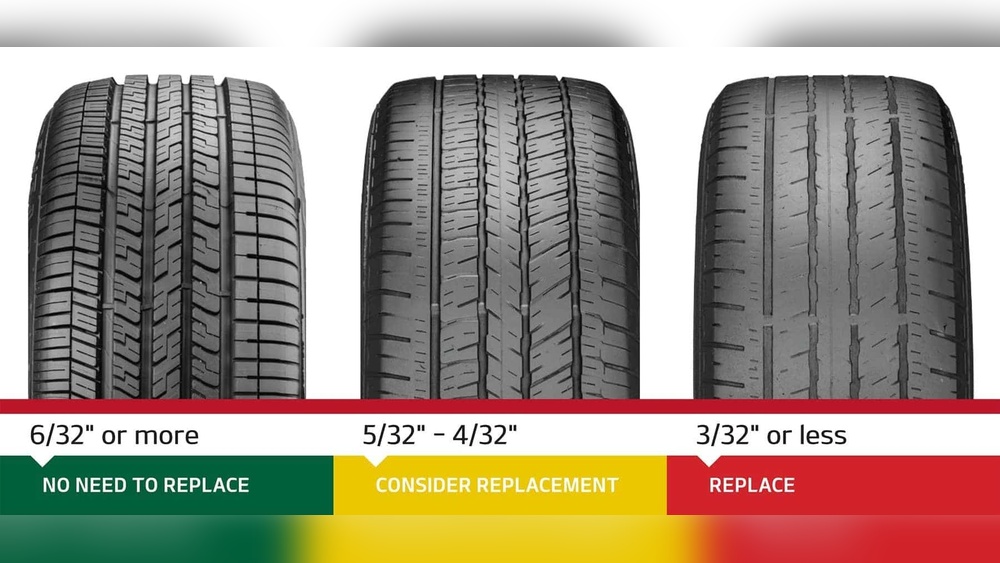
Most tires have built-in tread wear indicators. These are small bars of rubber between the tread grooves. When the tread wears down to the level of these bars, it means the tire is too worn. Tires with worn tread cannot grip the road well, especially in wet conditions.
Penny Test Method
The penny test is a simple way to check tread depth. Insert a penny into the tire tread with Lincoln’s head upside down. If you see all of Lincoln’s head, the tread is too shallow. This means the tire needs to be replaced for safety.
Sidewall Cracks And Bulges
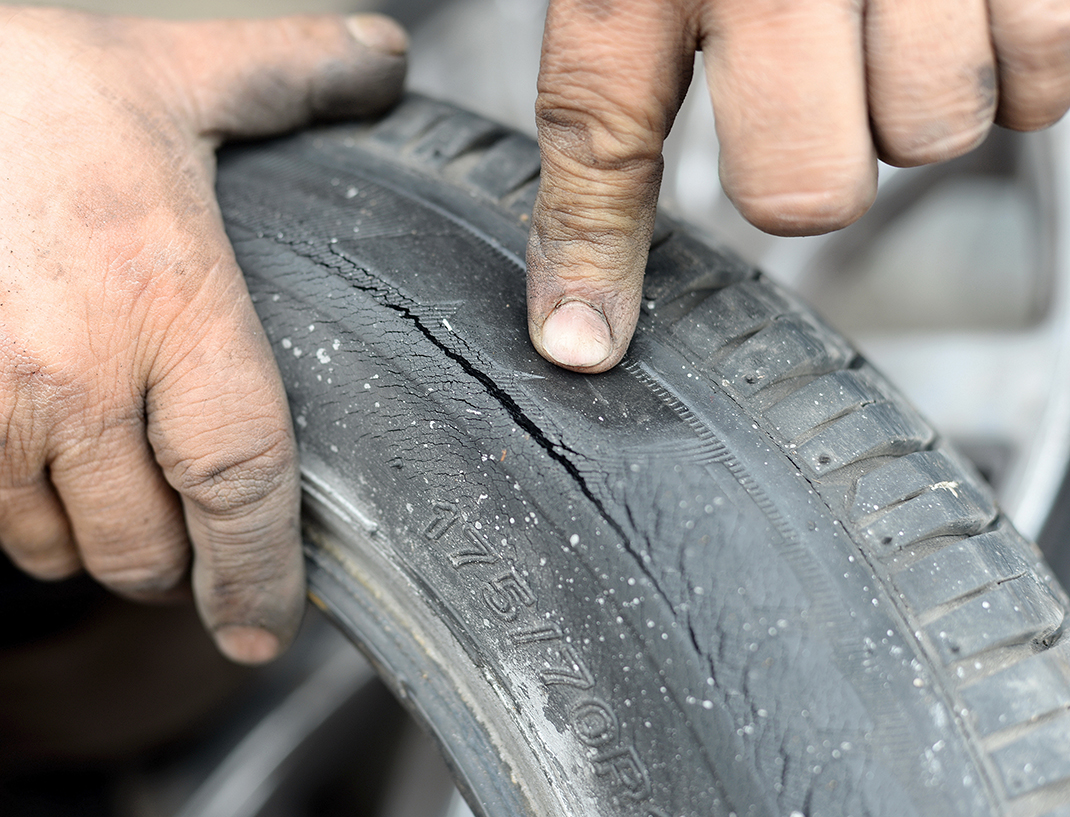
Check the tire sidewalls for cracks or bulges. Cracks may show that the rubber is aging and weakening. Bulges or blisters on the sidewall indicate damage to the tire structure. Both conditions can lead to tire failure and require immediate replacement.
Uneven Wear Patterns
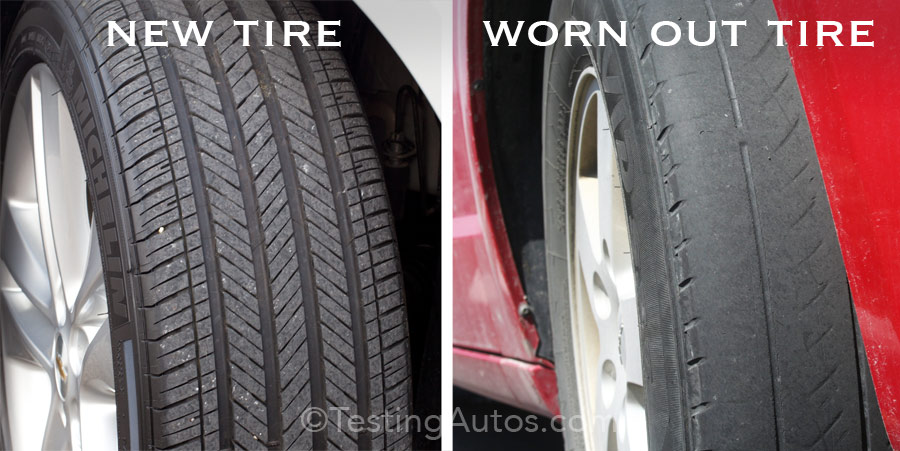
Uneven tire wear can signal alignment or suspension problems. Look for patches where the tread is worn more on one side or in spots. Uneven wear reduces tire life and can cause poor handling. Tires with uneven wear should be replaced and the vehicle checked.
Age-based Replacement Guidelines
Age plays a crucial role in deciding when to replace car tires. Even if tires look fine, their rubber changes over time. Understanding age-based replacement helps keep driving safe and smooth. Here are key points to consider.
Manufacturer Recommendations
Tire makers usually advise replacing tires after six to ten years. This timeline counts from the tire’s manufacture date. Following these guidelines helps prevent tire failures. Some brands suggest checking tires annually after five years.
Rubber Degradation Over Time
Rubber hardens and loses elasticity as it ages. This breakdown reduces grip and increases the risk of cracks. Sunlight, heat, and weather speed up degradation. Old tires may look okay but can fail under stress.
Checking Manufacturing Date
Find the tire’s manufacture date on its sidewall. Look for a four-digit code in the DOT number. The first two digits show the week, the last two show the year. For example, “2319” means the 23rd week of 2019.
Credit: www.testingautos.com
Maintenance For Longer Tire Life
Maintaining your tires properly helps them last longer and perform better. Simple care steps prevent uneven wear and improve safety. Regular checks keep your tires in good shape and save money in the long run.
Tire Rotation Frequency
Rotate your tires every 5,000 to 7,000 miles. This balances wear on all tires and extends their life. Different positions wear tires differently, so rotation spreads out the wear evenly. Follow the pattern recommended by your vehicle’s manual.
Proper Inflation
Keep tires inflated to the pressure shown on the door placard. Check tire pressure monthly and before long trips. Underinflated tires wear on the edges and reduce fuel efficiency. Overinflated tires wear in the center and offer less grip. Use a reliable gauge for accurate readings.
Wheel Alignment Checks
Check wheel alignment at least once a year or after hitting a pothole. Poor alignment causes uneven tire wear and affects handling. Signs of misalignment include pulling to one side and steering wheel vibration. Proper alignment improves tire life and driving safety.
Safety Risks Of Worn Tires
Worn tires pose serious safety risks for every driver. Tires with low tread or damage affect your car’s control on the road. These risks increase the chance of accidents. It is vital to understand how worn tires impact driving safety. Knowing these dangers helps in deciding when to replace your tires.
Reduced Traction
Tread wears down over time, reducing tire grip on the road. Less traction means your tires slip more on wet or icy roads. This slipping can cause your car to slide or lose control. Driving with worn tires makes it harder to steer safely.
Higher Blowout Risk
Old or damaged tires are more likely to blow out suddenly. Blowouts happen when the tire’s structure weakens and bursts under pressure. A blowout at high speed can cause a serious crash. Replacing worn tires lowers the risk of dangerous blowouts.
Impact On Braking Distance
Worn tires increase the distance your car needs to stop. Less tread means less grip, so brakes work less effectively. Longer braking distances make it harder to avoid collisions. New tires help keep your braking sharp and reliable.
Tips For Tire Replacement
Replacing car tires at the right time improves safety and driving comfort. Knowing how to replace tires correctly saves money and avoids problems on the road. Follow simple tips to make smart tire replacement decisions. These tips help you choose and maintain tires that fit your car perfectly.
Choosing The Right Tire
Select tires that fit your vehicle’s specifications exactly. Check your car manual for size and type recommendations. Pick tires designed for your usual driving conditions. For example, all-season tires suit most climates well. Winter tires perform better in snow and ice. Use tires with good tread depth for better grip. Avoid tires older than six years, regardless of wear.
Matching Tire Sets
Always replace tires in sets of two or four. This keeps balanced traction and handling on both sides of the car. Mixing old and new tires can cause uneven wear and poor control. Tires on the same axle should be the same brand and model. This helps maintain consistent performance and safety. If only two tires need replacing, put the new ones on the rear axle.
Professional Inspection
Have a professional check your tires regularly. Experts spot hidden damage like sidewall cracks or bulges. They measure tread depth precisely to decide if replacement is needed. Professionals also check tire pressure and alignment. Proper alignment prevents uneven tire wear and improves fuel efficiency. A simple inspection can extend tire life and keep you safe.
Frequently Asked Questions
How Long Do Tires Last On Average?
Tires last about 3 to 6 years or 25,000 to 50,000 miles on average. Proper maintenance extends their lifespan. Replace tires if tread wears below 2/32 inch or if you see cracks, bulges, or damage. Age and driving habits significantly affect tire longevity.
How Often Should A Tire Be Replaced?
Replace tires every 6 years or after 50,000-70,000 miles. Check tread depth and look for cracks or bulges regularly.
Is It Normal To Need New Tires After 2 Years?
Yes, needing new tires after 2 years can be normal. Tire wear depends on driving habits, road conditions, and maintenance. Regular checks help ensure safety. Replace tires if tread is low, or if you see cracks, bulges, or significant damage regardless of age.
How To Tell If Car Tires Need Replacing?
Check tire tread with a penny; visible Lincoln’s head means replacement is needed. Inspect for cracks, bulges, or uneven wear. Replace tires older than six years. Monitor air pressure and handling changes for safety.
Conclusion
Changing car tires depends on many factors like mileage, wear, and age. Check your tires regularly for tread depth and damage. Replace tires if tread is below 2/32 inch or if they are over six years old. Driving style and road conditions also affect tire life.
Proper tire care helps you save money and stay safe. Stay alert and maintain your tires to avoid accidents and costly repairs. Regular checks keep your car running smoothly and protect everyone on the road.