
Have you ever wondered when backup cameras became a standard feature in cars? If you’ve ever struggled to see what’s behind your vehicle while reversing, you know how important this technology is.
Backup cameras have changed the way we drive, making parking easier and accidents less likely. You’ll discover exactly what year backup cameras were first added to cars and how they evolved into the essential safety tool they are today. Keep reading to learn how this simple device can protect you, your passengers, and others on the road.
Early Car Safety Features
Before backup cameras became common, cars had basic safety features. These features aimed to protect drivers and passengers. Car makers focused on tools that could prevent accidents.
Many early safety features helped drivers stay alert. They also reduced risks during driving and parking. Understanding these helps explain why backup cameras were needed.
Pre-backup Camera Safety Measures
Mirrors were the main tool drivers used to see behind. Side mirrors and rearview mirrors gave a limited view. Some cars had convex mirrors to reduce blind spots. Parking sensors appeared later, using sound to warn drivers. These tools helped but did not show a full picture.
Limitations Of Traditional Safety Tools
Mirrors showed only small areas behind the car. Blind spots still made it hard to see obstacles. Parking sensors could not show exact object locations. Drivers had to rely on their own judgment and skill. These limits caused many accidents in tight spaces.
Introduction Of Backup Cameras
Backup cameras have become a common feature in modern cars. They help drivers see behind the vehicle while reversing. This technology improves safety and prevents accidents. The introduction of backup cameras took time and involved many changes in car design and technology.
First Appearances In Vehicles
The first backup cameras appeared in cars in the early 1990s. Some luxury car brands offered them as optional features. These early systems used small cameras mounted at the rear. The image showed on a screen inside the car.
At first, backup cameras were not common in everyday cars. High costs and limited technology slowed their spread. Over time, more car makers started adding cameras as standard or optional features.
Technological Innovations Behind Cameras
Early backup cameras used basic video technology. The cameras had low resolution and poor night vision. Advances in digital cameras improved image quality. Small, affordable cameras became possible with new sensors.
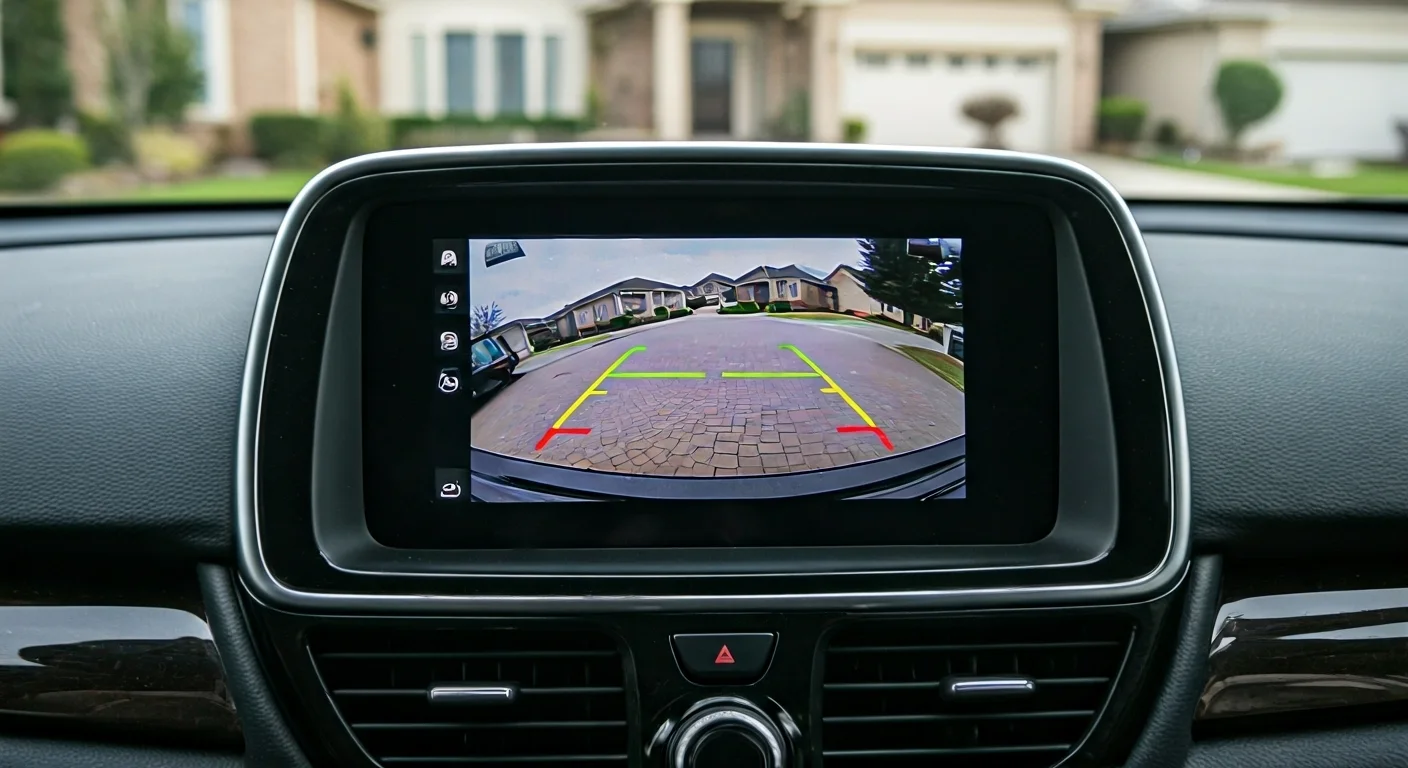
Display screens also improved. From small black and white monitors, screens grew larger and clearer. Some cars now use the main infotainment screen to show the camera view. Sensors and alerts also work with cameras to warn drivers of obstacles.
Regulatory Milestones
Backup cameras became common in cars because of important government rules. These rules aimed to make cars safer. They helped lower accidents when drivers reverse. The rules also guided car makers on when to add cameras. Understanding these milestones shows how safety grew over time.
Government Safety Regulations
Governments saw many accidents caused by blind spots behind cars. They wanted to reduce injuries and deaths. So, they studied ways to improve rear visibility. Backup cameras were one solution. Regulations started to require cameras in new vehicles. This made automakers add cameras to meet safety standards.
Mandates And Implementation Timelines
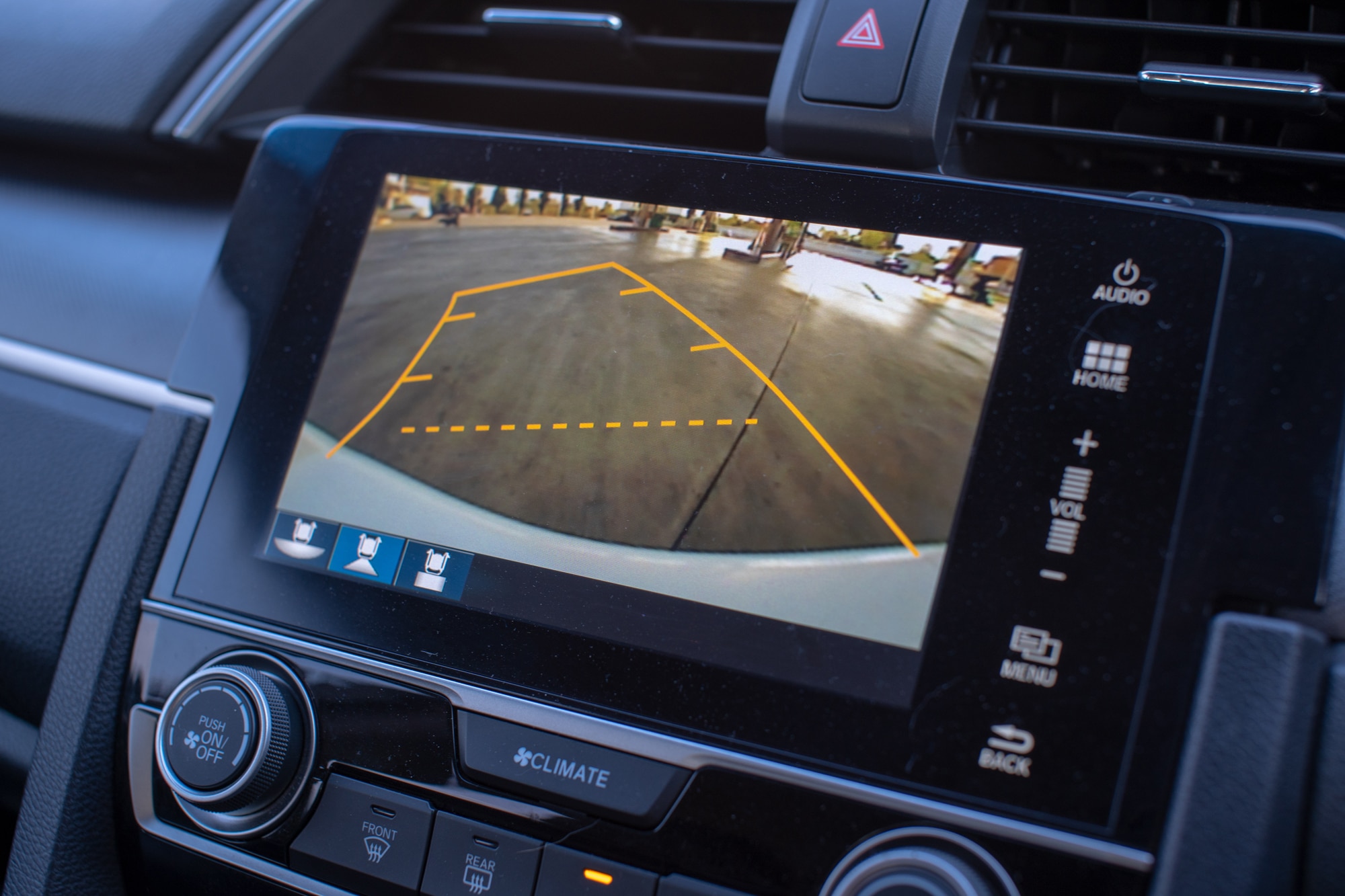
The first major rule came in 2014 in the United States. The National Highway Traffic Safety Administration (NHTSA) required all new cars under 10,000 pounds to have backup cameras. Car makers had a few years to follow this rule. By May 2018, every new vehicle had to include a backup camera. Other countries created similar laws soon after. These timelines gave companies time to adjust their designs.
Credit: www.capitalone.com
Impact On Road Safety
Backup cameras have changed how drivers see behind their cars. This new view helps drivers avoid crashes and keeps roads safer. The impact on road safety is clear. Fewer accidents happen because drivers can see more.
Reduction In Accidents And Injuries
Backup cameras reduce crashes during reversing. Drivers spot obstacles and pedestrians more easily. This lowers the chance of hitting objects or people. Many injuries from backing accidents have dropped. Children and pets are safer near parked cars. The cameras help drivers avoid costly damage too.
Improved Driver Awareness
Cameras make drivers more aware of their surroundings. They can see blind spots behind their vehicles. This helps when parking in tight spaces. Drivers feel more confident and less stressed. The wider view reduces guesswork and sudden moves. Backup cameras give extra time to react and stay safe.
Advancements In Camera Technology
Camera technology in cars has improved greatly over the years. These improvements make backup cameras clearer and more helpful. The changes help drivers see better and avoid accidents. Cameras now work in many conditions and connect with other car systems. These advancements keep drivers safer on the road.
High-definition And Night Vision
Early backup cameras showed blurry images with low detail. Today, high-definition cameras give sharp and clear pictures. Drivers can see small objects behind the car easily. Night vision technology helps cameras work well in the dark. It uses infrared light to show obstacles at night. This feature reduces accidents in low light and dark areas.
Integration With Other Safety Systems
Backup cameras now connect with other safety features in cars. They work with sensors to warn drivers of nearby objects. Some systems include automatic braking if a collision is likely. Cameras link with parking assist to guide drivers when parking. These systems work together to improve driver awareness and safety.
Consumer Reception And Adoption
Consumer reception and adoption played a key role in the spread of backup cameras. These devices improved safety and made parking easier. At first, many drivers were unsure about this new technology. Over time, more people saw the benefits and started to accept backup cameras as useful tools in their cars.
Public Awareness And Acceptance
Early on, few drivers knew about backup cameras. Awareness grew slowly as car makers added them to more models. People began to trust the cameras after seeing positive reviews and safety reports. Word of mouth helped spread acceptance. Drivers appreciated how cameras helped avoid accidents and saved time.
Market Trends And Vehicle Models
Backup cameras first appeared in luxury cars. These models tested consumer interest and technology. As costs dropped, cameras moved into mid-range and economy cars. By the 2010s, many new cars included backup cameras as standard. Automakers recognized that buyers expected this feature for safety. The trend continues with cameras now in most new vehicles.
Future Of Vehicle Safety Cameras
Vehicle safety cameras have improved a lot over the years. The future holds even smarter and safer systems. These cameras will help drivers avoid accidents and protect everyone on the road. New technology will make cameras clearer, faster, and more reliable. Safety cameras will become a common part of all vehicles.
Emerging Technologies
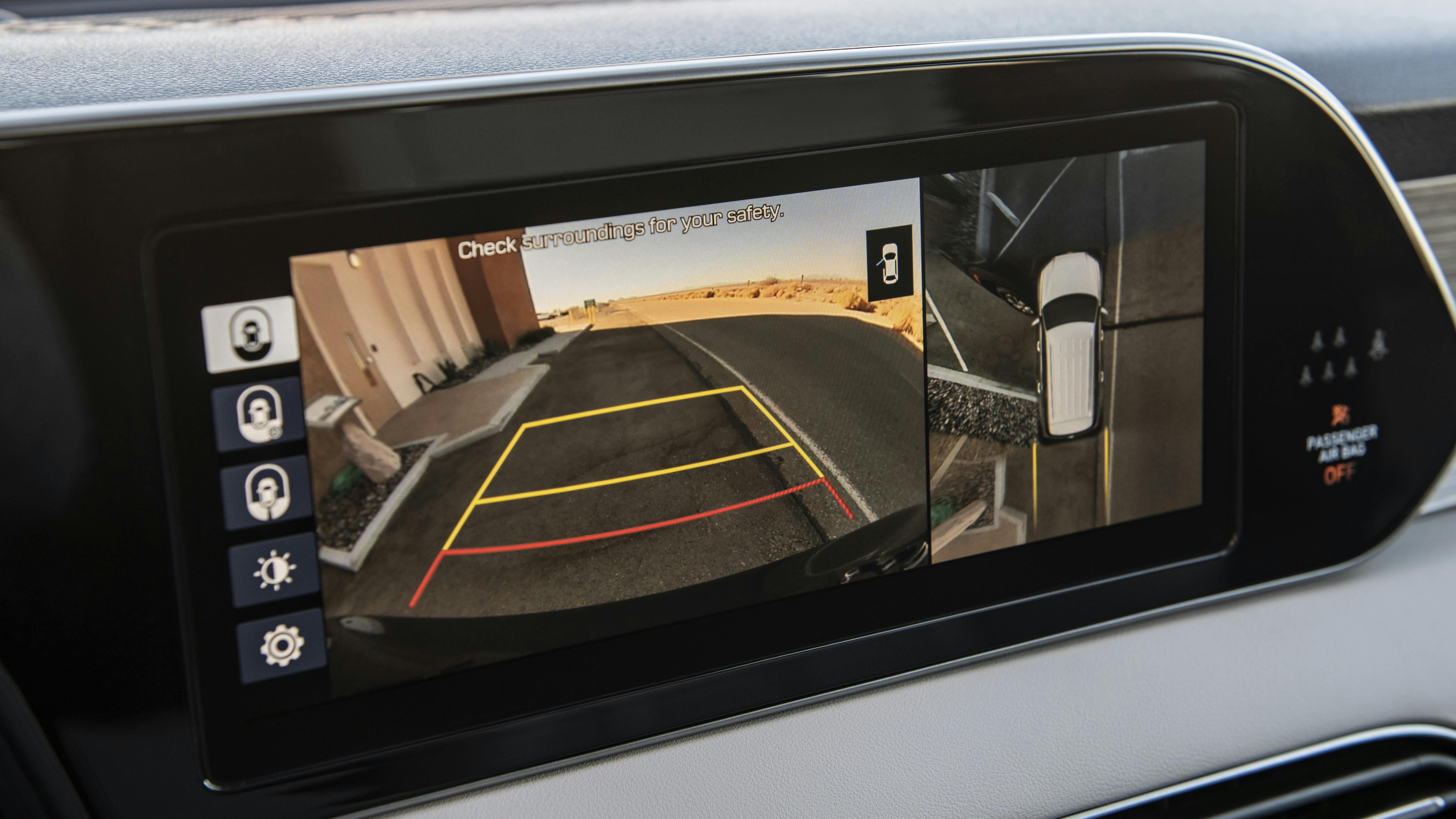
New types of cameras use artificial intelligence to detect dangers. Some cameras can see in the dark or bad weather. Sensors combine with cameras to give a full view around the car. 360-degree cameras will become more common in everyday cars. These tools help drivers react faster to unexpected events.
Potential Enhancements In Safety Features
Future cameras may warn drivers about pedestrians or cyclists nearby. They could alert drivers if they start to drift out of lanes. Cameras might connect to other vehicles to share road safety information. Some systems could even take control to avoid crashes. These features aim to reduce crashes and save lives on the road.
Credit: www.carfax.com
Credit: www.lintechco.com
Frequently Asked Questions
When Were Backup Cameras First Introduced In Cars?
Backup cameras were first introduced in cars in the late 1990s. Early models appeared around 1991, mainly in luxury vehicles. They gradually became more common throughout the 2000s.
Why Did Backup Cameras Become Mandatory In Cars?
Backup cameras became mandatory to improve driver safety. The U. S. government required them starting in 2018. This rule aims to reduce backup accidents and increase pedestrian protection.
How Do Backup Cameras Improve Driving Safety?
Backup cameras provide a clear rear view, eliminating blind spots. They help drivers avoid obstacles and pedestrians while reversing. This technology significantly reduces collision risks.
What Types Of Vehicles Have Backup Cameras?
Backup cameras are now standard in most new cars, trucks, and SUVs. They are common in passenger vehicles and commercial fleets. Older vehicles may have aftermarket camera options.
Conclusion
Backup cameras started appearing in cars around 2002. They became more common after 2010. Since 2018, all new cars in the U. S. Must have them. These cameras help drivers see behind their vehicles. They reduce accidents and make parking easier.
Knowing this history shows how safety has improved. Cars keep getting safer with new technology. Watching behind is now a simple task. Everyone can benefit from backup cameras today.