
Have you ever wondered how many tail lights your car actually has? It might seem like a simple question, but knowing the exact number can help you stay safe on the road and avoid unexpected fines.
Whether you’re checking your car before a trip or just curious, understanding your vehicle’s tail lights is important. Keep reading, and you’ll discover everything you need to know about tail lights and why they matter to you every time you drive.

Credit: www.autotechiq.com
Standard Tail Light Count
Most cars have a standard number of tail lights for safety and visibility. These lights help other drivers see the vehicle at night or in bad weather. Knowing the typical count helps understand car design and road safety.
Typical Tail Light Configuration
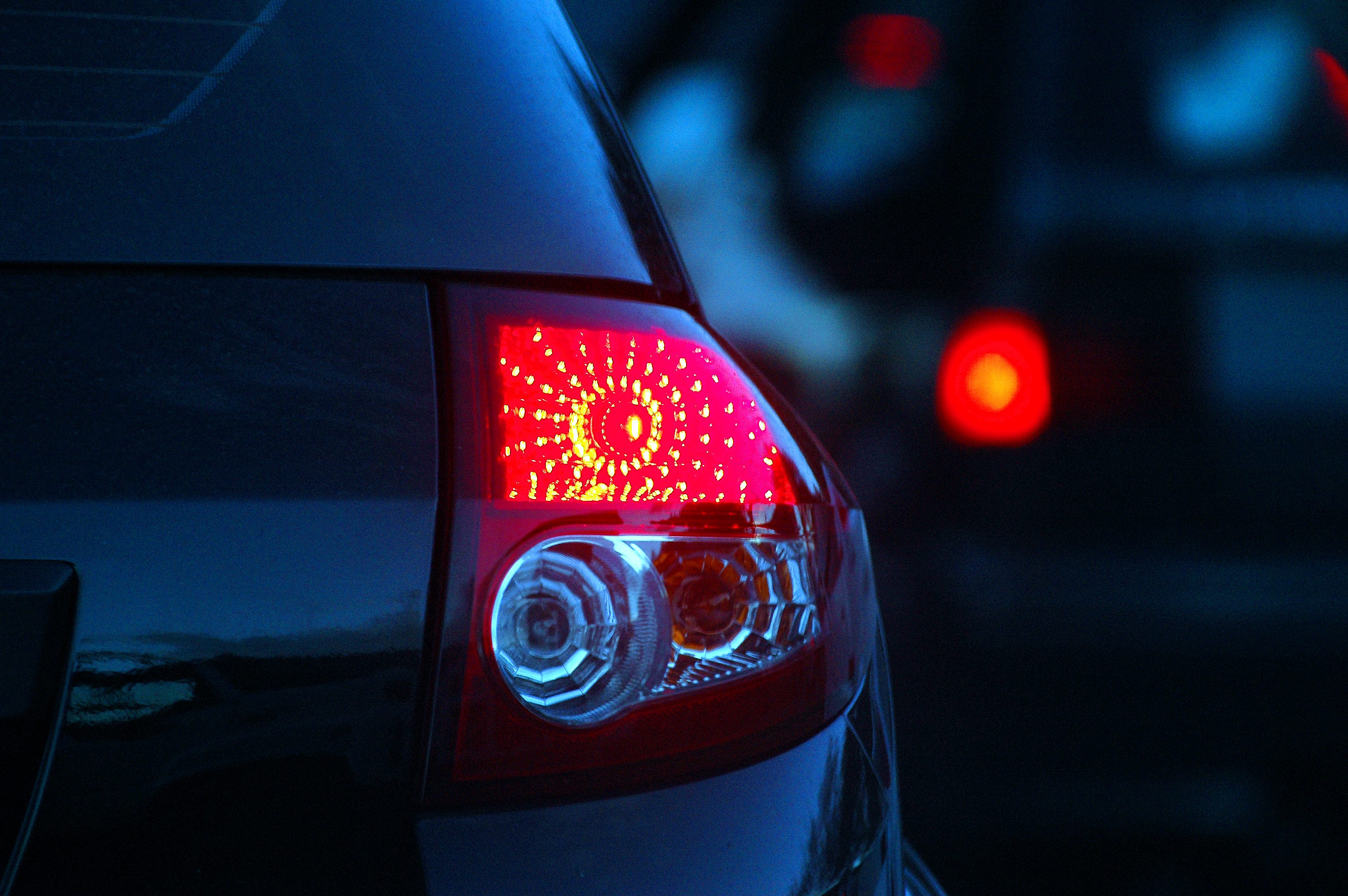
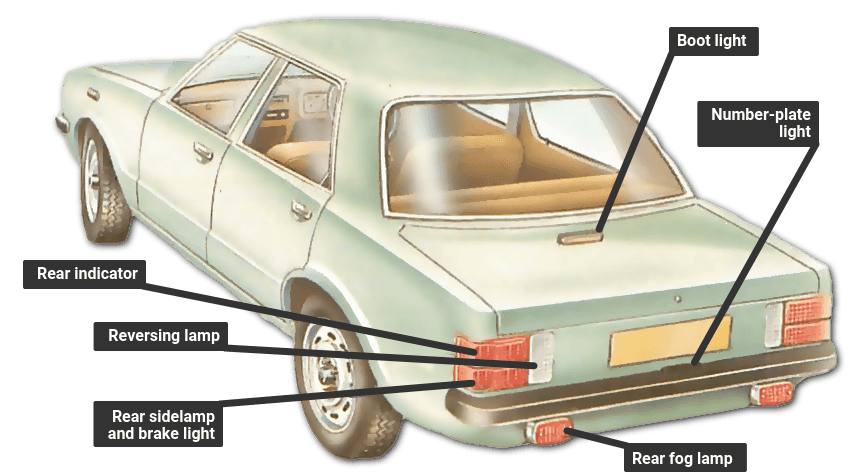
Usually, a car has two main tail lights. One is on the left side, and one is on the right side of the rear. Each tail light often includes brake lights, turn signals, and sometimes reverse lights. This setup ensures clear signals to other drivers.
Some cars also have a high-mounted center brake light. This light is above the rear window. It adds extra visibility when the car stops.
Variations By Vehicle Type
Different vehicle types can have different tail light counts. Small cars usually follow the two-tail-light rule. Larger vehicles like trucks or SUVs may have extra lights. These help with size and safety on the road.
Some special vehicles have multiple sets of tail lights. For example, trailers and buses often have more than two. This makes them easier to see and signals their larger size.
Credit: medium.com
Function Of Tail Lights
Tail lights serve important roles on every car. They help drivers see each other in low light. Tail lights also send signals to show actions like stopping or turning. These lights keep everyone on the road safer and more aware.
Safety And Visibility
Tail lights make cars visible at night and in bad weather. They shine red light at the rear of the vehicle. This light warns other drivers about a car’s presence. Bright tail lights reduce the risk of accidents by improving visibility. This is crucial on dark roads or during rain and fog.
Signaling And Communication
Tail lights communicate driver intentions to others. They flash or change brightness to show braking or turning. Brake lights glow brighter when the driver presses the brake pedal. Turn signals blink to indicate a change in direction. These signals help prevent collisions by giving clear warnings.
Regulations And Requirements
Tail lights are essential for road safety. They show your car’s position and movements to others. Regulations set rules for how many tail lights a car should have. These rules help keep drivers and pedestrians safe.
Different countries have their own laws about tail lights. They control the size, color, and number of lights. Car makers must follow these rules to sell their cars.
Legal Standards Worldwide
Most countries require two red tail lights at the rear of a car. These lights must be visible from a certain distance. Some places also need a third brake light in the center. This light helps drivers behind react faster to stops.
Standards often specify light brightness and color. White or clear lights are used for reversing. Orange or amber lights indicate turns. Laws ensure all cars meet these safety levels.
Impact On Vehicle Design
Car designers plan tail lights early in the process. They balance style with legal needs. The number and placement of tail lights affect a car’s look.
Designers use LED lights to save space and energy. They also create unique light patterns. This helps brands stand out while following rules.
Strong regulations push innovation. Tail lights become safer and more efficient every year.
Credit: www.howacarworks.com
Types Of Tail Lights
Tail lights come in different types. Each type has its own features and benefits. Understanding these helps you know more about your car’s safety and style.
Tail lights not only show your car’s position but also signal your actions to other drivers. The technology and design of tail lights have evolved over time.
Led Vs. Traditional Bulbs
LED tail lights use light-emitting diodes. They last longer and use less power than traditional bulbs. LED lights turn on faster, which can improve safety. They also shine brighter and come in various colors.
Traditional bulbs use a filament that heats up to produce light. They are cheaper but wear out faster. Replacing them often is necessary. Many older cars still use these bulbs.
Integrated Tail Lights
Integrated tail lights combine brake lights, turn signals, and reverse lights into one unit. This design saves space and looks modern. Many new cars use integrated tail lights for a cleaner look.
These lights improve visibility by grouping all signals in one spot. They also make car repairs easier since one unit replaces several parts.
Common Issues With Tail Lights
Tail lights are essential for safe driving, especially at night or in bad weather. Problems with tail lights can cause accidents or legal issues. Knowing common issues helps keep your car safe and road-legal.
Malfunctions And Repairs
Tail lights can stop working due to burned-out bulbs. Wiring problems also cause lights to fail. Sometimes, moisture gets inside the tail light housing. This can cause corrosion or short circuits. Replacing bulbs is simple and cheap. Electrical issues may need a mechanic’s help. Fixing cracks or broken lenses keeps lights bright.
Maintenance Tips
Check tail lights regularly for cracks or dimness. Clean the lenses to remove dirt and grime. Replace bulbs in pairs to keep light even. Use gloves when handling bulbs to avoid oil marks. Test tail lights after repairs or bulb changes. Keep the wiring dry and check for loose connections. Regular maintenance prevents sudden tail light failures.
Future Trends In Tail Light Technology
Tail light technology is evolving quickly. New features improve safety and style. These advances make cars smarter and more responsive. Drivers get better visibility and clearer signals. The future holds many exciting changes for tail lights.
Smart Tail Lights
Smart tail lights communicate with other cars and road systems. They can warn drivers about hazards ahead. These lights adjust brightness based on the environment. They help prevent accidents by sending signals faster. Smart tail lights use sensors and cameras for better control.
Adaptive Lighting Systems
Adaptive lighting systems change the light pattern while driving. They adjust according to speed and road conditions. Tail lights become brighter in bad weather. They dim when the car is parked or stopped. This technology improves visibility and saves energy.
Frequently Asked Questions
How Many Tail Lights Does A Standard Car Have?
A standard car typically has two tail lights, one on each side at the rear. These lights improve visibility and signal braking and turns to other drivers.
Why Are Tail Lights Important For Car Safety?
Tail lights enhance visibility during low light and bad weather. They alert other drivers when the car is braking or turning, reducing accident risks.
Can A Car Have More Than Two Tail Lights?
Yes, some vehicles have additional center high-mounted stop lamps. However, the main tail lights are usually two, one on each rear corner.
What Colors Are Tail Lights On Cars?
Tail lights are red to signal braking and vehicle presence. Turn signals may be amber or red, depending on regional regulations.
Conclusion
Most cars have two tail lights, one on each side. These lights help drivers see the car at night. They also signal when the car is stopping or turning. Tail lights are important for safety on the road. Always check if your tail lights work well before driving.
Knowing how many tail lights a car has helps you understand its design. Remember, good tail lights keep everyone safer. Simple but vital parts of every vehicle.