
Have you ever wondered how long your car tires can stay in storage before they go bad? Maybe you’ve got a set tucked away for seasonal use or as a backup, and you’re unsure if they’re still safe to use.
Knowing the answer can save you money, keep you safe on the road, and prevent unexpected tire failures. You’ll discover exactly how long tires last when stored, what factors affect their lifespan, and the best ways to keep them in top shape.
Keep reading to make sure your stored tires are ready whenever you need them.
Tire Lifespan Basics
Understanding the basics of tire lifespan helps you keep your tires safe and reliable. Tires do not last forever, even when stored. Over time, rubber and other materials slowly break down. This breakdown affects tire safety and performance. Knowing how tires age helps you decide when to replace them.
Factors Affecting Tire Aging
Tire aging depends on many factors. Heat and sunlight speed up tire wear. High temperatures cause the rubber to dry out. Ozone in the air also damages tire rubber. Storing tires in a cool, dark place slows aging. Moisture and dirt can cause damage too. Proper storage helps keep tires in good shape.
Tire Materials And Durability
Tires are made from rubber and other materials. Natural rubber, synthetic rubber, and fabric layers give strength. The chemical mix in tires affects how long they last. Some tires use special compounds to resist cracking. Stronger materials mean longer durability. But all tires lose strength over time. Even the best materials weaken after years.
Storage Conditions Impact
Storage conditions play a big role in how long car tires last. Poor storage can cause tires to age faster and lose quality. Proper care helps keep tires safe for a long time. Understanding the right storage environment is key to preserving tire life.
Ideal Storage Environment
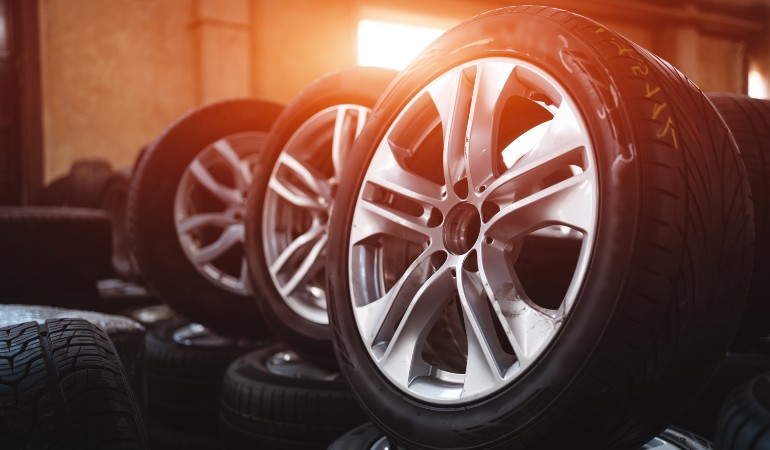
The best place to store tires is cool and dry. A clean, indoor space away from dirt helps. Tires should stand upright or hang to keep shape. Avoid stacking tires too high to prevent damage. Proper air circulation stops moisture build-up.
Temperature And Humidity Effects
Heat can make tires dry out and crack. Cold does not harm tires, but sudden changes do. High humidity causes rubber to weaken over time. Keep tires in stable temperature zones. Low humidity levels slow down tire aging.
Protection From Sunlight And Ozone
Sunlight damages tires with UV rays. Ozone from electric devices can cause rubber cracks. Store tires away from windows and machines. Use tire covers to block light and ozone. This protection extends tire life significantly.
Signs Of Tire Deterioration
Tires stored for a long time may lose their quality. It is important to check them before use. Signs of tire deterioration help you know if they are safe. Watch closely for changes in the tire’s surface and feel. These signs show the tire’s condition and how long it can last.
Cracking And Dry Rot
Look for small cracks on the tire’s surface. Cracks often appear on the sidewalls and tread. These cracks mean the rubber is drying out and breaking down. Dry rot happens when tires lose moisture over time. It makes the tire weak and unsafe to drive on.
Tread And Sidewall Changes
Check if the tread looks worn or uneven. The tread might also harden or become shiny. Sidewalls can bulge, bubble, or show spots that look different. These changes mean the tire is losing strength. Tires with damaged tread or sidewalls can fail during use.
Loss Of Flexibility
Press the tire with your hand to test its softness. A good tire feels flexible and bounces back easily. Tires that feel hard or stiff have lost flexibility. This happens when the rubber ages and dries out. Tires without flexibility can crack and break quickly on the road.
Credit: www.fantastic-removals.co.uk
Recommended Storage Duration
Tires stored properly can last up to six months without losing quality. After that, rubber may start to dry out and crack. Store tires in a cool, dry place away from sunlight and heat.
Short-term Vs Long-term Storage
Tires can last differently depending on storage time. Short-term storage means keeping tires for a few months. During this time, tires usually stay in good shape. Long-term storage lasts over six months. Tires may start to lose flexibility and strength. Proper storage helps slow down this aging process. Keep tires in a cool, dry place away from sunlight. Avoid stacking tires to prevent damage. Check tires often for cracks or signs of wear.Manufacturer Guidelines
Tire makers offer advice on storage duration. Most recommend using tires within six years from production. This is true even if tires are stored well. Some manufacturers say tires older than ten years should be replaced. They provide a date code on the tire sidewall. This code shows the week and year of manufacture. Follow these guidelines to ensure safety and performance. Store tires as suggested to extend their usable life.When To Replace Stored Tires
Tires need replacing if stored too long. Look for cracks, dry rot, or hard rubber. These signs mean the tire is unsafe. Also, check the tread depth and sidewalls. If tires feel stiff or brittle, replace them. Old tires can cause poor grip and accidents. Even unused tires degrade over time. Replace tires stored beyond six years, especially if showing damage. Safety should always come first.Best Practices For Tire Storage
Proper tire storage keeps your tires safe and lasting longer. Tires can wear out or get damaged if stored wrong. Follow these best practices to protect your tires during storage. These steps help maintain tire shape, prevent cracks, and avoid dirt buildup.
Cleaning Before Storage
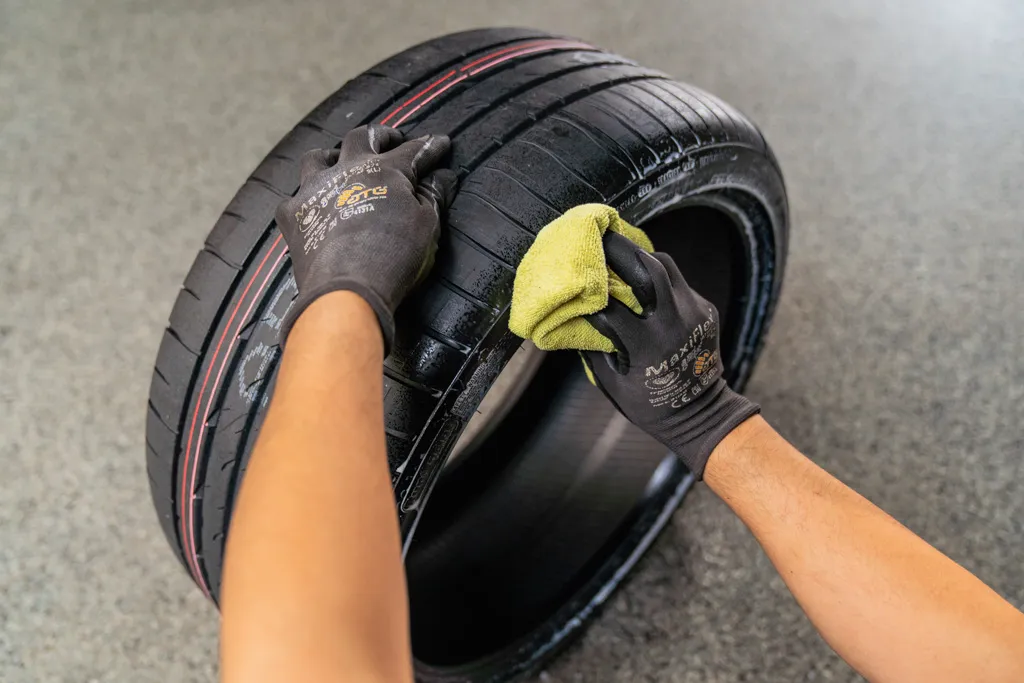
Clean tires well before storing them. Remove dirt, brake dust, and grime with soap and water. Dry tires completely to stop moisture from causing damage. Avoid harsh chemicals that can harm the rubber. Clean tires stay healthy and last longer in storage.
Proper Positioning And Support
Store tires in a cool, dry place away from sunlight. Keep tires off the ground using shelves or pallets. Store tires upright to keep their shape and avoid pressure points. Avoid stacking tires for long periods as it can cause deformation. Proper positioning helps tires stay firm and strong.
Using Tire Covers And Bags
Use tire covers or airtight bags to protect tires from dust and air. Covers shield tires from UV light, which causes cracking. Vacuum-sealed bags reduce oxygen exposure and slow down tire aging. Make sure covers fit well and avoid trapping moisture inside. Good covers and bags keep tires fresh during storage.
Credit: www.utires.com
Safety Considerations
Storing car tires for a long time can affect their safety. Old tires may look fine but can hide problems. It is important to check stored tires carefully before use. Safety must be the top priority to avoid accidents and tire failure.
Risks Of Using Old Stored Tires
Old tires can crack and weaken over time. Rubber loses flexibility and strength during storage. This leads to a higher chance of blowouts or tread separation. Tires may also dry out or develop flat spots. Using such tires increases the risk of accidents on the road.
Inspection Before Installation
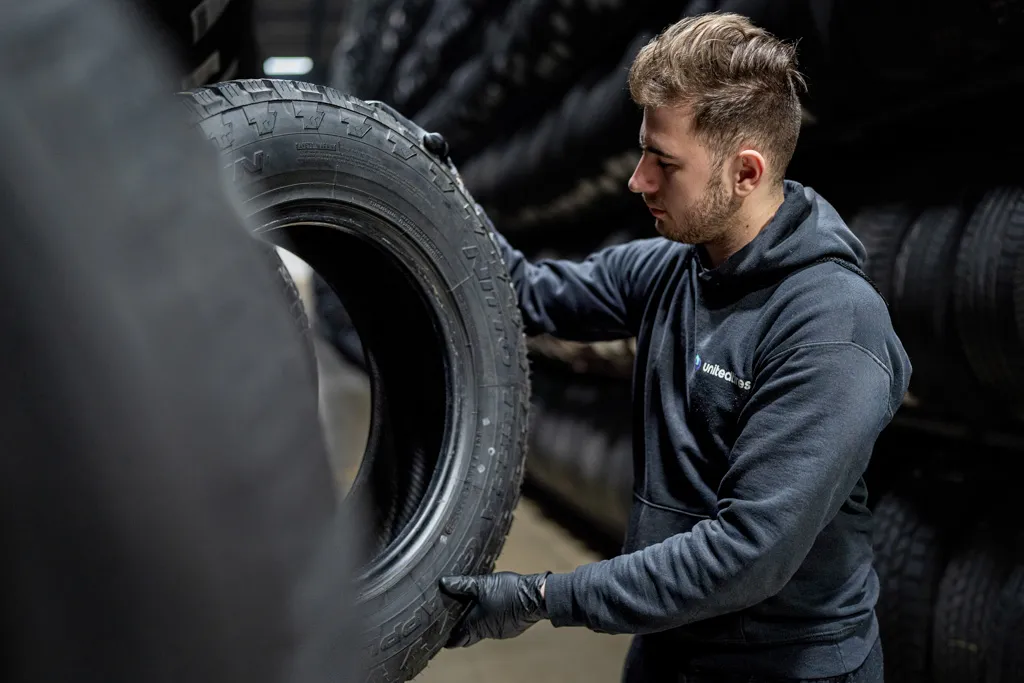
Check tires for cracks, cuts, or bulges before putting them on. Look for dry rot signs on the sidewalls and tread. Measure tread depth to ensure it meets safety standards. Make sure tires have no unusual wear patterns. Inflate tires to the correct pressure and listen for air leaks. A thorough inspection helps confirm if stored tires are safe to use.
Credit: www.utires.com
Frequently Asked Questions
How Long Can Car Tires Last In Storage?
Car tires typically last 6 years in storage if kept in ideal conditions. Proper storage means cool, dry, and dark places away from sunlight and heat.
Does Tire Storage Affect Tire Lifespan?
Yes, improper storage can reduce tire lifespan. Exposure to heat, sunlight, and moisture causes rubber deterioration and cracks, affecting safety and performance.
How Should I Store Car Tires For Longevity?
Store tires vertically in a cool, dry, and dark area. Avoid stacking or placing heavy objects on them to prevent deformation.
Can Stored Tires Lose Air Pressure Over Time?
Tires without rims lose air pressure faster. Check and inflate tires regularly to maintain proper pressure before use.
Conclusion
Car tires can last about six years in storage if kept well. Store them in a cool, dry place away from sunlight. Avoid stacking tires too high to prevent damage. Check tires regularly for cracks or wear signs. Old tires may lose grip and safety.
Proper care helps keep tires ready to use. Remember, good storage extends tire life and saves money. Keep these tips in mind to protect your tires. Safe driving starts with good tire care.