
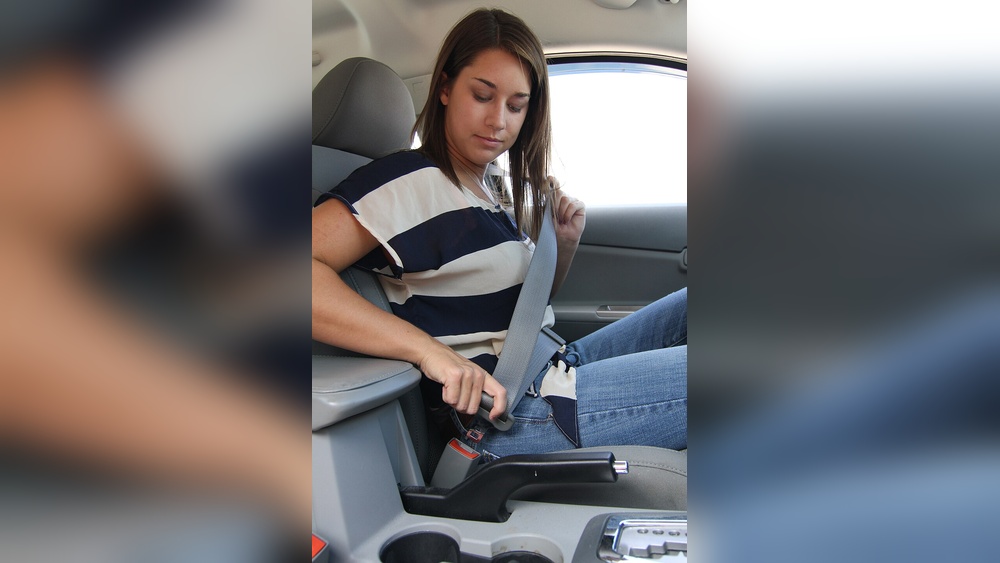
Have you ever wondered how seatbelts stay firmly attached to your car, keeping you safe every time you drive? It’s not just about snapping a buckle; there’s a smart design behind how seatbelts connect to your car’s body.
Knowing this can help you appreciate the strength and safety built into your vehicle. You’ll discover exactly how seatbelts are fixed in place and why their attachment points are so important for your protection. Keep reading to learn what makes your seatbelt a reliable lifesaver.
Credit: wuling.id
Seatbelt Components
Seatbelts keep passengers safe by holding them firmly inside the car. They consist of several key parts. Each part plays a role in making the seatbelt strong and reliable. Understanding these parts helps us see how seatbelts protect us every day.
Here are the main components that attach a seatbelt to a car and keep it working well.
Webbing Material
The webbing is the long fabric strap you pull across your body. It is made from strong polyester fibers. This material resists wear and tear. It also stretches slightly to absorb impact energy. The webbing must be tough and flexible at the same time.
Buckles And Latches
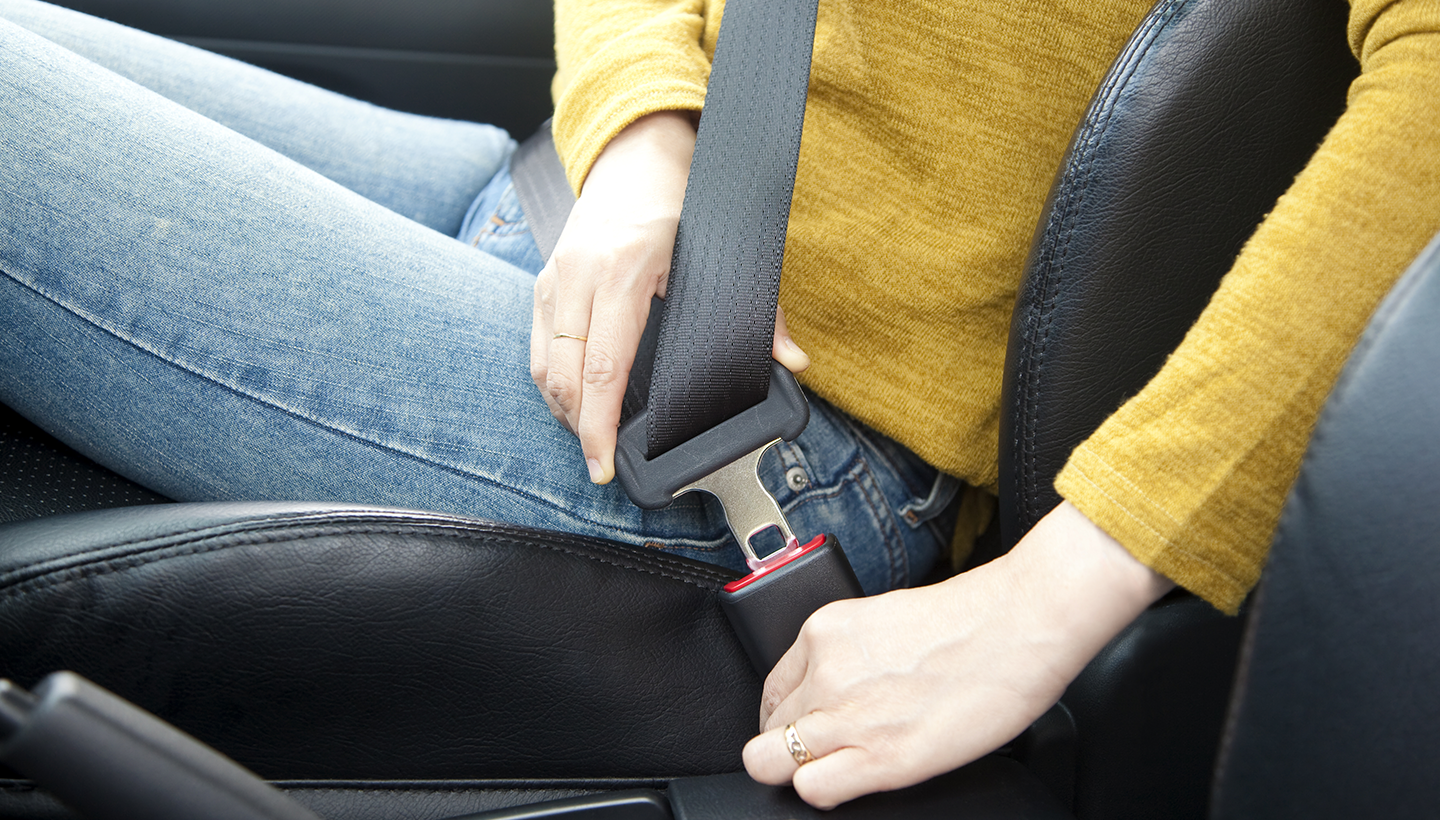
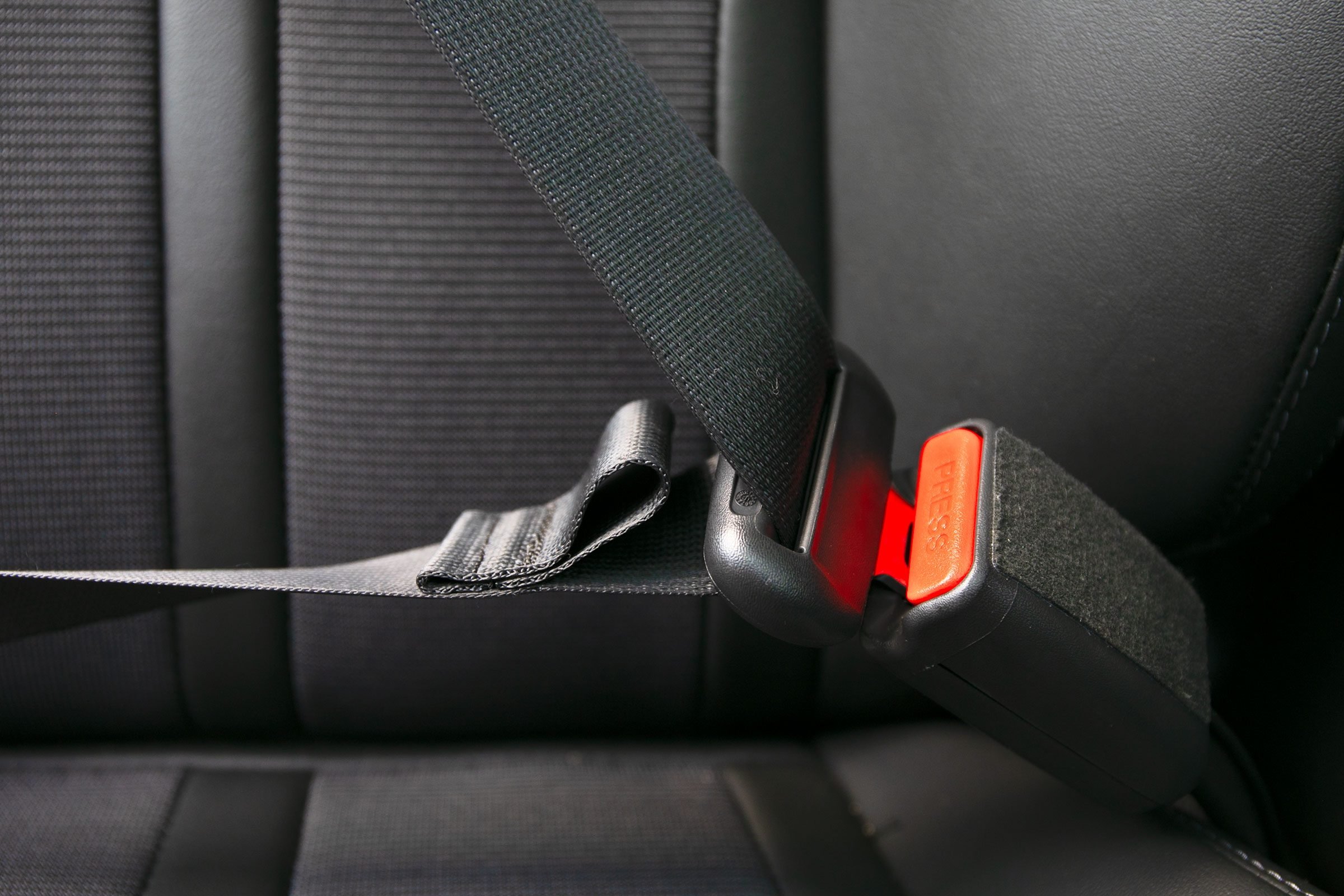
Buckles lock the seatbelt in place. Latches connect the buckle to the webbing. They snap together with a click. This secure connection stops the belt from opening in a crash. The buckle is easy to release but strong enough to hold tight.
Retractors And Tensioners
Retractors wind up extra webbing when not in use. They keep the belt snug and ready. Tensioners tighten the belt quickly during a collision. This stops forward movement. Together, they control how the seatbelt fits and reacts.
Anchor Points
Anchor points fix the seatbelt to the car’s body. They are metal bolts attached to the frame. These points carry the force during a crash. Proper placement ensures the belt holds the passenger safely. Strong anchors prevent the belt from coming loose.
Attachment Points On The Car
Seatbelts must be firmly attached to the car body for safety. The attachment points hold the seatbelt in place during a crash. These points are strong parts of the car frame. They keep the belt tight and secure, protecting passengers from injury.
B-pillar Mounting
The B-pillar is the vertical bar between the front and rear doors. Seatbelt upper anchors are often fixed here. This point allows the belt to pull across the chest. It holds the belt at a good height for different passengers. The B-pillar is strong to handle crash forces.
Floor Anchors
Floor anchors are at the base of the car near the seats. The lower part of the seatbelt attaches here. These anchors hold the belt tight across the hips. Floor anchors are bolted to the car’s frame or reinforced metal. They stop the belt from moving during impact.
Seat Frame Connections
Some seatbelt parts connect directly to the seat frame. This helps keep the belt aligned with the occupant’s body. Seat frames are built to support strong forces. The connection ensures the belt moves properly as the seat adjusts. It also adds extra strength to the system.
Crossmember Attachments
Crossmembers are horizontal bars in the car’s structure. Seatbelts sometimes attach to these bars under the floor or seat. Crossmembers provide strong anchor points. They spread crash forces over a larger area. This reduces stress on the car and keeps passengers safer.
Installation Methods
Seatbelts must be firmly attached to the car’s body. This ensures safety during crashes and sudden stops. Different methods join seatbelts to the vehicle frame. These methods vary by car design and safety standards.
Each installation method has its own strength and purpose. The main goal is to keep passengers secure. Here are the common ways seatbelts are attached to cars.
Bolted Connections
Bolted connections use strong bolts to fix seatbelt anchors. These bolts go through metal parts of the car’s body. They hold the seatbelt tightly in place. Bolted connections allow easy removal for repairs or replacement. This method is common in many vehicles.
Welded Attachments
Welded attachments join seatbelt parts by melting metal together. This creates a very strong bond between seatbelt and car frame. Welding is used in areas needing extra strength. It provides a permanent and reliable hold. Welds must be carefully inspected for safety.
Riveted Fasteners
Riveted fasteners use metal pins to secure seatbelts. The rivets pass through the car’s body and seatbelt parts. They are hammered or pressed to lock in place. Rivets are durable and resist loosening over time. This method is less common but still effective.

Credit: ridesafertravelvest.com
Safety Standards And Regulations
Car seatbelts must meet strict safety standards. These rules keep passengers safe during crashes. Regulations guide how seatbelts attach to the car body. They ensure strength and reliability in every vehicle.
Manufacturers follow these standards to protect lives. The standards affect design, materials, and testing. Every seatbelt part must pass tough checks before use.
Federal Motor Vehicle Safety Standards
The Federal Motor Vehicle Safety Standards (FMVSS) set rules for seatbelt systems. FMVSS 209 and 210 focus on seatbelt strength and installation. These rules require seatbelts to hold tightly under stress. They specify how seatbelts attach to the car frame. Car makers must follow these rules to sell cars in the U.S.
Testing And Certification
Seatbelts undergo strict testing before certification. Tests include tension, force, and crash simulations. These tests check if seatbelts stay secure in accidents. Only certified seatbelts pass and reach the market. Testing ensures that belts protect passengers as expected.
Impact On Design Choices
Safety rules affect how seatbelts are designed and placed. Engineers choose strong materials to meet standards. Mounting points must connect firmly to the car body. Designers plan belt angles for comfort and safety. Rules shape every detail of seatbelt attachment.
Role Of Seatbelt Pretensioners
Seatbelt pretensioners play a key role in car safety systems. They tighten the seatbelt instantly during a crash. This action helps hold passengers firmly in their seats. Pretensioners reduce the slack in the belt, improving protection.
Mechanism Function
The pretensioner works by activating a small device during impact. It pulls the seatbelt tight quickly. This happens before the main crash forces affect the passenger. The fast tightening limits forward movement. It also helps prevent injuries by keeping the body stable.
Integration With Car Frame
Pretensioners are attached near the seatbelt’s anchor points. These points connect the seatbelt securely to the car frame. The car frame absorbs crash forces and supports the pretensioner. This strong connection ensures the pretensioner works correctly during a collision.
Benefits During Collisions
Tight seatbelts reduce the risk of hitting the dashboard or windshield. They also keep passengers in the safest position for airbags to work. Pretensioners lower the chance of serious injuries. They improve overall safety by making seatbelts more effective in crashes.
Common Issues And Maintenance
Seatbelts keep passengers safe by staying firmly attached to the car body. Over time, common issues can affect how well they work. Regular maintenance helps avoid problems and keeps seatbelts reliable.
Wear And Tear Of Mounting Points
The spots where seatbelts attach face constant stress. This causes wear and tear on the bolts and brackets. Loose or damaged mounting points reduce seatbelt strength. Check these areas for any signs of cracks or movement. Replacing worn parts keeps the seatbelt secure.
Corrosion Concerns
Metal parts near the car’s body can rust. Moisture and road salt speed up corrosion. Rust weakens the mounting points and fasteners. Look for orange or brown spots around the bolts. Clean and treat rust early to stop damage. Use rust-proof sprays to protect metal parts.
Inspection Tips
Check seatbelt mounts every few months. Pull the belt to test its hold. Look under seats and panels for hidden bolts. Use a flashlight to spot rust or cracks. Tighten any loose bolts with the correct tool. Replace parts that show heavy wear or damage. Regular checks keep seatbelts safe for all trips.
Innovations In Seatbelt Attachment
Seatbelt attachment has seen many changes to improve safety and comfort. Car makers use new ideas and technology to make seatbelts stronger and easier to use. These innovations help protect passengers better during crashes. They also make seatbelts fit well and feel comfortable.
Advanced Materials
New materials make seatbelt parts lighter and stronger. High-strength steel and special fabrics resist wear and tear. These materials also handle heavy forces during accidents. Lighter parts reduce car weight, helping fuel efficiency. Stronger fabrics keep passengers safe without adding bulk.
Modular Attachment Systems
Modular systems allow easy seatbelt installation and repair. Parts can be removed or replaced without changing the whole system. This saves time and lowers maintenance costs. Modular designs fit many car models and shapes. They ensure seatbelts stay tightly fixed to the car body.
Smart Seatbelt Technologies
Smart systems adjust seatbelt tension based on the situation. Sensors detect crash forces and tighten belts instantly. Some seatbelts warn if not worn correctly. Others connect to airbags for better protection. These technologies improve safety without needing driver action.
Credit: www.rd.com
Frequently Asked Questions
How Are Seatbelts Anchored To A Car’s Frame?
Seatbelts are bolted directly to the car’s body frame. This ensures maximum strength and safety during collisions. The anchor points are reinforced areas designed to handle high impact forces, securing the belt firmly to protect passengers effectively.
What Materials Are Used To Attach Seatbelts To Cars?
High-strength steel bolts and brackets attach seatbelts to cars. These materials provide durability and resistance to stress. The mounting points are reinforced with metal plates welded to the vehicle’s frame to ensure secure fastening and reliable performance in crashes.
Where On The Car Body Are Seatbelts Mounted?
Seatbelts are mounted at the B-pillar, floor, and seat base. These locations offer optimal anchoring and restraint during impacts. The positioning is carefully engineered to distribute crash forces and minimize injury to occupants.
Why Is Seatbelt Attachment Important For Vehicle Safety?
Proper seatbelt attachment ensures occupant restraint and crash energy absorption. Secure mounting prevents belt failure during accidents. This reduces injury risk and complies with safety regulations, making it a critical aspect of vehicle safety design.
Conclusion
Seatbelts attach firmly to a car’s frame for safety. Strong bolts hold the belt’s anchor points tight. The design keeps passengers secure during sudden stops. These simple parts work together to protect lives. Understanding this helps appreciate the car’s safety features.
Always wear your seatbelt; it saves lives every trip. Safety starts with small, strong connections in your car.