
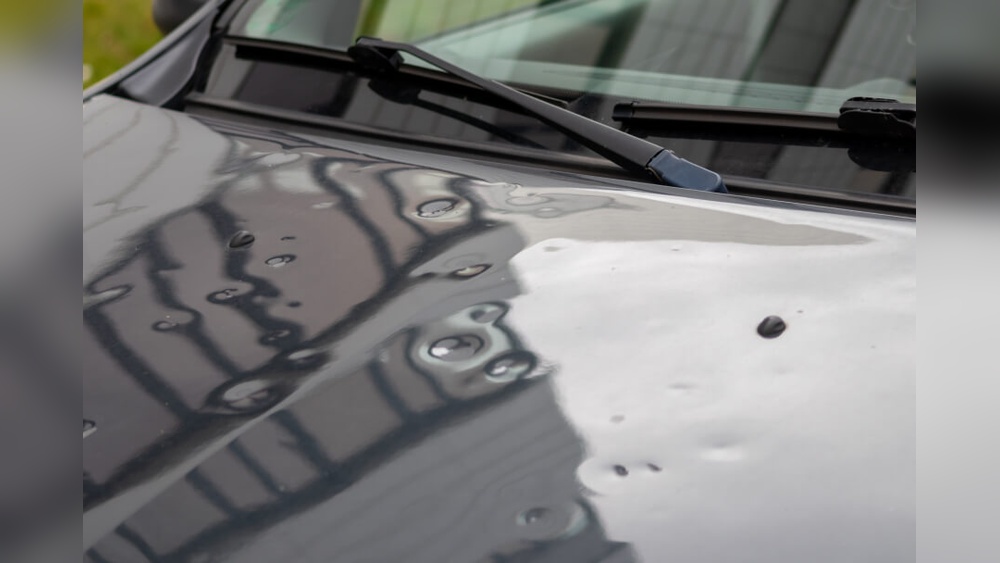
Have you ever wondered what happens if a sudden hailstorm leaves dents and cracks all over your car? You might be asking yourself, “Is hail damage covered on my car insurance?” This question is more important than you think—because knowing the answer can save you from unexpected repair costs and stress.
You’ll discover exactly how hail damage is handled by insurance companies, what kind of coverage you need, and the steps you should take after a hailstorm hits. Keep reading to protect your car and your wallet before the next storm rolls in.
Hail Damage And Insurance
Hail damage can cause serious harm to your car’s exterior. Understanding how insurance covers this damage helps you protect your vehicle and wallet. Knowing your policy details can save stress and money after a storm.
Insurance coverage for hail damage varies by the type of policy you hold. Not all car insurance plans include protection against natural events like hail. It is important to know what your insurance covers before damage happens.
What Coverage Includes Hail Damage
Hail damage is usually covered under comprehensive insurance. This coverage pays for repairs caused by weather, theft, or vandalism. Comprehensive insurance is optional but highly recommended in hail-prone areas.
Liability insurance does not cover hail damage. It only protects against damage you cause to others. Comprehensive coverage helps fix dents, broken windows, and paint damage from hail.
Difference Between Liability And Comprehensive
Liability insurance covers injury or damage to others. It does not pay for your car’s damage from hail or accidents. Most states require liability insurance by law.
Comprehensive insurance covers damage not caused by collisions. This includes hail, fire, theft, and falling objects. It costs more but offers broader protection.
Common Misconceptions
Many think all car insurance covers hail damage. This is false if you only have liability insurance. Some believe hail damage claims will raise premiums. Often, they do not increase your rates.
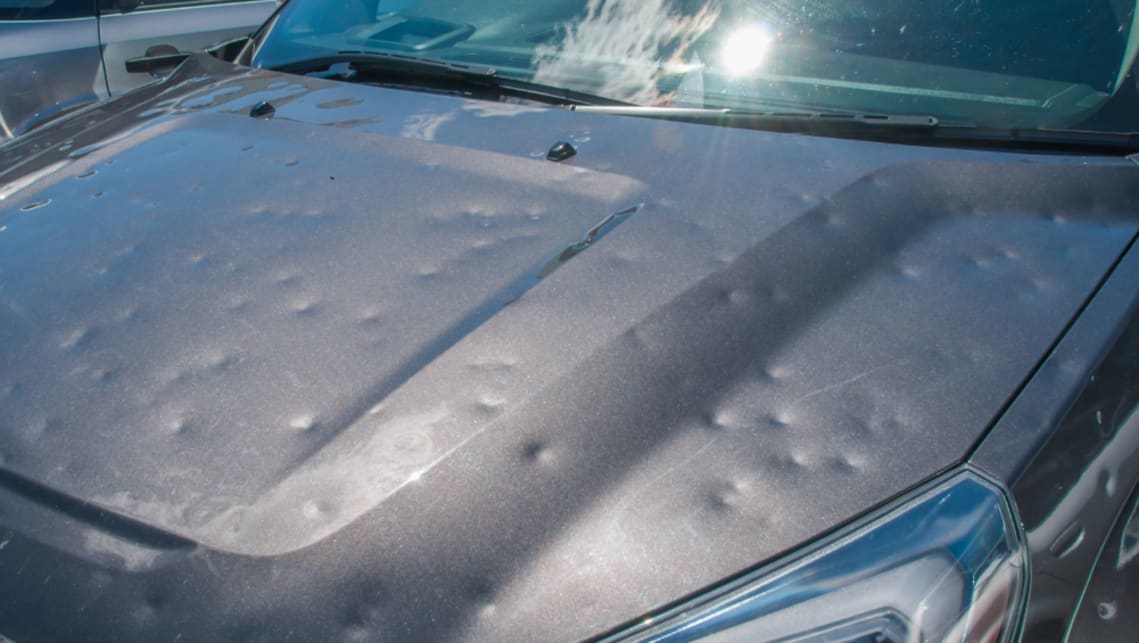
Others assume hail damage is too minor to claim. Small dents can worsen and lower your car’s value. Reporting damage early helps maintain your vehicle’s condition and resale price.
Credit: www.consumercoverage.com
Filing A Hail Damage Claim
Filing a hail damage claim is an important step after a storm damages your car. Knowing how and when to file can save time and reduce stress. This process helps you get the repairs covered by your insurance. Acting quickly improves your chances of a smooth claim experience. Below are key points to guide you through filing a hail damage claim.
When To File A Claim
File your claim as soon as possible after the hailstorm. Delaying can make it harder to prove the damage was caused by hail. Most insurance companies require prompt reporting. Check your policy to know the exact time limits. Early filing helps speed up the repair and payment process.
Steps To Report Damage
First, inspect your vehicle carefully for dents, cracks, or broken glass. Take clear photos of all damage from different angles. Contact your insurance company by phone or online to report the damage. Provide your policy number and details about the hailstorm. The insurer may send an adjuster to assess the damage or ask you to visit a repair shop.
Documents And Evidence Needed
Gather all necessary documents before filing. This includes your insurance policy, photos of the damage, and any repair estimates. Keep a copy of the police or weather report if available. Receipts for any temporary repairs also help. Having these ready makes the claim process faster and easier.
Cost And Deductibles
Understanding the cost and deductibles of hail damage claims is essential for car owners. These factors influence how much you pay out of pocket and what your insurance will cover. Knowing typical repair costs and deductible impacts helps prepare for any financial surprises.
Typical Repair Costs
Hail damage repair costs vary by the size and number of dents. Small dents on the hood or roof usually cost less to fix. Larger dents or extensive damage to multiple panels can raise repair bills. Paintless dent repair (PDR) is a common and affordable method for hail damage. Severe damage may require repainting, which increases costs. On average, minor hail damage repair can range from $300 to $1,000. Major repairs might exceed $2,000, depending on the car model and damage extent.
How Deductibles Affect Payouts
Deductibles are the amount you pay before insurance covers the rest. If your deductible is $500 and repair costs are $800, you pay $500, and insurance pays $300. High deductibles lower your monthly premium but increase out-of-pocket costs after damage. Low deductibles reduce your immediate costs but lead to higher premiums. Choose a deductible that balances your budget and risk tolerance. Understand your policy’s deductible before filing a hail damage claim.
Impact On Insurance Premiums
Filing a hail damage claim may affect your insurance premiums. Some insurers raise premiums after claims, while others do not. The size and frequency of claims influence premium changes. Minor claims might not trigger a premium increase. Multiple claims in a short time could cause higher rates. Keeping your car in good condition and avoiding small claims can help maintain lower premiums. Always ask your insurer about premium impacts before filing a claim.
Credit: www.allstate.com
Repair Options
Hail damage on cars can vary from small dents to large dings. Repairing these damages needs careful choice. Understanding repair options helps you fix your car effectively. You can choose between fixing it yourself or hiring a professional. Each option has its benefits and drawbacks. Knowing these details saves time and money.
Diy Vs Professional Repairs
DIY repairs might seem cheaper and faster. Small dents can be fixed using kits from local stores. These kits include tools to push dents out or pull them. But, DIY work requires patience and some skill. Mistakes can cause more damage or lower your car’s value.
Professional repairs cost more but offer better results. Experts have experience and tools to restore your car perfectly. Professionals also check for hidden damage under the surface. Their work often comes with a warranty for peace of mind.
Choosing A Repair Shop
Pick a repair shop with good reviews and fair prices. Look for shops that specialize in hail damage. Ask if they work with insurance companies. A shop that handles insurance claims can save you hassle. Check if they use quality parts and offer warranties. Visiting the shop before deciding helps you judge their professionalism.
Paintless Dent Repair Benefits
Paintless Dent Repair (PDR) is a popular method for hail damage. It fixes dents without repainting your car. This method keeps the original paint intact and looks natural. PDR is faster and usually costs less than traditional repairs. It also preserves your car’s resale value. Many insurance companies prefer PDR for hail damage claims.
Buying Cars With Hail Damage
Buying cars with hail damage can be tempting due to their lower price. These vehicles often come at a discount compared to similar models without damage. Understanding the risks and benefits helps buyers make smarter decisions. It is important to know how hail damage affects the car’s value and insurance before purchasing.
Risks And Benefits
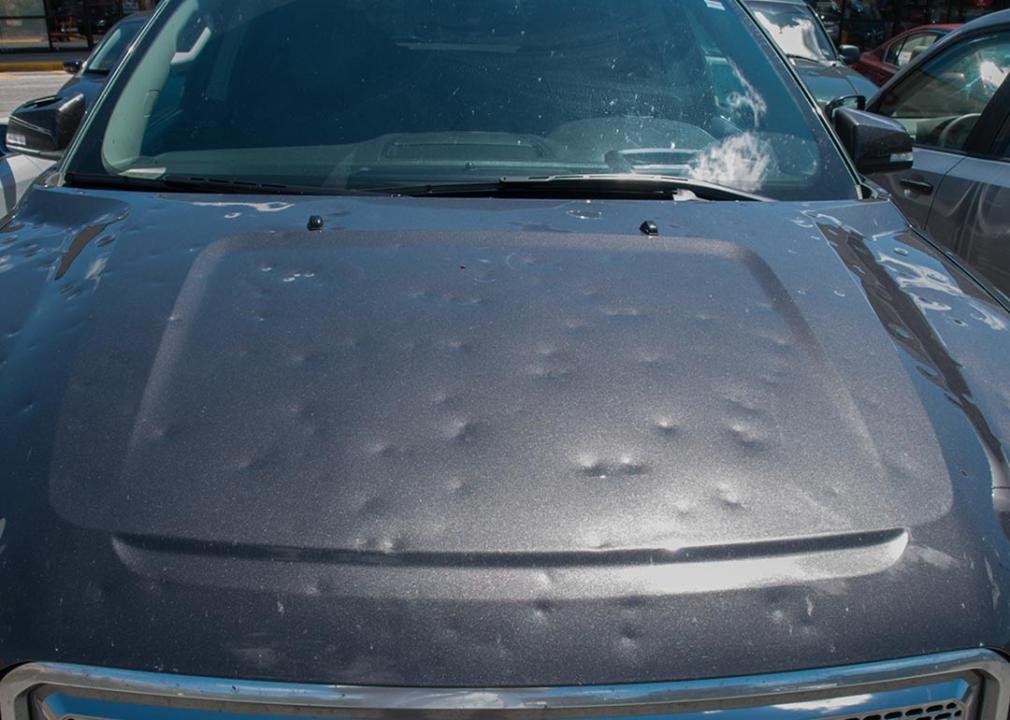
Hail-damaged cars usually cost less upfront. This can save money for buyers on a tight budget. The damage might only be cosmetic, leaving the engine and mechanical parts fine. Repairing dents can restore the car’s look over time.
On the downside, hail damage can hide deeper problems. Cracks in glass or seals may cause leaks or rust. Repair costs might add up quickly. Some damage may reduce safety or comfort.
Resale Value Considerations
Cars with hail damage often have lower resale value. Buyers see them as less attractive and less reliable. The cost to fix dents reduces the profit margin for resale. It may take longer to sell the vehicle.
Minor hail damage that is properly repaired may not affect resale much. Full disclosure of damage history builds trust with future buyers. Knowing the impact on value helps set realistic prices.
Insurance Implications
Insurance coverage for hail damage depends on the policy type. Comprehensive insurance usually covers repairs from hail storms. Liability-only insurance does not cover hail damage.
Buying a hail-damaged car may affect your insurance rates. Insurers might increase premiums if the car has existing damage. Some companies may require repairs before approving coverage.
Check with your insurance provider to understand coverage limits. Knowing insurance rules can avoid surprises after buying a hail-damaged vehicle.
Credit: ktvz.com
Preventing Future Hail Damage
Preventing future hail damage helps protect your car and saves money on repairs. Small steps reduce risks and keep your vehicle in good shape. Preparing ahead is key to avoiding costly damage and insurance claims. Here are simple ways to protect your car from hail storms.
Protective Covers And Garages
Use a car cover made for hail protection. These covers absorb impact and prevent dents. Covers are easy to store and carry. Parking in a garage or covered area offers the best defense. If no garage is available, try to find covered parking spots during storms. Even a carport or shelter can reduce damage. Protecting your car physically limits hail impact and keeps it safe.
Weather Alerts And Preparedness
Stay alert to weather warnings in your area. Many apps send real-time alerts for hail storms. Preparing before a storm hits allows time to move your car. Listen to local news or use weather apps daily. Knowing about hail risks early helps you act fast. Planning ahead reduces exposure and damage. Simple awareness can save you from expensive repairs.
Insurance Policy Tips
Review your insurance policy carefully. Comprehensive coverage often includes hail damage protection. Check the limits and deductibles for hail claims. Update your policy if needed to cover hail risks fully. Keep photos of your car’s condition before storms. This helps support any future insurance claims. Understanding your policy avoids surprises after damage occurs.
Frequently Asked Questions
Is It Worth Claiming Hail Damage To A Car?
Claiming hail damage is worth it if repairs cost more than your deductible. Comprehensive insurance often covers these repairs, saving money and preserving your car’s value.
How Does Car Insurance Work With Hail Damage?
Car insurance covers hail damage under comprehensive coverage. It pays for repairs to your car’s body, windshield, and interior. Liability coverage does not cover hail damage. File a claim promptly to get repairs covered. Check your policy details to confirm hail damage protection.
How Much Will Insurance Cover For Hail Damage?
Insurance typically covers hail damage under comprehensive coverage, paying for repairs after deductibles. Coverage limits depend on your policy.
Will Insurance Go Up After A Hail Claim?
Insurance rates may increase after a hail claim, but it depends on your insurer and claim history. Some insurers may not raise premiums for hail damage. Repairing damage promptly can help avoid future coverage issues. Always check with your insurance provider for specific policy details.
Conclusion
Hail damage can be costly and frustrating. Comprehensive car insurance often covers this type of damage. Without it, repairs must come from your own pocket. Always check your policy details carefully. Filing a claim quickly helps speed up repairs. Keeping your car protected saves money in the long run.
Understanding your coverage avoids surprises after a storm. Stay informed and prepared for hail damage risks.