

If you’ve ever upgraded your car’s audio system or explored its electronics, you might have come across the term “SWC” and wondered what it means. Understanding SWC is essential if you want to keep using those convenient buttons on your steering wheel after installing a new stereo or head unit.
Without the right setup, your steering wheel controls could stop working, leaving you frustrated and reaching for your dashboard. You’ll discover exactly what SWC means for car electronics, why it matters for your vehicle, and how it helps you maintain control and safety on the road.
Keep reading to unlock the simple solution that keeps your driving experience seamless and enjoyable.
Steering Wheel Control Basics
Steering wheel controls make driving safer and easier. They let drivers manage audio and other systems without taking hands off the wheel. Understanding the basics of steering wheel control (SWC) helps explain how car electronics stay connected with these buttons.
This section breaks down what SWC means and its role in car electronics. Clear knowledge helps when upgrading or repairing your car’s audio system.
What Swc Stands For
SWC stands for Steering Wheel Control. It refers to the buttons on the steering wheel that control functions like volume, track change, and phone calls. SWC makes it easy to adjust settings without distraction. This system connects the steering wheel buttons to the car’s head unit or stereo.
Role In Car Electronics
SWC bridges the steering wheel buttons and the car’s audio system. When you press a button, the SWC sends signals to the stereo to perform actions. It keeps factory controls working even after installing a new head unit. SWC modules or adapters translate button commands so aftermarket devices understand them.
This keeps all steering wheel features functional. It improves convenience and safety by allowing drivers to keep focus on the road. SWC is a key part of modern car electronics integration.
How Swc Works
Steering Wheel Control (SWC) allows drivers to operate car electronics without removing hands from the wheel. This system improves safety and convenience by linking steering wheel buttons to the car’s audio or navigation system. Understanding how SWC works helps you see its role in car electronics.
Connection To Oem Systems
SWC connects directly to the vehicle’s Original Equipment Manufacturer (OEM) system. It reads signals from the steering wheel buttons. These signals tell the system what action the driver wants. For example, increasing volume or changing radio stations.
The SWC module translates these button presses into commands the car’s audio system understands. It uses the car’s wiring harness to connect without cutting wires. This keeps the car’s original electronics safe and intact.
Interfacing With Aftermarket Units
Aftermarket head units often lack native support for steering wheel controls. The SWC interface bridges this gap. It adapts OEM signals to work with new audio or navigation units.
This interface ensures the steering wheel buttons function as intended. Drivers can control the new system using familiar buttons. The SWC module converts signals from the steering wheel into commands compatible with aftermarket units.
This connection reduces installation complexity and preserves steering wheel control features. It allows seamless integration between old vehicle systems and new car electronics.
Benefits Of Swc
Steering Wheel Control (SWC) offers several benefits for car electronics. It improves how drivers interact with their car’s systems. SWC makes using audio and other controls easier without taking hands off the wheel. This feature boosts convenience and safety for everyday driving.
Enhanced Driver Convenience
SWC lets drivers control music and phone calls easily. Buttons on the steering wheel adjust volume or change tracks quickly. Drivers avoid reaching for the dashboard or touchscreen. This reduces distractions and keeps attention on the road. SWC supports hands-free calls, making communication safer. It also allows quick access to voice commands. Overall, it simplifies controlling various car functions.
Safety Advantages
Using SWC helps drivers keep their eyes on the road. Less need to look away lowers accident risk. Hands remain on the wheel, improving vehicle control. SWC reduces the chance of missing important driving cues. It supports safer multitasking by minimizing distractions. These features contribute to safer driving habits. SWC is a valuable addition for driver protection.
Credit: www.youtube.com
Swc Interface Modules
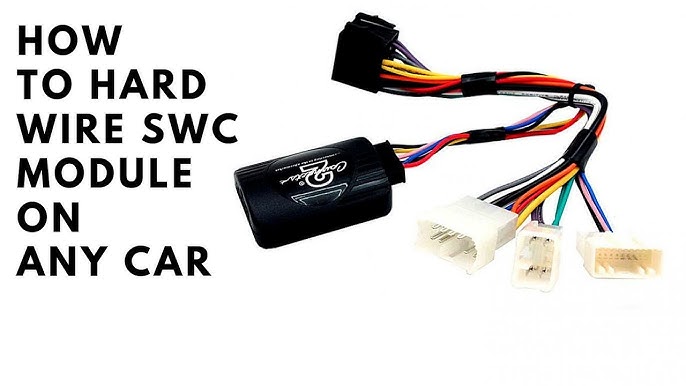
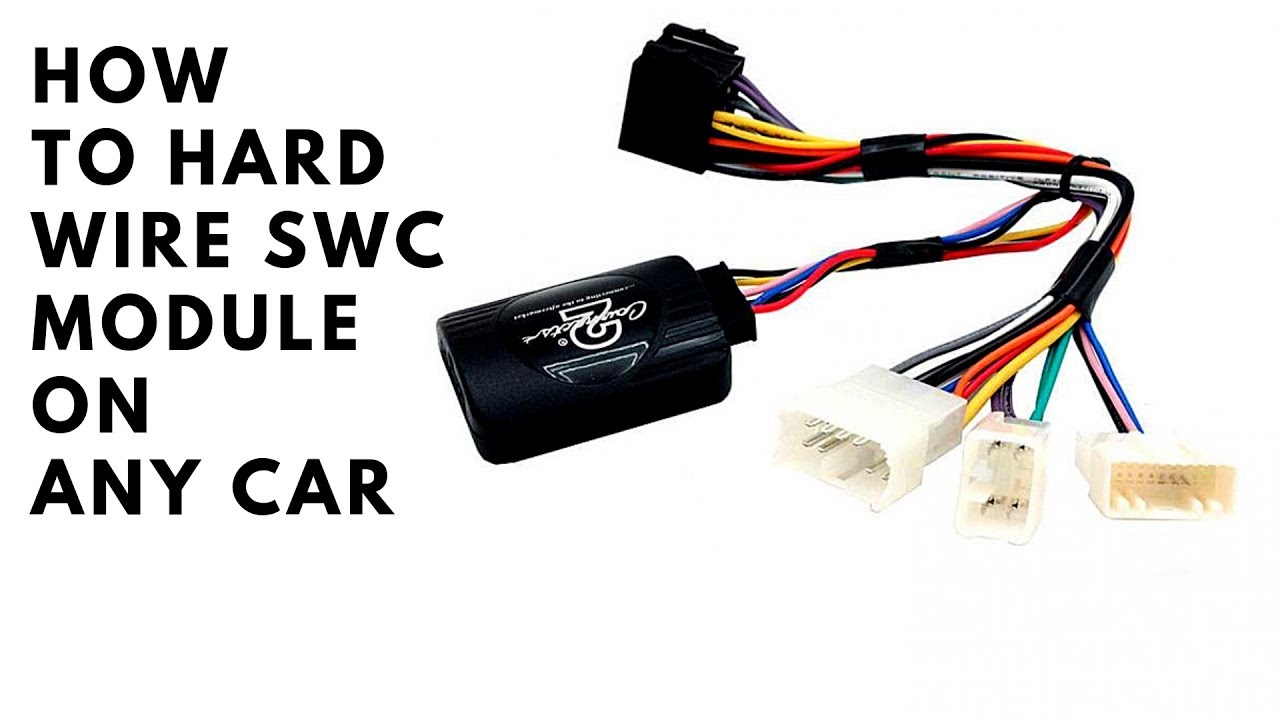
SWC interface modules play a vital role in car electronics. They link your car’s steering wheel controls to aftermarket stereo systems. This connection lets you keep using buttons on the steering wheel even after upgrading the car radio. SWC modules ensure smooth communication between the vehicle’s original controls and the new head unit.
These modules come in various types and require careful installation. Understanding the types and installation process helps in choosing the right module for your vehicle.
Types Of Interfaces
There are several types of SWC interface modules. Some work with specific car brands or models. Others are universal and fit many vehicles. Modules vary by how they handle signals from the steering wheel.
Basic modules convert simple button presses into commands for the stereo. Advanced modules support more functions like volume control and track skipping. Some modules connect via wiring harnesses, while others use Bluetooth or CAN bus technology.
Installation Essentials
Installing an SWC interface module needs attention to detail. First, identify the car’s wiring and the aftermarket stereo’s input. Match the module’s connections to the vehicle’s wires carefully.
Use proper tools and follow the module’s wiring diagram exactly. Avoid loose connections to prevent signal loss. Test the steering wheel controls after installation to confirm they work properly.
Some modules require programming to sync with the car’s electronics. Always check the module’s manual for setup instructions. Professional help may be needed for complex installations.
Programming Swc Functions
Programming SWC functions allows you to control car electronics using steering wheel buttons. This feature makes driving safer and more convenient. It connects the steering wheel controls to your car’s audio or navigation system.
Setting up these functions requires programming the SWC module. This process involves assigning specific commands to each button on the steering wheel. Proper programming ensures smooth operation with aftermarket devices.
Customization Options
Programming SWC functions offers various customization options. You can assign volume control, track change, or call handling to buttons. Some systems allow you to program voice commands or mute functions as well.
Customization helps match the controls to your preferences. It ensures you use the steering wheel buttons in a way that fits your needs. This flexibility improves your driving experience and keeps your focus on the road.
Common Programming Methods
There are several common methods to program SWC functions. Many use a learning mode where the module records button signals. This method is simple and works with most steering wheels.
Another method involves using software or a programming tool. This option is common for advanced systems and allows detailed customization. Some vehicles may require professional programming or specific adapters.
Choosing the right method depends on your car model and the aftermarket system. Clear instructions usually come with the SWC module or device. Following these steps ensures correct and reliable programming.
Credit: www.youtube.com
Troubleshooting Swc Issues
Troubleshooting Steering Wheel Control (SWC) issues can be frustrating. SWC allows you to operate your car stereo using buttons on the steering wheel. When it stops working, it affects convenience and safety. This section helps identify common problems and offers simple fixes.
Common Problems
One frequent issue is the SWC buttons not responding. This can happen after installing a new stereo. Another problem is inconsistent button actions, where a single press triggers multiple commands. Wiring errors often cause these issues. Faulty or loose connections inside the SWC module also disrupt signals. Some cars require a specific adapter to match the new stereo. Missing or incorrect adapters lead to no control functions. Software mismatches between the car and stereo can block communication. Finally, damaged SWC modules from wear or accidents cause failures.
Fixes And Tips
Start by checking all wiring connections for tightness and correctness. Use the wiring diagram for your car and stereo model. Confirm the SWC adapter matches your vehicle’s make and stereo. Reset the stereo system to clear errors. Update the stereo firmware if possible. Test each button on the steering wheel after changes. If buttons still do not work, try swapping the SWC module with a known good one. Clean the contacts and connectors with electronic cleaner to remove dirt. Avoid pulling or bending wires harshly to prevent damage. Consult the stereo manual for programming the SWC module. Seek professional help when unsure about electrical work.
Future Of Smart Controls In Cars
The future of smart controls in cars is bright and full of potential. Cars are becoming more connected and intelligent every day. Smart controls will enhance safety, comfort, and convenience for drivers and passengers.
As technology advances, these systems will grow more adaptive and user-friendly. They will learn driver habits and adjust settings automatically. This will lead to a smoother and more personalized driving experience.
Integration With Advanced Systems
Smart controls will integrate deeply with other car systems. They will communicate with navigation, entertainment, and safety devices. This creates a unified system that works seamlessly.
For example, steering wheel controls (SWC) will sync with voice commands and touchscreens. This allows drivers to control many features without distraction. Integration will also improve system response times and accuracy.
Emerging Technologies
New technologies will shape the next generation of smart controls. Artificial intelligence will play a big role in understanding driver needs. Sensors and cameras will provide real-time data to improve control functions.
Gesture recognition and eye-tracking may become common in controlling car electronics. Wireless updates will keep systems current without visits to service centers. These advancements will make cars safer and easier to use.

Credit: www.amazon.com
Frequently Asked Questions
What Does Swc Mean On A Car?
SWC stands for Steering Wheel Control. It links a car’s factory steering wheel buttons to an aftermarket stereo system. This allows drivers to use original controls with new audio devices seamlessly.
What Is Swc In Electrical Terms?
SWC stands for Surge Withstand Capability in electrical terms. It measures a device’s ability to resist high-voltage surges without damage.
What Does Swc Input Mean On A Car Stereo?
SWC input on a car stereo connects the steering wheel controls to the aftermarket head unit. It allows you to use original buttons.
What Is Swc1 And Swc2?
SWC1 and SWC2 are steering wheel control input wires. They connect your car’s original controls to an aftermarket stereo system. These inputs allow you to use steering wheel buttons for audio functions after upgrading your car radio.
Conclusion
Understanding SWC helps you keep steering wheel controls functional. It connects your car’s original buttons to new audio systems. This makes driving safer and more convenient. Installing an SWC interface is often simple and cost-effective. It prevents losing control features after upgrades.
Knowing SWC’s role improves your car electronics knowledge. Keep this in mind when updating your vehicle’s stereo.