
Installing a car seat with a seatbelt might seem tricky at first, but it’s one of the most important steps to keep your child safe on every trip. You want to be sure the seat is secure and correctly fitted, so your little one stays protected no matter where you go.
In this guide, you’ll discover simple, clear steps to install a car seat with your seatbelt the right way. By the end, you’ll feel confident and ready to hit the road, knowing your child’s safety is in your hands. Keep reading to learn how easy it can be to get it done right.

Credit: www.goodeggcarsafety.com
Choosing The Right Car Seat
Choosing the right car seat is important for your child’s safety and comfort. A good car seat fits your child well and works with your vehicle. It protects your child in case of sudden stops or accidents. Parents should understand different car seat types and check if the seat fits their car. This section helps you pick the best car seat and check its compatibility with your vehicle.
Types Of Car Seats
Car seats come in several types based on your child’s age and size. Infant car seats are rear-facing and suit newborns and small babies. Convertible car seats grow with your child and can be used rear-facing or forward-facing. Booster seats raise older children so seat belts fit properly. Each type meets safety rules and offers different protection levels.
Checking Seat Compatibility
Not all car seats fit every car. Check your car’s manual to find seatbelt types and space. Make sure the car seat can fasten securely with your seatbelt. Some cars have specific seatbelt shapes or limits. Test the car seat in your vehicle before buying to avoid problems. A good fit keeps the seat stable and your child safe.
Credit: www.healthychildren.org
Preparing Your Vehicle
Preparing your vehicle is the first step to install a car seat with a seatbelt safely. This step helps ensure the seatbelt fits correctly and the seat is stable. A clean and organized space makes installation easier and safer.
Clearing The Back Seat
Remove all loose items from the back seat. Toys, bags, and other objects can block the seatbelt path. Clear space helps the car seat sit flat and secure. It also prevents distractions while driving.
Locating Seatbelt Anchors
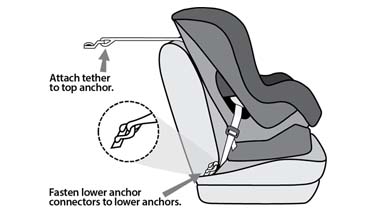
Find the seatbelt anchors in your vehicle. These are usually near the seat’s base or on the side. Check your car manual for exact locations. Knowing where the anchors are helps you guide the seatbelt properly. Secure anchoring is key for a safe installation.
Securing The Car Seat
Securing the car seat properly is key for your child’s safety. A well-secured seat prevents movement during sudden stops or crashes. Follow each step carefully to ensure the seatbelt holds the car seat firmly. Safety starts with correct installation.
Threading The Seatbelt Correctly
Locate the seatbelt path on the car seat. Pull the seatbelt fully out to activate the locking mechanism. Thread the seatbelt through the designated slots. Make sure the belt is flat and not twisted. This helps the seatbelt lock securely around the car seat.
Locking The Seatbelt
After threading, lock the seatbelt by pulling it tight. Listen for a clicking sound to confirm it is locked. Test the belt by gently pulling on it. If it does not move, the locking mechanism works. A locked belt keeps the car seat in place during travel.
Tightening For Stability
Push down on the car seat while pulling the seatbelt tight. This removes any slack and adds stability. The car seat should not move more than one inch side to side. Tightening the seatbelt this way ensures the seat stays secure. Double-check the fit before placing your child inside.
Adjusting The Car Seat
Adjusting the car seat is a key step after installation. A well-adjusted seat keeps your child safe and comfortable. Every detail matters, from the seat’s angle to the harness fit.
Setting The Correct Recline
Check the car seat’s recline angle. It should not be too upright or too flat. Most seats have a recline indicator to guide you. A proper recline keeps your child’s head from falling forward. This is especially important for infants. Adjust the seat until the indicator shows the right angle.
Positioning The Harness
The harness should fit snugly against your child’s body. Position the straps at or just below the child’s shoulders for rear-facing seats. For forward-facing seats, place the straps at or above the shoulders. Make sure the harness is not twisted. Tighten the straps until you cannot pinch any slack. Proper harness positioning prevents injury in case of a crash.
Checking Installation
Checking installation is a key step after placing a car seat with a seatbelt. It ensures the seat is safe and secure for your child. A proper check prevents movement during travel and keeps your child protected.
Performing The Wiggle Test
Push and pull the car seat at the belt path. The seat should not move more than one inch side to side or front to back. A tight fit means the seat is installed correctly. If it moves too much, tighten the seatbelt and try again.
Confirming Seatbelt Lock
Make sure the seatbelt locks to hold the car seat firmly. Pull the seatbelt all the way out and let it retract slowly. This action activates the locking mechanism. If the seatbelt stays tight, it is locked properly. A locked belt stops the seat from shifting during sudden stops.

Credit: strolleria.com
Common Mistakes To Avoid
Installing a car seat with a seatbelt can be tricky. Many parents make small mistakes that affect safety. Knowing what to avoid helps keep your child safe. Here are some common errors to watch out for.
Loose Seatbelt Issues
A loose seatbelt means the car seat is not secure. The seat can move side to side or front to back. This movement increases injury risk during a crash. Always pull the seatbelt tight after threading it through the car seat. Check for slack before locking the belt in place. A tight fit keeps the seat stable and your child safe.
Incorrect Harness Fit
The harness holds your child in the car seat. If it’s too loose, your child can slip out in an accident. If it’s too tight, it can cause discomfort and breathing problems. The straps should lie flat without twists. Adjust the harness so you can fit only one finger between the strap and your child’s collarbone. This fit keeps your child secure but comfortable.
Additional Safety Tips
Installing a car seat with a seatbelt is important, but safety does not end there. Taking extra steps can protect your child even more. These additional safety tips help keep the car seat secure and your child safe on every ride.
Registering Your Car Seat
Register your car seat with the manufacturer. This helps you get important updates. You will be notified if there is a recall or safety issue. Registering is simple and free. It ensures you have the latest safety information for your seat.
Regular Inspection And Maintenance
Check your car seat often. Look for wear and tear on straps and buckles. Make sure the seatbelt holds the seat tightly. Clean the seat as recommended by the manufacturer. Do not use harsh chemicals that can weaken the material. Regular care keeps the car seat safe and lasts longer.
Frequently Asked Questions
How Do I Install A Car Seat With A Seatbelt Safely?
First, thread the seatbelt through the car seat’s belt path. Buckle the seatbelt and lock it by pulling tightly. Press down firmly on the car seat and tighten the belt. Always check for less than one inch of movement.
Can I Use A Seatbelt Instead Of Latch For Car Seats?
Yes, you can use a seatbelt instead of LATCH. Seatbelt installation is often recommended for heavier car seats or older vehicles. Ensure the seatbelt locks properly and the car seat is secured tightly to prevent movement.
What Is The Correct Seatbelt Path For Installation?
The correct seatbelt path depends on the car seat model. Usually, a blue or red belt path shows where the seatbelt should go. Always refer to both your car seat and vehicle manuals for exact instructions to ensure safety.
How Tight Should The Seatbelt Be When Installing A Car Seat?
The seatbelt should be pulled tight enough to prevent the car seat from moving more than one inch. Press down firmly on the car seat while tightening the belt. A snug fit ensures maximum protection during a crash.
Conclusion
Installing a car seat with a seatbelt keeps your child safe on every trip. Always check that the seatbelt is tight and locked. Double-check the car seat’s instructions for the best fit. Take your time and adjust the straps correctly.
Safety matters most when driving with little ones. Remember, a properly installed car seat protects your child from harm. Stay calm, follow steps carefully, and keep your child secure. Simple actions can make a big difference in safety. Trust yourself and drive with peace of mind.